Delsa Solórzano resurfaced publicly after 17 months, declaring Venezuela in a "new phase" following Nicolás Maduro's ouster and detention in New York. She called for the release of hundreds of political prisoners and insisted that a genuine transition requires free elections. Solórzano warned that security services remain under Maduro allies and raised concerns about Vice President Delcy Rodríguez's apparent cooperation with U.S. President Donald Trump. She described her absence as "shelter" and urged that Venezuelans be included in negotiations.
Venezuelan Opposition Leader Delsa Solórzano Returns Publicly After 17 Months, Urges Free Elections
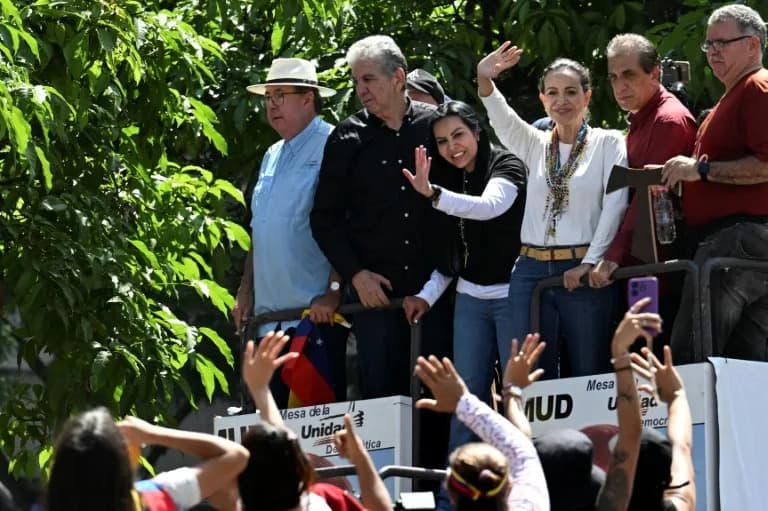
Venezuelan opposition figure Delsa Solorzano (3rd FROM LEFT) with Maria Corina Machado (C) (JUAN BARRETO)(JUAN BARRETO/AFP/AFP)
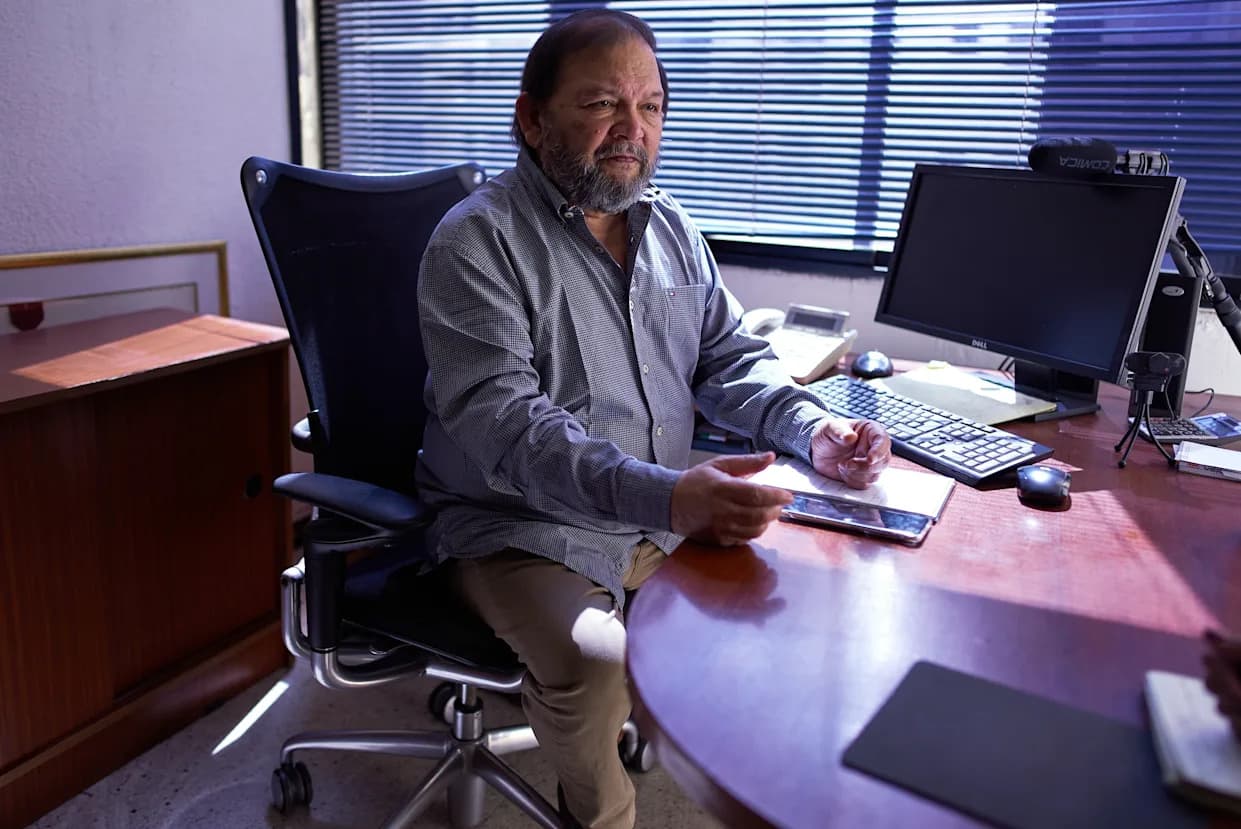
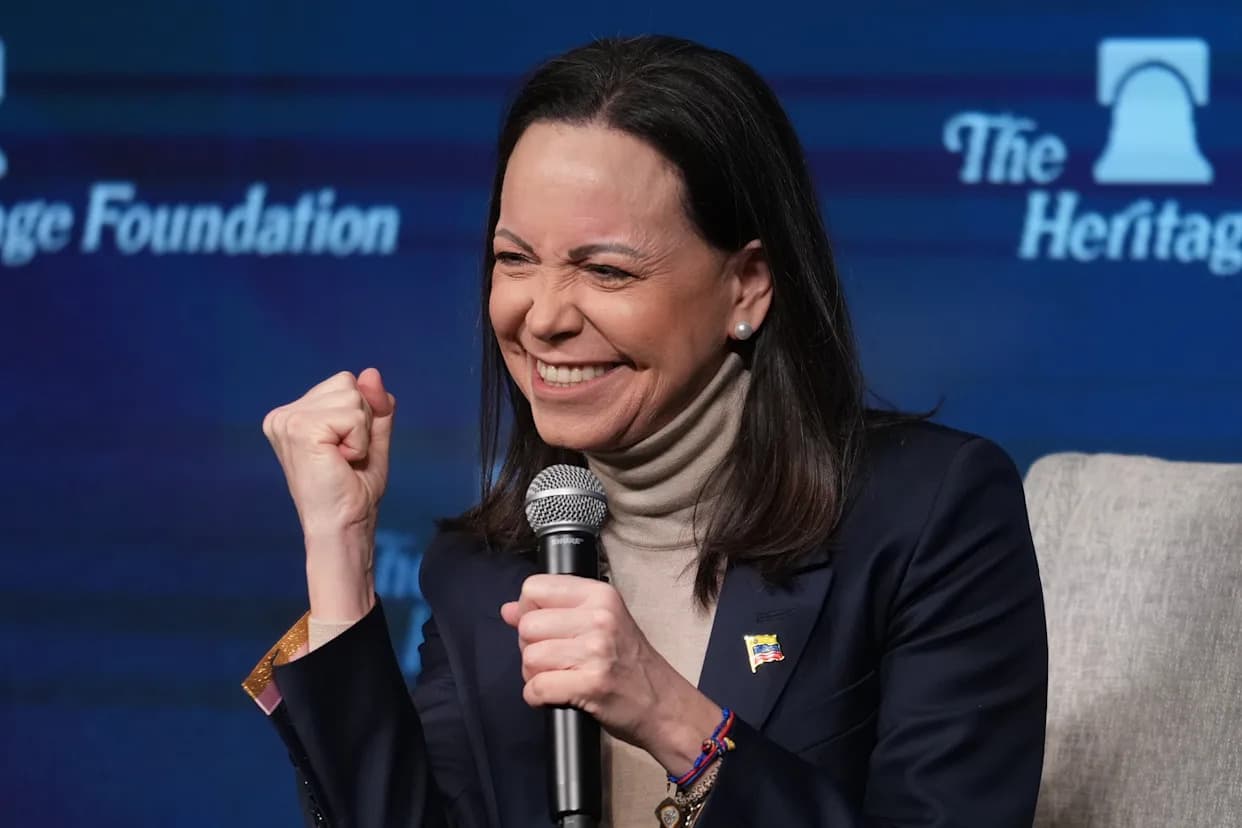
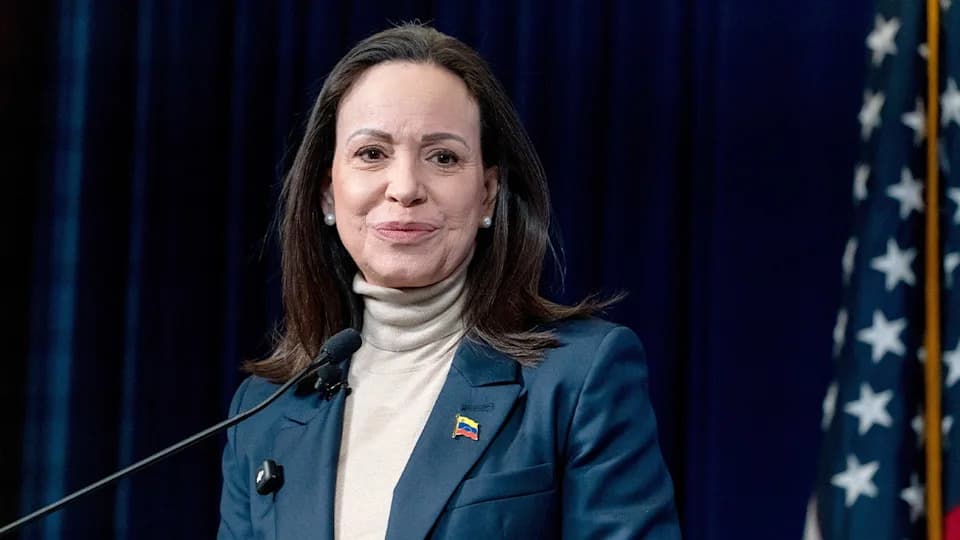
Delsa Solórzano, a senior Venezuelan opposition figure, made her first public appearance in 17 months on Tuesday, declaring that the country has entered a "new phase" after the ouster of Nicolás Maduro and his detention in New York. The 54-year-old former lawmaker said she felt safe enough to re-emerge, resume political work and press for new, competitive elections.
Solórzano, who last appeared publicly in August 2024 during a protest against Maduro's contested reelection claim, returned to the headquarters of her party, Encuentro Ciudadano (Citizen Encounter), where supporters greeted her with cheers. At that earlier demonstration she had stood beside Maria Corina Machado — who later won the Nobel Peace Prize — and other opposition leaders who subsequently went into hiding, exile, or prison.
Transition Remains Fragile
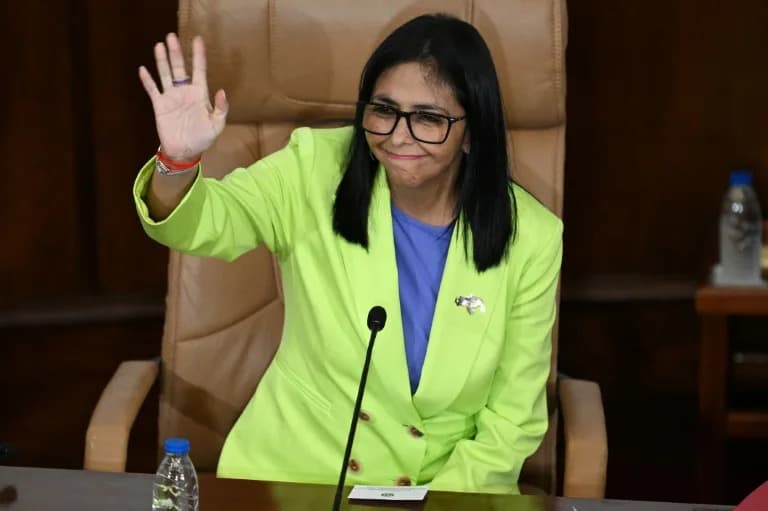
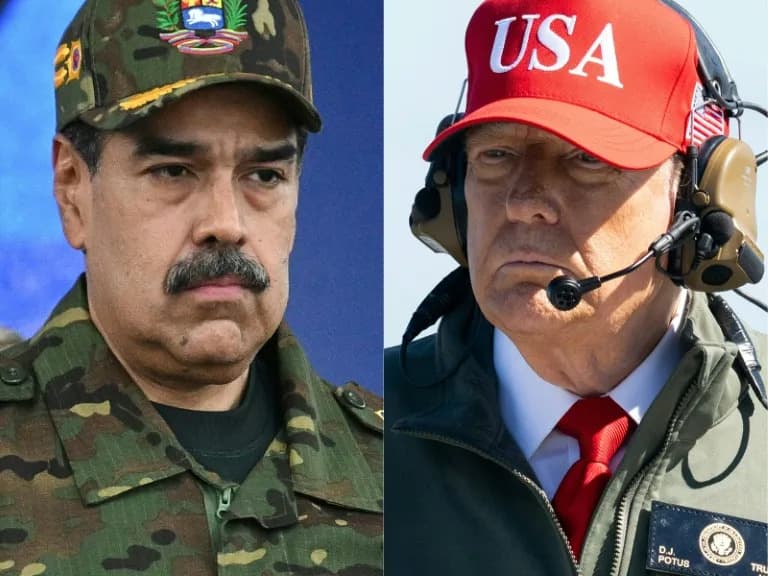
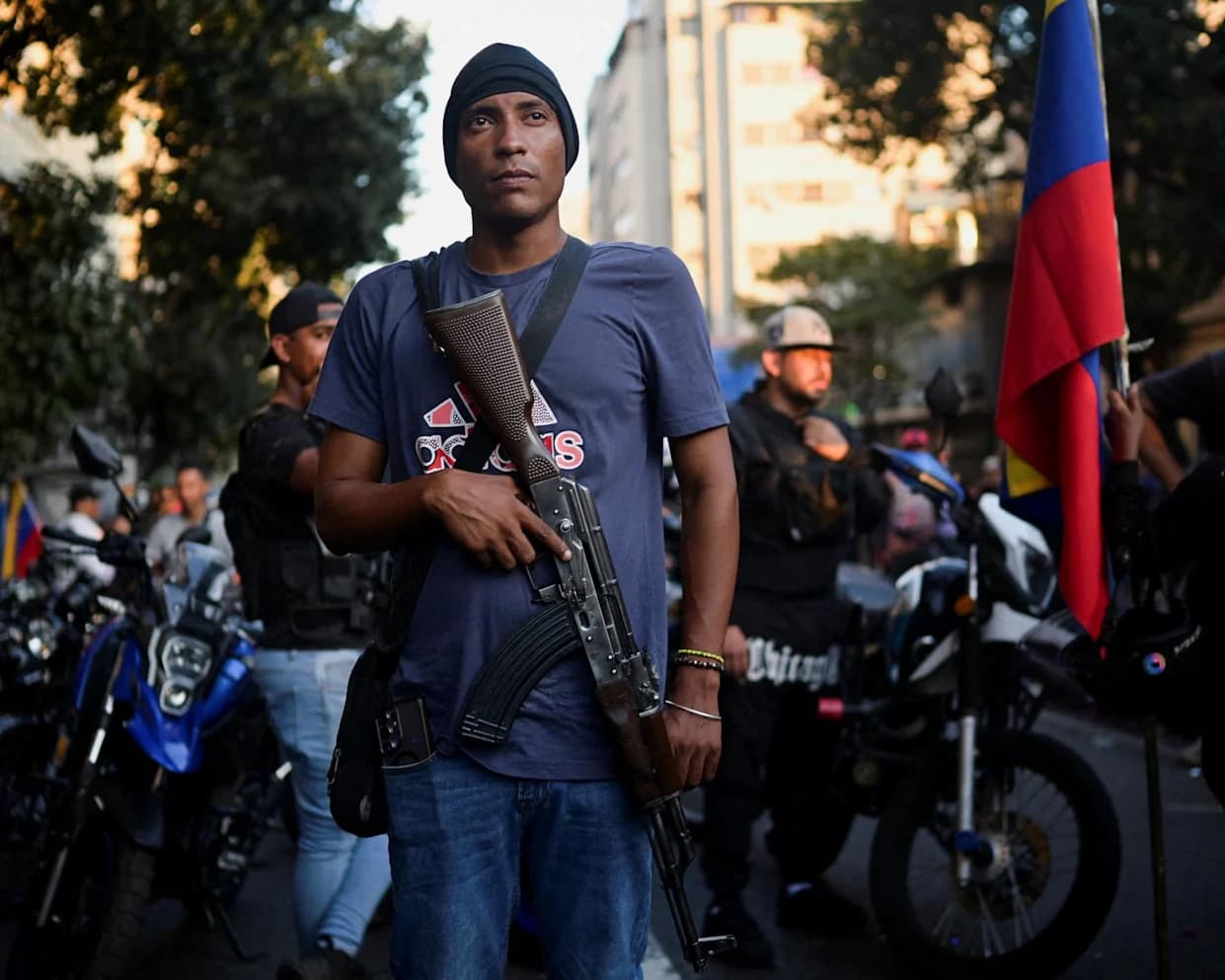
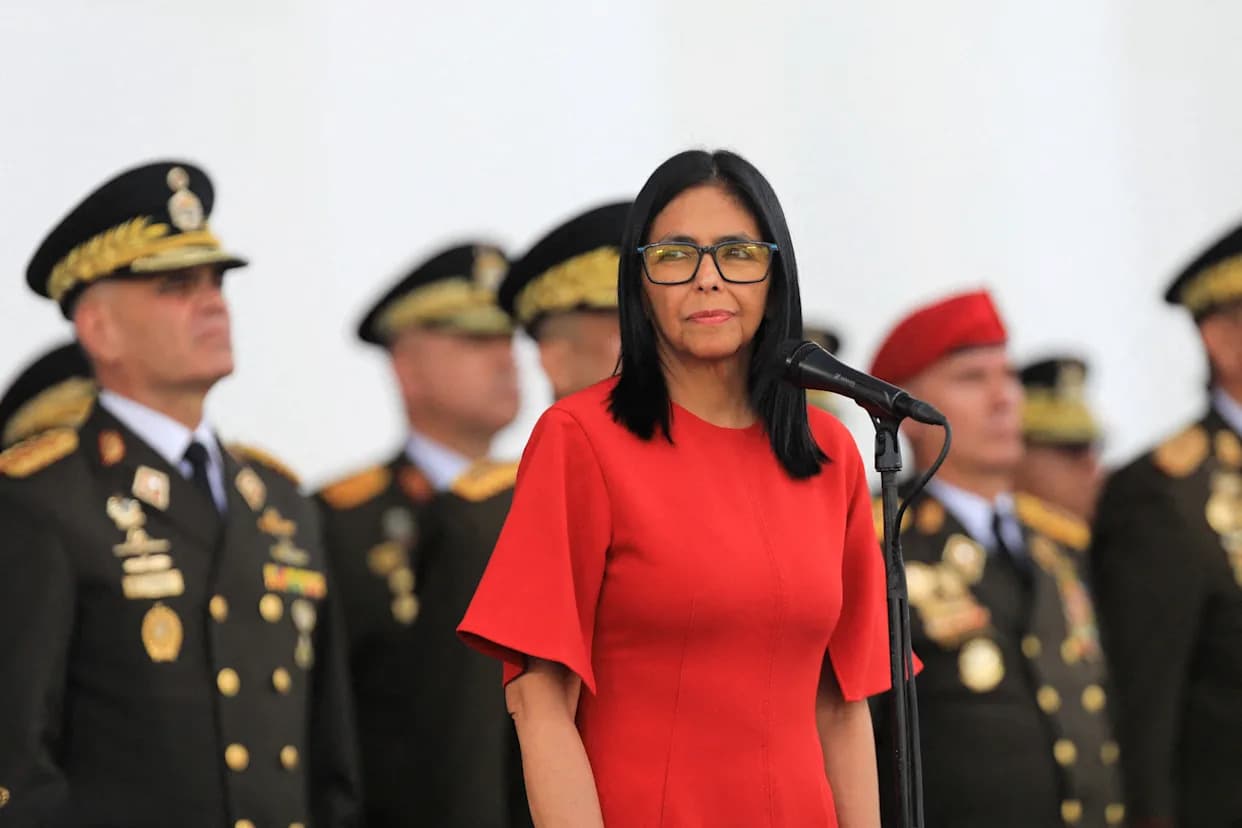
While welcoming what she described as a new chapter, Solórzano cautioned that "the transition has not yet begun" and warned it would only be secure "when there are free elections in Venezuela." She stressed that key state institutions, particularly security services, remain under the control of Maduro allies, and that Vice President Delcy Rodríguez appears to be running the day-to-day government with what Solórzano says is the apparent blessing of U.S. President Donald Trump.
Political Prisoners and International Deals
Solórzano said the first essential step toward restoring democracy is the release of hundreds of political prisoners. Rodríguez's government, under pressure from Washington, has reported freeing roughly 800 detainees — a figure activists and rights groups dispute. Solórzano also voiced concern about back-channel cooperation between Rodríguez and Trump, including announced agreements on U.S. access to Venezuelan oil and the unblocking of previously frozen funds.
"They declare every day that they talk to each other," Solórzano told AFP. "The problem is that the people of Venezuela are not part of those daily conversations. So the challenge is how the people of Venezuela can be heard."
Asked about her time away from public life, Solórzano preferred the word "shelter" over "hiding," calling it a personal matter and saying that each person experiences persecution differently.
Her return underscores both the hope and the fragility of Venezuela's next political steps: renewed public engagement by opposition leaders, but persistent concerns about who controls security forces and who is shaping negotiations over the country's future.
Help us improve.