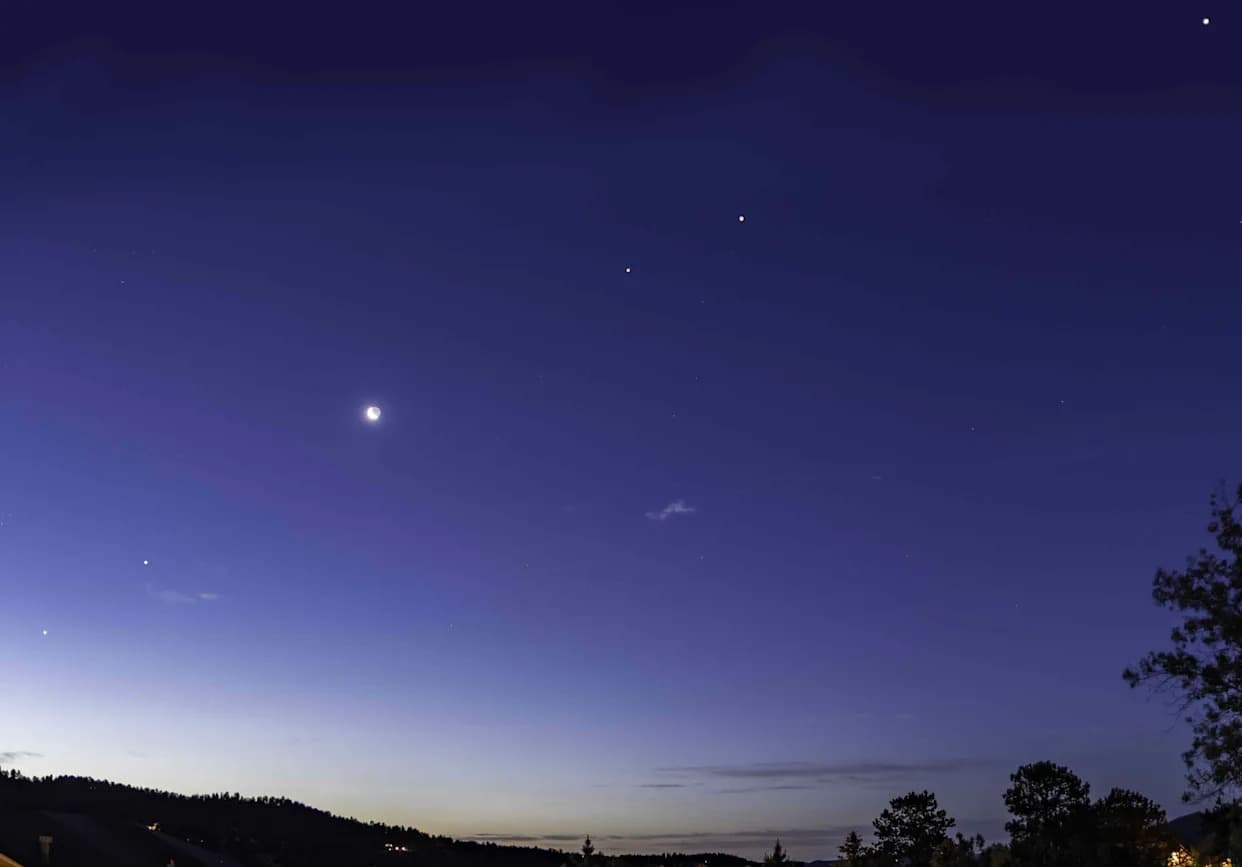
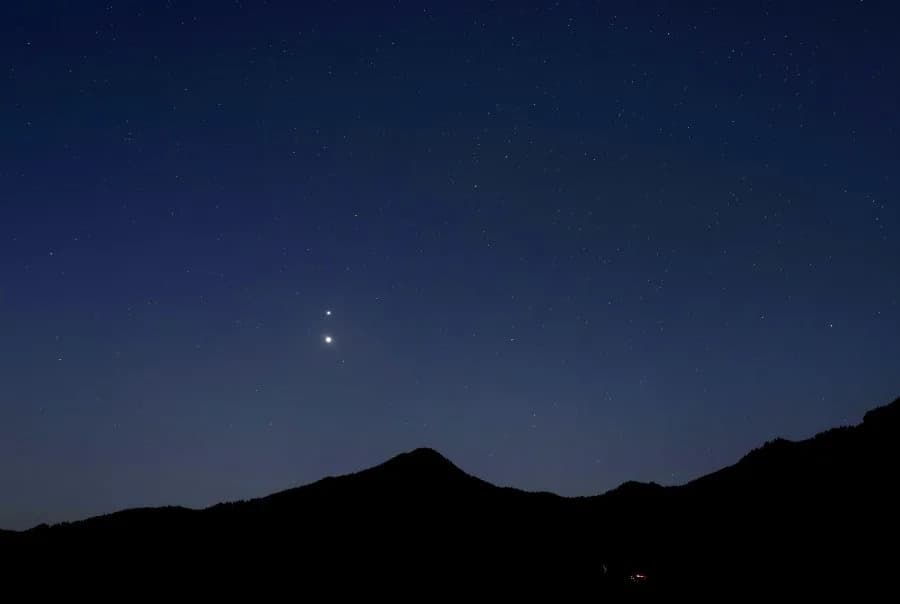
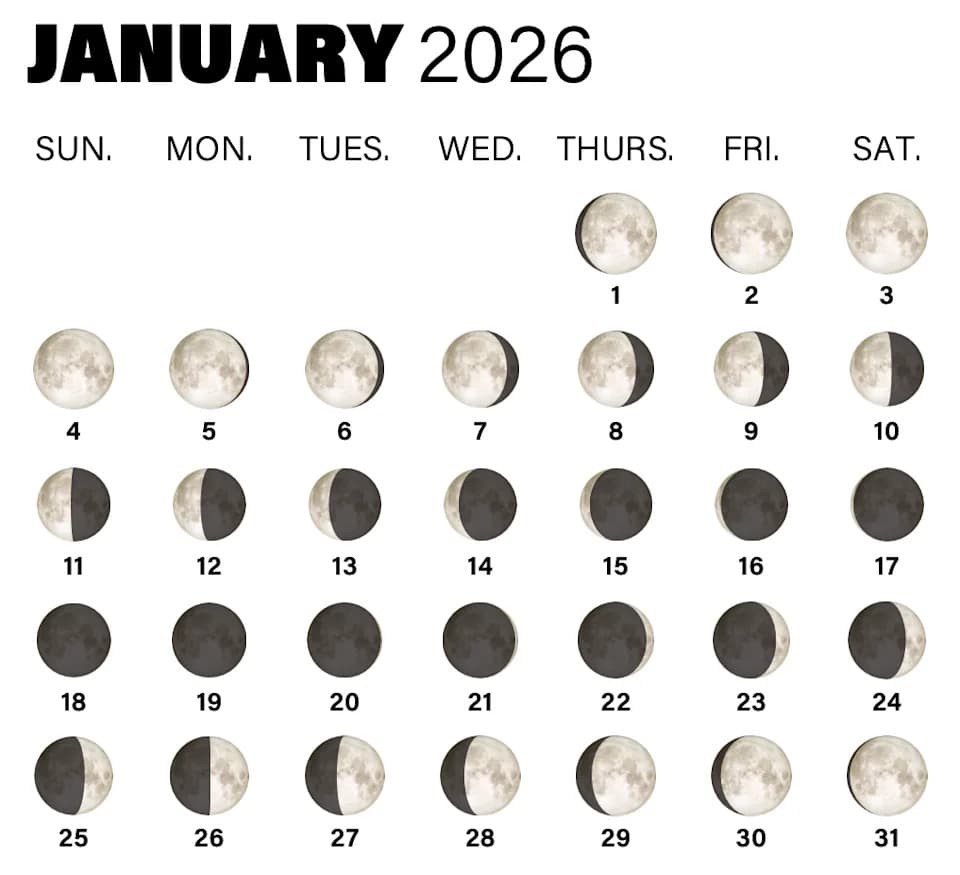
The first major planetary alignment of 2026 will occur at the end of February, when six planets and a nearly full Moon appear in the evening sky. Jupiter will be the brightest and easiest to spot high in the southern sky, while Mercury, Venus and Saturn will cluster low in the west about 45 minutes after sunset. Uranus and Neptune are too faint for the naked eye and require binoculars or a telescope. The configuration continues into early March as Mercury quickly drops out.
Six Planets and the Moon Line Up This February — How and When to See Them
AccuWeather.com
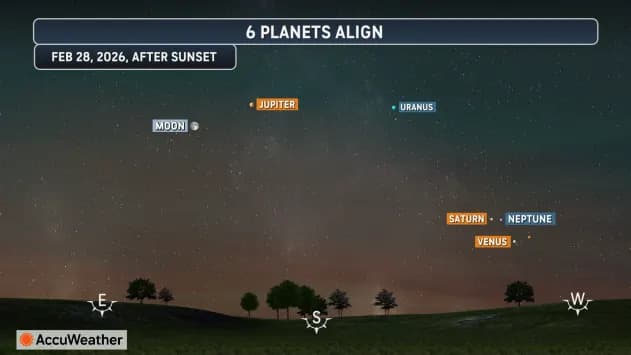
The first major planetary alignment of 2026 will appear in the evening sky at the end of February, when six planets line up with a nearly full Moon shortly after sunset. Observers with a clear western horizon should have a good chance to see the display, but atmospheric haze, light pollution, and low altitude will limit visibility for some planets.
What to Expect
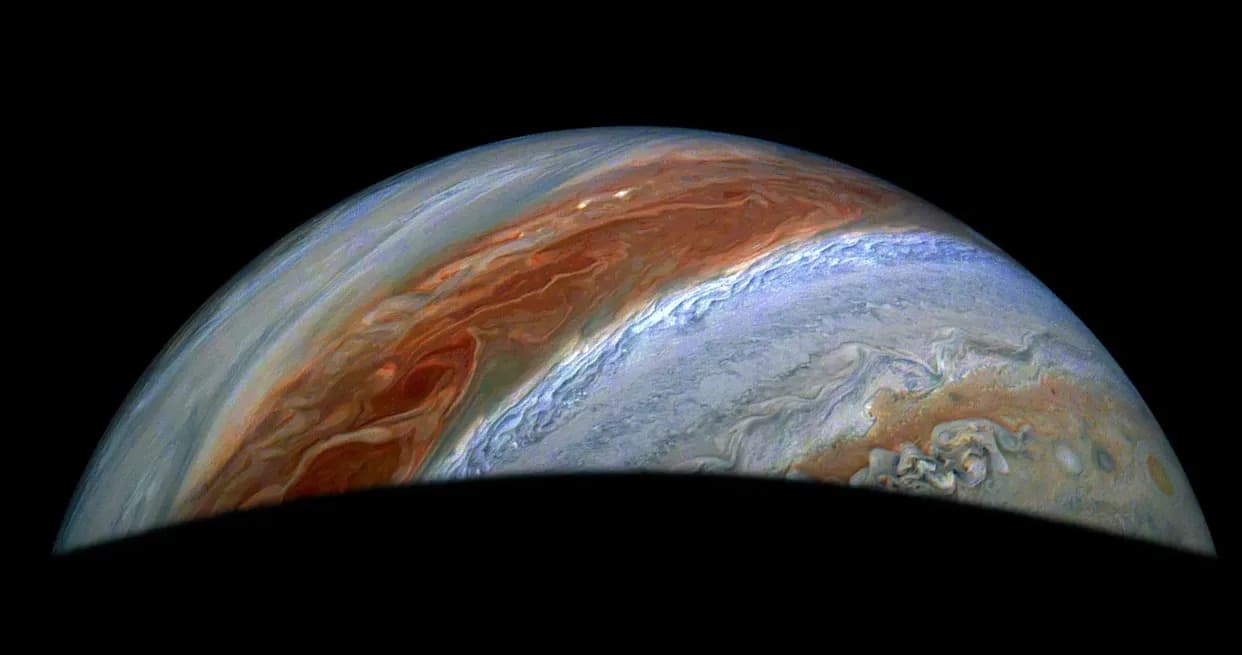
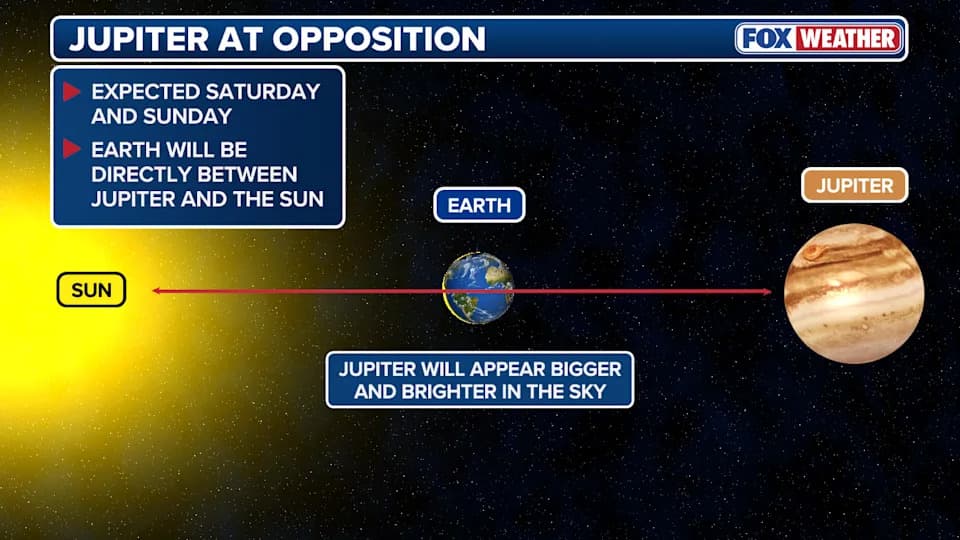
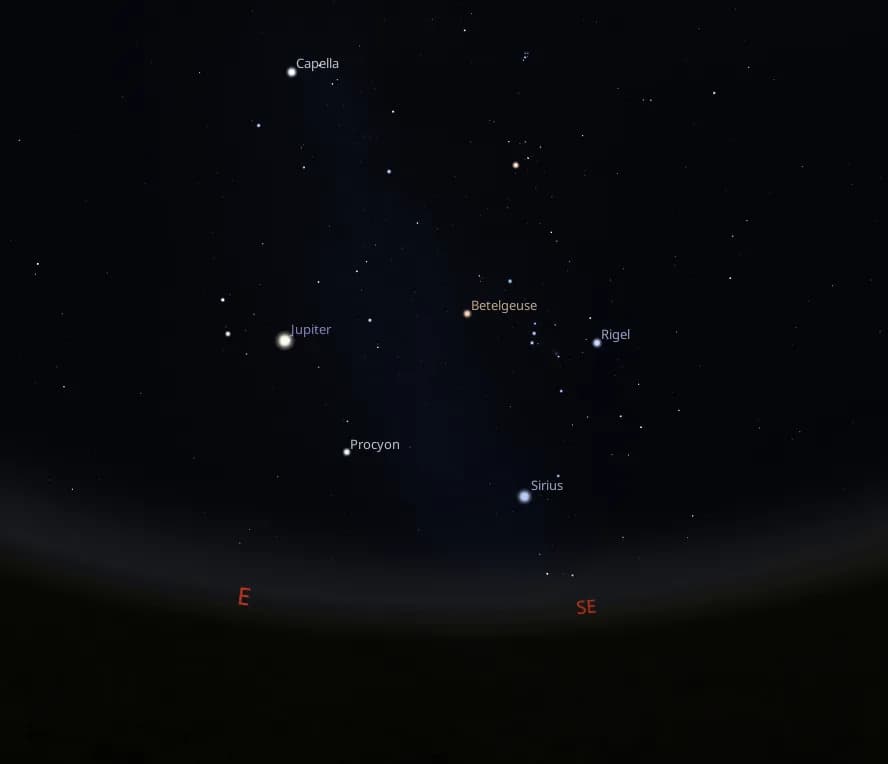
Planets visible: Mercury, Venus, Saturn, Jupiter, Uranus, and Neptune will be above the horizon shortly after sunset, accompanied by a nearly full Moon. Jupiter will be the brightest and most obvious object, high in the southern sky and not far from the Moon.
Western grouping: Lower toward the western horizon, Mercury, Venus and Saturn will cluster together. Saturn will sit highest of that group and should be the easiest of the three to pick out. Venus and Mercury will appear close to one another but may become difficult to see once the sky grows fully dark.
Best Time and Tools
The best viewing window for the western group is roughly 45 minutes after sunset, before those planets sink too low. Uranus and Neptune are too faint for the unaided eye; binoculars or a small telescope are recommended to locate them. A clear, unobstructed view of the western horizon and low light pollution will greatly improve your chances.
How Long It Lasts
The alignment will remain visible into the first nights of March, though Mercury will quickly drop away as it swings closer to the Sun from Earth’s perspective.
Tips for Observers
- Find a site with a clear west-southwest horizon and minimal light pollution.
- Bring binoculars to help locate faint Uranus and Neptune and to confirm the positions of Mercury and Venus.
- Use a stargazing app or a planetarium program to identify each planet and time your viewing for roughly 45 minutes after sunset.
- Dress for the evening and allow your eyes 15–20 minutes to adjust to the dark.
Help us improve.