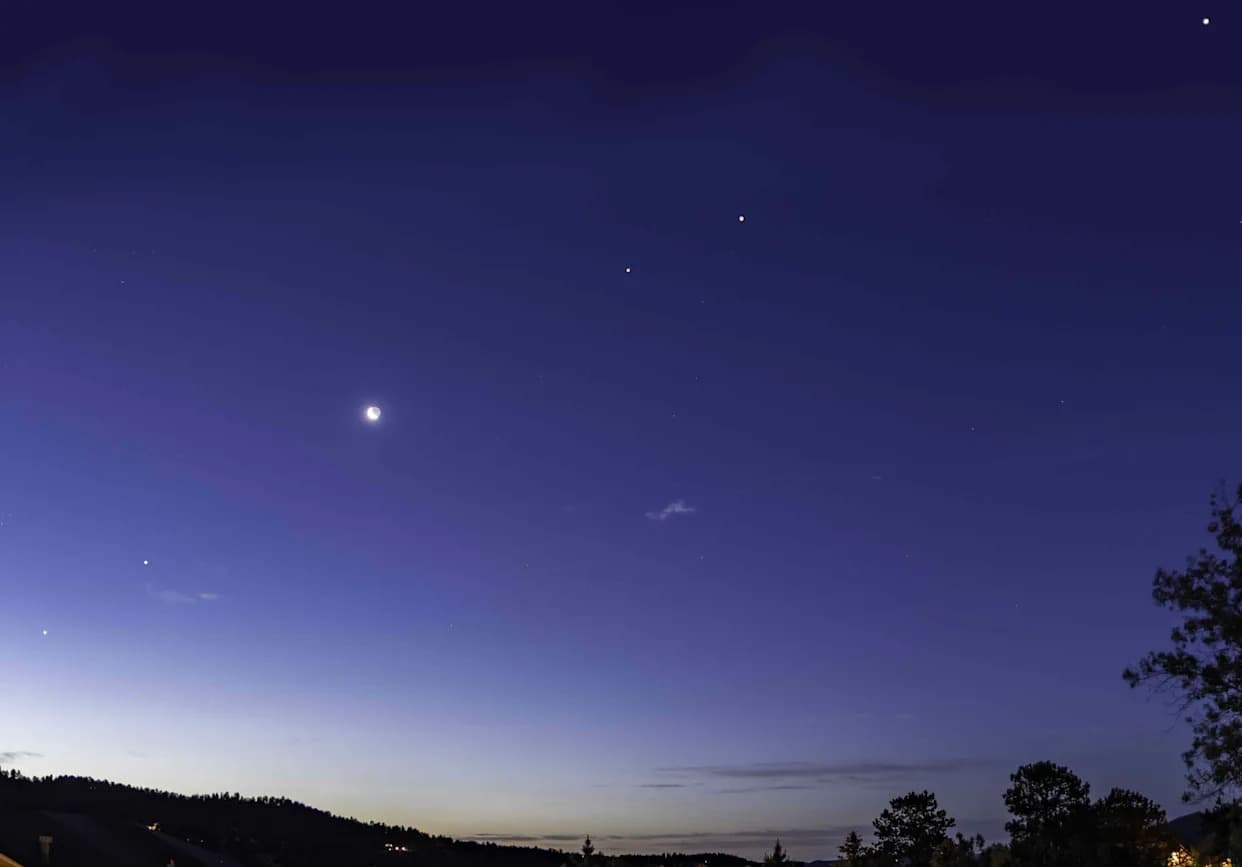
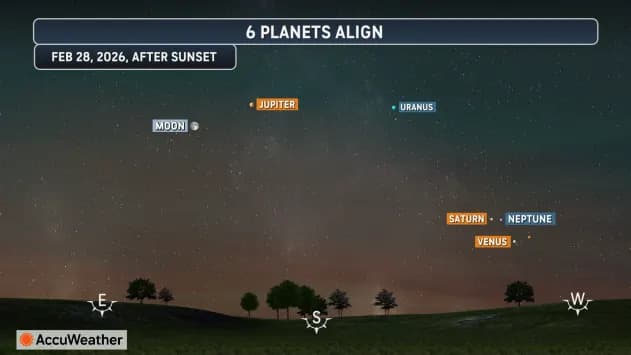
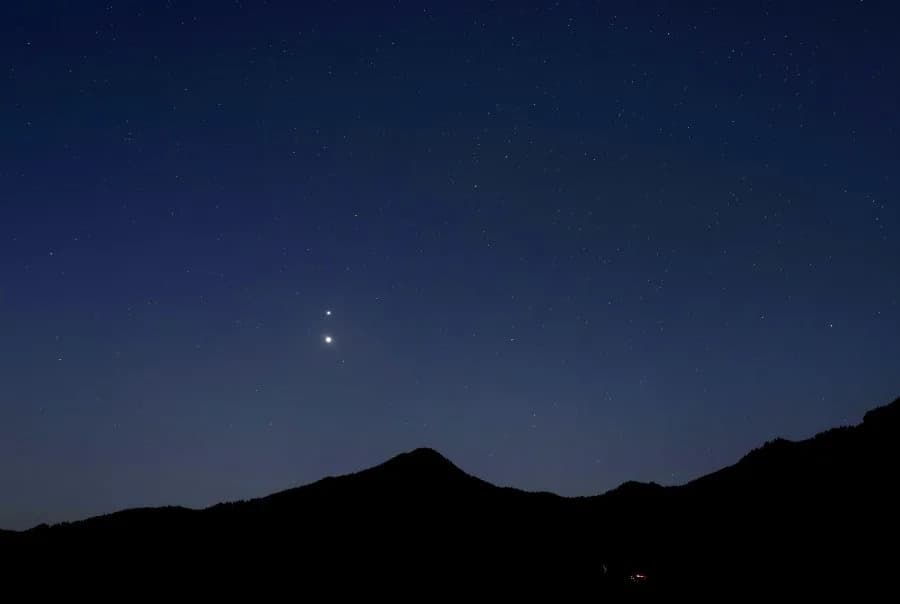
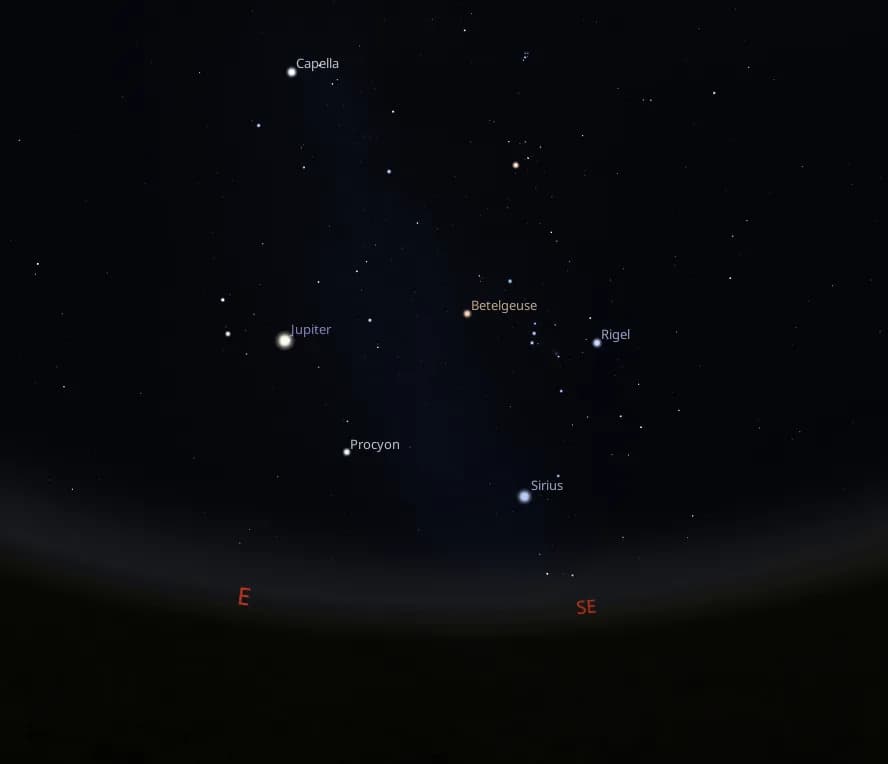
February offers a rare planetary parade: Mercury, Venus, Jupiter, Saturn, Uranus and Neptune will appear together in the western sky. Mercury, Venus, Jupiter and Saturn are visible to the naked eye; Uranus needs binoculars and Neptune requires a telescope. The best single night to view the full grouping is Feb. 28, though the near‑full moon that night may make the faintest planets harder to spot. Bring binoculars or a telescope, consult a sky app, and pick a clear western horizon for the best view.
How to See a Rare Six‑Planet Parade This February — Best Nights & Viewing Tips
The Best Moments to See Rare 6-Planet Parade Across February
Get ready for an unusually crowded sky this February: six of the Sun’s planets will appear together along the same stretch of sky, offering a delightful sight for backyard stargazers.
What You’ll See
Mercury, Venus, Jupiter, Saturn, Uranus and Neptune will all be visible over the coming weeks. Mars is notably absent from this lineup because of where it currently sits in its orbit.
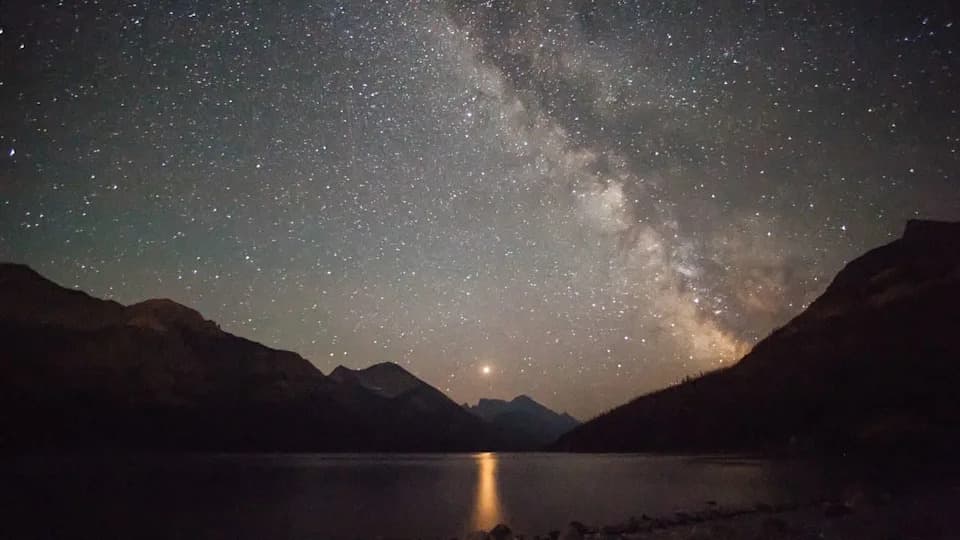
People stargazing at night.
“While smaller groupings of 2–5 planets are more common, parades of six or seven planets are much rarer, occurring only once every few decades,” said Dr. Voula Saridakis, Griffin MSI Head Curator and NASA Solar System Ambassador, in remarks to SYFY Wire. “Some of those planets will even be visible to the naked eye!”
When And Where To Look
For the best chance to see the grouping, look toward the western sky shortly after sunset. Mercury, Venus and Saturn are the easiest to spot with the unaided eye when the skies are clear and light pollution is low. Uranus is faint but reachable with binoculars; Neptune is the dimmest of the six and will require a telescope and a steady sky to pick out.
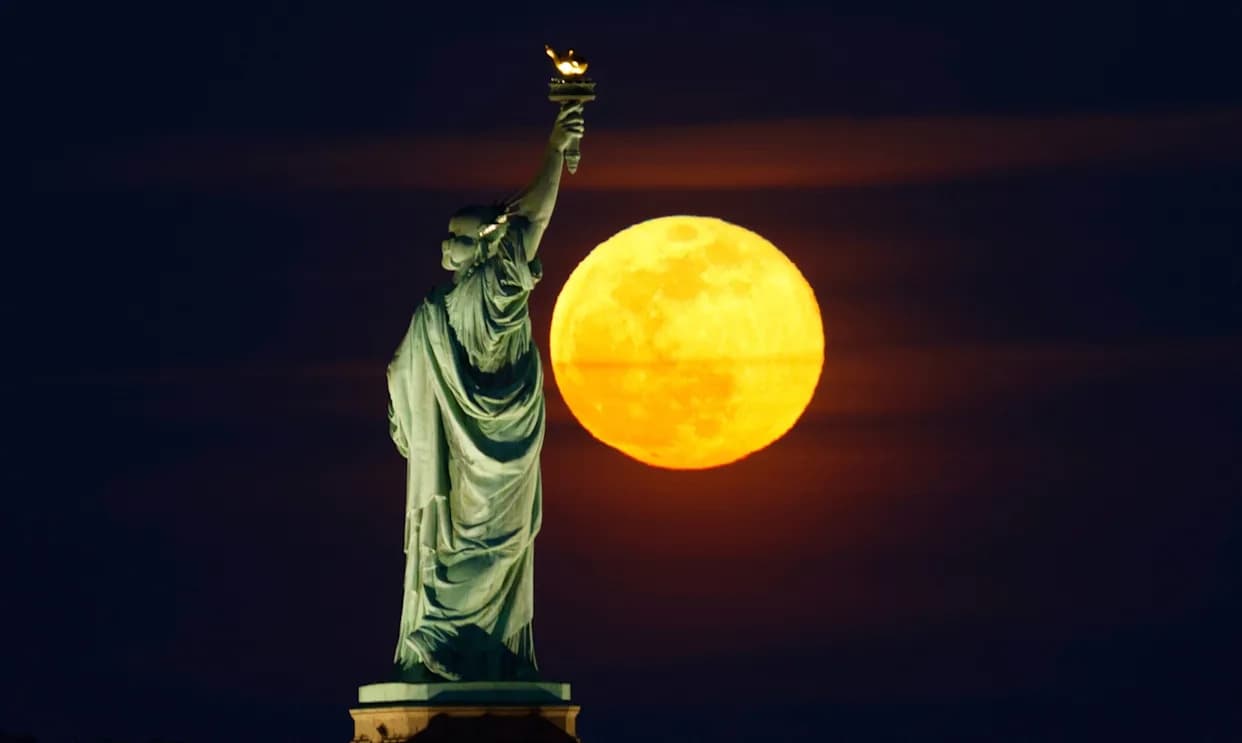
The single best night to view the full group is Feb. 28, when a near‑full moon will be present. That moon makes for a photogenic scene and helps orient observers, but be aware that bright moonlight can reduce contrast and make the faintest planets (especially Neptune) harder to detect through small telescopes.
Quick Viewing Tips
- Start just after sunset: Planets will line up low in the western sky; bring binoculars if you have them.
- Use a star chart or astronomy app: These tools will help you distinguish planets from stars and find faint targets like Uranus and Neptune.
- Pick a dark, unobstructed horizon: Buildings and trees can block the low-western skyline where the parade appears.
- Check the Moon tradeoff: A near‑full moon on Feb. 28 makes the scene spectacular for photos but can wash out faint objects.
“A planet parade turns the invisible orbits of planets into something we can see,” Saridakis added. “It’s a great excuse to bring binoculars or a telescope — or simply use your own eyes — and enjoy a beautiful celestial event.”
With clear skies, a little planning and the right gear, you can enjoy one of those rare moments when the solar system puts on a show for Earth.
Help us improve.