The House narrowly approved a reworked spending measure that ended a three-day, partial government shutdown after a tense fight over the procedural "rule." The rule was adopted 217-215 and the bill passed 217-214 after 21 Democrats voted to reopen the government and 21 Republicans opposed the measure. While roughly 96% of federal agencies are funded, about 4% — mainly the Department of Homeland Security — remains unresolved, with a potential DHS-only shutdown looming around Feb. 13–14 over disputes on ICE-related reforms and measures like the SAVE Act. Lawmakers on both sides warn the compressed timeline makes a deal difficult but not impossible.
Valentine’s Day Deadline: House Narrows Votes to End Short Shutdown, DHS Funding Remains Unresolved
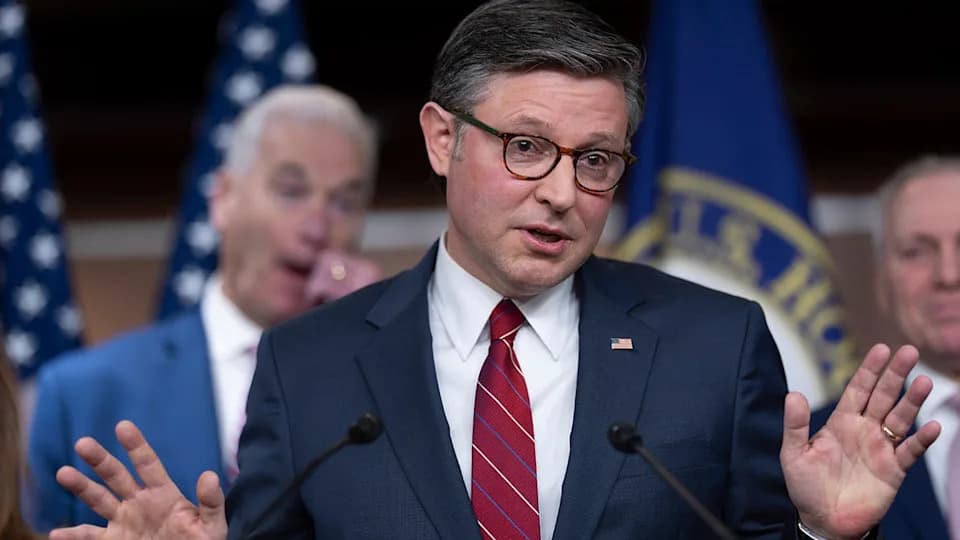
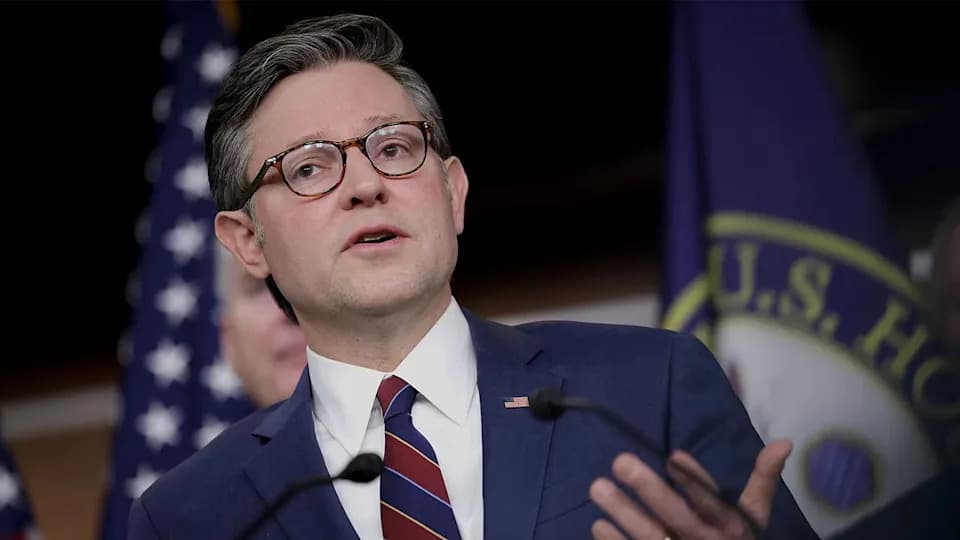
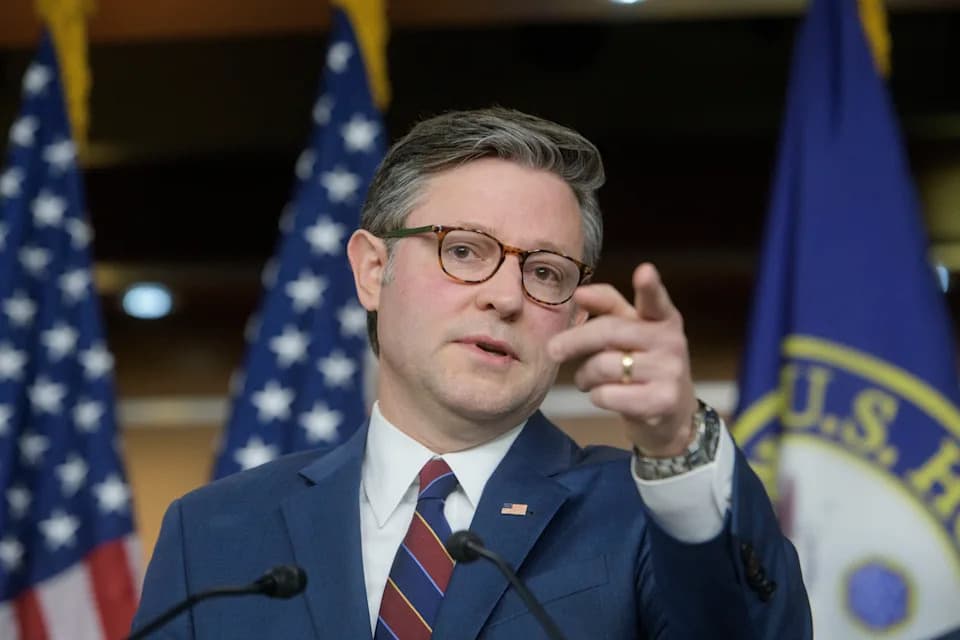
"We’ll have the votes," Speaker of the House Mike Johnson, R-La., assured in the leadup to a vote to end a partial government shutdown.(AP Images)
House Speaker Mike Johnson, R-La., declared "We'll have the votes" as the House moved Tuesday morning to pass a reworked spending package that ended a three-day, partial government shutdown. His prediction proved correct, but the path to passage was narrow and dramatic — underscoring continuing fractures within the GOP and a looming standoff over Department of Homeland Security (DHS) funding.
Why It Was Close: With Republicans holding a 218-214 majority, even one defection could imperil party plans. A routine procedural motion known as the "rule" — which sets debate terms for the spending measure — turned into a high-stakes contest when conservative holdouts and a handful of unrecorded votes left the outcome uncertain.
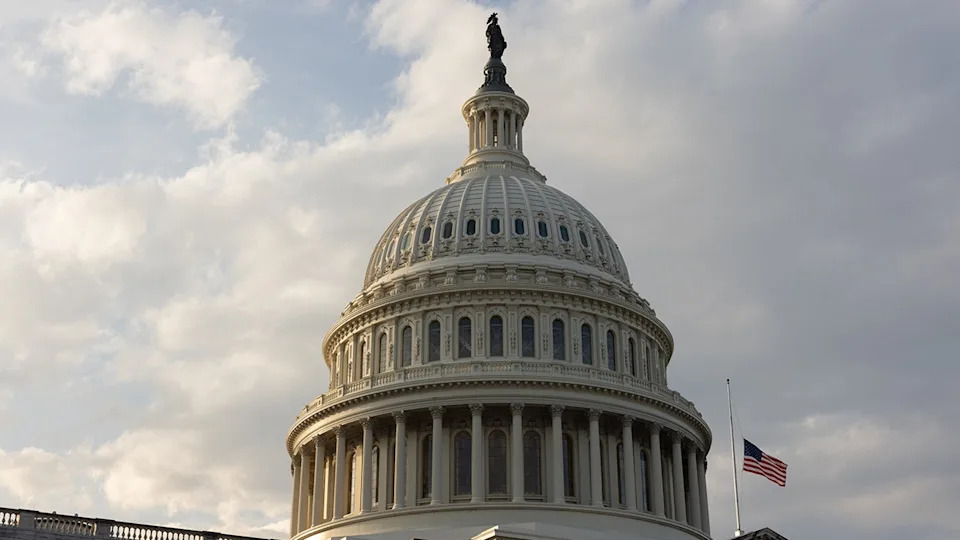
With Republicans holding an incredibly slim House majority, there exists little room for defection.
Rep. Thomas Massie (R-Ky.) and Rep. John Rose (R-Tenn.) initially voted against the rule. Leadership scrambled as four Republicans were unrecorded — Reps. Andy Ogles (R-Tenn.), Byron Donalds (R-Fla.), Troy Nehls (R-Texas) and Victoria Spartz (R-Ind.). After negotiations and last-minute changes on the floor, several Republicans switched to yes; the rule was adopted 217-215, with Massie the lone GOP no.
The underlying spending bill also squeaked through the House, passing 217-214. Twenty-one Republicans voted against the bill while 21 Democrats crossed the aisle to vote to reopen most government operations — a combination that made the narrow margin of victory possible.
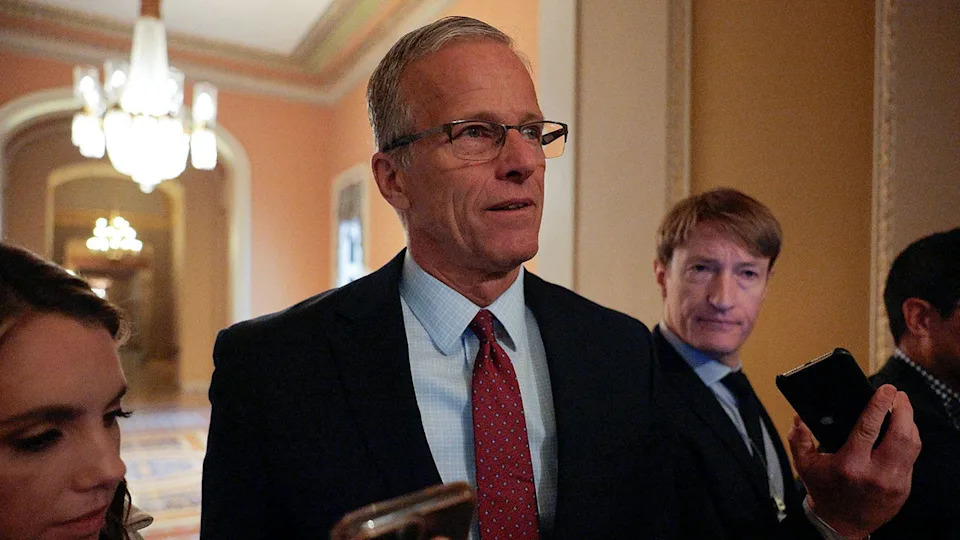
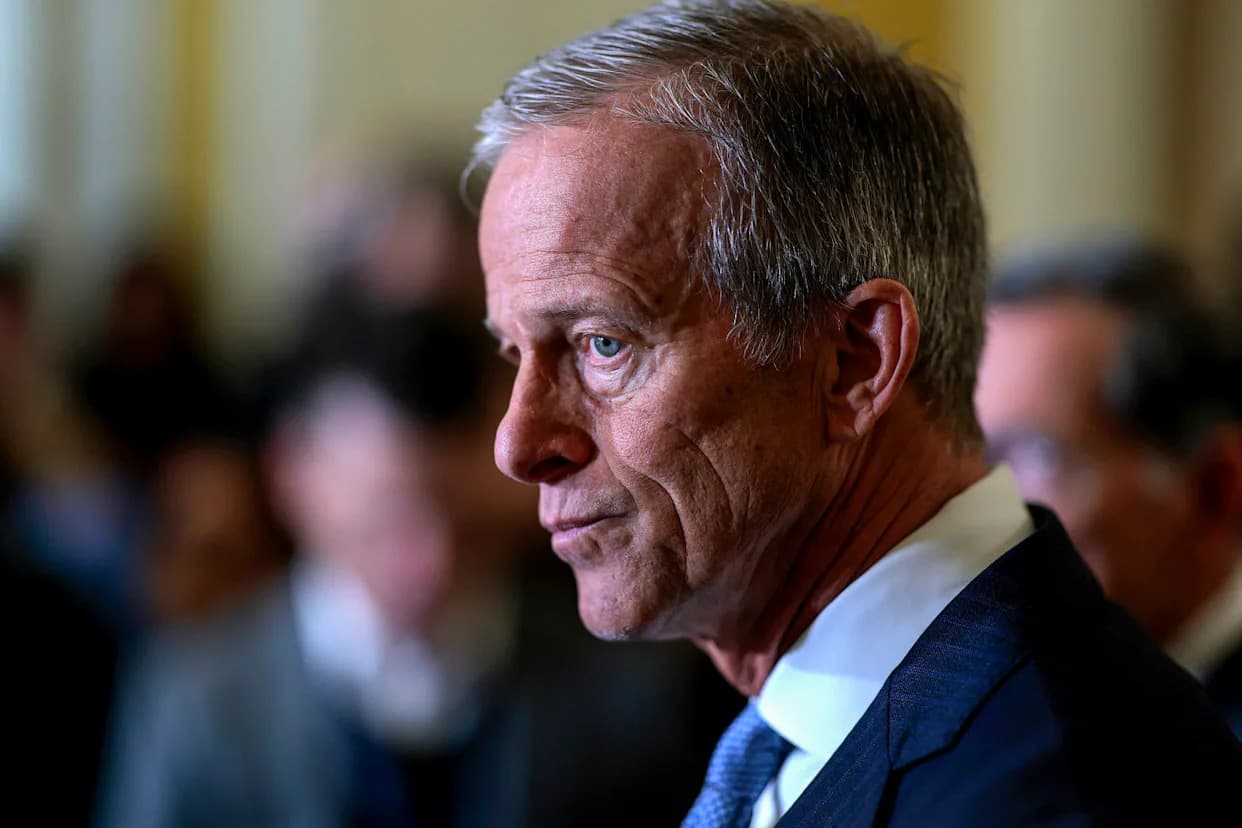
Senate Majority Leader John Thune, R-S.D., touted the "win" that is fully funding 96% of the federal government.
What’s Still Unresolved: DHS Funding
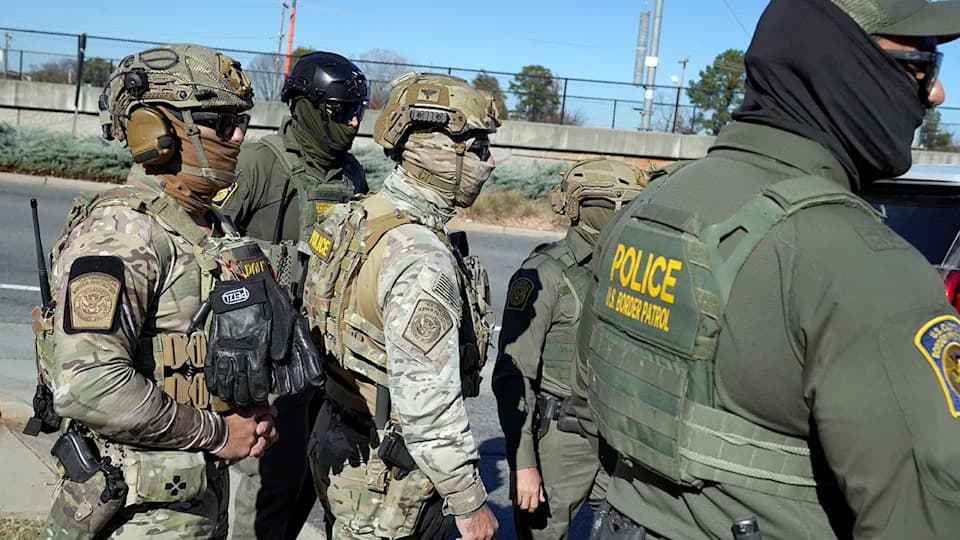
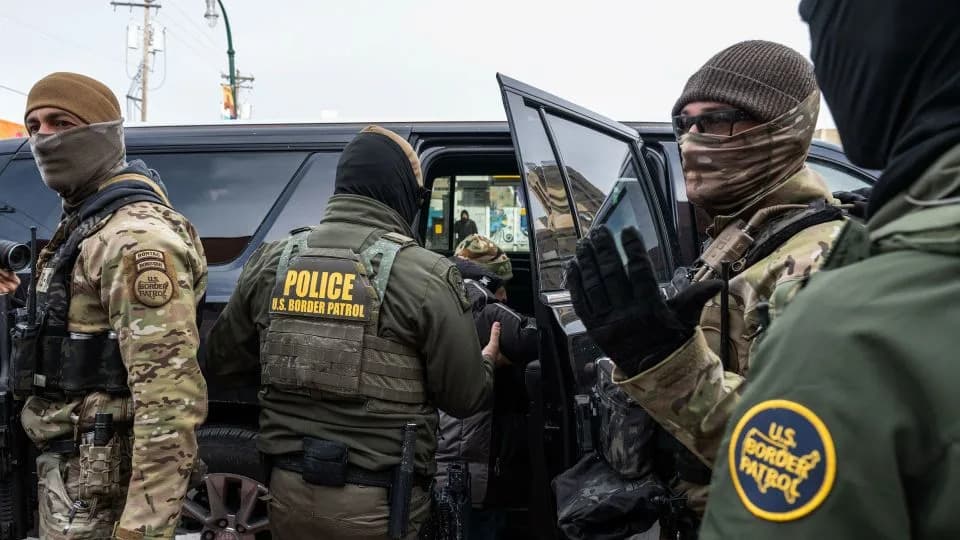
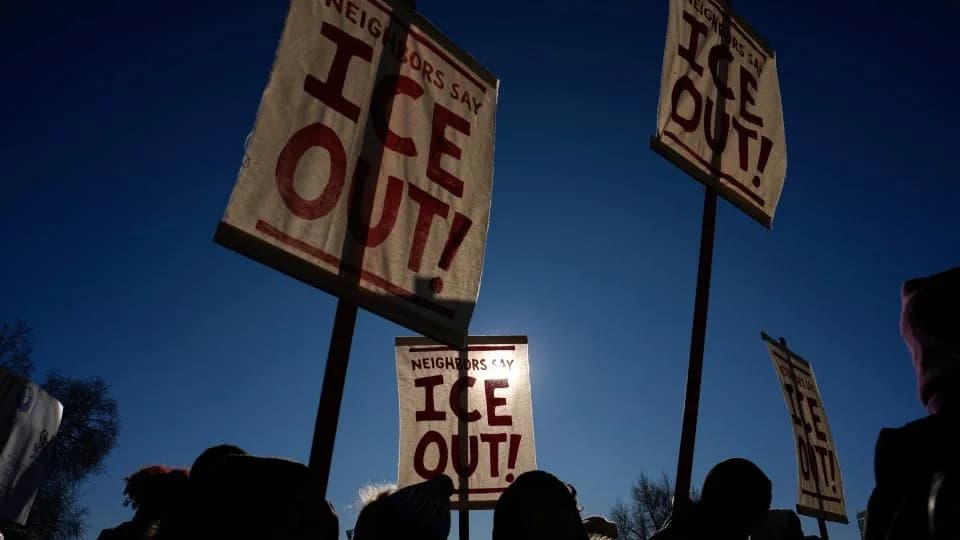
Senate Majority Leader John Thune noted that the package funds roughly 96% of the federal government, leaving about 4% — primarily DHS — unsettled. Lawmakers are now racing to reach an agreement on DHS appropriations before a mid-February deadline tied to Valentine’s Day. Democrats are demanding policy changes related to Immigration and Customs Enforcement (ICE), while some Republicans seek provisions such as the SAVE Act (a voter ID measure) or limits on sanctuary cities.
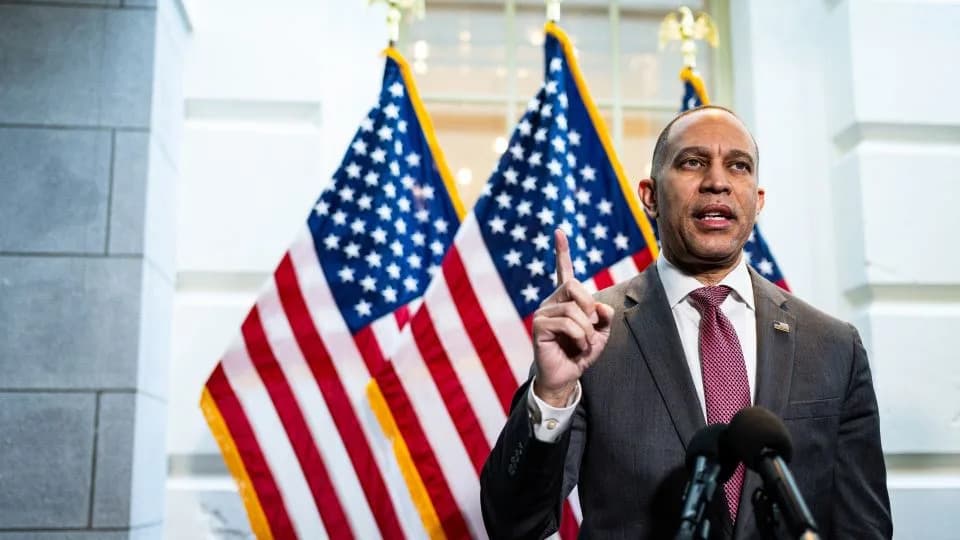
Speaker Johnson accused Democrats of playing politics, warning that efforts to keep other agencies closed in protest would be "a fool's errand." House Minority Leader Hakeem Jeffries reiterated a firm stance against a year-long continuing resolution for DHS and emphasized the February 13 deadline.
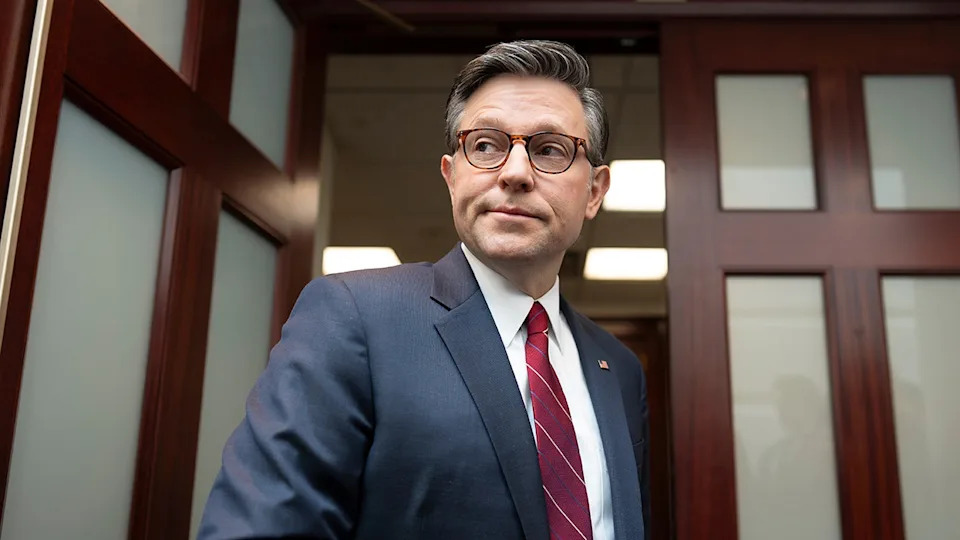
Johnson called any attempts to keep other government agencies closed a "fool's errand," accusing Democratic colleagues of playing a "dangerous game."
Potential Impacts: A DHS-only lapse would be targeted but consequential. It could affect pay timing for Transportation Security Administration (TSA) employees, increase uncertainty for ICE operations, and create operational disruption at the department even if many functions remain funded through other measures. Members representing DHS workers urged caution; Rep. Ed Case (D-Hawaii) said staff would ultimately be paid but warned of ongoing uncertainty until the dispute is settled.
Political and Procedural Takeaways
The episode highlights two persistent pressures on Congress: a narrow House majority that makes every procedural vote precarious, and partisan policy fights that can turn routine steps into showdowns. Negotiators face a compressed timeline: Democrats plan to publish concrete demands, and Republicans have their own list of priorities. Key lawmakers such as Rep. Rosa DeLauro (D-Conn.) urged that a deal is possible if there is political will, but many leaders cautioned the deadline leaves little margin for error.
"We have fully 96% of the federal government funded. So that's a — that's a good win," said Sen. John Thune, summarizing the partial victory while underscoring the remaining DHS impasse.
For now, Congress has reopened most federal operations — but members must immediately pivot to the more delicate DHS negotiations. With only days on the clock before Valentine’s Day, lawmakers will have to move quickly or risk a DHS-only shutdown that would create fresh uncertainty for key security and immigration functions.
Help us improve.