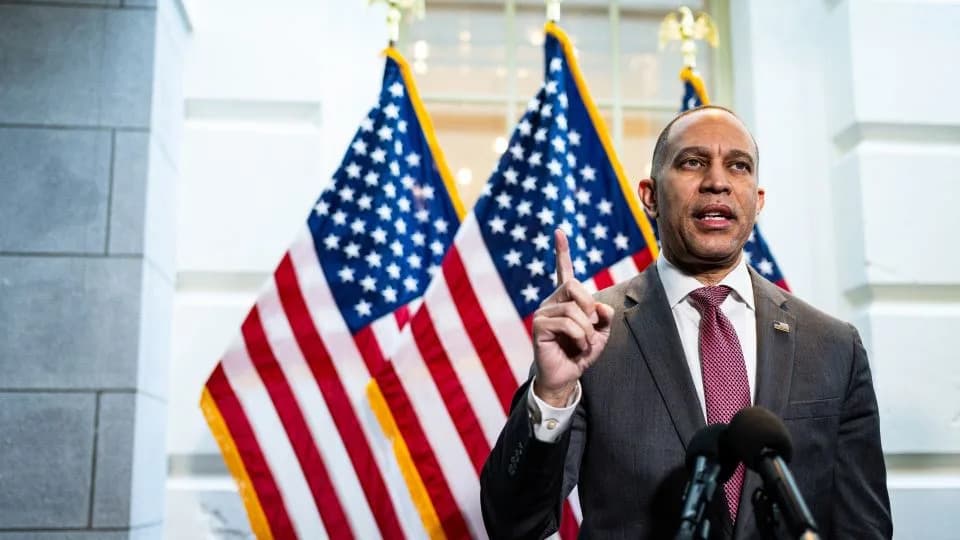
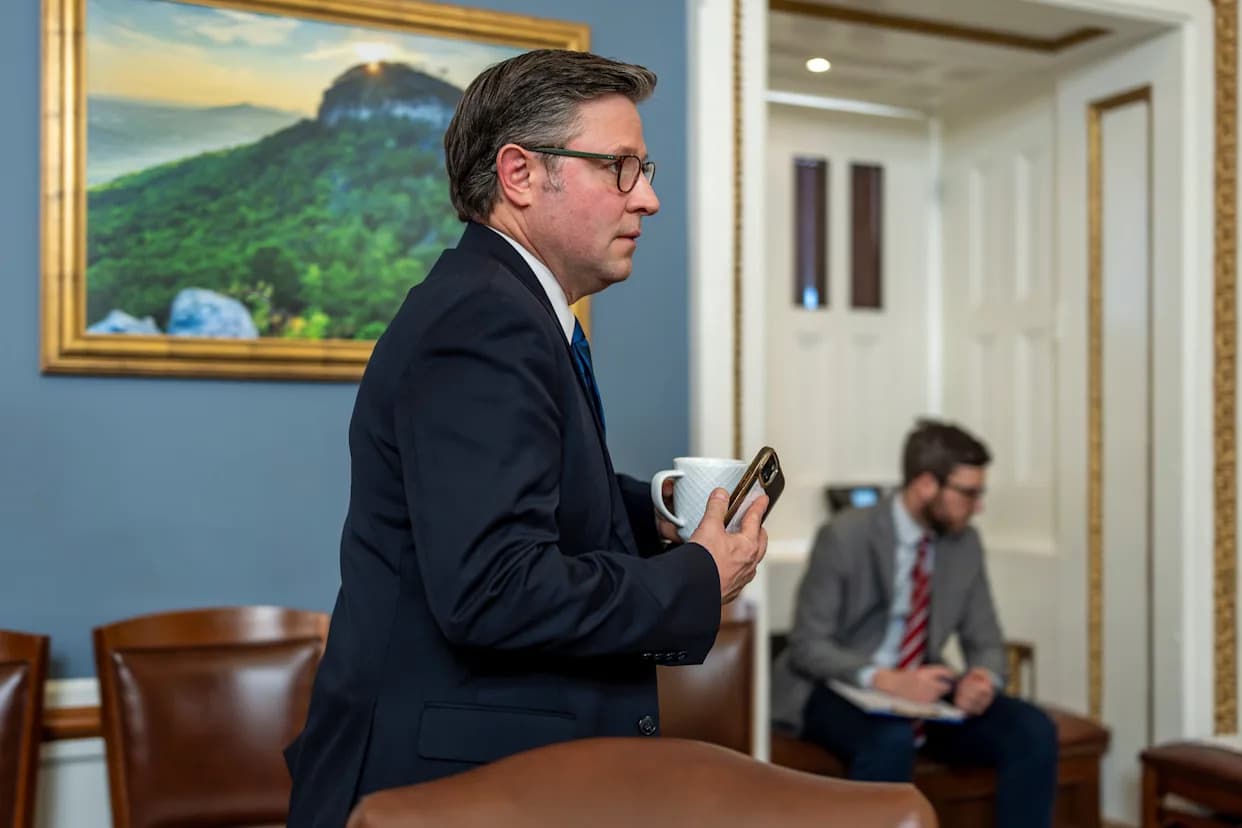
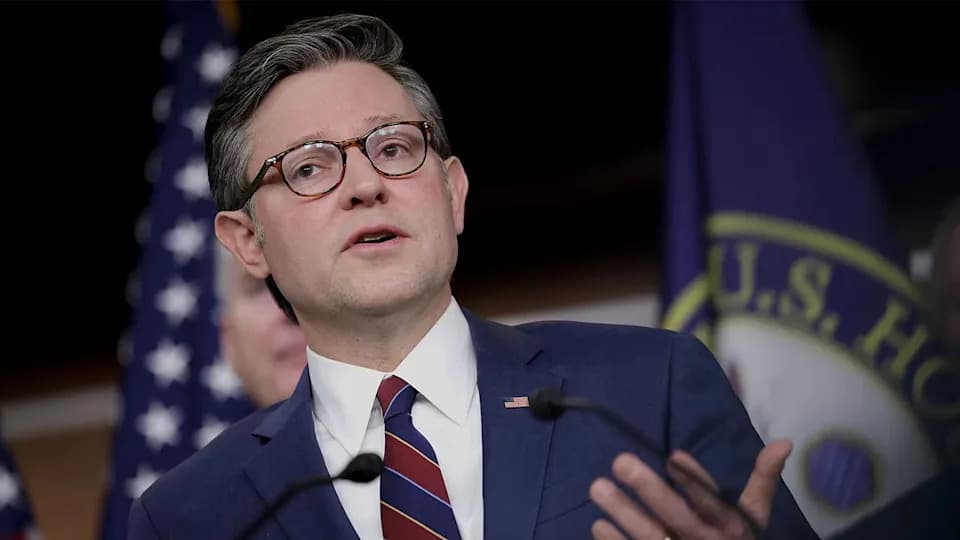
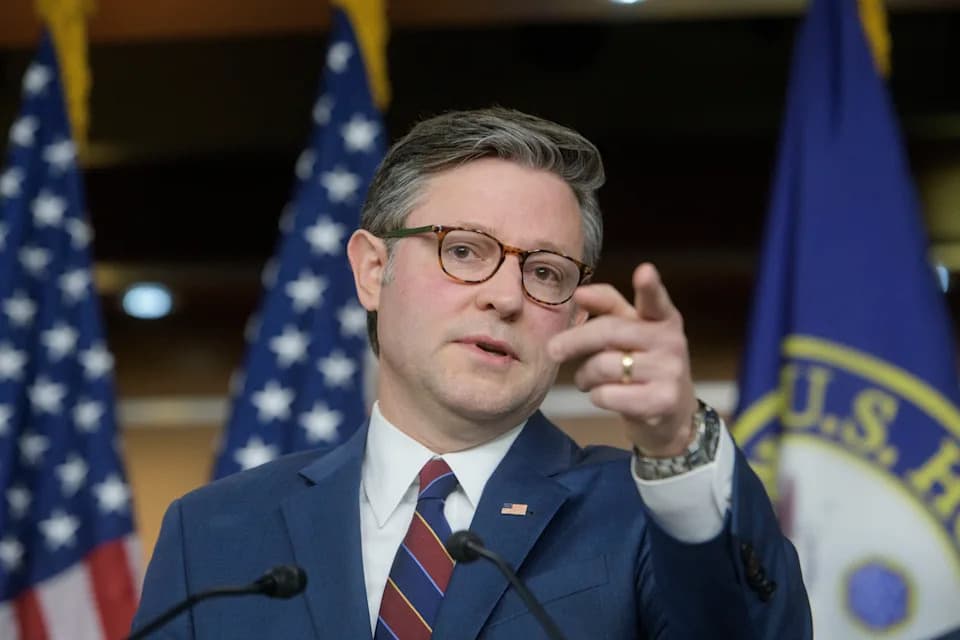
The House narrowly approved a Senate-brokered package Tuesday that ends a brief partial government shutdown but leaves DHS funding on a short extension. Speaker Mike Johnson is operating with an extremely thin GOP majority after Rep. Christian Menefee was sworn in, making votes razor-close. Democrats, led by Hakeem Jeffries, largely declined to provide the procedural support Johnson expected, though 21 Democrats did vote with Republicans to pass the bill.
House Narrowly Ends Partial Shutdown; DHS Funding Deferred As Democrats Resist Helping Speaker Mike Johnson

Democrats are tired of bailing out Mike Johnson
A short-lived partial government shutdown ended Tuesday after the House approved a Senate-brokered compromise that funds most federal agencies for the remainder of the year but leaves the Department of Homeland Security (DHS) covered only by a brief extension. The close final vote underscored how precariously Speaker Mike Johnson, R-La., is navigating a razor-thin Republican majority and highlighted how little consistent support he can expect from House Democrats as attention turns to immigration policy.
Tight Margins, High Stakes
With the Monday swearing-in of Texas Democrat Rep. Christian Menefee and two Republican-held seats vacant, Republicans now have just a one-vote advantage in the chamber. As colleague Steve Benen explained, a single Republican defection could flip a 217-215 result; two defections would produce a 216-216 tie, which in the House counts as a failed vote. That fragile math makes most partisan measures perilously close to collapse at any moment.
Why DHS Became The Sticking Point
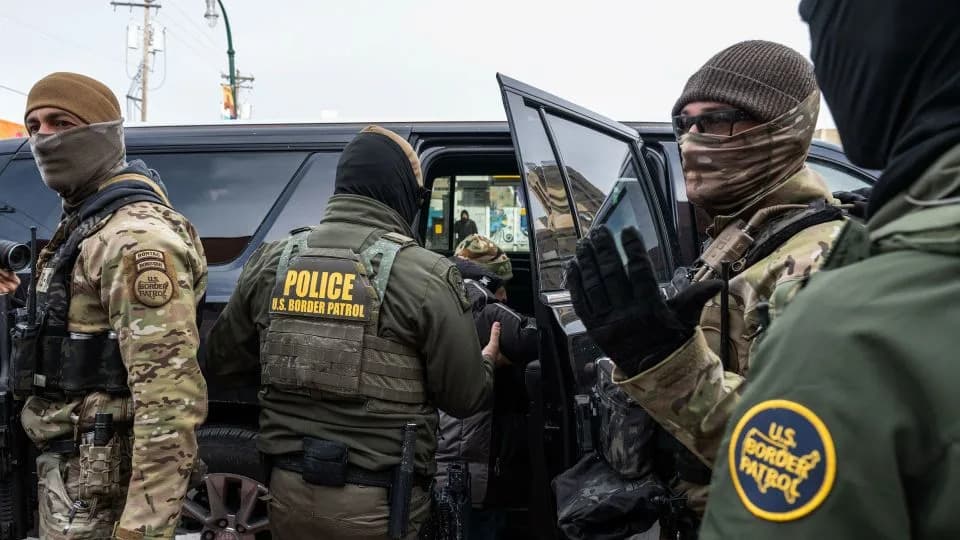
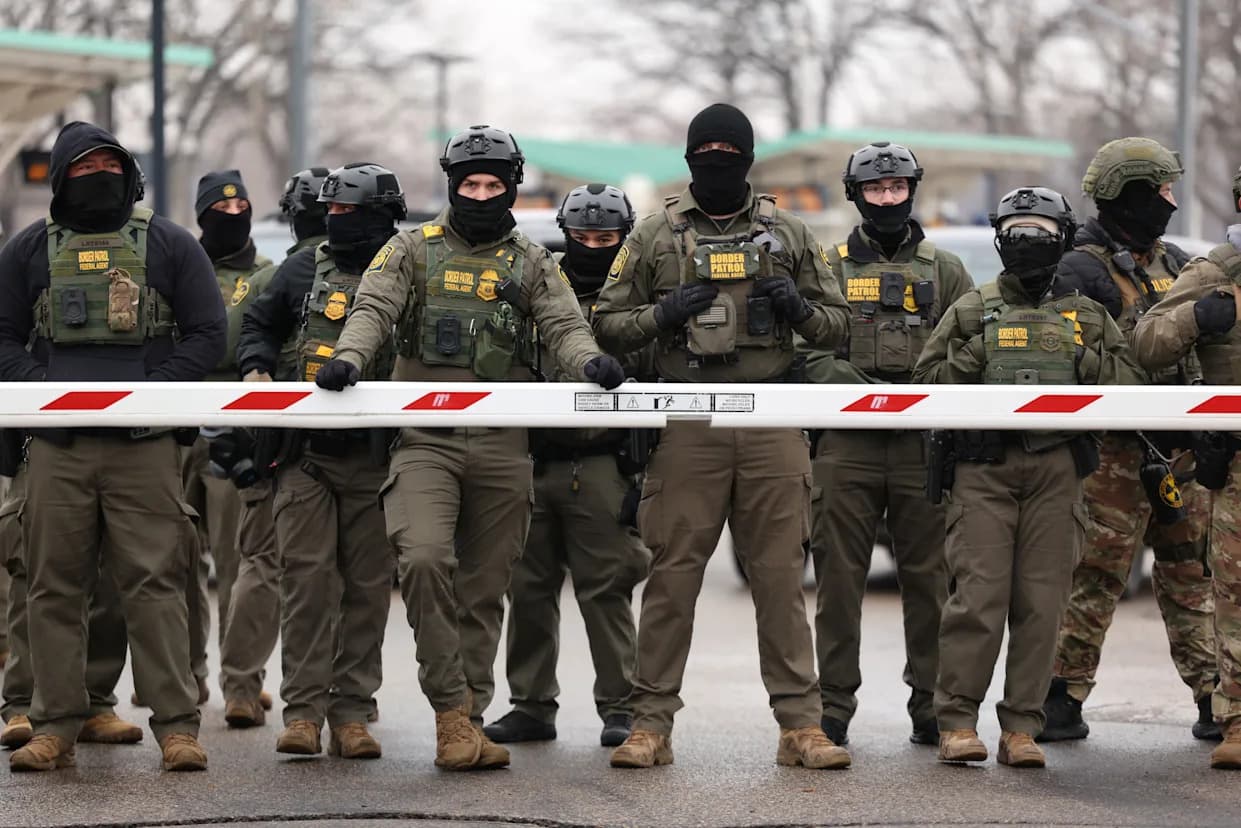
The Senate-amended spending package should, in principle, have mustered bipartisan backing. Appropriators from both chambers had negotiated funding for major agencies, including the Pentagon and Health and Human Services. But the DHS spending bill became a breakdown point for many Democrats after federal officers were involved in the killing of Alex Pretti in Minnesota late last month, making DHS funding politically sensitive for Democratic members.
Deals, Procedure And Miscalculations
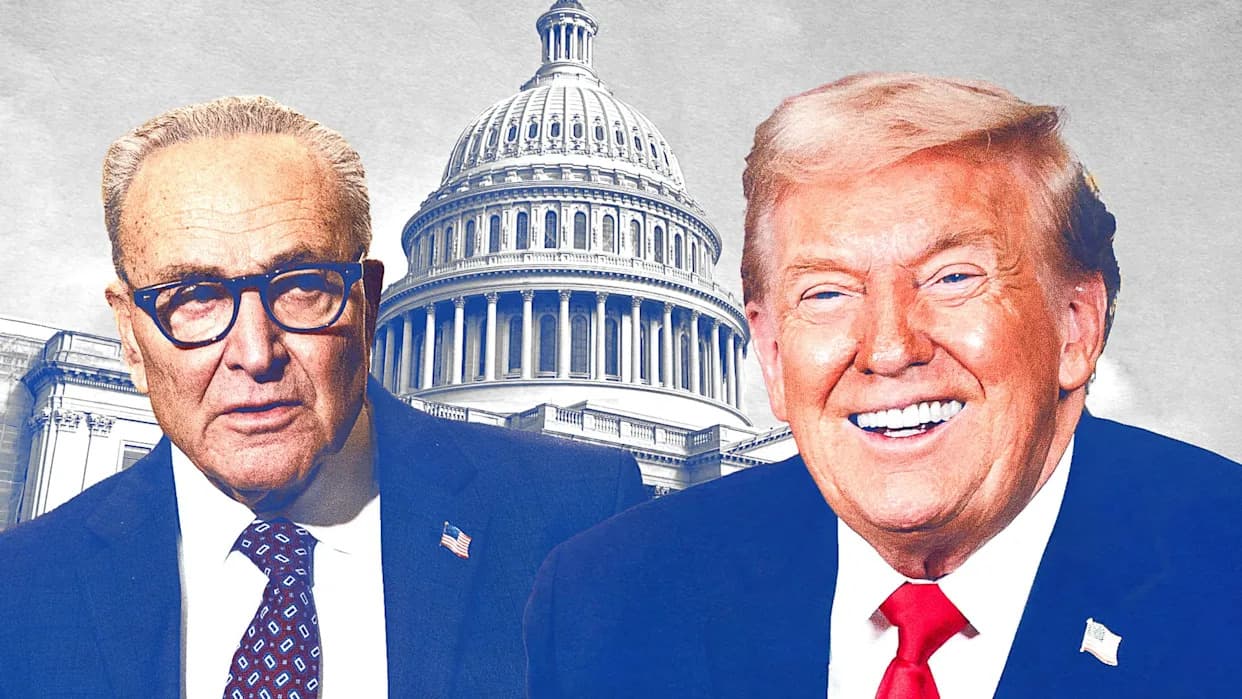
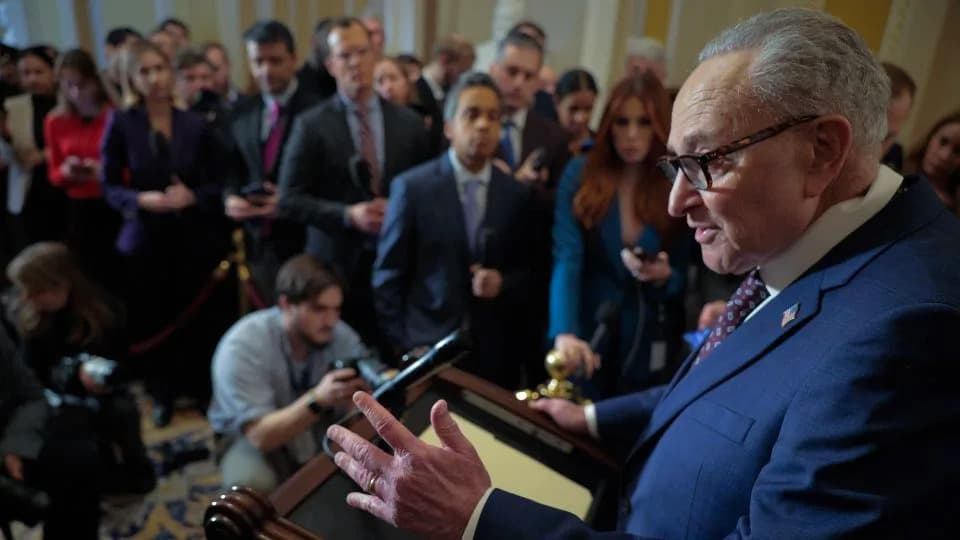
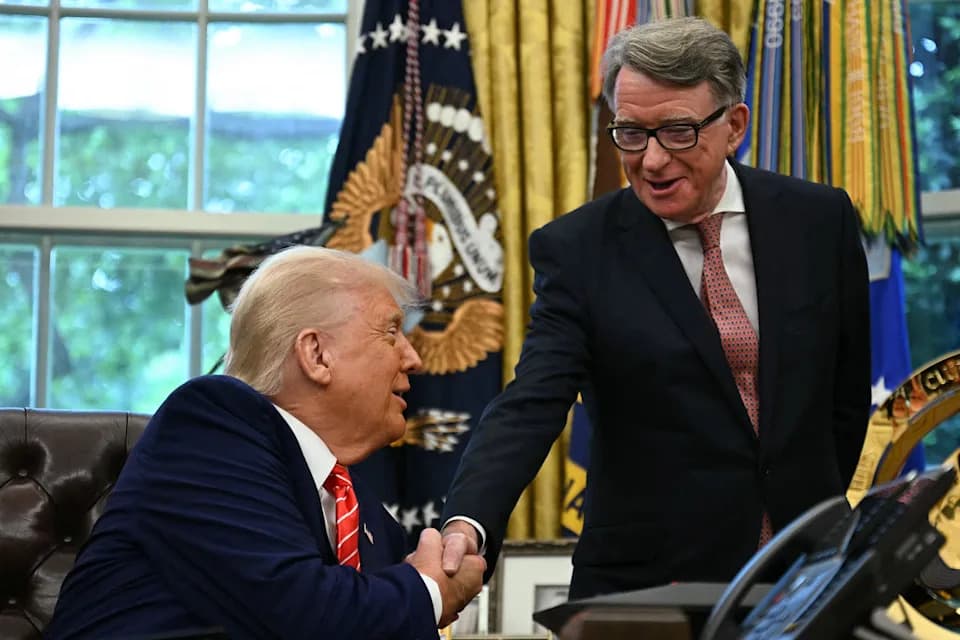
An agreement between President Donald Trump and Senate Minority Leader Chuck Schumer, D-N.Y., paved the way to pass most of the bills while adding a two-week extension for DHS. The deal upset some House Republicans who viewed it as a concession on immigration enforcement, and Axios reported that Trump intervened to help Johnson corral votes ahead of a major procedural hurdle.
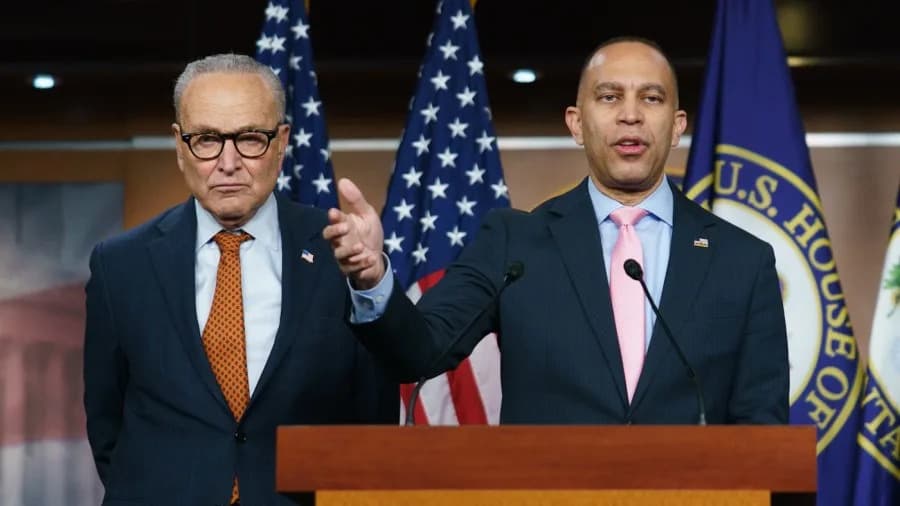
Johnson initially hoped to advance the package under a suspension of the rules — a fast-track procedure that typically requires tacit minority cooperation. According to reporting by Politico, Johnson misjudged Minority Leader Hakeem Jeffries and assumed Democratic acquiescence. Jeffries later told Johnson that Democratic leadership would not commit to delivering the votes needed for a suspension, forcing Johnson to round up additional GOP support to clear the procedural hurdle.
How The Vote Broke
The shutdown-ending measure reached the president’s desk thanks to a precise exchange of votes: 21 Republicans opposed the package while 21 Democrats crossed party lines to support it. Jeffries himself did not vote “yea,” nor did his top deputies. Rep. Rosa DeLauro, D-Conn., was among the Democrats who backed the package; as the top Democrat on the Appropriations Committee, she had a hand in negotiating the terms.
What Comes Next
Tuesday’s roll calls foreshadow the challenges Johnson faces in the coming weeks. Much of the detailed bargaining over long-term funding will likely occur in the Senate, but any resulting compromise must still clear the House. The final package will likely fall short of a purely Republican majority and may receive only tepid support from Democrats who are skeptical of DHS funding in the current climate. Johnson will need to stitch together a fragile coalition to move forward — and should not assume automatic help from Democratic leaders.
Originally published on MS NOW.
Help us improve.