Unknown-funded super PACs Elect Chicago Women Now and Affordable Chicago Now have launched six-figure TV ad campaigns in three Illinois Democratic primaries ahead of the March 17 vote. AdImpact reports more than $400,000 placed in the 8th District, roughly $300,000 in the 9th, and at least $250,000 in the 2nd. Candidates suspect links to AIPAC and United Democracy Project, though no public evidence directly ties them to the new groups. The spending fuels a broader debate over Israel policy and the role of dark money in open-seat congressional contests.
Secret Super PAC Money Floods Chicago Democratic Primaries, Fuels AIPAC Allegations
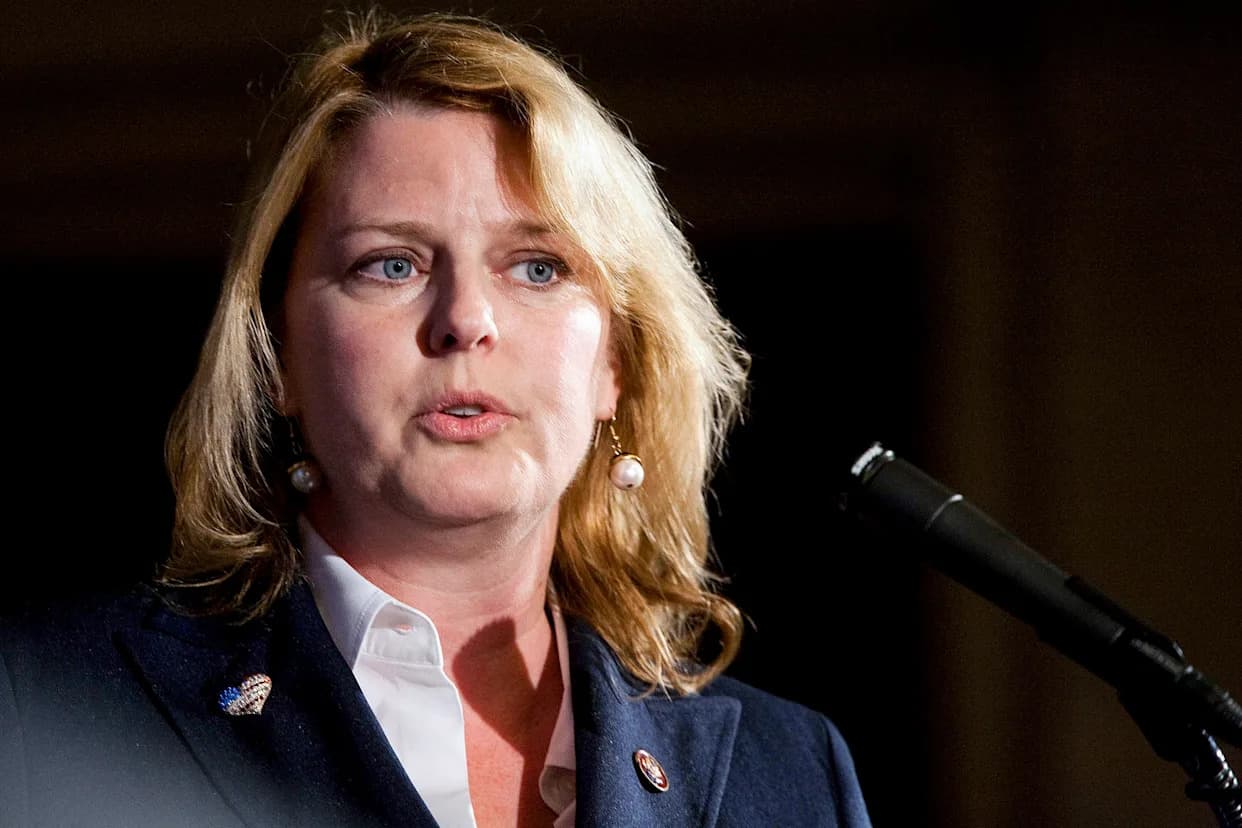
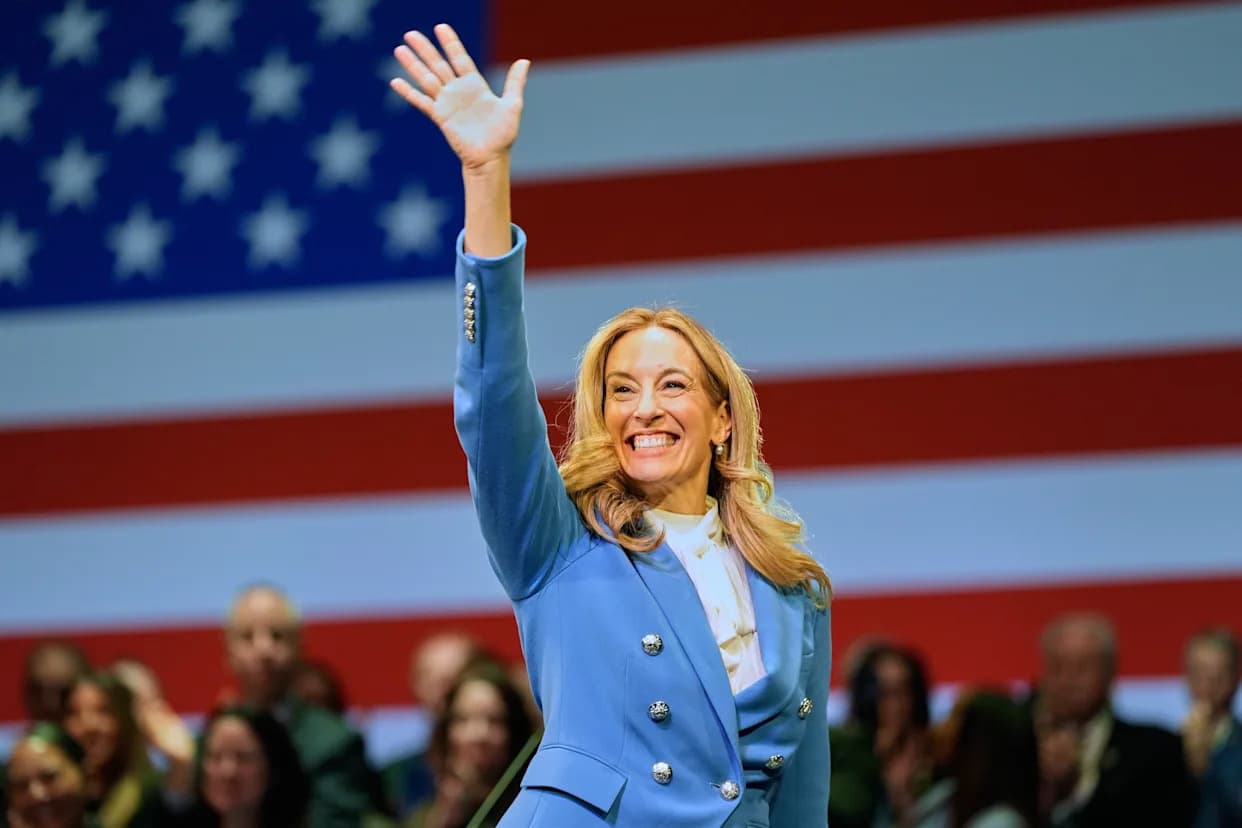
Former Rep. Melissa Bean, pictured in Washington, D.C., in 2010, is benefiting from new super PAC spending in a congressional primary. (Joshua Roberts / Bloomberg via Getty Images)(Joshua Roberts)
Unknown funders behind two newly formed super PACs have poured six-figure television buys into three competitive Democratic primaries in the Chicago area, injecting fresh controversy roughly six weeks before Illinois’ March 17 contests.
Who’s Spending Where
Two groups — Elect Chicago Women Now and Affordable Chicago Now — appeared in recent days and immediately began running TV ads supporting three candidates in open-seat congressional primaries. Ad-tracking firm AdImpact shows Elect Chicago Women Now has purchased more than $400,000 in airtime in Illinois’ 8th District and roughly $300,000 in the 9th District; Affordable Chicago Now has spent at least $250,000 in the 2nd District.
Candidates Backed And The Races
Elect Chicago Women Now is supporting former Rep. Melissa Bean in the 8th District and state Sen. Laura Fine in the 9th, airing biography-focused spots that highlight the candidates’ records and endorsements. Bean has been endorsed by U.S. Sen. Tammy Duckworth and former House Speaker Nancy Pelosi; other 8th District contenders include Neil Khot and progressive Junaid Ahmed.
In the 9th District, Fine — who has already been a top spender on the airwaves — faces progressive rivals including Kat Abughazaleh (supported by Rep. Ro Khanna), Evanston Mayor Daniel Biss (endorsed by Sen. Elizabeth Warren and Rep. Jan Schakowsky) and Skokie school board member Bushra Amiwala.
Affordable Chicago Now is backing Donna Miller in the 2nd District. Miller has spent heavily on ads and is endorsed by former Sen. Carol Moseley Braun and Rep. Jan Schakowsky. Her opponents include former Rep. Jesse Jackson and state Sen. Robert Peters.
Allegations, Evidence And Disclosures
There is no public, direct evidence identifying the donors behind the new groups. Still, several campaigns and candidates have publicly pointed to AIPAC and its allied super PAC, United Democracy Project (UDP), citing UDP’s history of spending in Democratic primaries and the fact that one of the new PACs uses a media buyer that UDP has employed. AIPAC and UDP did not respond to requests for comment.
Federal Election Commission rules allow super PACs not to disclose donors who gave on or after Feb. 1 until March 20 — three days after Illinois’ March 17 primary — meaning the true sources of the spending may remain hidden until after voters cast ballots.
Israel Policy And Primary Politics
Debate over Israel and U.S. policy toward Gaza has been prominent in the 9th District. Biss, a descendant of Holocaust survivors, condemned the “atrocities perpetrated by the [Israeli Prime Minister Benjamin] Netanyahu government,” while Abughazaleh called Israel’s actions in Gaza a “genocide.”
“But I think where I differ from my colleagues is I cannot believe in tying Israel’s hands right now because I’ve been to Israel, I’ve been in the bomb shelters, and I’ve stood on the borders, and I’ve seen the threats coming from the other side,” said Laura Fine at a January forum.
Campaigns warn that labeling outside spending as AIPAC-backed, even without definitive proof, can be politically damaging in Democratic primaries, where voter sensitivity to outside influence and foreign-policy positions is high.
Why It Matters
Open-seat primaries are rare opportunities to elect a new member of Congress and can serve as springboards to higher office. That makes them attractive targets for outside groups seeking to shape the ideological balance of the next Congress. The sudden appearance of two PACs with substantial ad buys underscores continuing tensions within the Democratic Party over Israel policy and the rising prominence of dark-money spending in down-ballot races.
Originally published on NBCNews.com.
Help us improve.