Political action committees tied to cryptocurrency firms and the AI industry entered 2026 with substantial cash reserves: pro-crypto committees held nearly $194 million and a new AI-backed super PAC reported $39 million. Established super PACs such as MAGA Inc. also retained large balances, leaving many races vulnerable to outside influence. Major donors — including tech founders and venture capitalists — and party-aligned funds are already deploying resources in primaries and special elections, reshaping the fight for control and policy influence in Washington.
AI, Crypto Investors and Trump-Linked Super PACs Stockpile Hundreds of Millions Ahead of 2026 Midterms
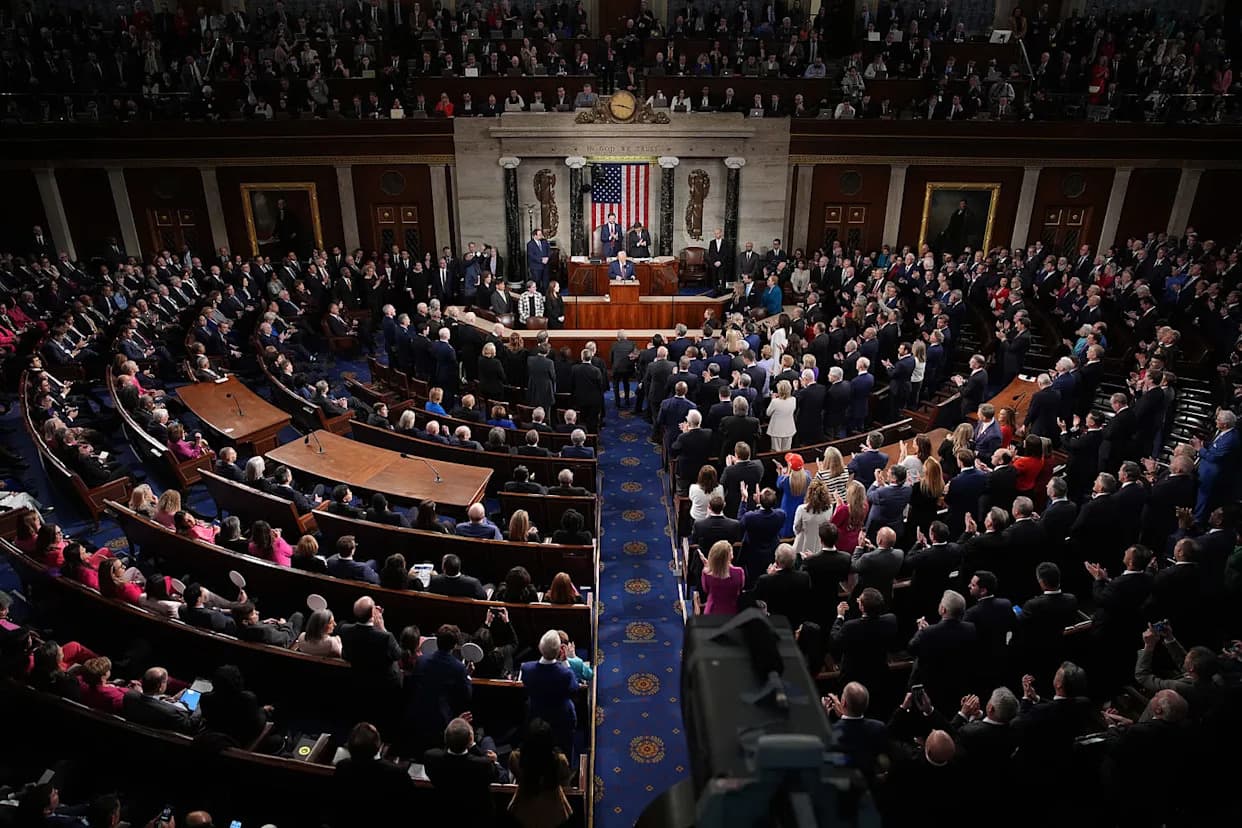
President Donald Trump addresses a joint session of Congress at the Capitol in 2025. (Andrew Harnik / Getty Images file)(Andrew Harnik)
Political action committees connected to the cryptocurrency and artificial intelligence industries — along with established party-aligned super PACs and high-profile donors — have amassed large war chests ahead of the 2026 midterm races, new Federal Election Commission filings show. Those funds position these groups to play a decisive role in primaries and general elections as they push for candidates aligned with their policy priorities.
Pro-Crypto and Pro-AI Money
The most prominent pro-crypto organizations ended 2025 with nearly $194 million available to spend, almost all of it held by Fairshake, a committee backed by Coinbase and several venture capital investors. A new pro-AI super PAC, Leading the Future, closed the year with about $39 million on hand after raising more than $50 million between Aug. 15 and Dec. 31.
Leading the Future reported major contributions of $12.5 million each from OpenAI co-founder Greg Brockman and his wife Anna Brockman, and from venture capitalists Marc Andreessen and Ben Horowitz. The group has said it will consider supporting candidates from both parties and has already announced plans to spend in at least two House primaries.
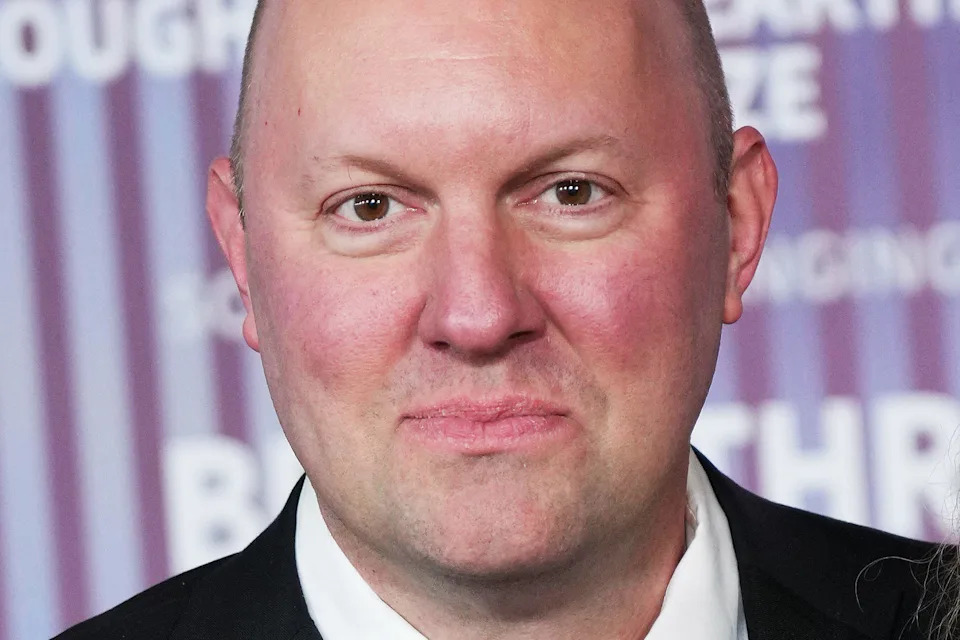
Marc Andreessen in 2024. (Sthanlee B. Mirador / Sipa / Alamy file)(Sthanlee B. Mirador)
Where the Money Went in 2024—and Where It Might Go Next
Pro-crypto groups were major players in 2024: Fairshake and two aligned organizations, Defend American Jobs and Protect Progress, collectively spent roughly $290 million during the cycle. Their 2024 activity included significant spending in U.S. Senate and House contests, helping candidates such as Ohio Republican Bernie Moreno and supporting Senate campaigns for Arizona Democrat Ruben Gallego and Michigan Democrat Elissa Slotkin.
This cycle, groups tied to crypto and AI have signaled target races: Leading the Future has opposed New York state Assemblyman Alex Bores in a primary for the open seat previously held by Rep. Jerry Nadler and is backing attorney Chris Gober in a safely Republican Texas seat replacing Rep. Michael McCaul.
Big-Name Donors And Party-Aligned War Chests
Familiar political juggernauts also remain heavily funded. MAGA Inc., the principal pro-Trump super PAC, finished 2025 with roughly $304 million in cash. Other major Republican-aligned groups include the Senate Leadership Fund and the Congressional Leadership Fund, which closed the year with about $100 million and $54.5 million, respectively.
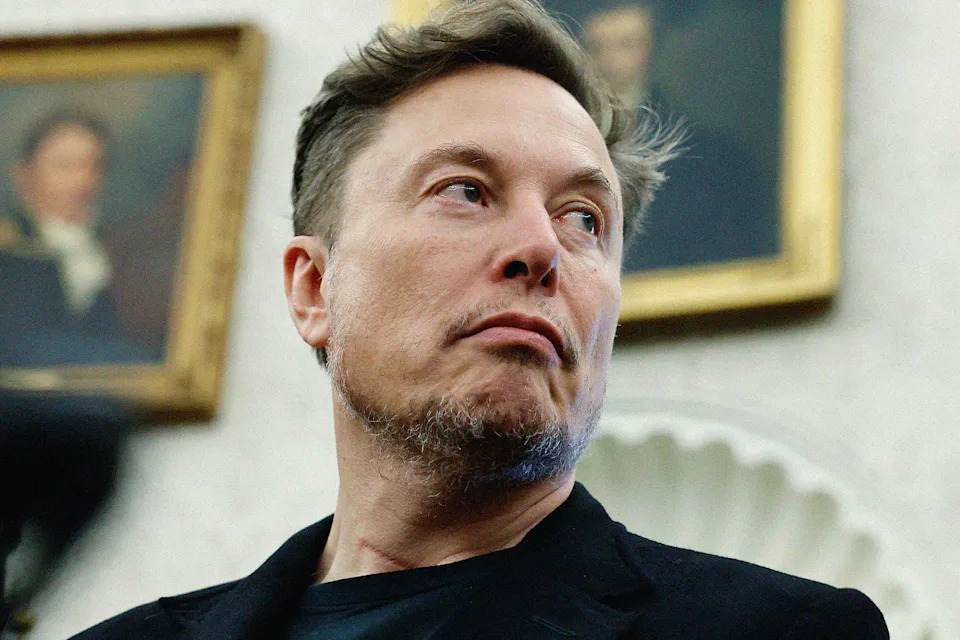
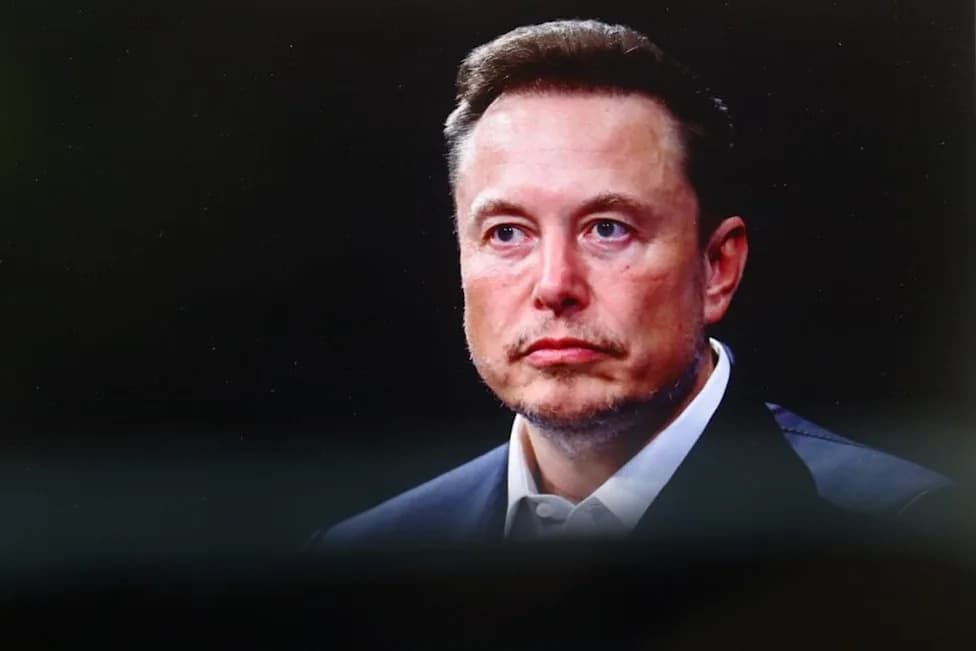
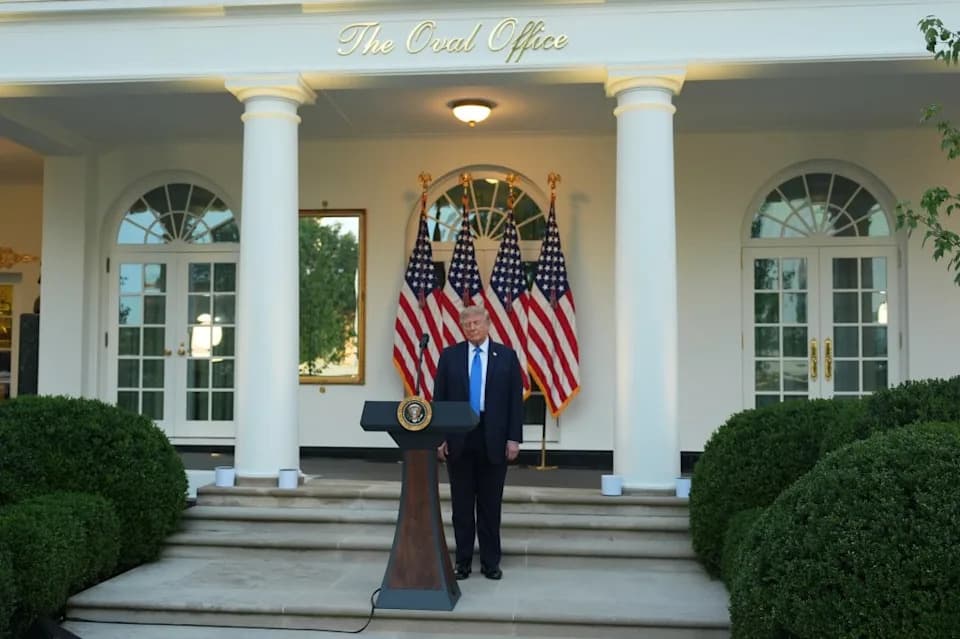
Elon Musk in the Oval Office in 2025. (Chip Somodevilla / Getty Images)(Chip Somodevilla)
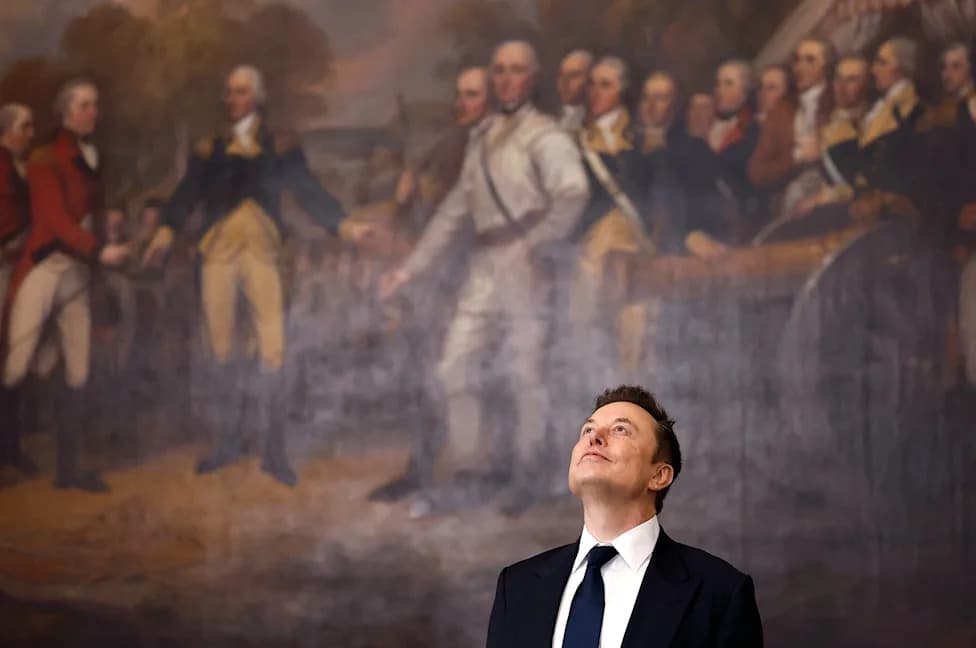
Tech entrepreneur Elon Musk has resumed sizable donations to mainstream GOP groups, sending $5 million each to the Senate Leadership Fund and the Congressional Leadership Fund in December, and contributing about $2.9 million (including in-kind donations) to his own America PAC.
On the Democratic side, House Majority PAC raised more than $48 million in the latter half of 2025 and ended the year with roughly $46 million on hand. Senate Majority PAC had not filed its late-year report at the time of the filings cited here.
Other Influential Outside Groups
United Democracy Project, aligned with AIPAC, raised more than $61 million between July and December and finished 2025 with nearly $96 million in its account, including a $30 million contribution from AIPAC. Its donor list also includes GOP mega-donor Paul Singer, a fact that has drawn criticism from some Democrats because the group intervenes in Democratic primaries.
Smaller but targeted organizations are also active. Leaders We Deserve, led by activist David Hogg, announced a $20 million effort to push primary challenges in deep-blue districts and finished 2025 with roughly $2.3 million on hand after raising about $7.8 million in the year.
Why This Matters
The surge of outside funding from technology and crypto interests — combined with traditional party money and high-profile individual donors — raises the stakes for both primaries and general elections. Large, well-funded outside groups can shape candidate fields, amplify particular policy priorities (like AI oversight or crypto regulation), and intensify primary challenges inside both parties.
Bottom line: Expect continued heavy spending and cross-party influence from pro-crypto and pro-AI groups, while longstanding super PACs and mega-donors maintain their central role in shaping the 2026 political landscape.
Help us improve.