Summary: The AIPAC-linked super PAC United Democracy Project has spent about $2.2 million targeting former Rep. Tom Malinowski in a crowded New Jersey Democratic primary. Ads emphasize his past stock trades and a 2019 DHS funding vote rather than Israel directly, a tactic critics call designed to intimidate moderates. Some pro-Israel groups have condemned the spending, and analysts warn the strategy could backfire by energizing opposition to AIPAC within the Democratic Party.
AIPAC-Linked Super PAC Spends $2.2M Targeting ‘Moderate’ Democrat in New Jersey Primary

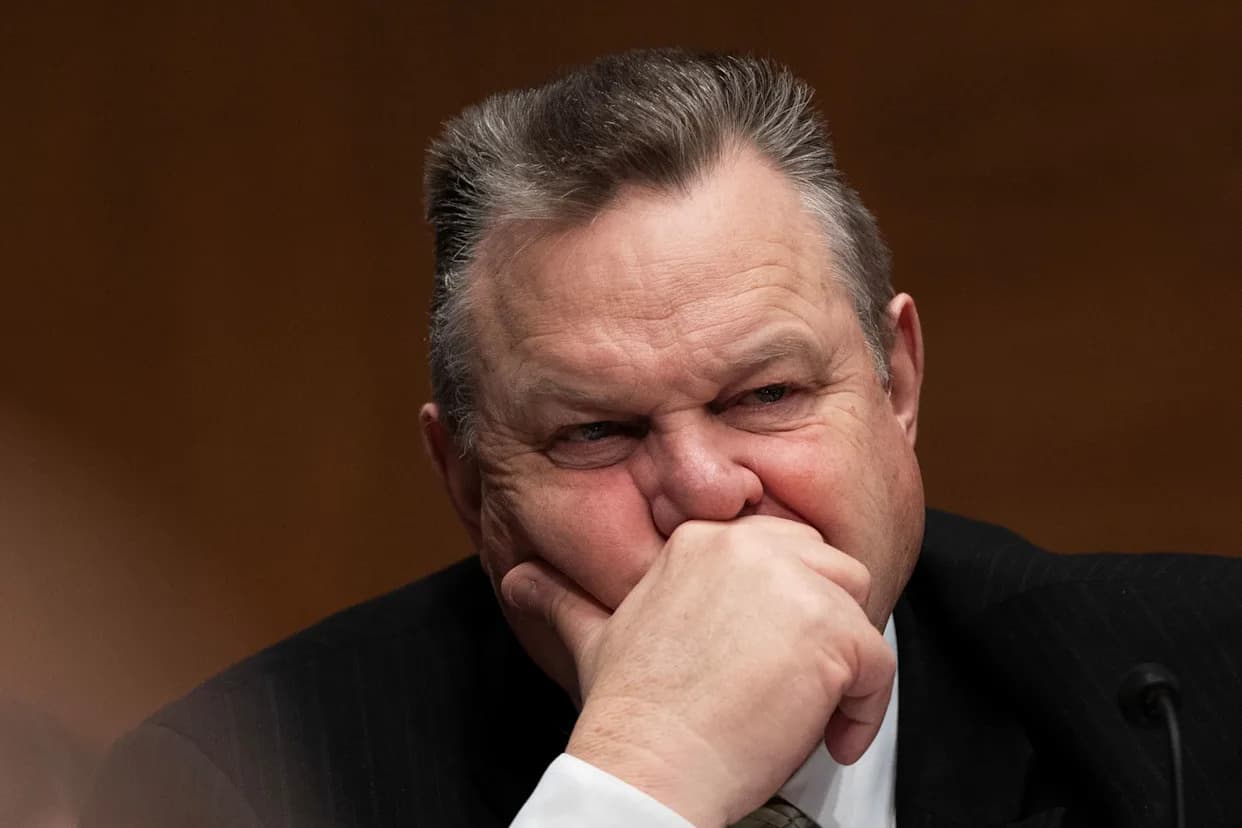
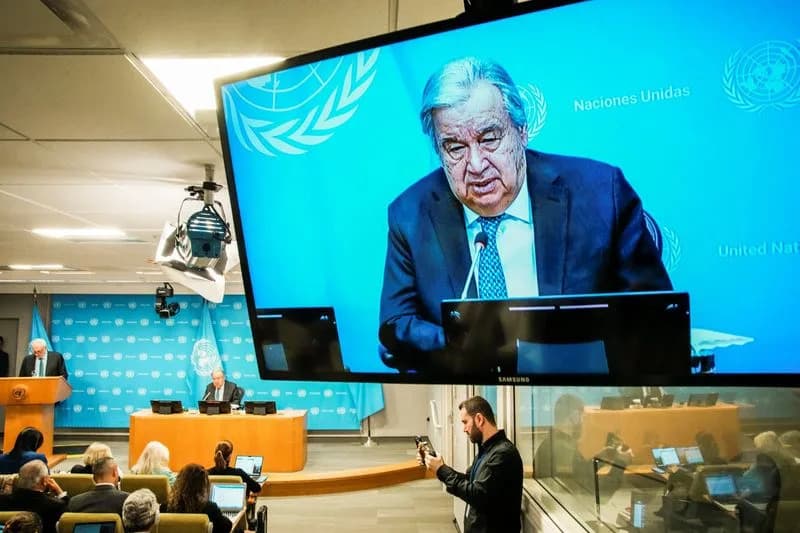
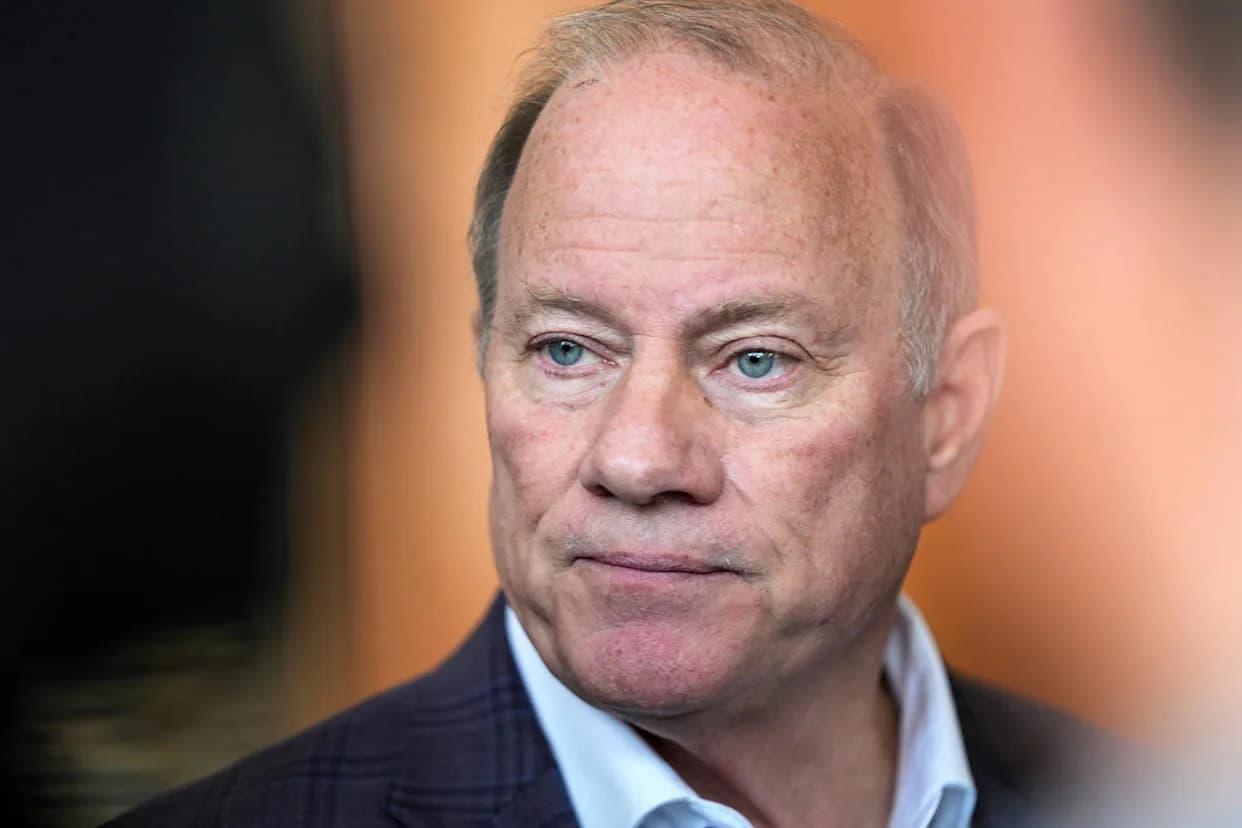
Tom Malinowski has been targeted by AIPAC-linked group in New Jersey House race [Julio Cortez/The Associated Press]
Washington, DC — A super PAC tied to the American Israel Public Affairs Committee (AIPAC) has launched a major intervention in a New Jersey Democratic primary, signaling renewed concern within pro-Israel advocacy networks about shifting attitudes among Democratic voters toward U.S. support for Israel.
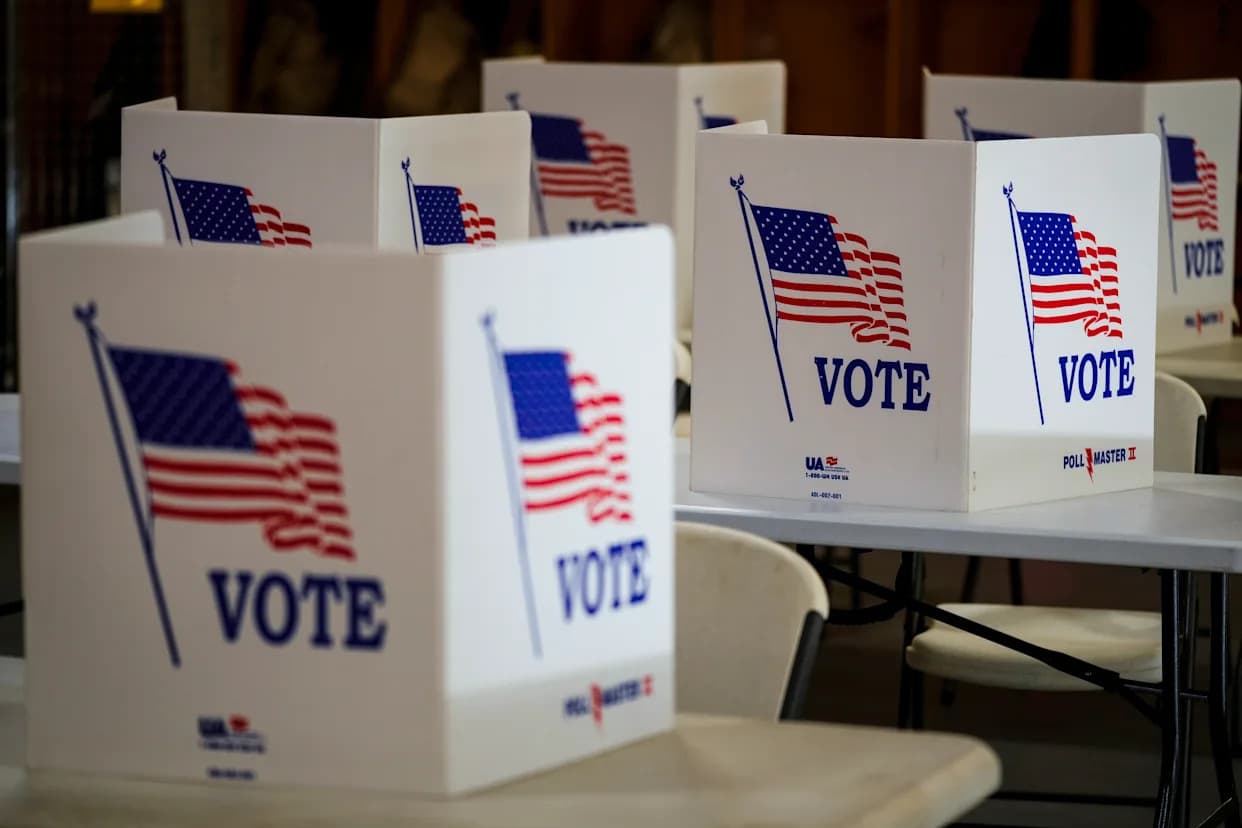
The United Democracy Project (UDP) has spent roughly $2.2 million targeting former U.S. Representative Tom Malinowski ahead of the April 16 special primary in a competitive, 11-way contest for a central New Jersey congressional seat. Rather than directly invoking Israel, UDP advertisements focus on Malinowski’s past stock trades and his 2019 vote on a Department of Homeland Security (DHS) funding bill.
Why This Matters
Critics say the move is meant to send a signal to other Democrats considering primaries before the 2026 midterm elections: shore up unconditional support for Israel or face costly outside attacks. Polling in recent months has shown growing dissatisfaction among Democratic voters with steadfast U.S. support for Israel amid the war in Gaza, and advocacy groups have interpreted UDP’s spending as an attempt to blunt that shift.
UDP’s Playbook And Past Activity
UDP’s approach mirrors its 2024 strategy, when it spent roughly $35 million on primaries — including about $24 million on campaigns targeting progressive lawmakers such as Jamaal Bowman and Cori Bush. Those efforts helped elect more centrist challengers in several races. UDP and allied groups typically frame ads around domestic issues and candidate vulnerabilities rather than explicitly naming foreign-policy differences.
Reactions From Across The Political Spectrum
“It shows that they are very concerned... about the shifting perspective of especially Democrats on funding for Israel,” said Sadaf Jaffer, a former New Jersey assemblywoman and critic of Malinowski’s past positions.
Progressive organizations like Justice Democrats called the advertisements disingenuous, noting that Malinowski has received pro-Israel contributions in prior campaigns — some $378,000 across earlier runs, including support from groups connected to AIPAC.
Other pro-Israel groups have also criticized UDP’s tactics. J Street, which supports Israel but opposes unconditional backing for Israeli government policy, condemned the spending as harmful to bipartisan support and alienating to younger voters. At the same time, pro-Palestine organizations such as Jewish Voice for Peace Action framed the attack as evidence of AIPAC’s growing alignment with right-leaning donors and strategies.
Candidate Positions And Stakes
Malinowski — a former Human Rights Watch Washington director and assistant secretary of state under President Barack Obama — has sometimes advocated for conditioning aid to prevent human-rights abuses, but as a member of Congress from 2019 to 2023 he opposed conditioning U.S. assistance to Israel. He has also warned that applying terms such as “genocide” or “apartheid” to Israel could contribute to anti-Jewish sentiment in the U.S.
Malinowski has publicly criticized the role of “dark money” in the race, saying he was targeted for refusing to provide unconditional support to Israeli leaders. The UDP has not publicly endorsed another candidate, though Tehesha Way — a former New Jersey lieutenant governor who chaired the New Jersey–Israel Commission — has backing from the Democratic Majority for Israel (DMFI).
Potential Consequences
Analysts say UDP’s spending could have a double effect: it may intimidate some centrists into more hawkish positions, or it could further polarize Democratic voters and energize opposition to AIPAC-backed spending. Observers note that AIPAC and affiliated groups are assembling a multi-million dollar war chest ahead of 2026, but critics warn aggressive primary interventions may make AIPAC a liability among certain Democratic constituencies.
Bottom line: The UDP’s $2.2 million buy in New Jersey underscores how foreign-policy disputes over Israel are reshaping intra-party battles, and how outside spending is increasingly tailored to influence which Democrats survive primaries going into 2026.
Help us improve.