Governor Mikie Sherrill’s pre-inaugural fundraising relied on Mission to Deliver, a 501(c)(4) that solicited gifts from $5,000 to more than $250,000 and is not required to disclose individual donors. Attendees reportedly paid at least $100,000 to attend an exclusive dinner, and top donors received perks including finance-committee briefings. Critics say the arrangement exploits a legal loophole that allows large, opaque donations tied to inauguration events and raises concerns about influence and accountability.
Top Donors Paid Six Figures to Dine With Gov. Mikie Sherrill — Full Donor List May Remain Hidden
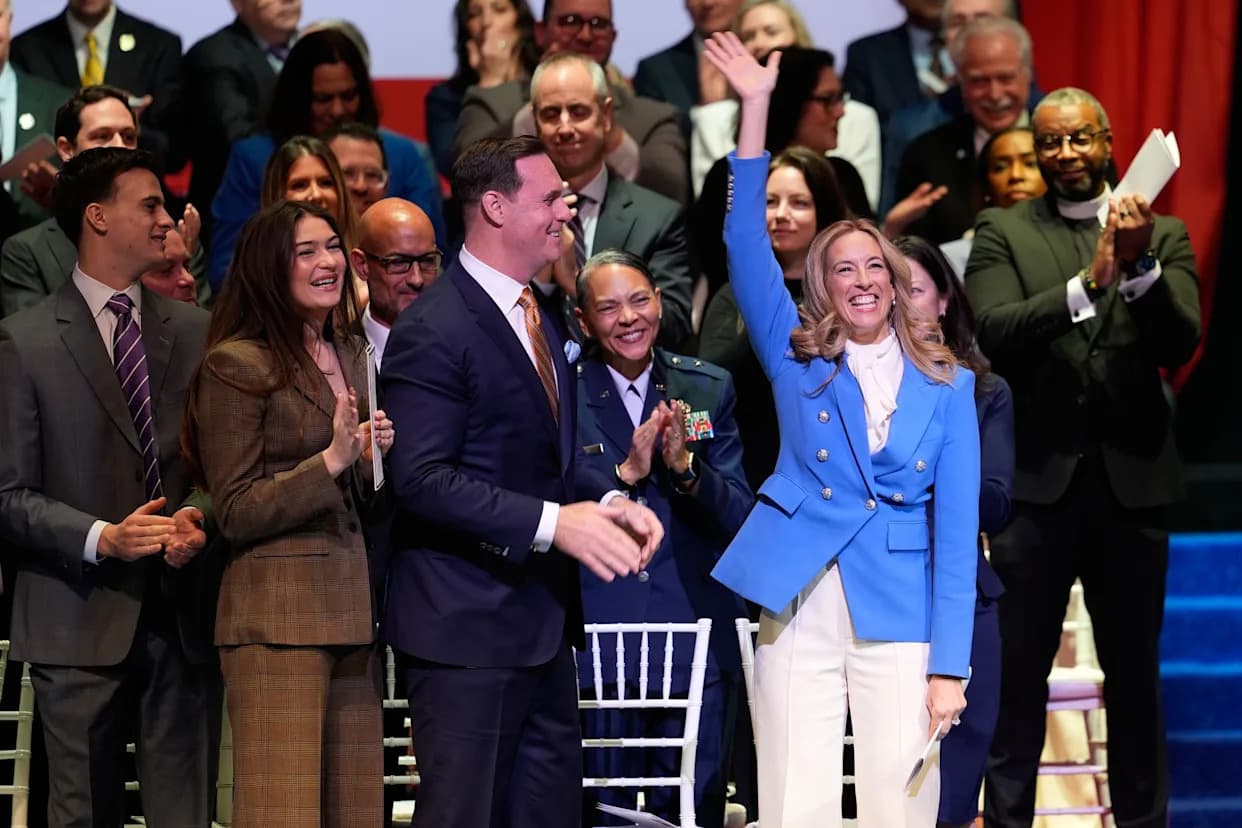
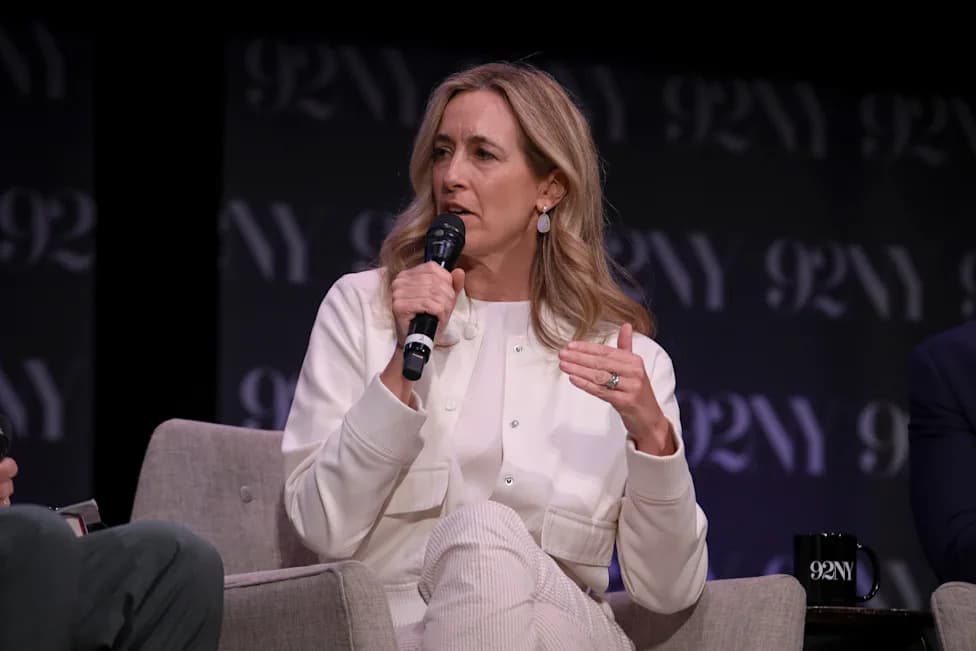
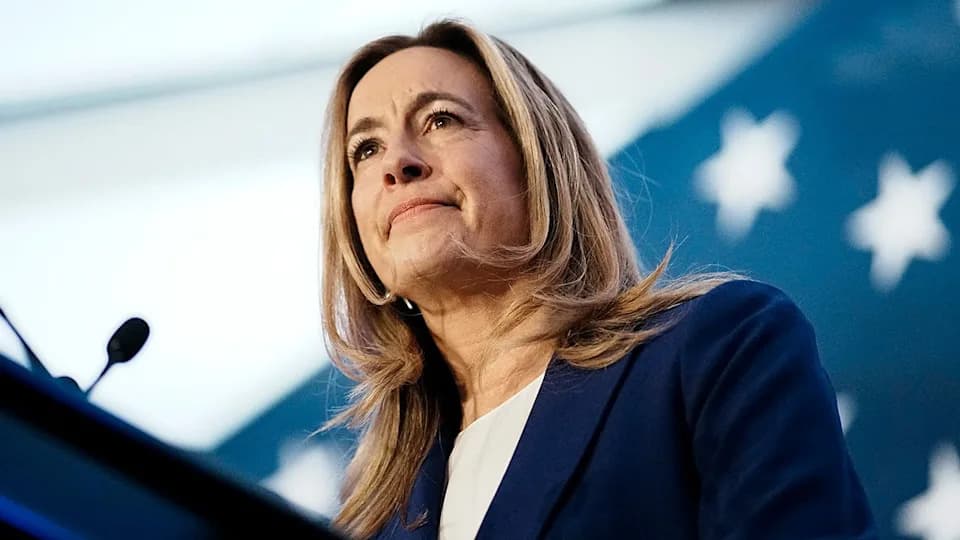
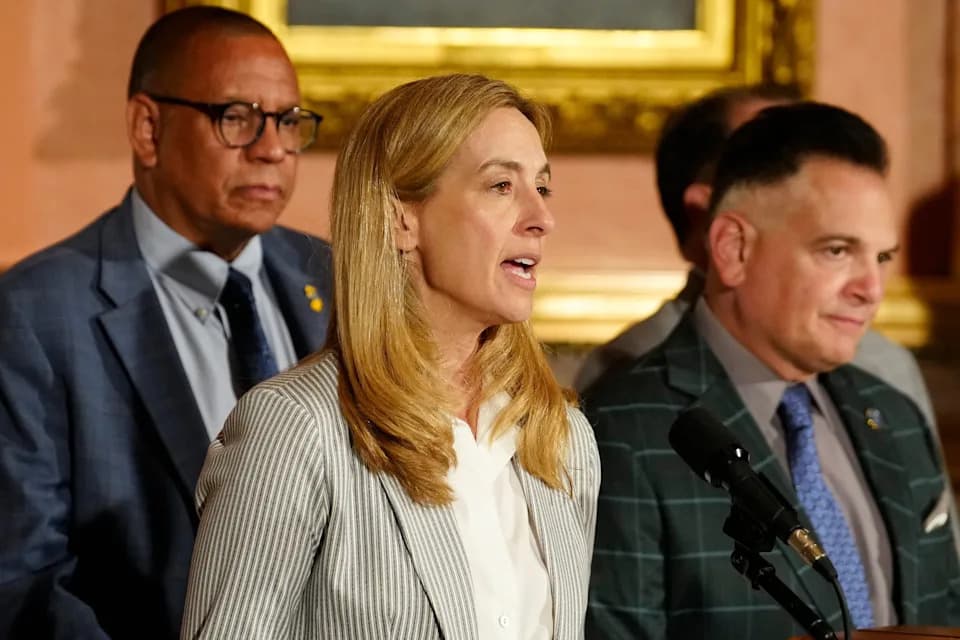
EAST RUTHERFORD, New Jersey — At Carpaccio, an upscale Italian restaurant inside the American Dream complex, Governor Mikie Sherrill moved from table to table greeting business executives, lobbyists and union leaders at an exclusive pre-inaugural dinner where some Champagne bottles sell for about $600.
The price to attend the event was steep: attendees reportedly paid at least $100,000. Those six-figure contributions helped finance Sherrill’s inaugural festivities at the same complex that hosts the New York Jets and Giants. State law limits direct inaugural contributions to $500, but organizers used an alternate fundraising vehicle that is not bound by that cap.
How The Fundraising Worked
The group behind the fundraising, Mission to Deliver, is registered as a 501(c)(4) "social welfare" organization. Unlike the official inaugural committee, such social welfare groups are not subject to the same contribution limits and generally are not required to publicly disclose individual donors. Solicitation materials reviewed by POLITICO show Mission to Deliver asked donors to give or bundle contributions ranging from $5,000 to more than $250,000.
“As a 501(c)(4), you’re talking about donations that are unlimited and dark, so nobody’s even aware of who’s potentially buying influence from the new administration.” — Saurav Ghosh, Campaign Legal Center
The highest tier, labeled “Commander,” was for donors who gave more than $250,000. Perks included four tickets to the pre-inaugural dinner and a seat on the organization’s finance committee, with “quarterly briefings from top officials.” Donors at $5,000 received two tickets to the swearing-in ceremony and the inaugural ball.
What Attendees Saw — And What the Public Might Not
Mission to Deliver covered the cost of the inaugural ball, which featured a performance by East Orange rap group Naughty by Nature; Sherrill joined the group on stage to perform their 1991 hit “O.P.P.” Organizers say the group performed pro bono aside from expense reimbursement.
Some donors were acknowledged during the ball, where LED screens rotated "thank you" messages that displayed names and logos of several large contributors — including lobbying firms, unions and private companies — but those acknowledgments were visible only to attendees. Mission to Deliver’s leader, hospital executive Jose Lozano, said the group did not share donor lists with the governor and did not intend to engage in political advocacy.
Notable Donors And Overlap With Policy Appointments
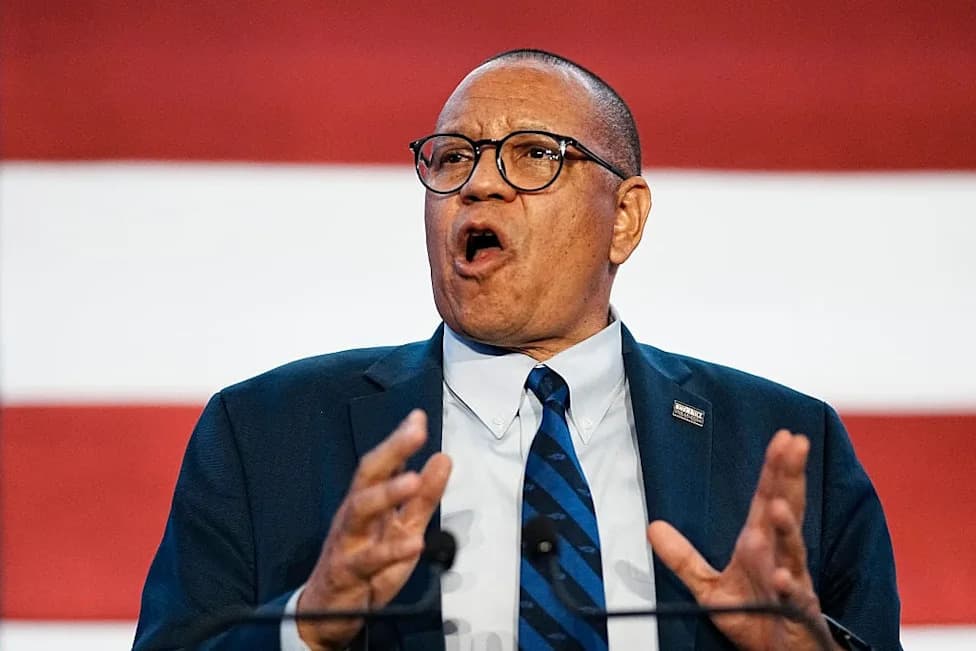
Among the groups shown as major donors was the New Jersey League of Conservation Voters, whose leader, Ed Potosnak, had just been announced as Sherrill’s choice to lead the New Jersey Department of Environmental Protection. Lozano said the donation was unrelated to Potosnak’s appointment. The League has also given about $1.7 million to support Sherrill’s campaign.
Other organizations identified on event screens included Amazon, Horizon Blue Cross Blue Shield of New Jersey, Audible, Bristol Myers Squibb, several lobbying firms and major labor unions. Lozano declined to disclose the total amount Mission to Deliver raised.
Legal Precedent And Critics’ Concerns
The approach has precedent. Ahead of Gov. Phil Murphy’s 2018 inauguration, the New Jersey Election Law Enforcement Commission (ELEC) concluded a 501(c)(4) could solicit donations above the $500 limit and need not report individual donors, citing a 1982 advisory opinion related to former Gov. Tom Kean’s inauguration. Critics note the 1982 groups were established charities and that funds supported museums and the governor’s residence, not exclusively inaugural festivities.
“It seems to be standard ... where you have these organizations form to really fund these inaugural activities that seem to be substantial and costly, but then there’s no transparency around it.” — C.J. Griffin, New Jersey transparency advocate
Transparency advocates say the use of 501(c)(4) groups for inaugural funding creates an accountability gap and raises the potential for special-interest influence that the public cannot readily trace. Mission to Deliver has indicated it will follow only the disclosure rules required of its tax status, which typically report aggregate revenues and expenditures to the IRS but do not require a public, line-item donor list.
Bottom Line
Large donors gained exclusive access to Governor Sherrill at high-priced events funded through a 501(c)(4) that is not required to disclose individual contributors. While some donations of $500 or less tied to the official inaugural committee will be public, the identities and amounts given by the highest-tier donors may remain private, renewing debate over transparency and influence in state-level politics.
Help us improve.