The White House is preparing an executive order to create an anti-fraud task force chaired by Vice President JD Vance, with FTC Chair Andrew Ferguson as vice chairman overseeing daily operations. Colin McDonald, a Trump nominee, would be placed within the DOJ reporting to Attorney General Pam Bondi and Deputy AG Todd Blanche while working closely with the task force. Critics warn the structure could invite political pressure and may sidestep existing DOJ fraud units. California auditors have reported billions in fraud across unemployment, pandemic relief and health care; the order’s timing could slip into later this month.
White House Plans Anti-Fraud Task Force Led By VP JD Vance, Sources Say
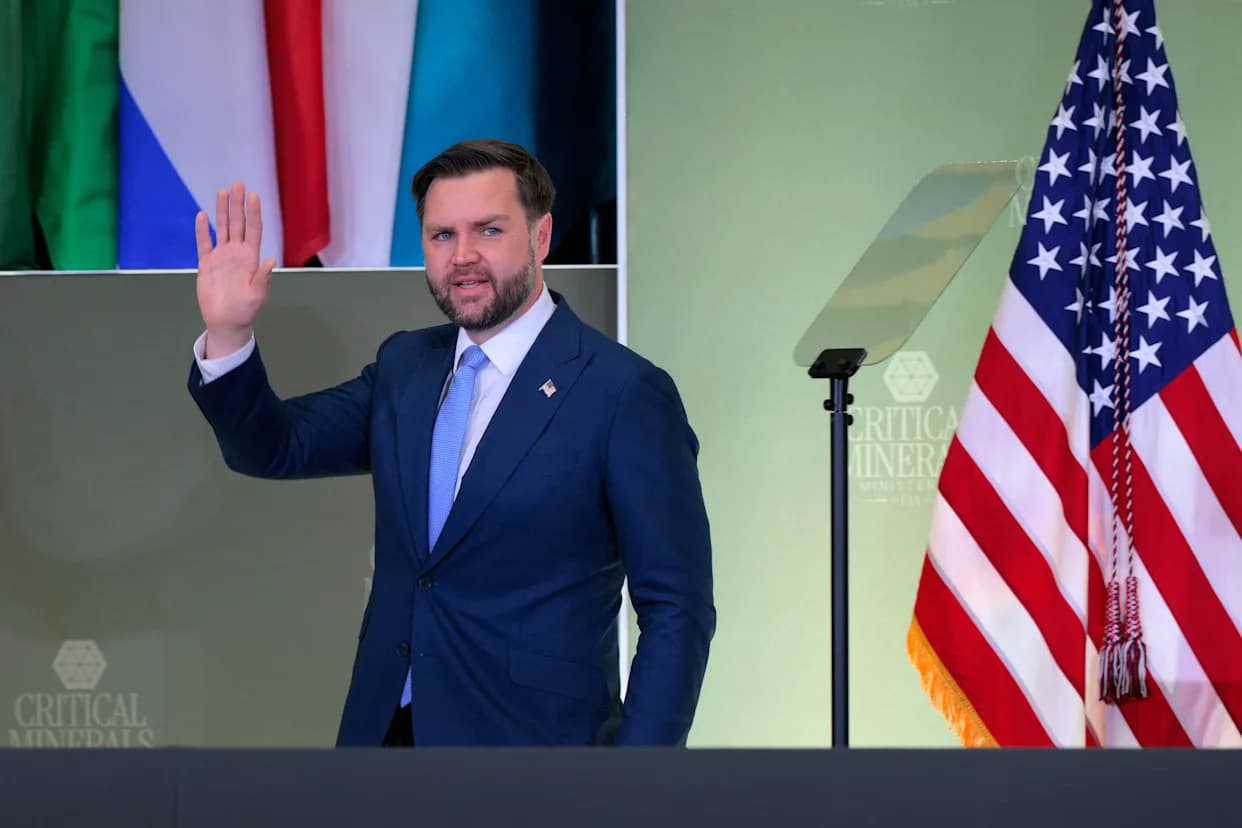
The White House is finalizing plans for a new anti-fraud task force aimed at rooting out alleged abuses in welfare and other taxpayer-funded programs in California and additional states, multiple sources told CBS News.
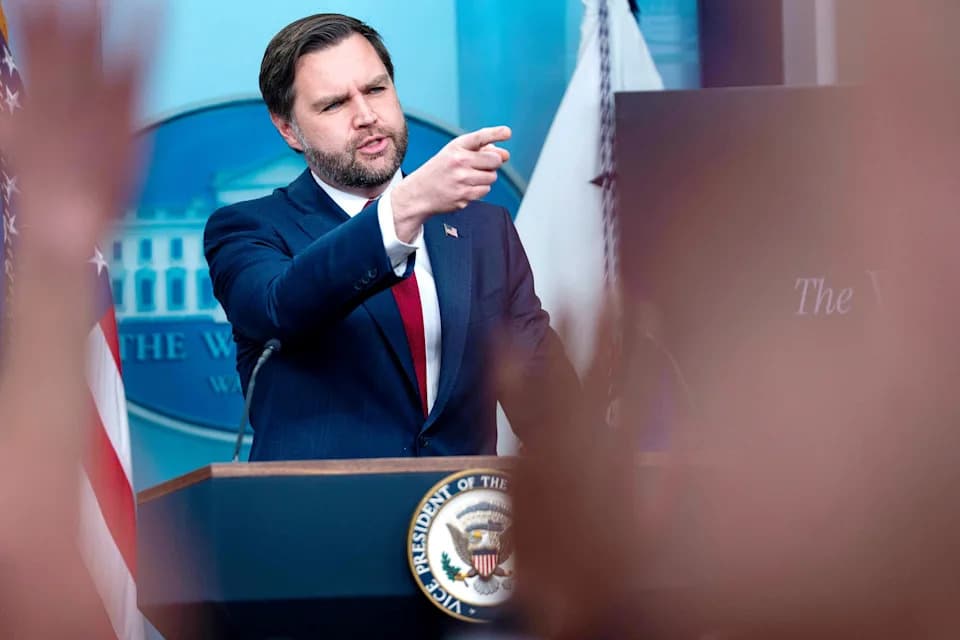
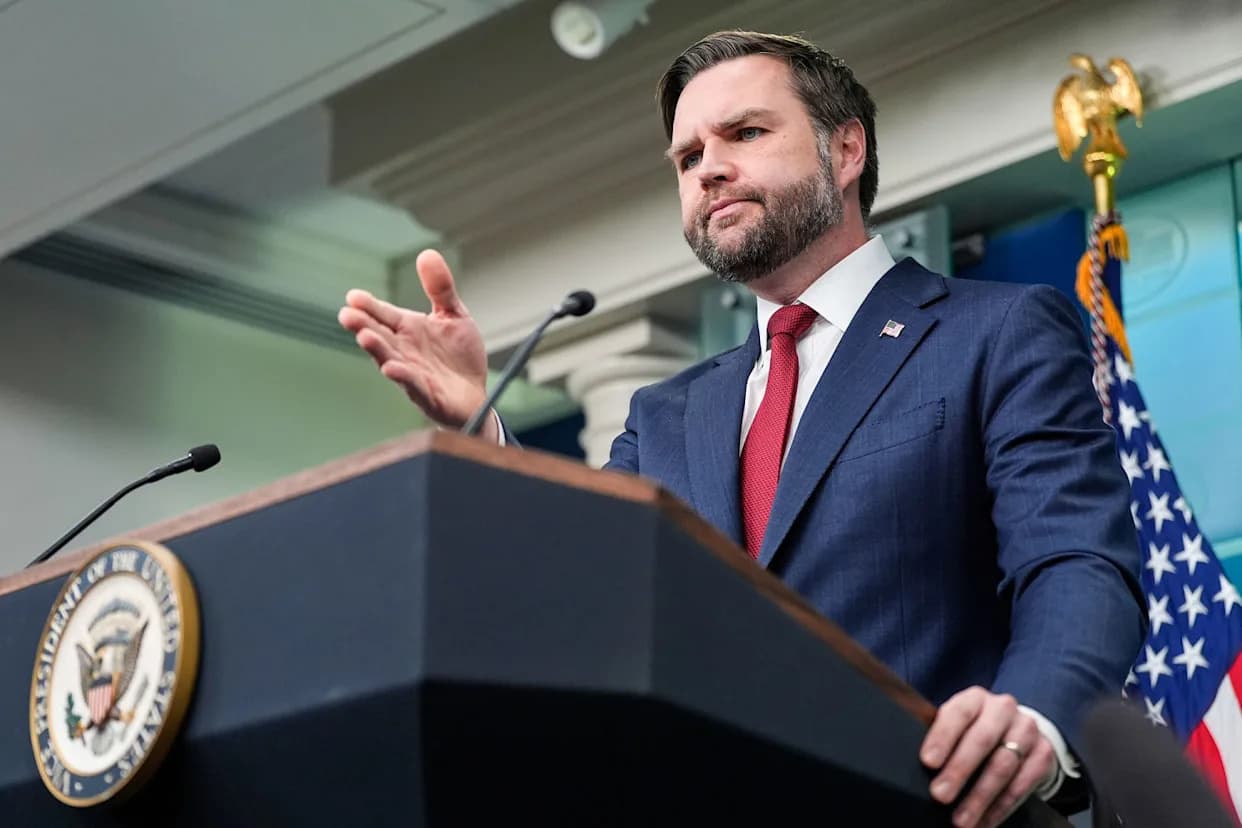
President Trump is expected to sign an executive order in the coming days naming Vice President JD Vance as chairman of the initiative, a move intended to signal the administration's priority on cracking down on fraud.
Andrew Ferguson, the current chair of the Federal Trade Commission (FTC), is slated to serve as vice chairman. Two sources said Ferguson would continue overseeing the FTC while also managing the task force’s day-to-day operations.
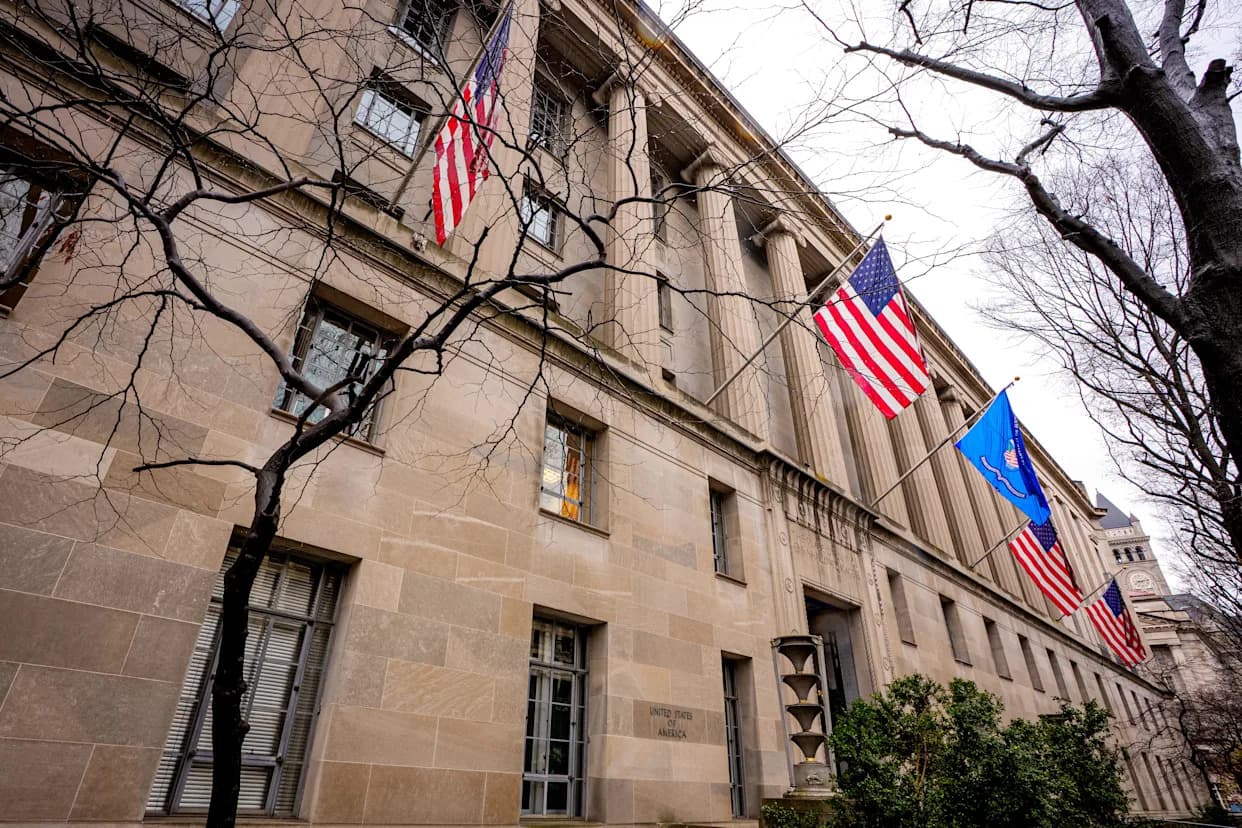
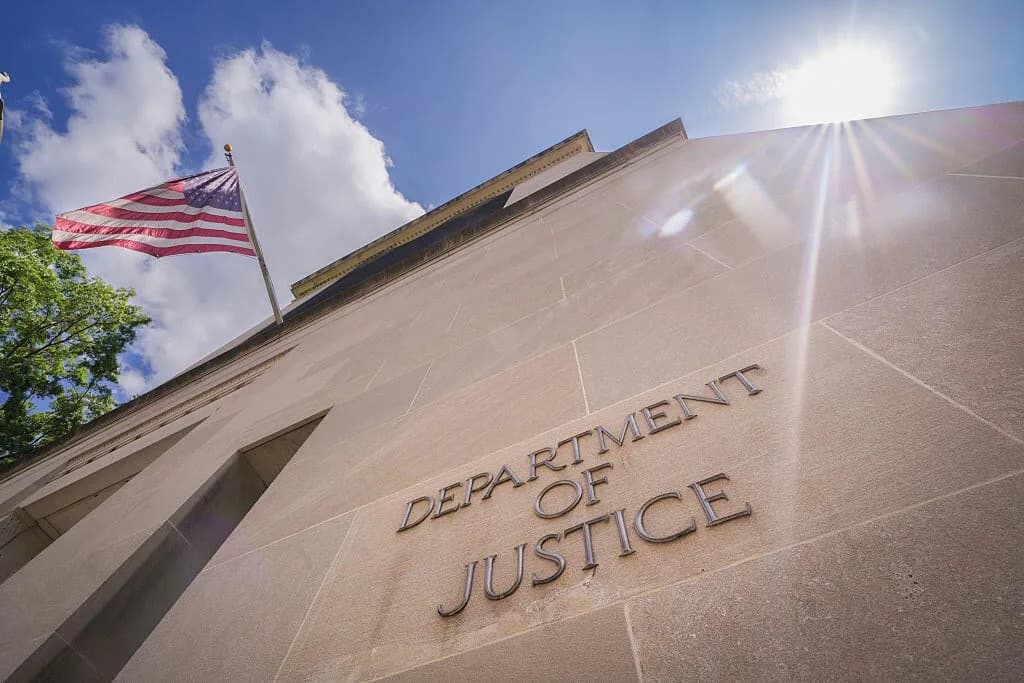
The plan envisions Colin McDonald, a Trump nominee for a newly created fraud investigator role at the Justice Department, being placed within the DOJ’s management structure — reporting to Attorney General Pam Bondi and Deputy Attorney General Todd Blanche — while working closely with Vance and Ferguson.
Concerns About Political Influence and DOJ Structure
Critics, including Democrats and government watchdogs, warn the reporting arrangement could expose McDonald to political pressure from the White House to pursue investigations against the administration’s critics.
Some officials fear the new task force could operate around or alongside existing DOJ fraud units, a possibility driven in part by frustration among political appointees with career prosecutors who have resisted certain priorities and tactics, sources said.
Officials also note that the administration recently announced a DOJ national fraud enforcement division — a separate initiative unveiled last month — and planners are still deciding how the division and the White House task force would be structured to avoid duplication with existing fraud units at DOJ headquarters and U.S. attorney offices nationwide.
Why California—and What Officials Found
State auditors in California have flagged billions of dollars in fraudulent activity across unemployment claims, pandemic relief programs and health care spending. Democratic Governor Gavin Newsom has defended state efforts to detect and block fraud and is often mentioned as a potential 2028 presidential contender.
Separately, in Minnesota, Governor Tim Walz abandoned plans for reelection amid scrutiny tied to large-scale fraud in state child care and other welfare programs, further underscoring political sensitivity around these investigations.
Other Details And Timeline
Sources cautioned the timing for the president’s signature on the executive order could slip to later this month. White House spokespeople declined to comment.
Vance currently holds other White House responsibilities, including vice chair roles on federal task forces for the 2026 FIFA World Cup and the 2028 Summer Olympics, and he serves as finance chair of the Republican National Committee.
At the FTC, Ferguson has pursued litigation against major U.S. companies and sought consumer refunds. In September, Amazon agreed to a reported $2.5 billion settlement, and the FTC is appealing an antitrust case against Meta related to its acquisitions of Instagram and WhatsApp.
Officials in Deputy Attorney General Blanche’s office said they remain in early stages of planning the DOJ’s new national fraud enforcement division — deciding on location, staffing, and IT systems — and determining how to coordinate responsibilities to minimize overlap with existing fraud investigators.
Help us improve.