A Católica University poll released by RTP shows former Socialist António José Seguro leading André Ventura 67% to 33% in Portugal’s presidential run-off. The survey of 1,601 respondents (Jan. 29–Feb. 2) carries a ±2.4% margin of error. While largely ceremonial, the presidency can veto legislation and dismiss governments, making the outcome politically significant. Seguro pledges a unifying, non-interventionist presidency; Ventura advocates an interventionist approach and has faced accusations of discriminatory remarks.
Poll: António José Seguro Leads André Ventura 67%–33% Ahead Of Portugal Run-Off
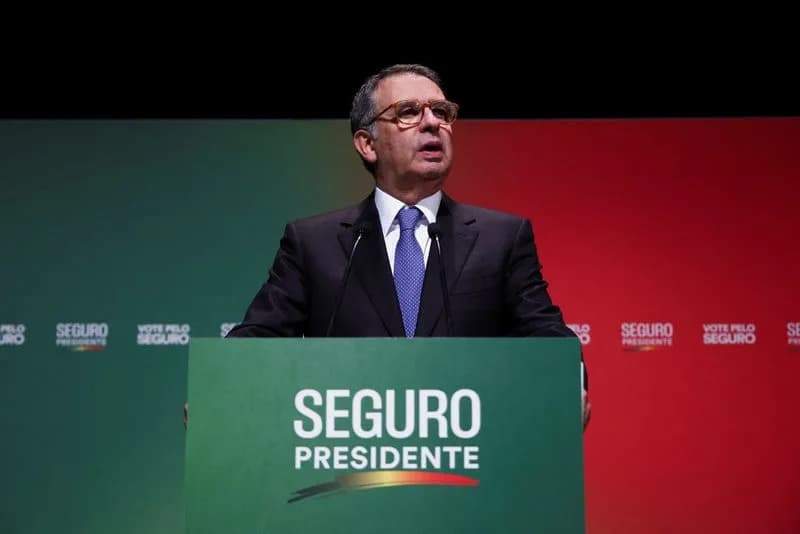
Portuguese presidential candidate of the Socialist Party, Antonio Jose Seguro, delivers a speech after leading the first round of Portugal's presidential election, in Caldas da Rainha, Portugal, January 18, 2026. REUTERS/Rodrigo Antunes
LISBON, Feb 4 — A new Católica University poll released by broadcaster RTP shows former Socialist leader António José Seguro with a commanding lead over far-right contender André Ventura in Sunday’s presidential run-off.
The survey found Seguro ahead by 67% to 33% in voting intentions, based on interviews with 1,601 respondents conducted between Jan. 29 and Feb. 2. The poll reports a margin of error of ±2.4%.
Presidential Role And Political Context
Portugal’s presidency is largely ceremonial but carries important constitutional powers to mediate political deadlock, including the ability to veto legislation and dismiss the government. Those powers give the office outsized influence during periods of parliamentary fragmentation.
In the roughly five decades since the 1974 Carnation Revolution ended authoritarian rule, the country has seen only one previous presidential runoff (in 1986), underscoring how unusual this contest is and reflecting broader voter dissatisfaction with established parties amid the far-right’s rise.
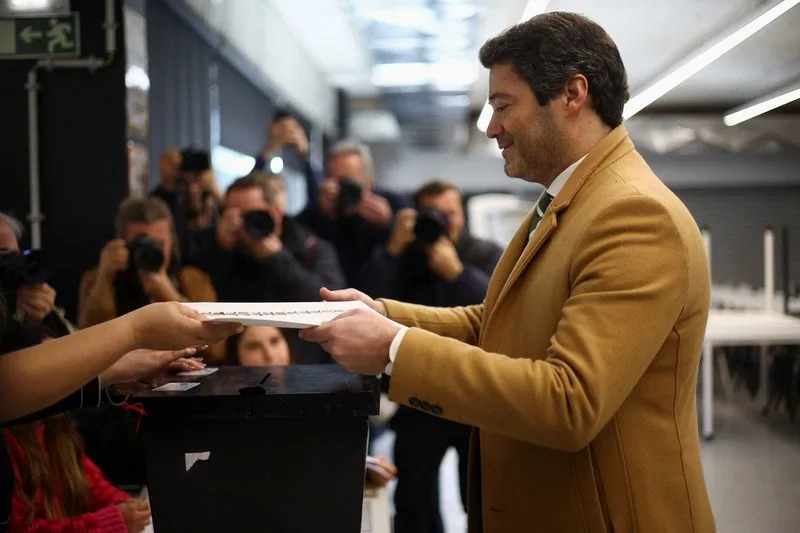
Portuguese presidential candidate and leader of Chega party Andre Ventura votes during the presidential election, in Lisbon, Portugal, January 18, 2026. REUTERS/Pedro Nunes
Candidates’ Positions
António José Seguro has presented himself as a moderate, unifying candidate who would remain independent of partisan politics. He has said he would not act as a "shadow prime minister" and would avoid interfering in the government’s day-to-day administration.
André Ventura, leader of the anti-establishment Chega party, describes his preferred role as an "interventionist president," pledging to fight what he calls entrenched corruption within mainstream parties and to pursue a firm anti-immigration agenda.
Ventura has faced criticism for remarks regarded by some as discriminatory toward Roma communities and South Asian immigrants. Critics also argue he is using the presidential campaign to broaden Chega’s presence after the party surged into the national spotlight during last May’s parliamentary elections.
Chega’s Rise
Chega, founded less than seven years ago, emerged as the main opposition force in last year’s parliamentary vote after winning 22.8% of the ballot. Opponents say Ventura aims to capitalize on the presidential race to strengthen his party’s position across Portugal.
The coming days will determine whether the poll’s wide margin holds on election day, but the survey paints a clear picture of voter intentions as the country prepares for a high-stakes, rare runoff.
Help us improve.