Five Democratic-led states have asked a federal court to require the Trump administration to continue allowing federal draws for child-care subsidies and related programs while they challenge HHS’s decision to restrict those grants. HHS says it paused draws because it suspected benefits went to people in the country illegally but provided no public evidence and did not explain why these states were singled out. The states call the action unlawful, saying the administration bypassed statutory procedures and demanded extensive recipient data on an unrealistic timeline; a temporary restraining order allowing payments is set to expire Friday.
Five Democratic States Seek Court Order To Keep Child-Care Funds Flowing As HHS Restricts Grants
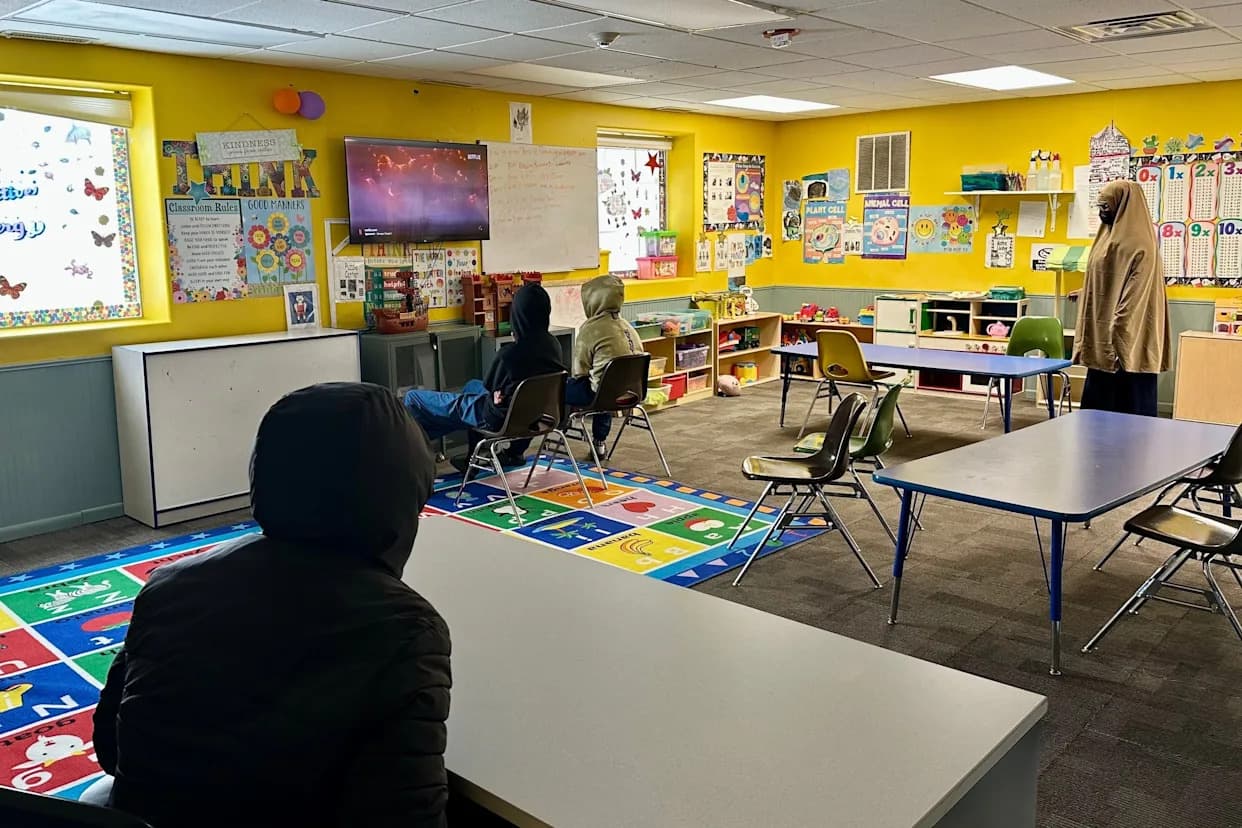
FILE - Children watch television at ABC Learning Center in Minneapolis, Minn., Dec. 31, 2025. (AP Photo/Mark Vancleave, File)(ASSOCIATED PRESS)
Five Democratic-controlled states have asked a federal judge to order the Trump administration to continue allowing federal draws for child-care subsidies and related family-assistance programs while the states pursue a legal challenge to the administration’s actions.
The U.S. Department of Health and Human Services (HHS) notified California, Colorado, Illinois, Minnesota and New York that it was placing restrictions on several grants because it had “reason to believe” benefits were being provided to people in the country illegally. HHS did not present public evidence or explain why it targeted these particular states and not others.
State officials say the move is politically motivated and intended to harm leaders in states that oppose the president. A federal judge previously granted the states a temporary restraining order that allowed payments to continue while the dispute proceeds; that order is scheduled to expire on Friday.
What the Programs Do
The funding at issue includes the Child Care and Development Fund (which subsidizes child care for roughly 1.3 million children from low-income families nationwide), the Temporary Assistance for Needy Families (TANF) program (which provides cash assistance and job-training services), and the Social Services Block Grant (SSBG), a smaller flexible fund that supports a variety of social services. The states say they receive more than $10 billion annually from these programs and that the funds are essential for vulnerable, low-income families.
What HHS Asked For
HHS sent letters on Jan. 5 and Jan. 6 telling the five states they would be placed on a “restricted drawdown” of program funds until they provided additional information. For TANF and the SSBG, HHS requested recipient data — including personal information dating back to 2022 — and set a Jan. 20 deadline for submission of those records for certain grants.
States’ Legal Argument
In court filings, the states argue the administration’s actions are unlawful. They contend Congress established specific statutory procedures for identifying noncompliance or fraud and that the federal government has not followed those procedures. The states also say it is improper to broadly curtail funding based on potential fraud and that HHS’s demand for extensive recipient data on an accelerated timeline amounts to “an impossible demand on an impossible timeline.”
Administration Response
The administration has objected to characterizing the measures as a “funding freeze.” HHS publicly used the headline, “HHS Freezes Child Care and Family Assistance Grants in Five States for Fraud Concerns,” but federal lawyers say the states can resume draws if they provide the requested information and are found to meet anti-fraud requirements. The administration also noted that it has continued to send some funding to the states, though the states point out that continued payments followed judicial orders in some cases.
What’s Next
The courts will decide whether to extend the temporary restraining order and whether HHS lawfully imposed the restrictions without following statutory procedures. The outcome will determine whether the states keep immediate access to federal child-care and family-assistance funds while the dispute proceeds through litigation.
Help us improve.