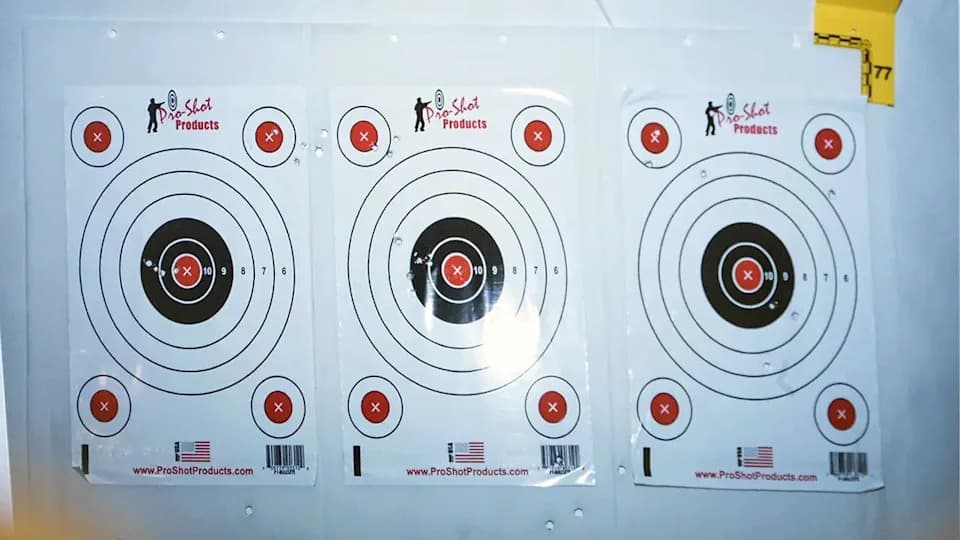
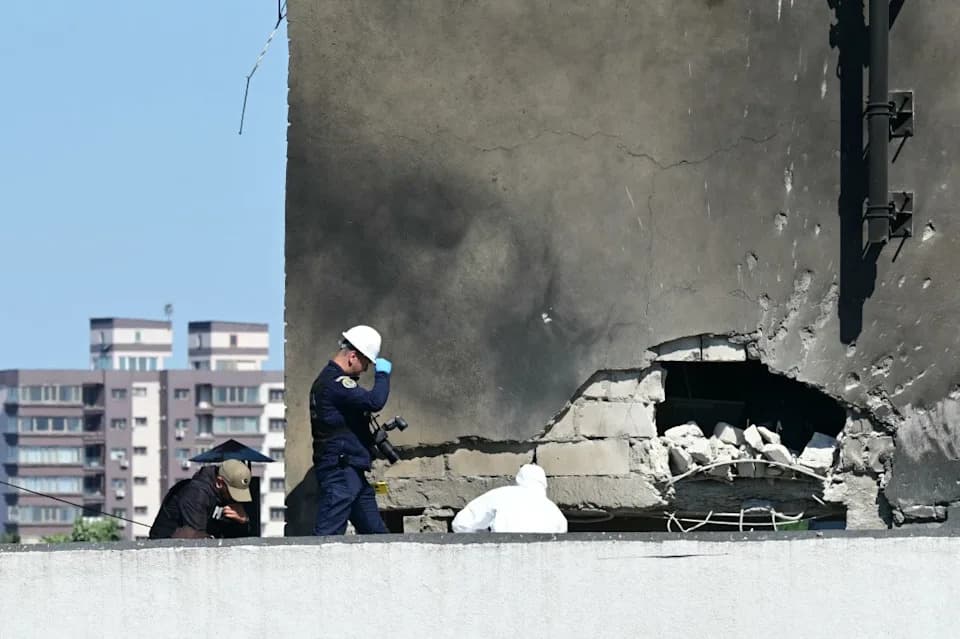
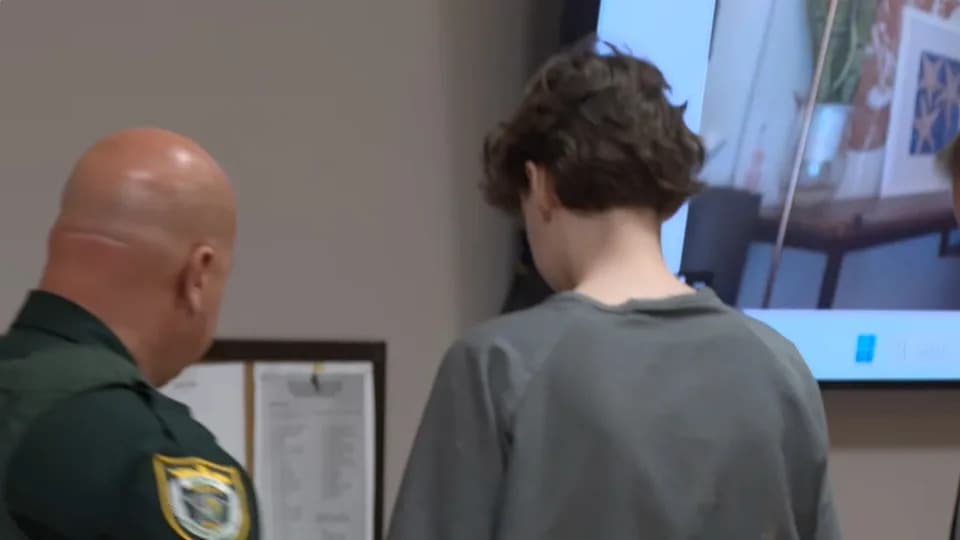
The defense in the Charlie Kirk murder case has asked a judge to bar graphic videos of the Sept. 10 shooting and to remove television and still cameras from the courtroom, saying intense media coverage risks prejudicing jurors. Legal experts warn widespread footage and political rhetoric can shape how jurors perceive evidence. Prosecutors, who plan to seek the death penalty for the accused, argue transparency should prevail and say multiple videos exist showing the shooting. The court will decide on media access and related motions ahead of trial.
Defense Asks Judge To Block Graphic Videos Of Charlie Kirk Killing, Citing Media Bias
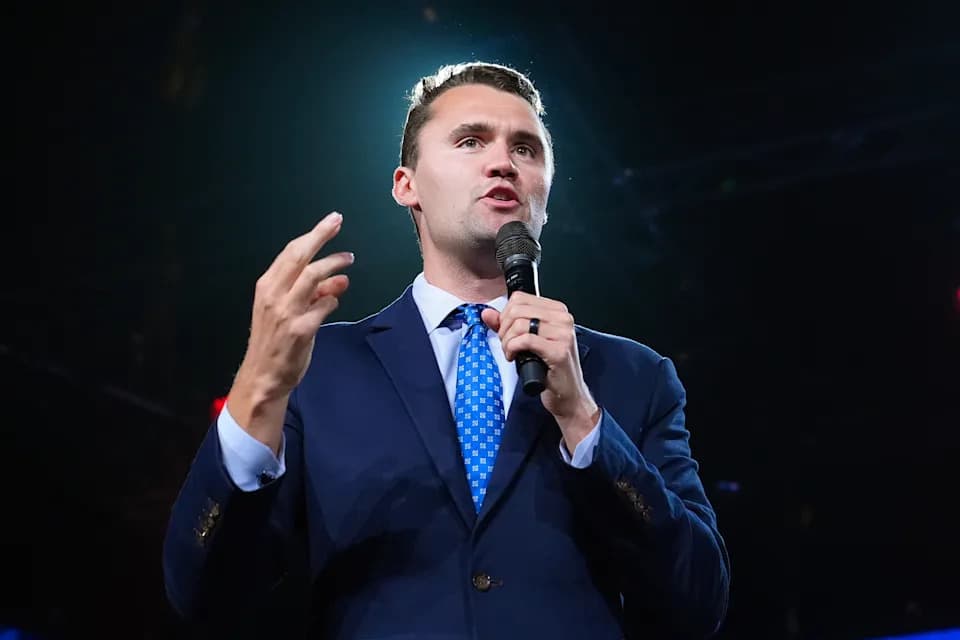
FILE - Turning Point USA Founder Charlie Kirk speaks at a Turning Point event prior to Republican vice presidential nominee Sen. JD Vance, R-Ohio, speaking, Sept. 4, 2024, in Mesa, Ariz. (AP Photo/Ross D. Franklin, File)(ASSOCIATED PRESS)
Orem, Utah — Attorneys for the man charged in the killing of conservative activist Charlie Kirk have asked a state judge to prevent graphic videos of the shooting from being shown at an upcoming hearing and to remove television and still cameras from the courtroom, arguing intense and biased media coverage could taint potential jurors.
Defense Motion
The defense argues that widely circulated footage of the Sept. 10 shooting on the Utah Valley University campus and aggressive news coverage create a risk of prejudice. In court filings, Robinson's lawyers said some outlets have treated the case as a commercial product and even used techniques like lip-reading to report on private attorney-client exchanges. They also asked the judge to seal portions of their filings about media bias, saying publicizing those claims would only generate more views and revenue for media organizations.
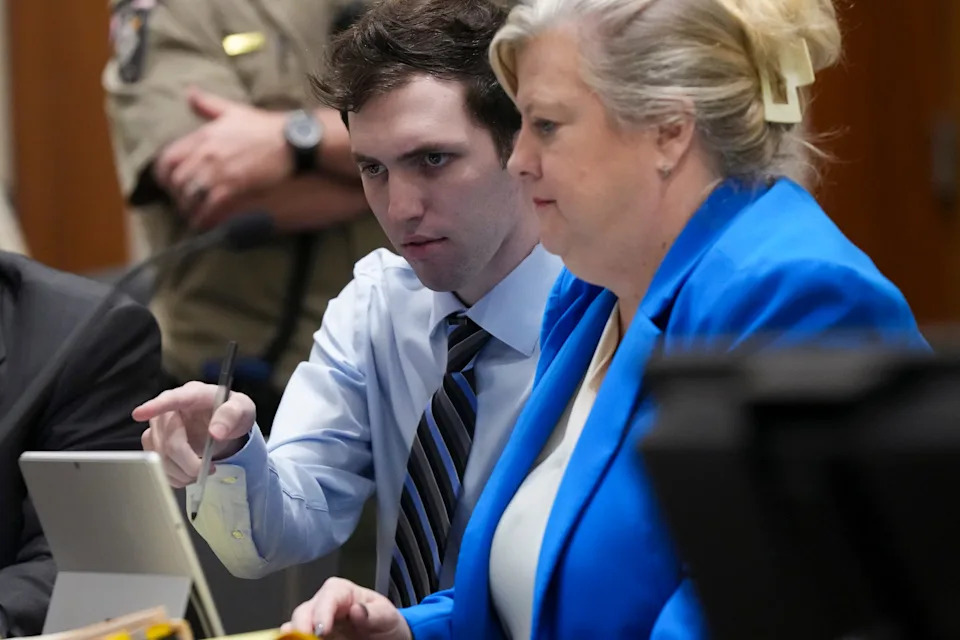
Tyler Robinson, accused in the fatal shooting of Charlie Kirk, sits beside defense attorney Kathryn Nester during a hearing in 4th District Court in Provo, Utah, on Friday, Jan. 16, 2026. (Bethany Baker/The Salt Lake Tribune via AP, Pool)(ASSOCIATED PRESS)
Prosecutors, Media Groups Push For Openness
Utah County prosecutors and attorneys for news organizations urged state District Judge Tony Graf to keep the proceedings open, saying transparency is essential in a case of high public interest. Prosecutors noted that the case will remain in the public eye and argued that openness should not be sacrificed.
Expert Views On Pretrial Publicity
Cornell Law School professor Valerie Hans, an expert on juries, warned that widespread media coverage can have a direct "biasing effect" on potential jurors. “There were videos about the killing, and pictures and analysis (and) the entire saga of how this particular defendant came to turn himself in,” she said, noting that pretrial exposure can shape how jurors interpret courtroom evidence.
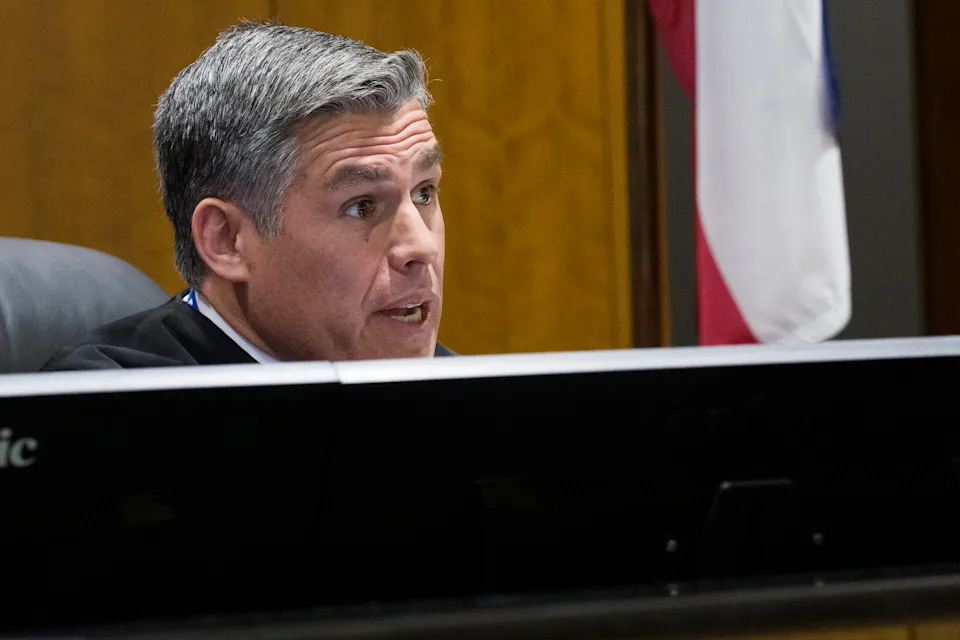
Fourth District Court Judge Tony Graf presides over a hearing for Tyler Robinson in 4th District Court in Provo, Utah, on Friday, Jan. 16, 2026. (Bethany Baker/The Salt Lake Tribune via AP, Pool)(ASSOCIATED PRESS)
“When jurors come to a trial with this kind of background information from the media, it shapes how they see the evidence that is presented in the courtroom.” — Valerie Hans, Cornell Law School
University of Utah law professor Teneille Brown added that the political context — including Kirk's role in mobilizing young voters and his group’s involvement in the 2024 election — has already fueled public speculation about the motive and identity of the shooter, complicating efforts to seat an impartial jury.
“People are just projecting a lot of their own sense of what they think was going on, and that really creates concerns about whether they can be open to hearing the actual evidence that's presented.” — Teneille Brown, University of Utah
Case Details And Stakes
Prosecutors say they will seek the death penalty for 22-year-old Tyler Robinson, who is charged with aggravated murder in the shooting. To obtain a death sentence in Utah, prosecutors must prove aggravating circumstances — for example, that the killing was especially heinous or cruel — a determination the defense says could be unfairly influenced by graphic video evidence circulating online.
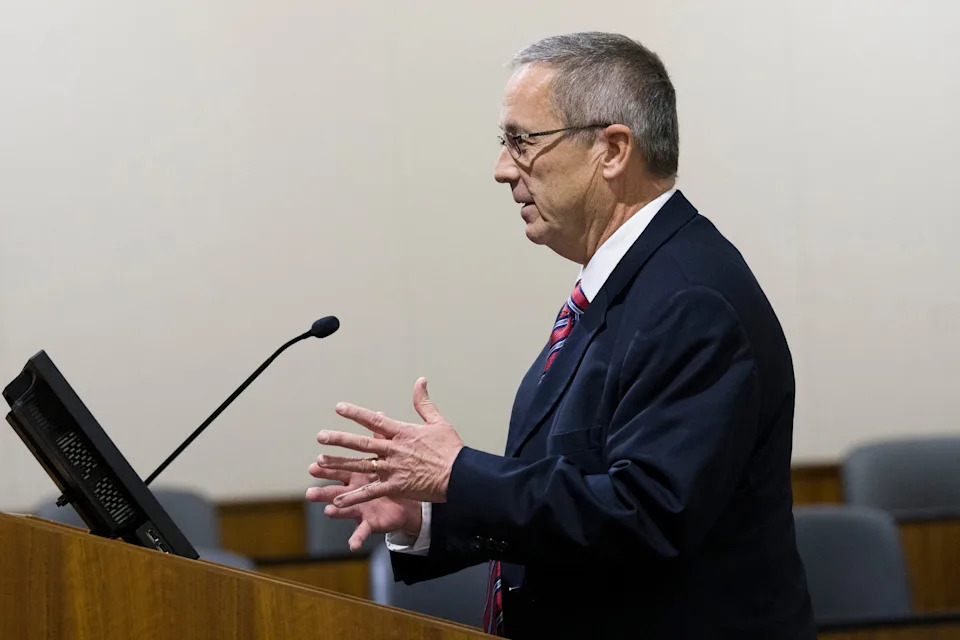
Utah County Attorney Jeff Gray addresses the court during a hearing for Tyler Robinson in 4th District Court in Provo, Utah, on Friday, Jan. 16, 2026. (Bethany Baker/The Salt Lake Tribune via AP, Pool)(ASSOCIATED PRESS)
Contested Footage
Prosecutors told the court they could present video at the hearing to show that a deputy county attorney's daughter, who attended the rally, is not a necessary witness because numerous bystanders recorded the shooting. Among the videos prosecutors described is footage they say shows the bullet striking Kirk, blood from his neck, and him falling from his chair.
Courtroom Camera Incident
Defense attorneys pointed to a Jan. 16 hearing in which a television camera operator zoomed in on Robinson's face while he spoke with counsel, violating courtroom orders. The judge stopped filming Robinson for the remainder of that hearing.
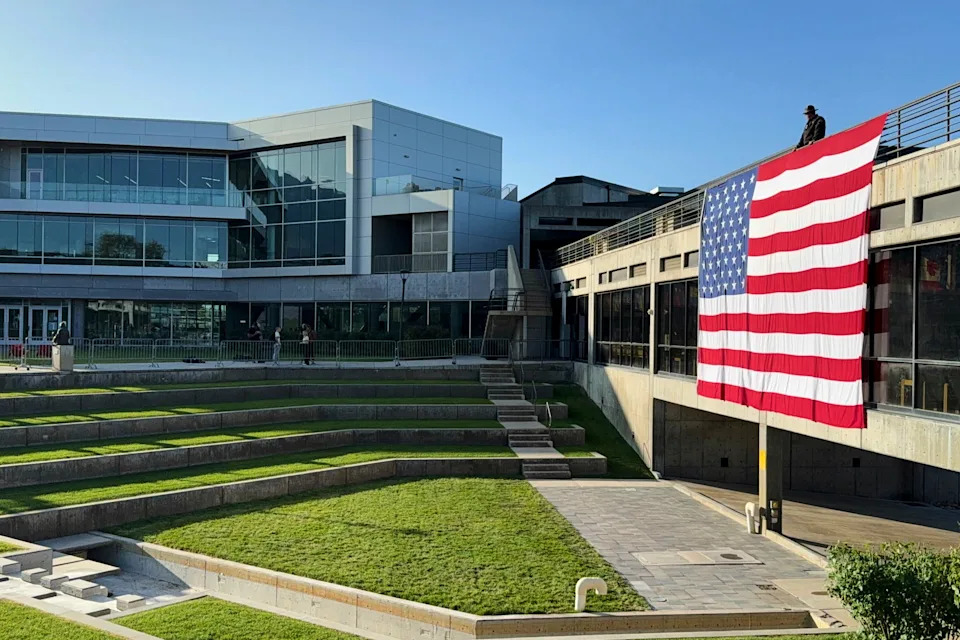
FILE - A U.S. flag hangs at Utah Valley University in Orem, Utah, Sept. 17, 2025, over the site where conservative activist Charlie Kirk was shot and killed. (AP Photo/Jesse Bedayn, File)(ASSOCIATED PRESS)
Next Steps
Judge Graf is set to rule on the defense motion and related requests, including the bid to disqualify local prosecutors over a potential conflict tied to the deputy attorney's daughter. The court's decisions on media access and the admissibility of video evidence could shape how the case proceeds as it moves toward trial.
Content Warning: This article references graphic descriptions of a violent shooting.
Help us improve.