Utah prosecutors and a coalition of media organizations oppose the defense’s request to seal a 200‑page filing that seeks camera restrictions and other confidentiality measures in the Tyler Robinson case. Prosecutors say the defense has not shown that public disclosure would deprive Robinson of a fair trial and argue jury selection, not secrecy, is the proper remedy. Media lawyers assert First Amendment rights support public access and criticize the sealed filing for obscuring the issues before the court. The case also involves an alleged text confession and a defense motion to disqualify prosecutors; Robinson faces aggravated murder charges and possible death-penalty exposure.
Prosecutors and Media Oppose Defense Bid to Seal 200‑Page Filing in Tyler Robinson Case
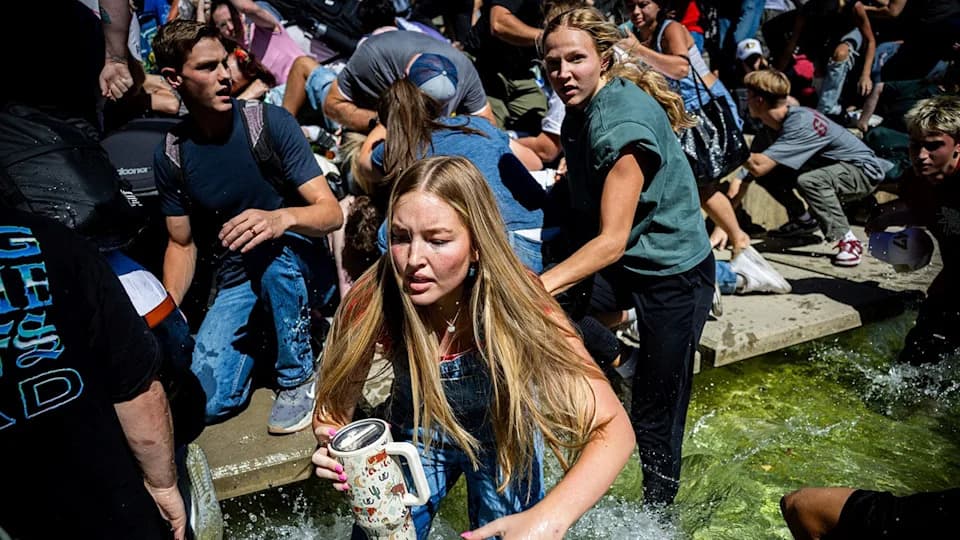
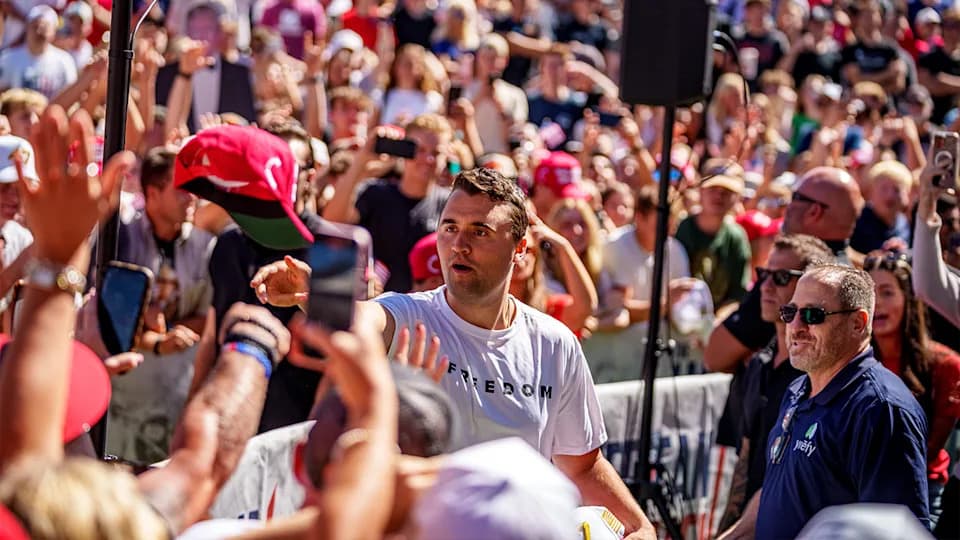
The crowd reacts after Charlie Kirk is shot during Turning Point's visit to Utah Valley University in Orem on Wednesday, Sept. 10, 2025.(AP Newsroom)
Utah prosecutors and a broad coalition of national and local news organizations are urging a judge to reject requests from Tyler Robinson’s defense to seal court filings and restrict courtroom cameras in the case accusing him of fatally shooting Turning Point USA founder Charlie Kirk.
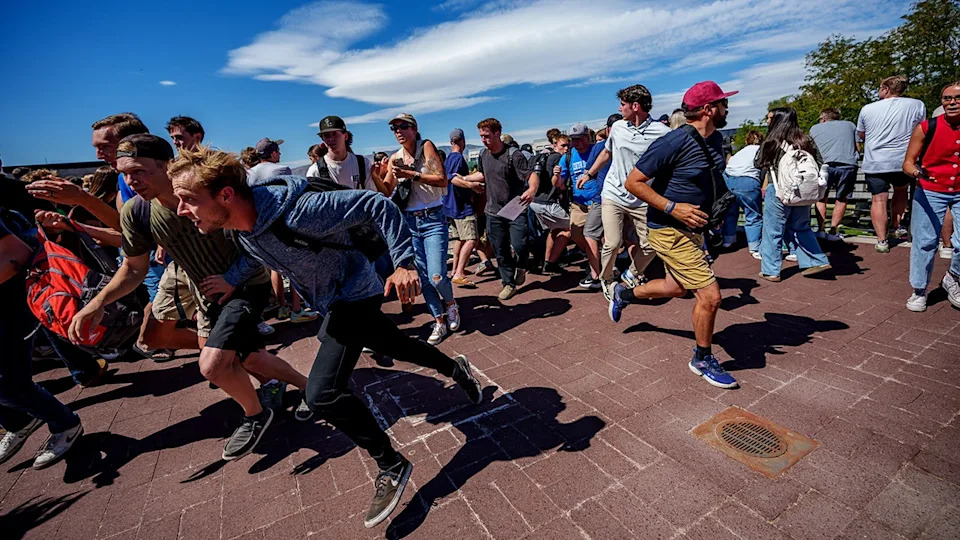
People run after shots were fired during an appearance by Charlie Kirk at Utah Valley University on September 10, 2025 in Orem, Utah. Kirk, founder of Turning Point USA, was speaking at his "American Comeback Tour" when he was shot in the neck and killed.
What Prosecutors and Media Argue
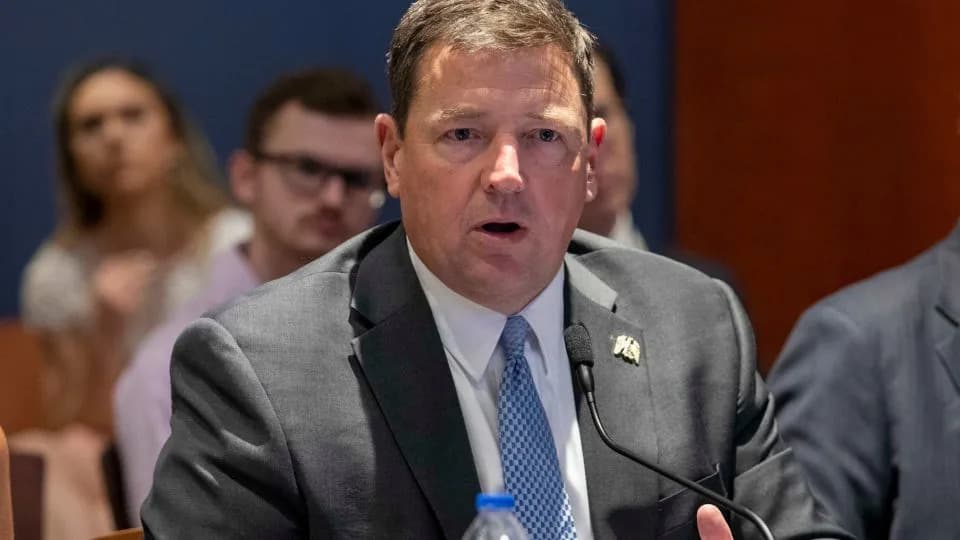
In a filing last week, Deputy Utah County Attorney Christopher Ballard said the defense has not shown why confidential treatment of its submissions is necessary or how public access would violate Robinson’s right to a fair trial. Ballard argued that concerns about pretrial publicity are properly handled through jury-selection procedures rather than via sealed, pretrial filings.
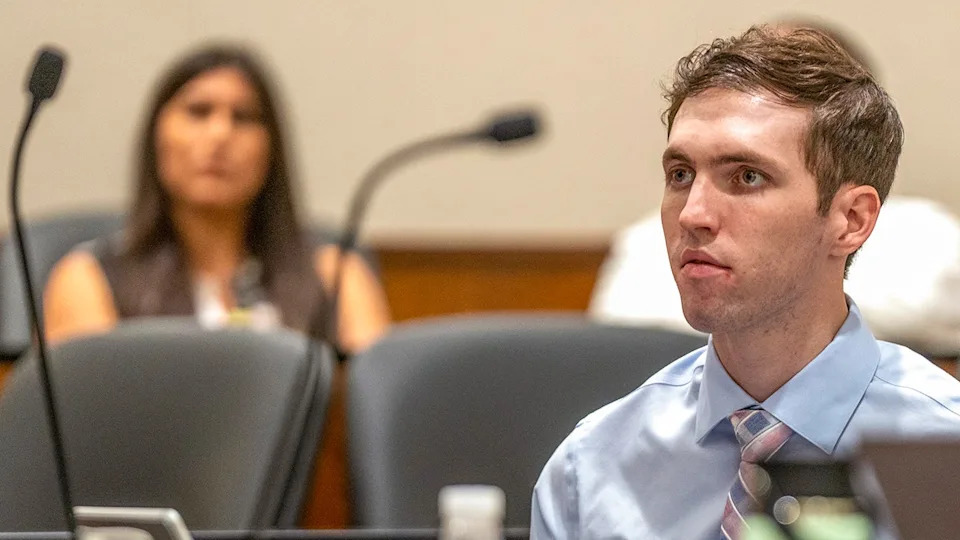
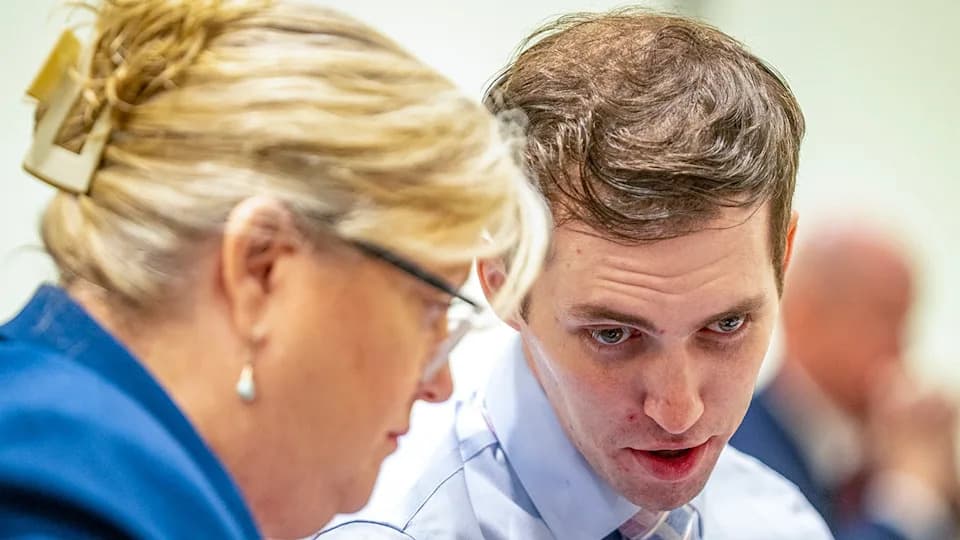
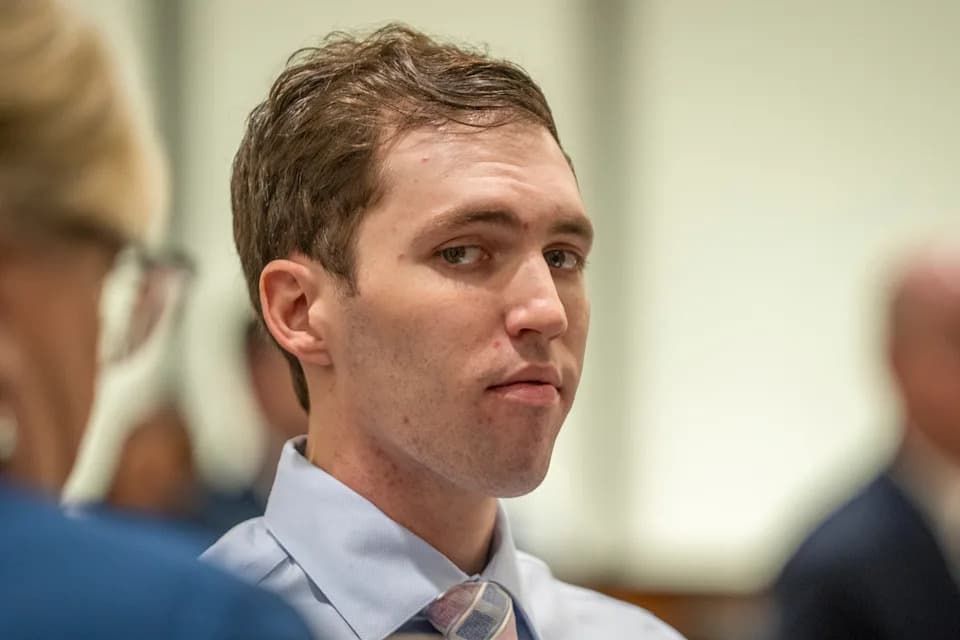
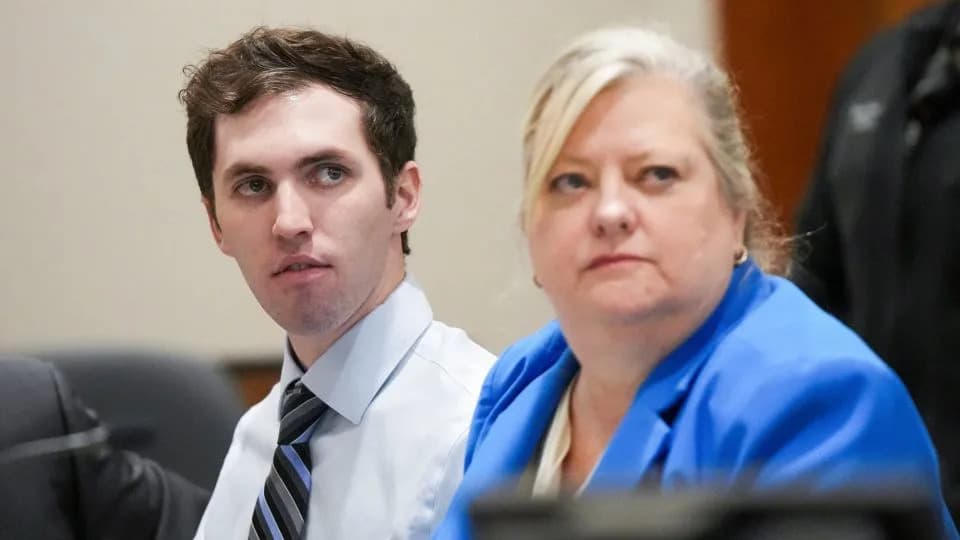
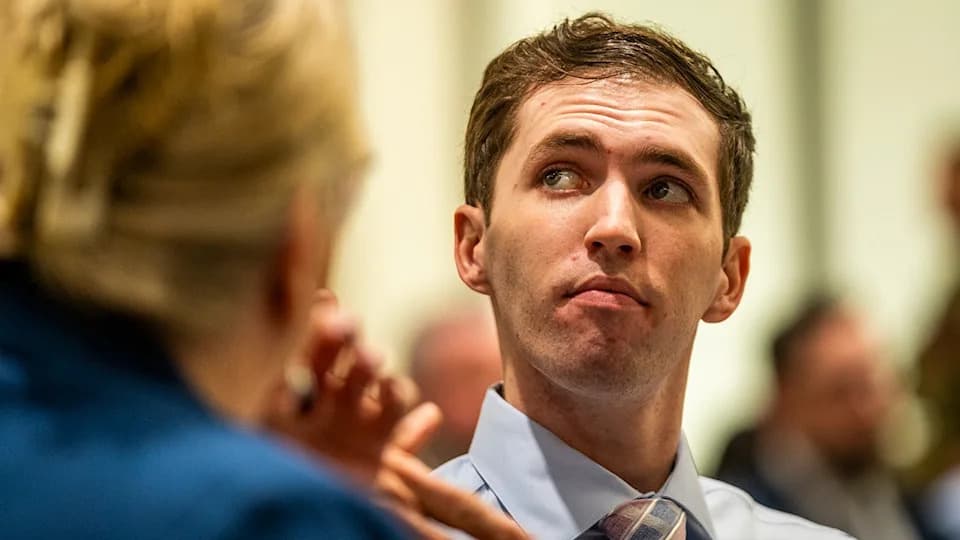
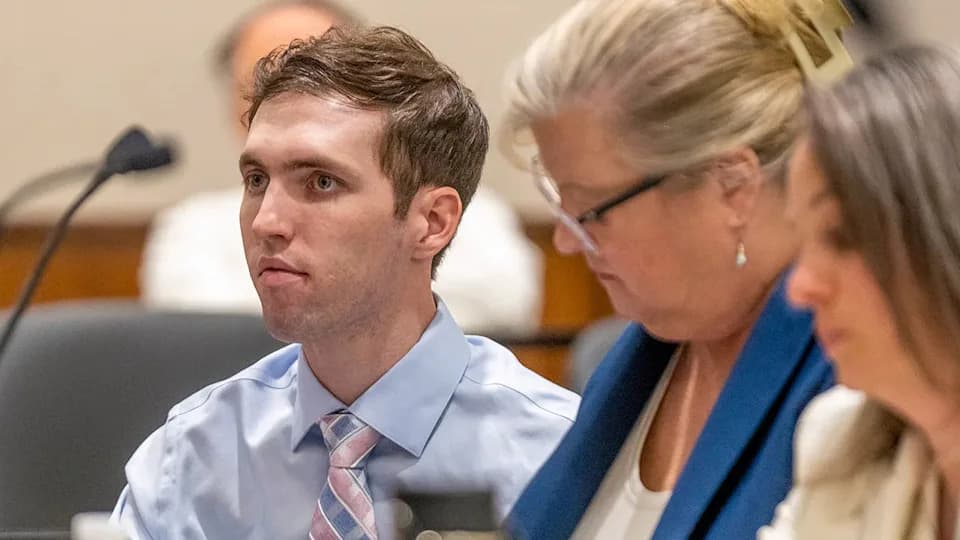
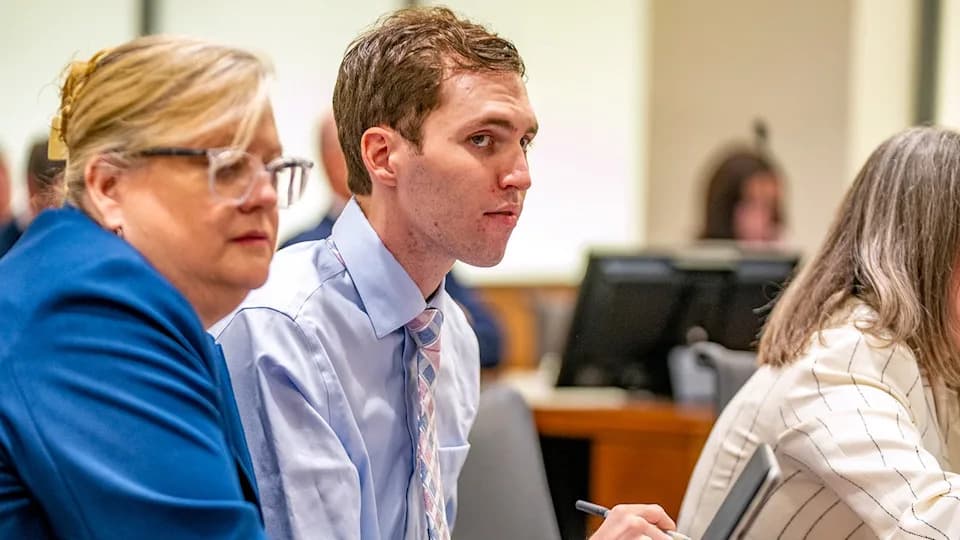
Tyler Robinson, accused of the murder of Charlie Kirk, appears during a hearing in Fourth District Court in Provo, Utah, Thursday, December, 11, 2025.
"Given Defendant's inadequate justification for restricting access to his motion, and the existence of these 'reasonable ways to ensure a fair trial' despite pre-trial publicity, Defendant has not rebutted the presumption that the public should have access to his motion," Ballard wrote.
Defense Position
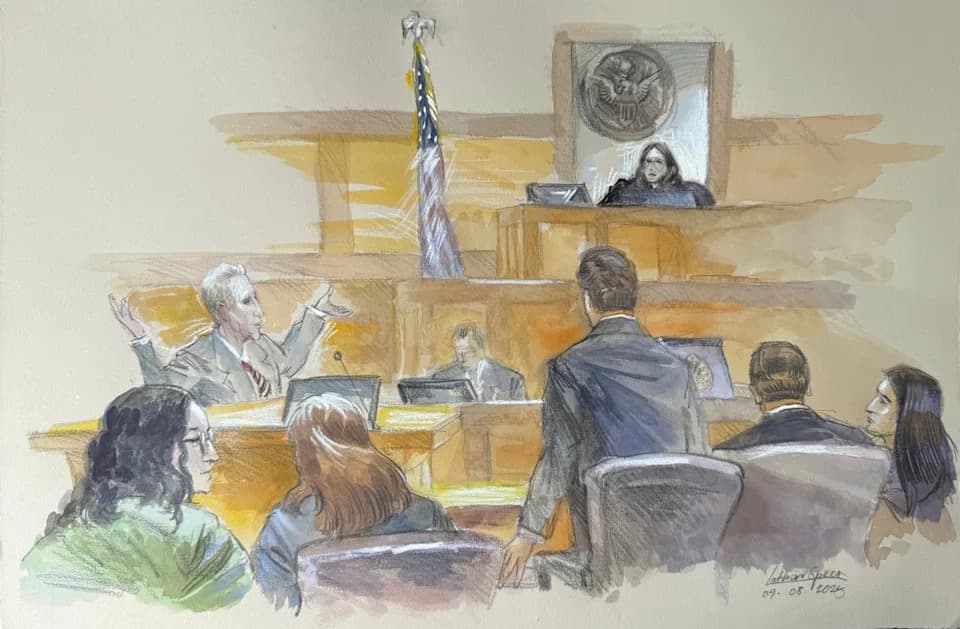
The defense filed a 200‑page motion under seal on Jan. 9 seeking, among other things, restrictions on news cameras and certain public disclosures. Defense lawyers contend that the public’s right of access is not absolute and that Robinson’s right to an impartial jury should take precedence when publicity risks prejudice. They also say close-up courtroom video has allowed so-called "lip readers" and commentators to misinterpret in-court exchanges and that some coverage has been sensationalized or violative of court orders.
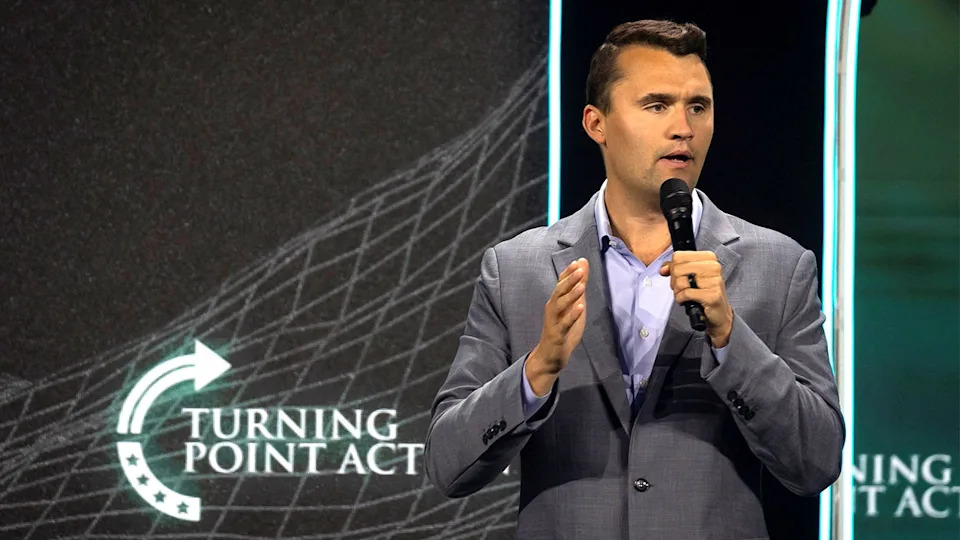
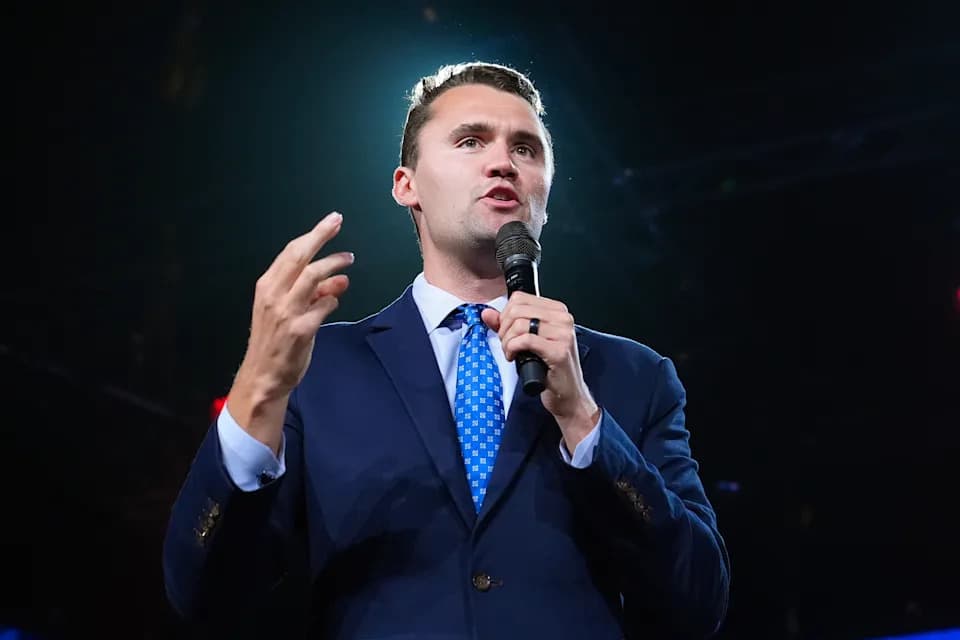
Turning Point USA founder Charlie Kirk speaks during Turning Point Action's The Believers Summit 2024 ahead of Republican presidential nominee and former U.S. President Donald Trump’s presentation, in West Palm Beach, Florida, on July 26, 2024.
Media Coalition Pushback
Media lawyers — representing outlets including Fox News and other national and local organizations — counter that secrecy is unwarranted and that sealing deprives the public of its First Amendment right to observe judicial proceedings. They say filing the motion under seal forces the media and public to guess what relief the defense seeks and undermines transparency. Media filings point to Supreme Court precedents, including the Court’s reassessment of access rights in Richmond Newspapers, as supporting public access to court records and proceedings.
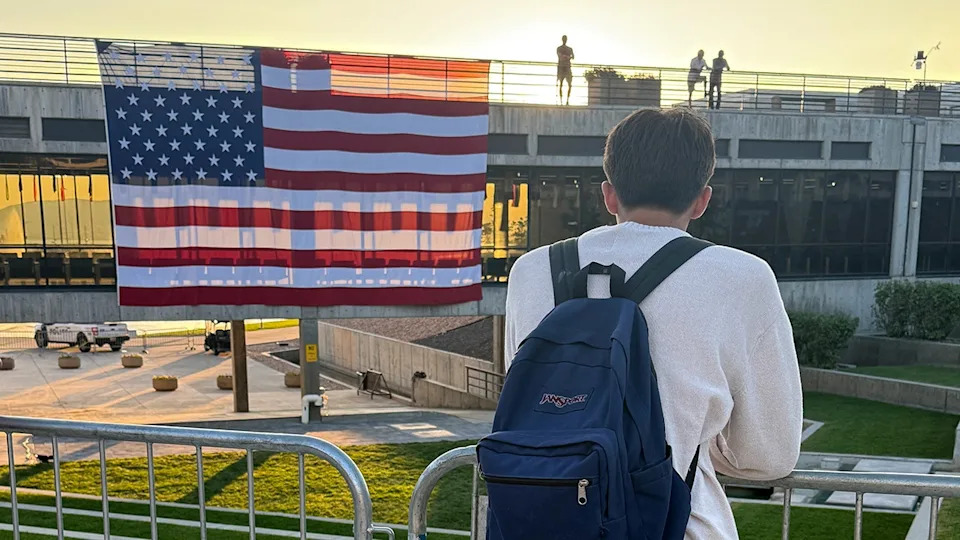
UVU students pause to reflect as they gaze over the spot where Charlie Kirk was assassinated, Orem, Utah, Wednesday, September 17, 2025. The college campus reopened today and classes resumed after being closed for a week.
Allegations in the Case
Robinson is accused of shooting Charlie Kirk from a rooftop during a public speaking event at Utah Valley University in Orem, Utah, last September. Prosecutors allege Robinson spent about a week planning the attack and have included in court filings an alleged text-message exchange with his cooperating lover and roommate, Lance Twiggs. The filings say Twiggs texted, "You weren’t the one who did it right????" and that Robinson allegedly replied, "I am, I’m sorry."
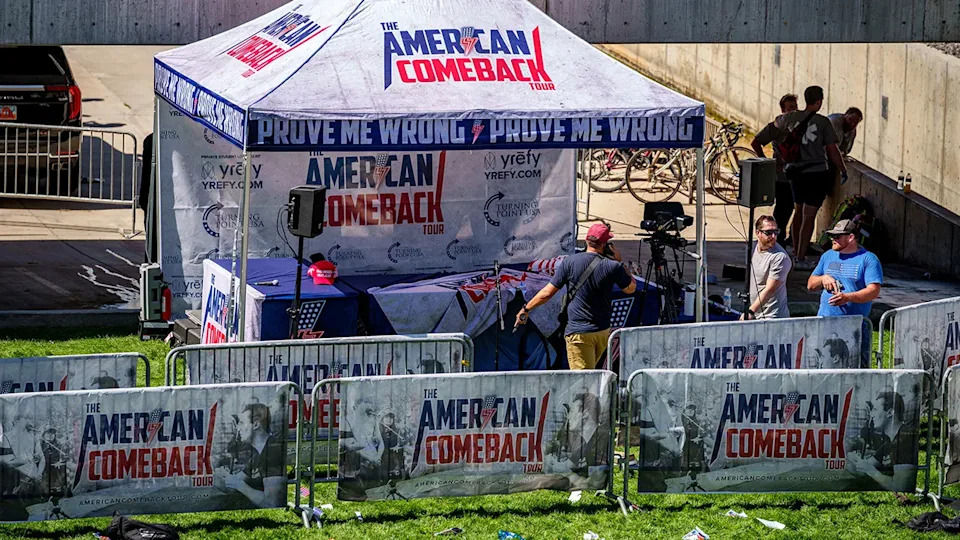
The scene after shots were fired at an appearance by Charlie Kirk at Utah Valley University on September 10, 2025 in Orem, Utah. Kirk, founder of Turning Point USA, was speaking at his "American Comeback Tour" when he was shot in the neck and killed.
Procedural Posture and Other Motions
Robinson has not yet entered a plea, and repeated postponements of preliminary hearings and arraignment mean the court has not resolved probable-cause issues. If convicted on the top count of aggravated murder, Robinson could face the death penalty. Separately, the defense has moved to disqualify prosecutors, citing a potential conflict of interest because a deputy prosecutor had an adult child who attended the UVU event; prosecutors deny any conflict. The judge is scheduled to hear continued arguments on these matters.
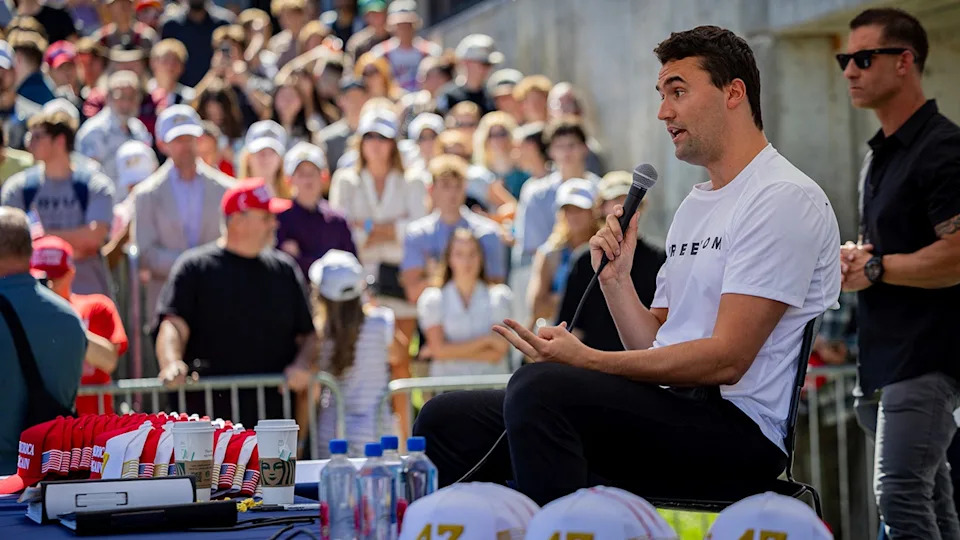
Charlie Kirk speaks before he is assassinated during Turning Point's visit to Utah Valley University in Orem, Utah on September 10, 2025.
Why This Matters
This dispute highlights the recurring legal tension between the public’s First Amendment right to access court proceedings and a criminal defendant’s Sixth Amendment right to a fair trial. Both sides have asked the judge to weigh established legal precedent against the specific facts and publicity in this highly charged case.
Help us improve.