The Hawaiian mega-ultralow velocity zone appears to be solid and iron-rich rather than unusually molten, according to a new Science Advances study. Researchers combined P- and S-wave seismic data to model rock compositions that explain the observed seismic slowdowns. The iron-rich material may help anchor and prolong the mantle plume that fuels Hawaiian volcanism, and the method can help distinguish different ULVZ origins worldwide.
Hawaii's Deep 'Mega-Blob' Is Solid and Iron-Rich — It May Anchor the Hotspot, Study Finds
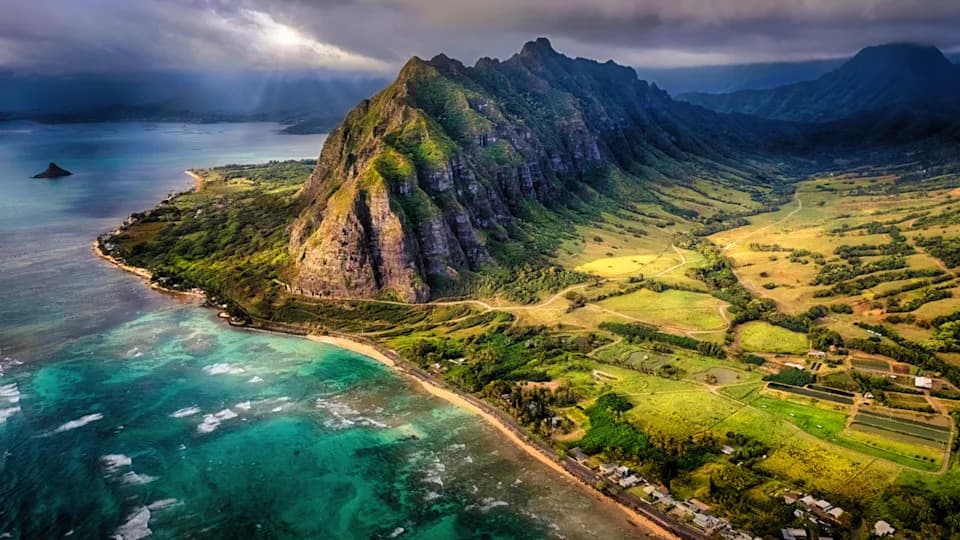
A "mega-blob" deep beneath Hawaii may be fueling a volcanic hotspot, according to a new study. . | Credit: Warren Ishii / 500px via Getty Images
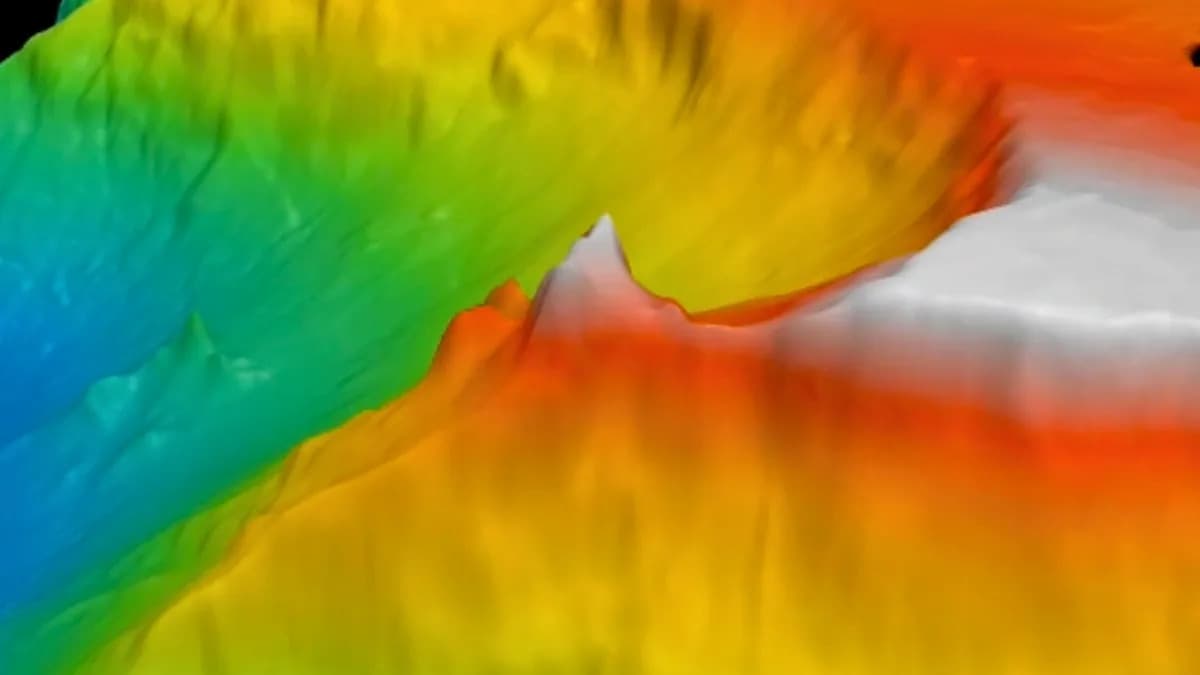
A vast, dense structure beneath Hawaii — a so-called mega-ultralow velocity zone (mega-ULVZ) — is likely composed of solid, iron-rich rock rather than a partially molten mush, according to new research published Jan. 28 in Science Advances. The finding helps explain how the Hawaii hotspot, which fuels the islands' long-lived volcanism, might remain stable over geological time.
What Researchers Found
Using a technique that combines both compressional (P) and shear (S) seismic waves, the team led by Doyeon Kim of Imperial College London modeled rock and mineral compositions that match the unusual slowdown of seismic waves under Hawaii. Their results indicate the mega-ULVZ is dense, solid, and enriched in iron — a composition that largely rules out the idea that this region is exceptionally molten.
“Because it's iron-rich material, it is going to be electrically more conductive, and that will actually promote thermal conduction — so it will actually help localize the plume to last longer,” said Doyeon Kim, the study's lead author.
Why This Matters
ULVZs sit near the boundary between Earth's mantle and core, roughly 1,800 miles (2,900 kilometers) below the surface. Mega-ULVZs are the largest of these regions and are often found beneath volcanic hotspots such as Hawaii, Iceland and the Marquesas Islands. Iron-rich, conductive material in the mega-ULVZ could help stabilize and localize the mantle plume that supplies heat and magma to surface volcanoes, explaining why some hotspots are long-lived.
Possible Origins
The study narrows the list of plausible origins for the Hawaiian mega-ULVZ. Candidates include relics from the crystallization of an ancient basal magma ocean, recrystallized melt from past mantle melting, deeply subducted water-rich oceanic crust, or even material derived from the core. Kim and colleagues stress that not all mega-ULVZs need have the same origin — the combined P- and S-wave approach can help distinguish different types worldwide.
Broader Implications
By giving scientists a clearer window into deep-Earth composition and dynamics, this method improves our ability to classify ULVZs and to understand how planetary interiors evolve. Determining whether these deep structures are solid, molten, or mixed affects models of heat transport, plume longevity, and the geological history of Earth and other rocky planets.
Study: Kim, D. et al., published Jan. 28, Science Advances.
Help us improve.