This column argues that ideological echo chambers on the left create hardened, simplified narratives and "alternative facts" much like right-wing silos do. It reviews several examples — from the Palin–Giffords myth to contested claims about Gaza, Minnesota threats, and the deaths of Renée Good and Alex Pretti — showing how viral accounts often omit important context or rely on questionable data. The piece urges readers to verify evidence, question emotional narratives and hold all sides accountable for accuracy.
Echo Chambers Aren’t One-Sided: How the Online Left Produces Its Own 'Alternative Facts'

“It’s very weird posting here and then going elsewhere on the internet,” observed Jeremiah Johnson, co-founder of the Center for New Liberalism. “Outside of like Truth Social, this is the only social media network with a large pro-ICE contingent. This is a 95/5 issue on Insta, TikTok, Reddit, Twitch, YouTube, etc., everywhere but here. … The morons trapped in Elon’s bubble have no idea how bad this is for them.”
Johnson’s jab at X (formerly Twitter) is worth a chuckle, but it should not distract from a broader point: tightly moderated platforms and ideologically curated feeds can narrow reality on both sides of the political spectrum. Much attention is rightly paid to right-wing echo chambers; but the left also contains insulated online communities where falsehoods, conspiracies and simplified narratives spread unchecked and harden into accepted "facts."
When Narratives Outpace Evidence
Online misinformation is not unique to one ideology. Occasionally, rapid reactions after a crisis produce persistent myths. For example, in the aftermath of the 2011 Tucson shooting that injured Rep. Gabby Giffords and killed six people, some commentators suggested a political callout by former Alaska Gov. Sarah Palin had inspired the attacker. That claim had no solid evidentiary foundation; it began as an immediate, speculative assertion and later surfaced in other venues, including an editorial mention by a major newspaper. Palin sued for defamation and lost — a result shaped by the high legal bar public figures face — but the episode shows how quickly an unverified claim can become part of an accepted narrative within certain communities.
Data, Labels and Simplified Explanations
Broad-brush claims also appear in debates about political violence. Some on the left argue the political right is responsible for almost all recent political violence. Reaching that conclusion sometimes requires classifying disparate incidents — including prison-gang or gang-related violence — as "right-wing" when those cases do not clearly fit that label. Those methodological choices can dramatically change headline numbers and mislead readers who do not inspect the underlying data.
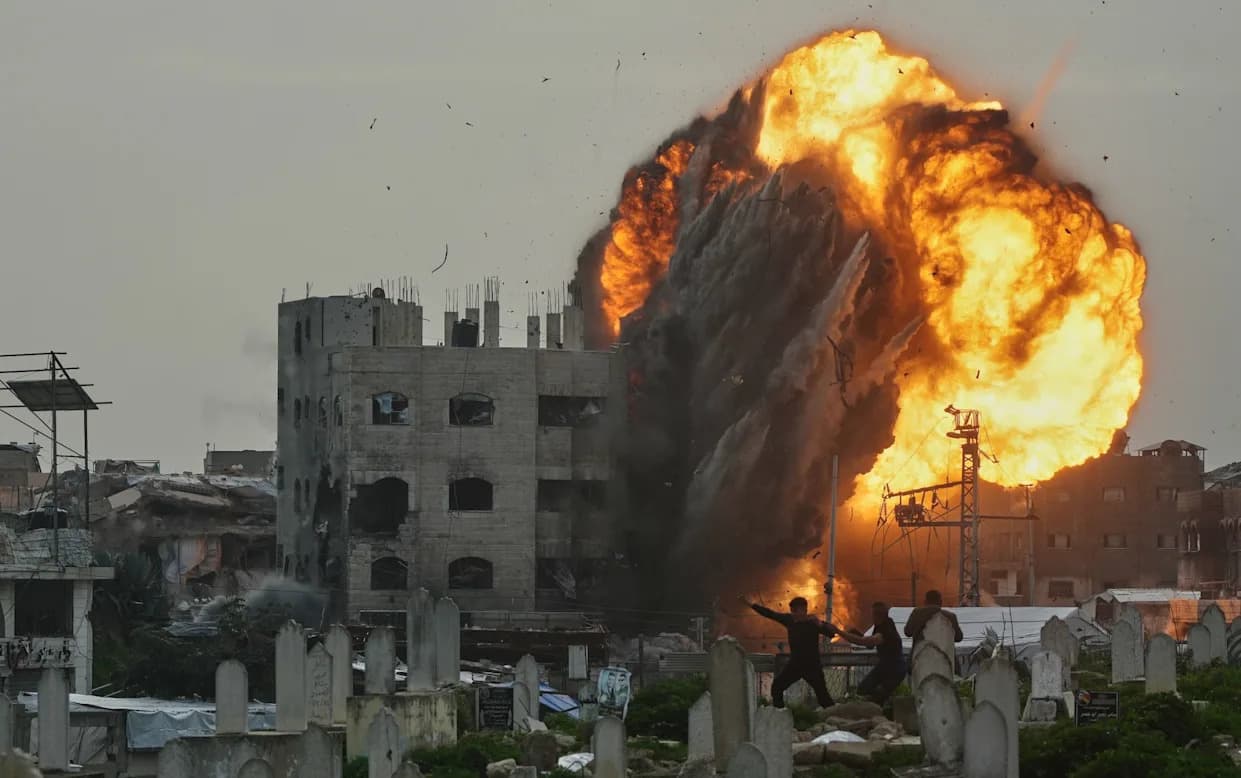
On the Israel–Hamas war, many progressives insist genocide is taking place in Gaza. The war has produced devastating civilian suffering; whether the term "genocide" legally applies depends on proving intent to destroy a national, ethnic, racial or religious group. That legal threshold is intensely contested in public debate and not established by casualty counts alone. Critics point to Israel’s stated intent to degrade Hamas’s military capabilities — an objective that, while devastating to civilians in practice, differs from the narrow legal definition of genocide.
Complex Cases Reduced to Simplified Stories
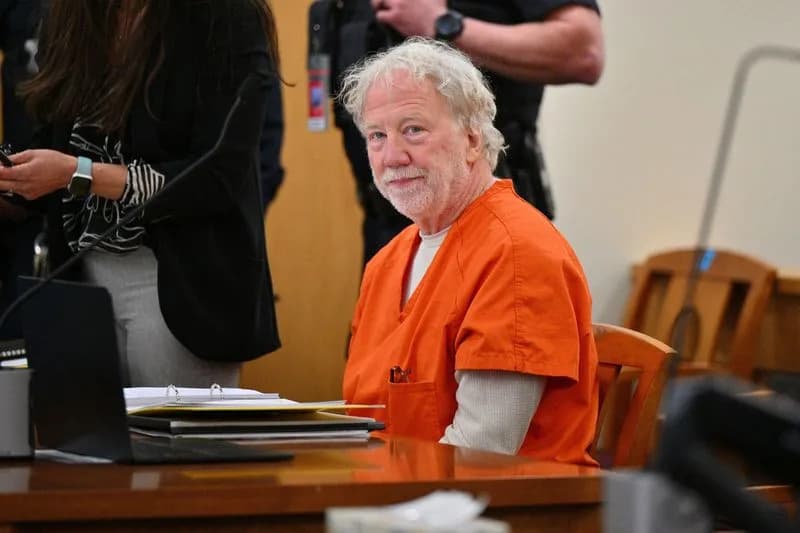
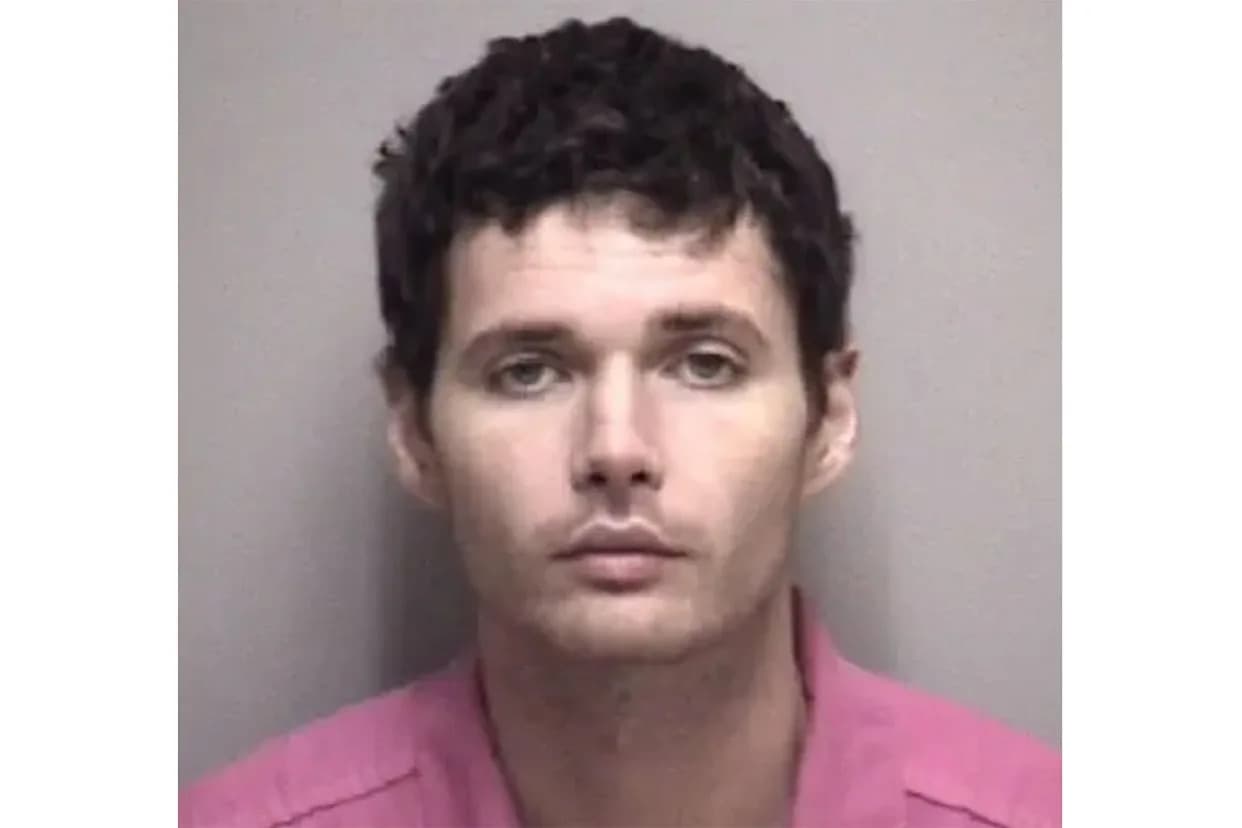
Several incidents that circulated widely on progressive feeds illustrate this dynamic. After threats against Minnesota Democrats, some commentators portrayed state Sen. John Hoffman and House Speaker Melissa Hortman as the targets of an ideologically driven assassin. A closer review of the accused individual’s writings and claims shows a mix of delusion and conspiracy thinking rather than a coherent, politically motivated manifesto.
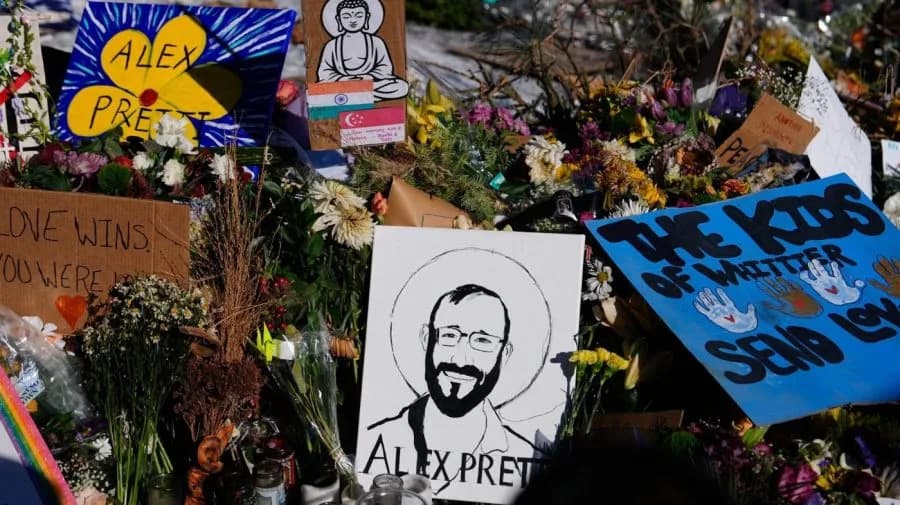
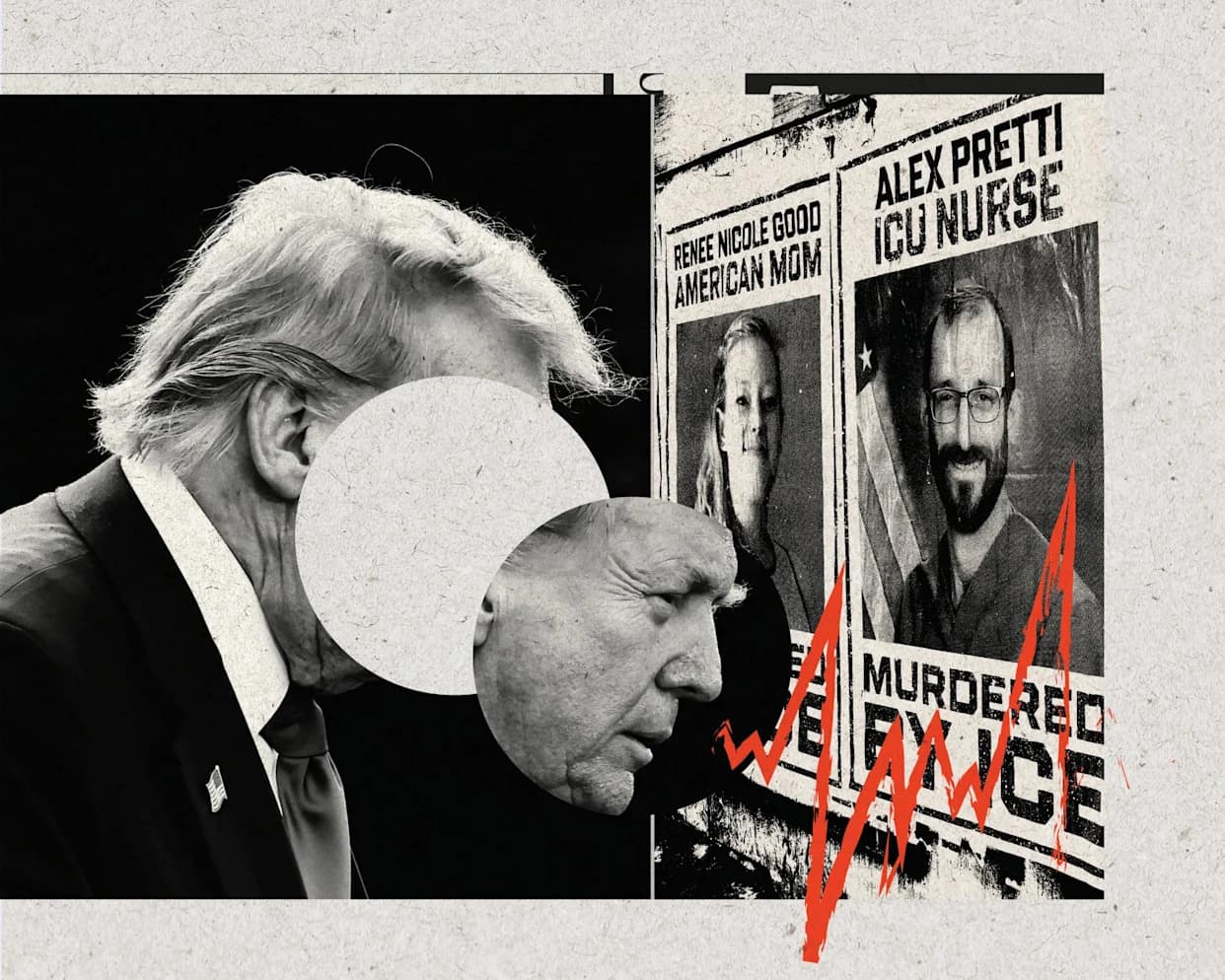
Similarly, the deaths of Renée Good and Alex Pretti were often presented online as straightforward, unprovoked killings by immigration agents: Good as returning from dropping children at school, Pretti as a gentle nurse directing traffic. Available bodycam and other footage complicate those narratives by showing both individuals engaged in efforts to impede law enforcement operations. Whether the officers’ actions were lawful or excessive remains a separate, vital question; the point here is that the popular social-media narratives simplified complex situations into moral certainties.
Faulty Claims and Professional Consequences
Misinformation about high-profile violent incidents can also have professional consequences for journalists and commentators who repeat unverified claims. In one widely discussed episode, a columnist shared quotations attributed to a slain public figure that later proved to be fabricated; that error contributed to professional fallout for the columnist. Other commentators continued to characterize the killing in partisan terms even after available evidence suggested a more complicated motive related to the assailant’s stated grievances.
Why This Matters
Echo chambers on both the left and right can amplify grievances, normalize inaccurate accounts and, in some cases, contribute to real-world violence. The remedy is not symmetrical blindness — calling out falsehoods wherever they appear — and cultivating habits of verification: follow primary sources, check context, scrutinize data classifications and resist emotional shortcuts that make stories simpler than they are.
Becket Adams is a longtime journalist and media critic based in Washington.
Help us improve.