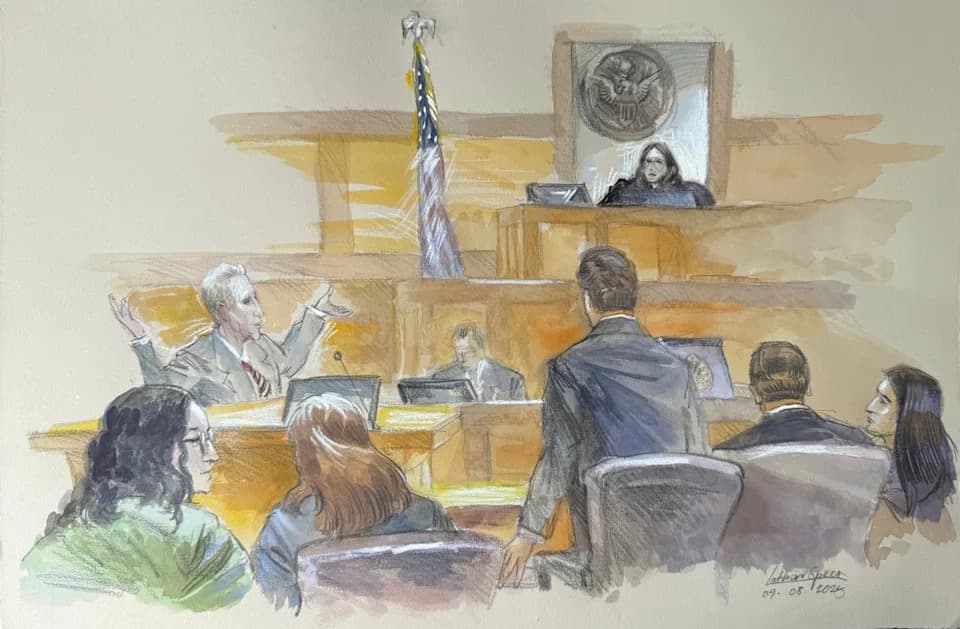
Jonathan Turley argues that the response to Alex Pretti’s death reveals a recurring political pattern: rapid sanctification of individuals to serve partisan narratives. He highlights media manipulation — including an AI-enhanced photo and an altered image shown by a senator — and notes that video evidence does not show Pretti threatening officers, though authorities say he resisted arrest. Turley draws parallels with the French Revolution’s martyr-making and warns that deifying people and demonizing institutions deepen polarization and hinder just investigations.
The Remaking of Alex Pretti: How Sanctification and Demonization Feed Political Rage

“Show me a hero, and I will write you a tragedy.” That line from F. Scott Fitzgerald feels especially apt for how Alex Pretti has been portrayed since he was killed during a confrontation with federal officers in Minneapolis on January 24, 2026.
“Show me a hero, and I will write you a tragedy.” — F. Scott Fitzgerald
Pretti has been elevated by many on the left — labeled a “hero” and a “martyr” — and his image and story have been amplified, and in some cases altered, to fit a clear narrative. A media outlet, MS NOW, acknowledged using an AI-enhanced photograph that made Pretti appear more conventionally handsome. Senator Dick Durbin was criticized for displaying an altered image on the Senate floor that suggested officers shot a kneeling Pretti in the head.
What We Know—and What Remains Unresolved
Video that has circulated does not show Pretti threatening officers or approaching them with a weapon. At the same time, authorities say he disobeyed police orders and resisted arrest during the confrontation. Officials also point to an incident eleven days earlier in which Pretti allegedly spat at officers, damaged a police vehicle by kicking out its taillight, and again resisted officers.
Pretti has been described as a nurse at a Veterans’ hospital. He was also publicly opposed to immigration enforcement and belonged to a group that filmed and sometimes disrupted ICE operations. The facts of January 24 remain the subject of ongoing investigations; many observers, however, have already chosen sides.
Historical Echoes: Martyr-Making and Political Drama
The rapid sanctification of Pretti and the demonization of law enforcement echo historical patterns. In the French Revolution, Jacobins and sympathetic artists transformed divisive figures into idealized martyrs. Jacques-Louis David’s The Death of Marat turned the murder of a leading and violent revolutionary into a devotional image — a striking example of how politics can reframe a life and death.
That process of embellishment and mythmaking can harden public opinion and make compromise and calm investigation harder. Political leaders and commentators sometimes stoke outrage for short-term advantage: Minnesota Gov. Tim Walz repeated a debunked narrative about a so-called “bait boy” and compared undocumented people being sought for removal to Anne Frank, a comparison condemned by the United States Holocaust Memorial Museum. Protesters have answered with signs carrying violent slogans, including “Kill Nazis.”
Why This Matters
Deifying individuals and demonizing institutions are powerful tools to mobilize crowds and shape political outcomes. When either side turns a contested incident into an article of faith, the chances of a measured, evidence-based inquiry diminish. The tragedy here is not only that a man died, but that the event is being pulled into an already polarized landscape where facts become subordinate to narrative.
Neither Pretti nor the officers involved were flawless. The available evidence suggests a complex, contested episode that could have unfolded differently through other actions or decisions — and that ambiguity should counsel caution. The investigations underway are the proper venue to determine responsibility; until they conclude, public discourse would benefit from restraint and a commitment to factual clarity.
Jonathan Turley is a law professor and the author of Rage and the Republic: The Unfinished Story of the American Revolution.
Help us improve.