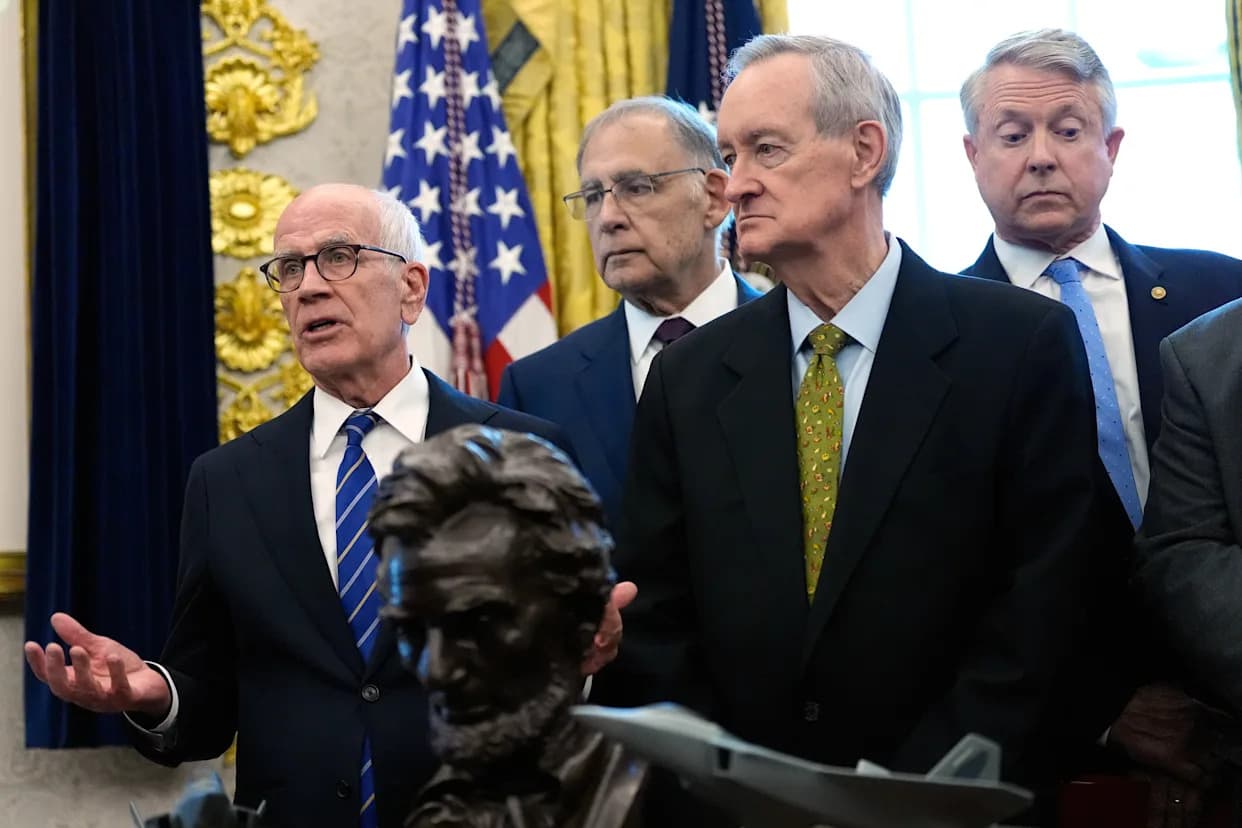
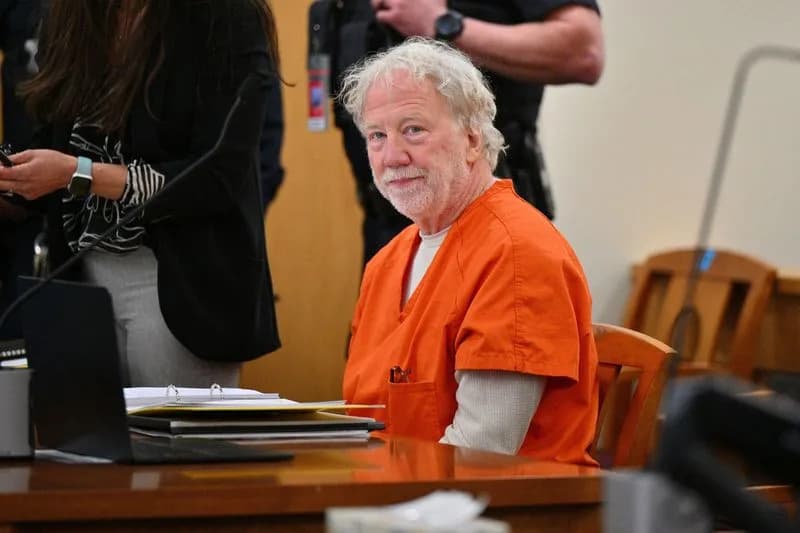
White Zimbabwean farmers have hired a U.S. lobbying firm with ties to Donald Trump to press for $3.5 billion in compensation for land seized during the 2000s. They hope to capitalize on recent White House allegations of discrimination against white people in parts of southern Africa. Campaigners told Bloomberg lobbyists are trying to secure Trump’s support, even as claims of a "genocide" in South Africa have been widely debunked. The seizures occurred amid a controversial land reform programme intended to address colonial-era dispossession.
Zimbabwe’s White Farmers Seek Trump’s Backing for $3.5B Land Compensation
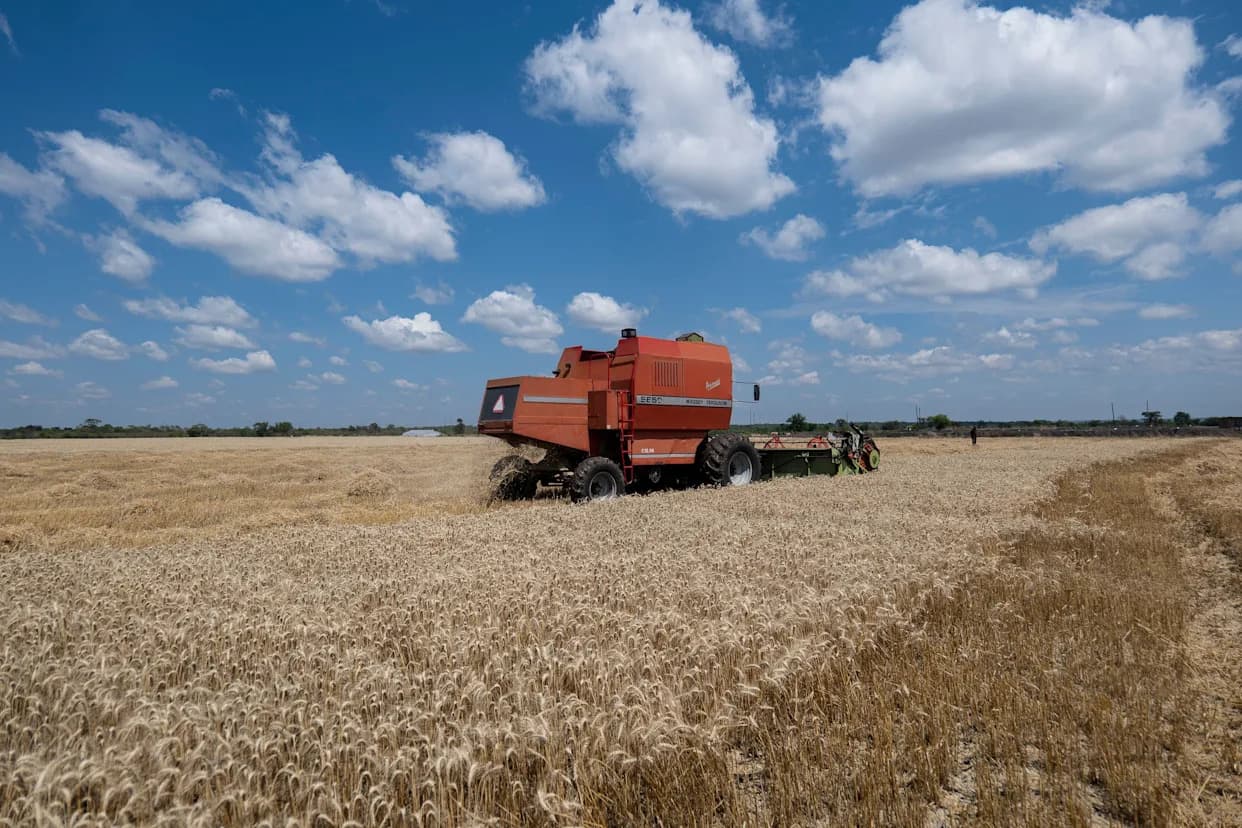
White farmers in Zimbabwe have turned to U.S. political connections as they press for $3.5 billion in compensation for land seized during the chaotic land reforms of the 2000s.
According to Bloomberg, the group has hired a U.S. lobbying firm with ties to former President Donald Trump to present their case to the White House and other U.S. officials. Campaigners hope to leverage recent White House statements alleging that white people in parts of southern Africa face discrimination by Black-majority governments.
“They are lobbying on our behalf to see if we can get Trump to agree to something,”
said a Zimbabwean farmer involved in the campaign, speaking to Bloomberg.
Background and Context
Thousands of white-owned commercial farms were seized—often forcibly—during Zimbabwe's land reform program in the late 1990s and 2000s. The programme was aimed at addressing colonial-era land dispossession, but it frequently involved violent evictions and produced contested legal and political outcomes. Farmers and their advocates now seek financial redress from the Zimbabwean state and are pursuing international avenues to bolster their case.
Claims and Controversy
Former President Trump has repeatedly asserted that a "genocide" against white South Africans is underway, a claim that has been widely debunked by analysts and fact-checkers. Still, campaigners see an opportunity to use sympathetic attention from some U.S. officials to strengthen their bargaining position.
The lobbying effort underscores how domestic grievances in Zimbabwe are being internationalized and connected to broader geopolitical narratives. It also raises questions about how U.S. political influence might shape outcomes in disputes over land restitution and compensation.
Help us improve.