Suni Williams, a veteran NASA astronaut with a 27-year career, announced her retirement after an unexpectedly prolonged Boeing Starliner test mission that became her final spaceflight. Williams logged 608 days in space and 62 hours across nine spacewalks, ranking second among NASA astronauts by cumulative days and holding multiple in-orbit firsts, including a space triathlon. The Starliner mission was extended to more than nine months after vehicle issues prompted NASA to return the capsule uncrewed; Boeing and NASA plan another uncrewed test while fixes are made.
Suni Williams Retires After Extended Boeing Starliner Test Flight — End Of A 27-Year NASA Career
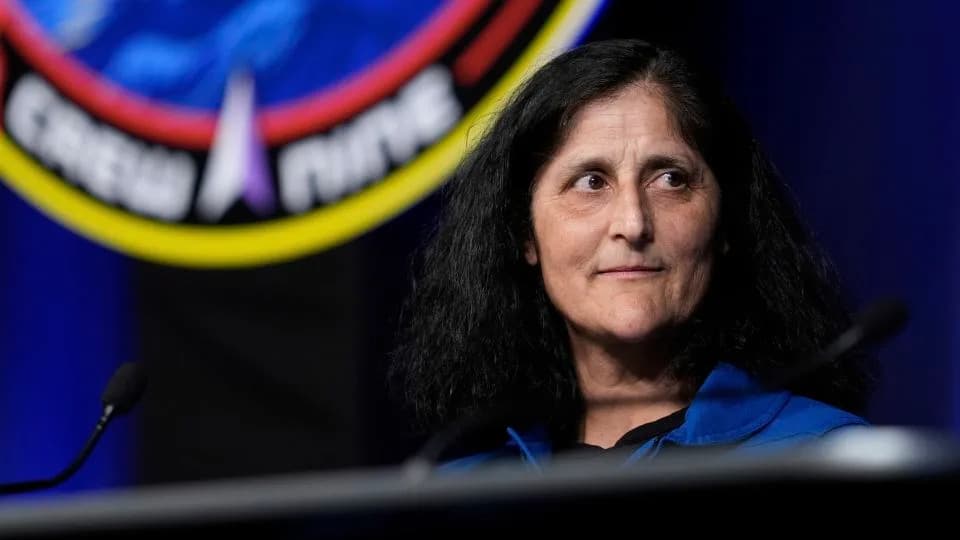
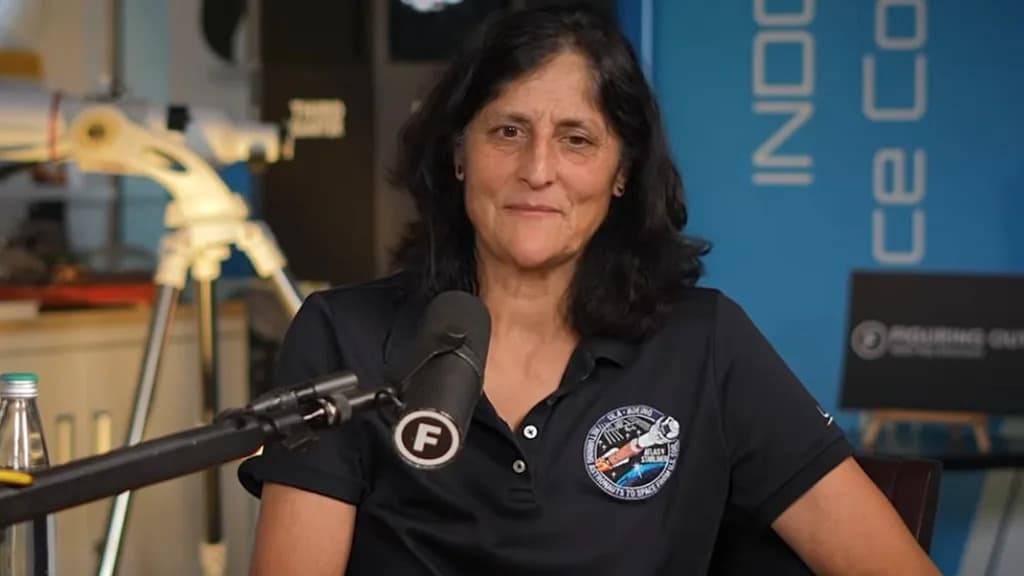
Astronaut Suni Williams talks to reporters during a press conference at NASA's Johnson Space Center in Houston in March 2025. - Ashley Landis/AP
Longtime NASA astronaut Sunita “Suni” Williams announced her retirement on Tuesday, confirming that the unexpectedly extended Boeing Starliner test mission will be her final flight as an active member of the agency's astronaut corps.
Career Overview
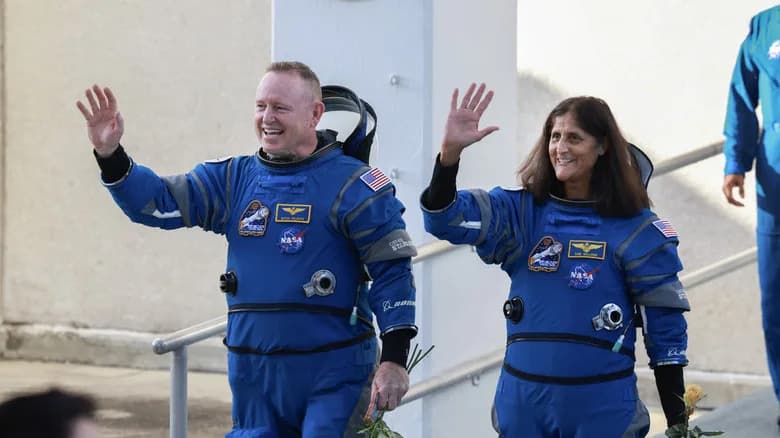
Williams joined NASA in 1998 and finished a distinguished 27-year career that included three spaceflights and numerous milestones. She first visited the International Space Station in 2006 aboard Space Shuttle Discovery, returned to orbit in 2012 aboard a Russian Soyuz capsule, and concluded her flying career with the high-profile Starliner test mission alongside fellow NASA astronaut Butch Wilmore.
Starliner Test Flight And The Unexpected Extension
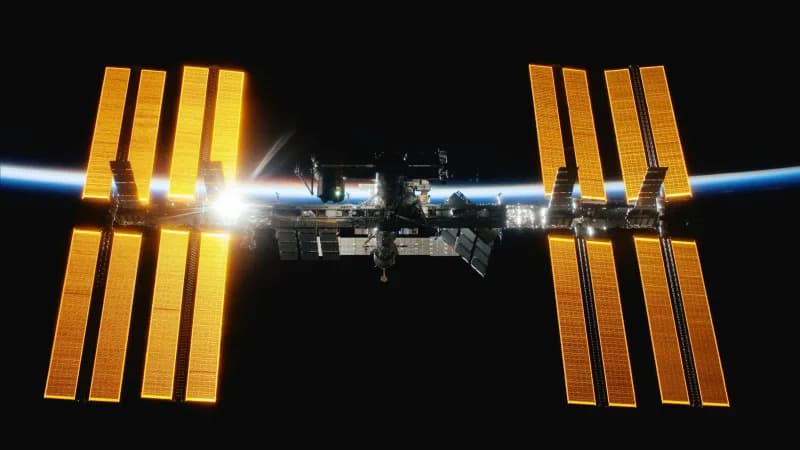
The Starliner mission, intended as a brief weeklong test stay at the ISS, turned into an unexpectedly long deployment: Williams and Wilmore remained in orbit for more than nine months after technical issues arose aboard the Starliner during transit. Due to safety concerns, NASA opted to bring the capsule back to Earth uncrewed while the two astronauts completed their mission aboard the station.
During the flight the Starliner experienced thruster outages and gas leaks. Both astronauts, however, repeatedly emphasized they were well prepared for the extended stay and that they enjoyed their time on the ISS.
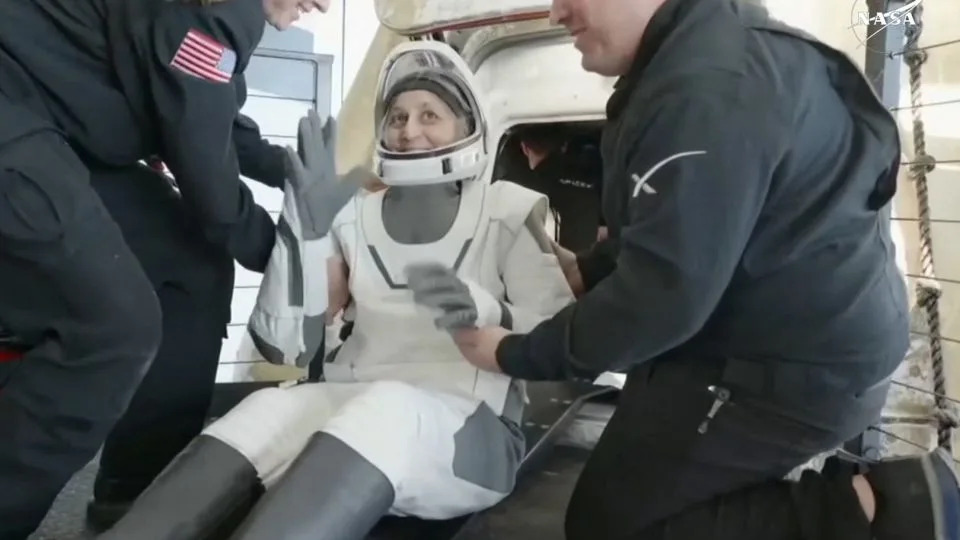
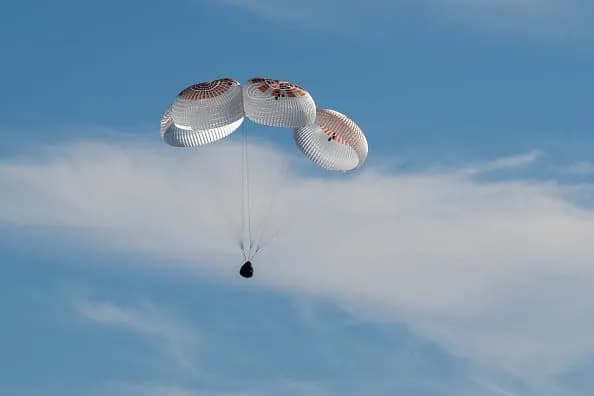
Suni Williams exits the Crew Dragon capsule after she and Butch Wilmore, and two other astronauts, splashed down off Florida's coast following a return from the International Space Station in March 2025. - NASA TV/Reuters
Records, Firsts And Contributions
Over her career Williams logged 608 days in space, the second-highest total among NASA astronauts behind Peggy Whitson. She accumulated 62 hours of extravehicular activity across nine spacewalks — the most EVA time for a woman astronaut and fourth-highest globally.
Williams also set several unique firsts in orbit: in 2007 she became the first person to run a marathon in space, and in 2012 she completed the first in-space triathlon using a stationary bike, a resistance device to simulate swimming and a harnessed treadmill run.
"Anyone who knows me knows that space is my absolute favorite place to be," Williams said. "It’s been an incredible honor to have served in the Astronaut Office and have had the opportunity to fly in space three times."
Vanessa Wyche, director of NASA’s Johnson Space Center, called Williams a "pioneering leader" whose achievements and test-flight role will inspire future explorers.
What’s Next For Starliner And NASA
NASA has said the next Starliner flight will be uncrewed as the agency and Boeing address the vehicle's technical issues. Williams and Wilmore have indicated they would fly on Starliner again if given the opportunity, praising the spacecraft's capabilities while acknowledging the need for fixes.
Williams framed her retirement in the context of broader exploration goals: work aboard the ISS helps lay the foundation for future Artemis missions to the Moon and, ultimately, Mars.
Help us improve.