SNCF’s Optimum Plus — a premium Paris–Lyon TGV option advertised as a “calm space” that would bar under-12s — sparked widespread political and public backlash, prompting the company to withdraw the wording and affirm that children are welcome. Critics warned the move was damaging at a time France’s birthrate is at a historic low; supporters argue some travellers reasonably want quieter, work-friendly carriages. The dispute has prompted proposals to ban excluding children from public services and intensified debate over family policy and public tolerance.
France’s ‘No-Kids’ Train Zone Sparks National Outcry Over Family Policy
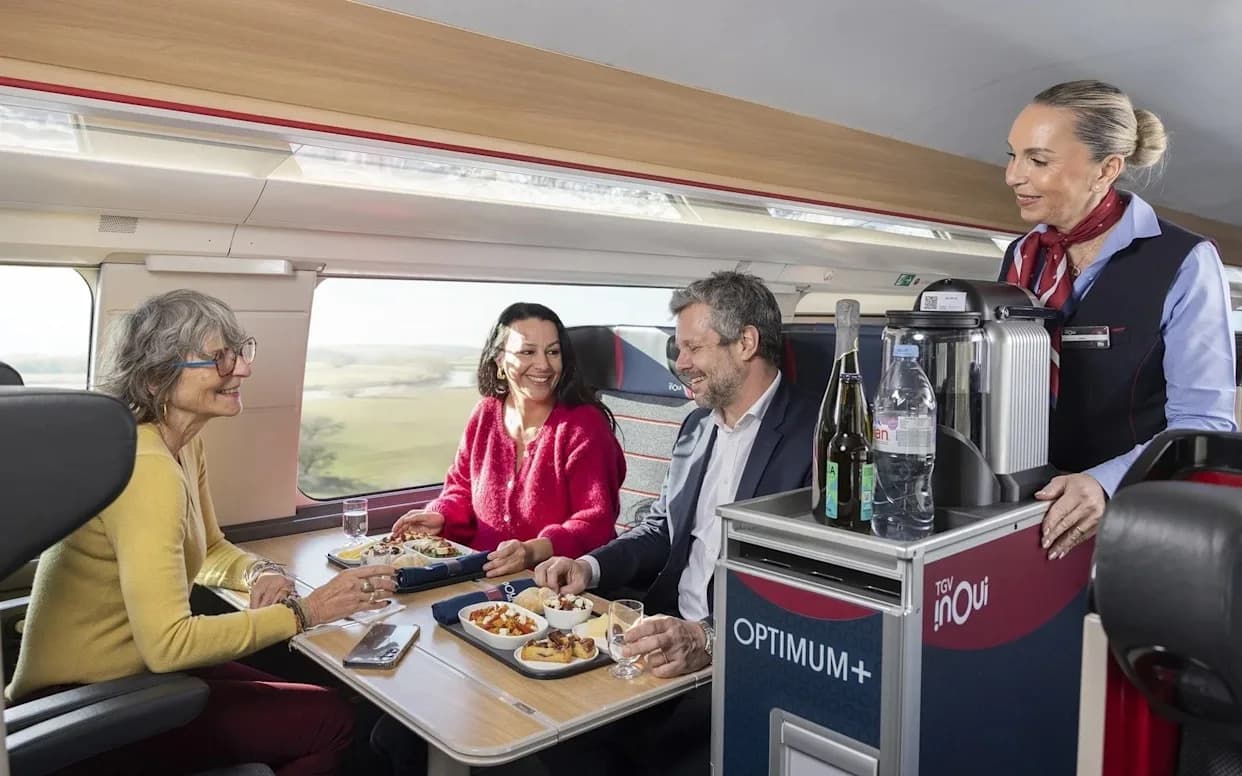
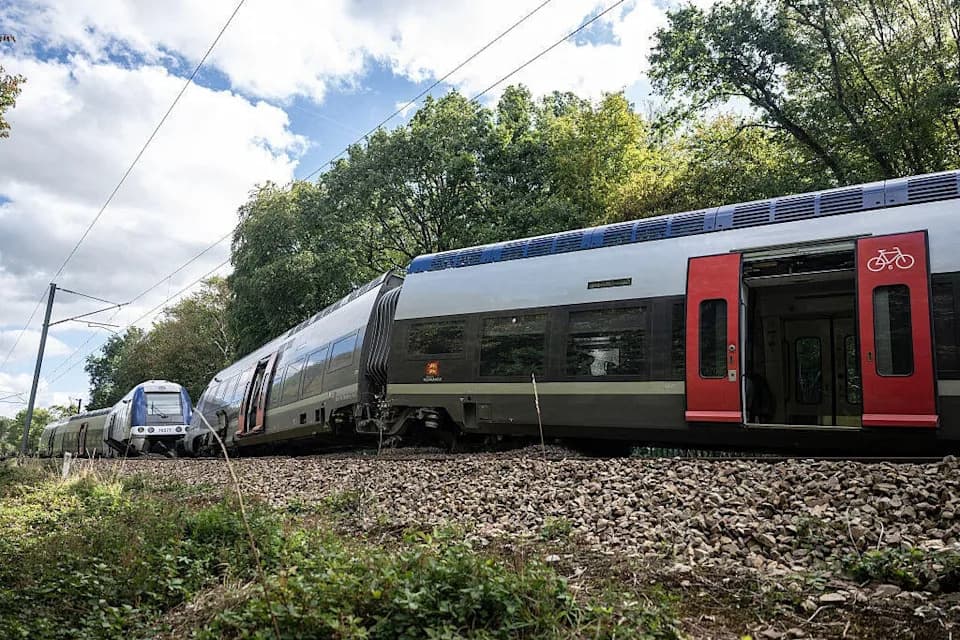
‘Would you like a child with that?’ ... the state operator, SNCF, banned children at certain times on the Paris-Lyon TGV
SNCF’s launch of a premium “no kids” option on its busiest Paris–Lyon TGV route has provoked an intense national debate about civility, public space and France’s falling birthrate. The operator’s Optimum Plus package — marketed to business travellers with fixed pricing, lounge access, seat meals and a promised “calm space on board” — drew fierce criticism after a line in its promotional copy stated: “to ensure maximum comfort in the dedicated space, children are not accepted.”
Within hours the wording was withdrawn and SNCF apologised for the “awkward marketing phrase”, insisting that children remain welcome on all trains while defending Optimum as a product for customers seeking quieter conditions. The company said Optimum seats represent roughly 8% of weekday capacity and are not offered at weekends.
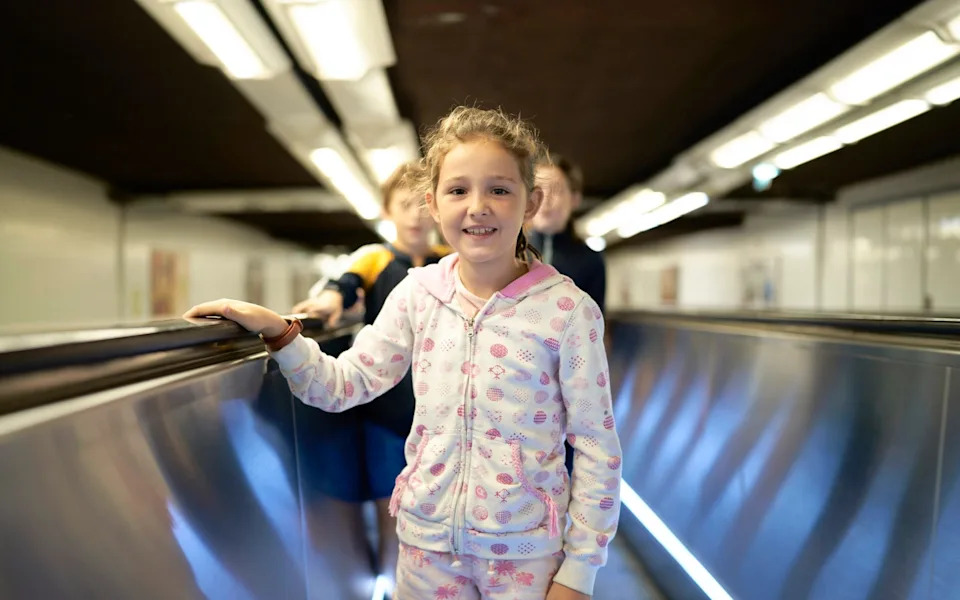
France has been in uproar over whether children are becoming persona non grata in public life - Moment RF
Political Backlash
The announcement triggered condemnation from across the political spectrum. Critics argued the policy sent a harmful message at a sensitive demographic moment: France’s birthrate has fallen to its lowest level since World War II, and in 2025 deaths reportedly exceeded births for the first time since 1945.
“A red line has been crossed… France’s leading public transport company is now giving in to the ‘no kids’ trend,”
Other politicians described the wording as “deeply harmful” or emblematic of an “anti-family” shift. Independent MP Constance de Pélichy, who chairs a parliamentary fact-finding mission on birth rates, called the episode evidence that society may be growing less tolerant of children and has proposed a draft law to ban excluding children from public services and spaces.
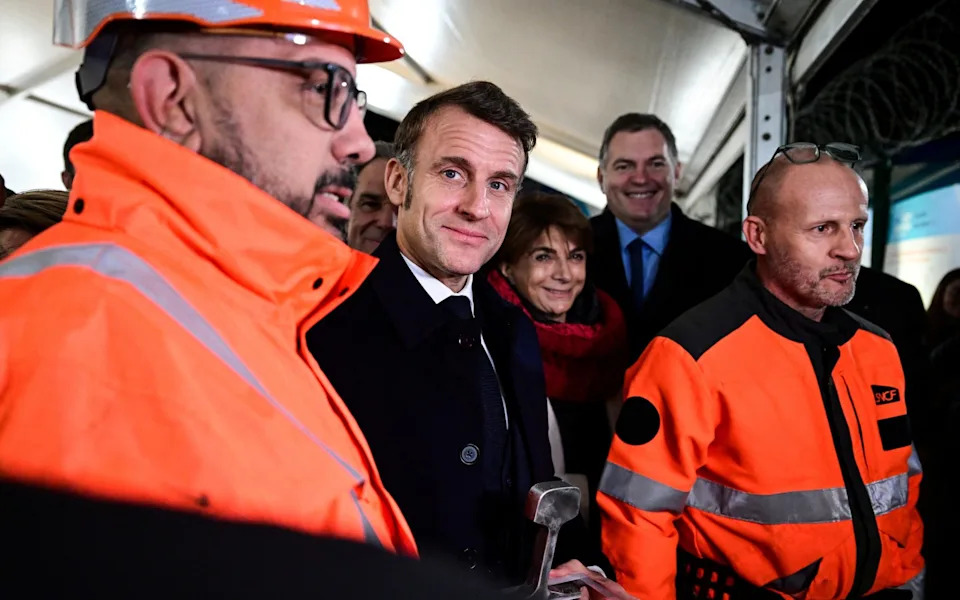
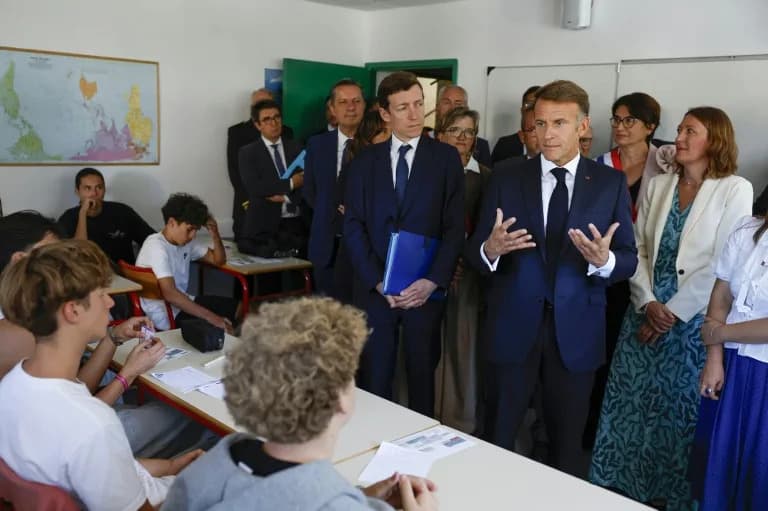
France’s falling birth rate has prompted frantic calls for a ‘demographic rearmament’ from Emmanuel Macron - Miguel Medina/AFP
Public Reaction and Context
Supporters of child-free zones point to customer demand for quiet, especially as mobile work becomes more common. An Odoxa poll found 54% of respondents backed childless areas on trains. SNCF highlighted that 8.4 million children travelled on its network in 2025, a significant rise compared with five years earlier, as evidence it remains family-oriented.
France already offers strong family supports — heavily subsidised creches and childminders, free schooling from age three, holiday clubs and the Carte Familles Nombreuses, which provides discounts of 30% for three children, 40% for four, 50% for five and 75% for six or more.
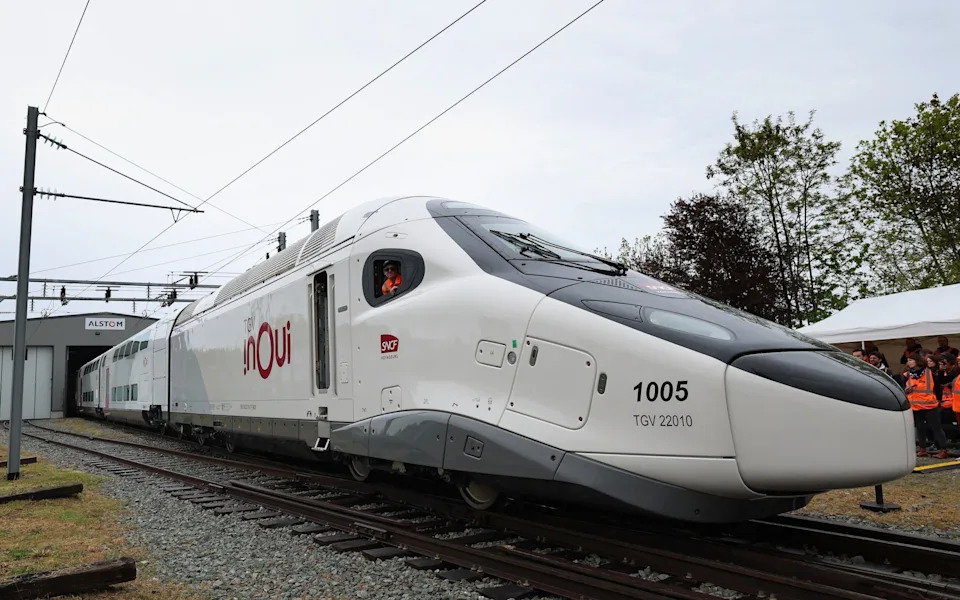
SNCF says it remains heavily geared towards families
Voices On Both Sides
Psychologist Caroline Goldman blamed the spread of “no kids” areas on lax parenting and eroded behavioural boundaries. Conversely, author Pamela Druckerman described the idea of child-free train sections as unreasonable but conceded that, for people working on journeys, a quieter environment is understandable — adding that loud phone calls by adults are often more disruptive than children.
As the government and public square off over whether dedicated quiet spaces normalise exclusion or simply respond to customer needs, the episode has become a flashpoint in a broader national conversation about family policy, civility in public spaces and demographic priorities.
Help us improve.