British Columbia has ended its three-year decriminalization pilot, which allowed possession of up to 2.5 grams of hard drugs without arrest. Health Minister Josie Osborne said the program "has not delivered the results we hoped for," and critics highlighted failures to scale up housing, treatment and prevention. Advocates argue the aim was to stop repeated short jail terms and reduce barriers to services, while high-profile public incidents and comparisons to Oregon's rollback fueled a broader debate about implementation and safety.
'It Wasn't Working': British Columbia Ends Three-Year Drug Decriminalization Experiment
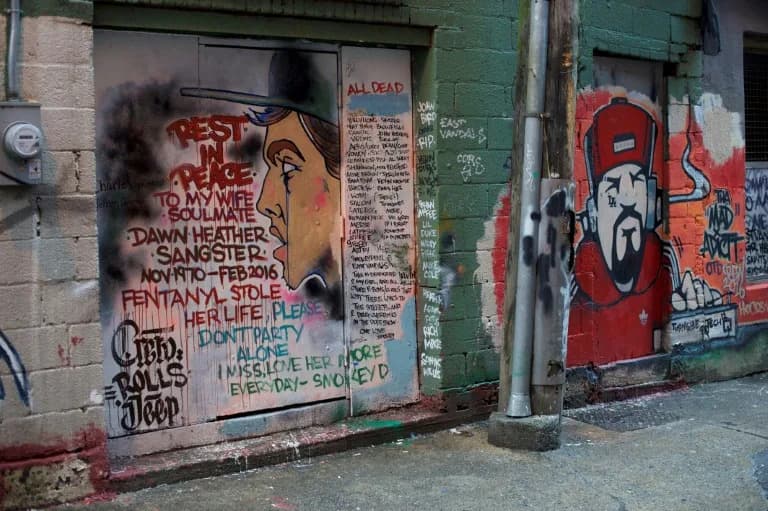
A 2016 photo showing a mural in Vancouver’s Downtown Eastside, which remains an area home to drug users (Deborah JONES)(Deborah JONES/AFP/AFP)
British Columbia has ended its three-year trial of drug decriminalization, a policy launched in 2023 that shielded people from arrest for possession of up to 2.5 grams of hard drugs. The program was billed as a shift from criminalization toward a public-health approach to addiction, but on January 14 the province's Health Minister Josie Osborne announced it would not be extended.
"The intention was clear: to make it easier for people struggling with addiction to reach out for help without fear of being criminalized," Osborne said, and added that the program "has not delivered the results we hoped for."
Supporters, including longtime drug user and activist Garth Mullins, said the policy's clearest benefit was breaking the cycle of repeated arrests that can compound barriers to housing and employment. Mullins — a co‑founder of the Vancouver Area Network of Drug Users (VANDU) — said decriminalization aimed to prevent people from repeatedly serving short jail terms that leave lasting consequences.
"The idea behind decriminalization was one simple thing: to stop all of us from going to jail again and again and again," Mullins said, while warning that expecting rapid, large-scale movement into treatment was unrealistic and risked generating public backlash if framed as a cure-all.
Plan Not 'Sufficient'
Critics argued the pilot was undermined by insufficient complementary investments. Vancouver Police Chief Steven Rai said the force was open to the plan but found it "quickly became evident that it just wasn't working," adding that decriminalization was not matched by enough spending on prevention, drug education, treatment access, or enforcement support.
Academic experts echoed that view. Cheryl Forchuk, a mental health professor with decades of experience in addiction work, said BC "never really fully implemented" the experiment because essential services — notably affordable housing and expanded treatment capacity — were not scaled up alongside the policy.
Public Safety And High-Profile Incidents
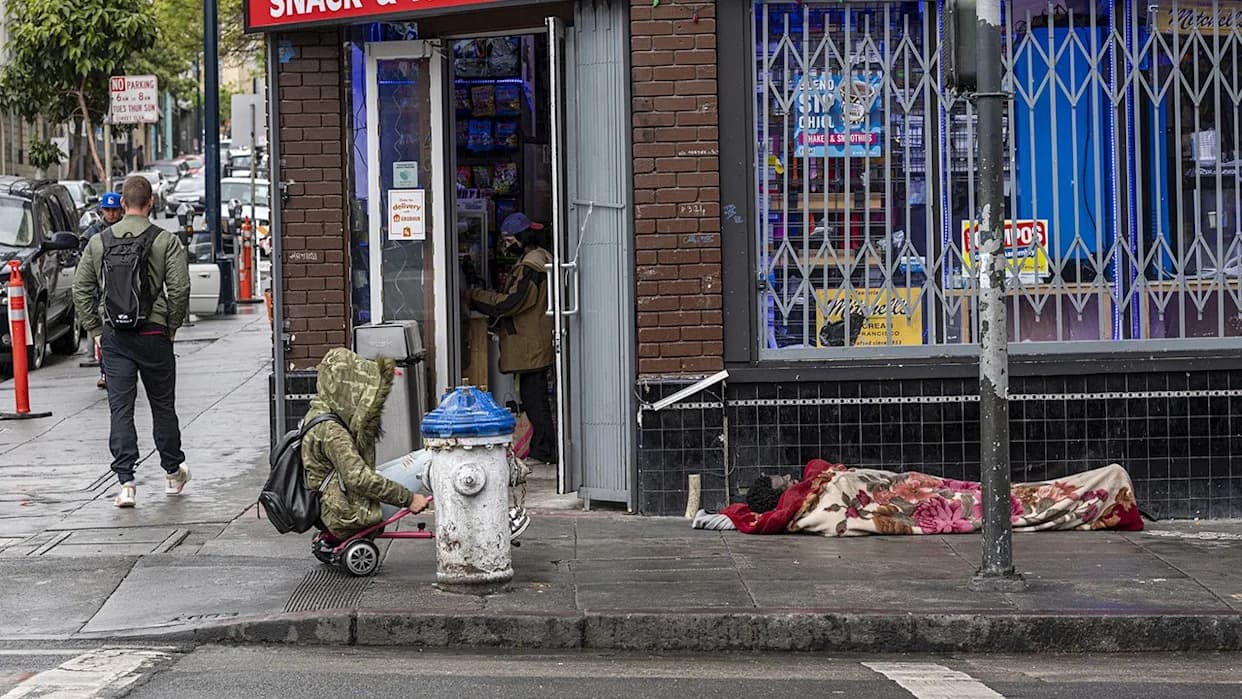
Public concern over visible drug use in shared spaces contributed to the debate. A widely circulated 2024 video showing someone using a narcotic inside a Tim Hortons coffee shop became a flashpoint, with local politicians saying it reflected a permissive atmosphere. Advocates replied that decriminalization did not legalize public drug use inside restaurants and that misunderstandings about the policy’s scope shaped negative perceptions.
Mullins emphasized that both user safety and public confidence matter: "We need something where everybody feels safe... If people who are walking with their kids don't feel safe, that's a problem for me," he said, while also noting that many people who use drugs already feel vulnerable and unsafe in daily life.
Looking Ahead
BC's experience has been compared to Oregon's rollback of a decriminalization initiative in 2024. The outcomes underscore a recurring lesson in drug policy: decriminalization alone is unlikely to meet public-health goals unless paired with substantial investments in housing, treatment, prevention and community supports. As the province considers next steps, policymakers, advocates and public-safety officials will continue to debate which combination of measures can reduce harms while maintaining community safety.
Help us improve.