Florida’s plan to import lower-cost prescription drugs from Canada, championed by Gov. Ron DeSantis, has stalled despite FDA authorization more than two years ago. The state has spent roughly $82.3 million on contracts with LifeScience Logistics and opened a Lakeland warehouse that has since been repurposed for emergency storage. Obstacles include resistance from Canadian regulators and manufacturers, regulatory differences, missed meetings, and ongoing negotiations. Lawmakers are exploring alternatives such as HB 697, which would adopt foreign price schedules to reduce drug costs.
DeSantis’ Canada Drug-Import Plan Stalls After $82M Spent; Warehouse Reassigned as Deadline Nears
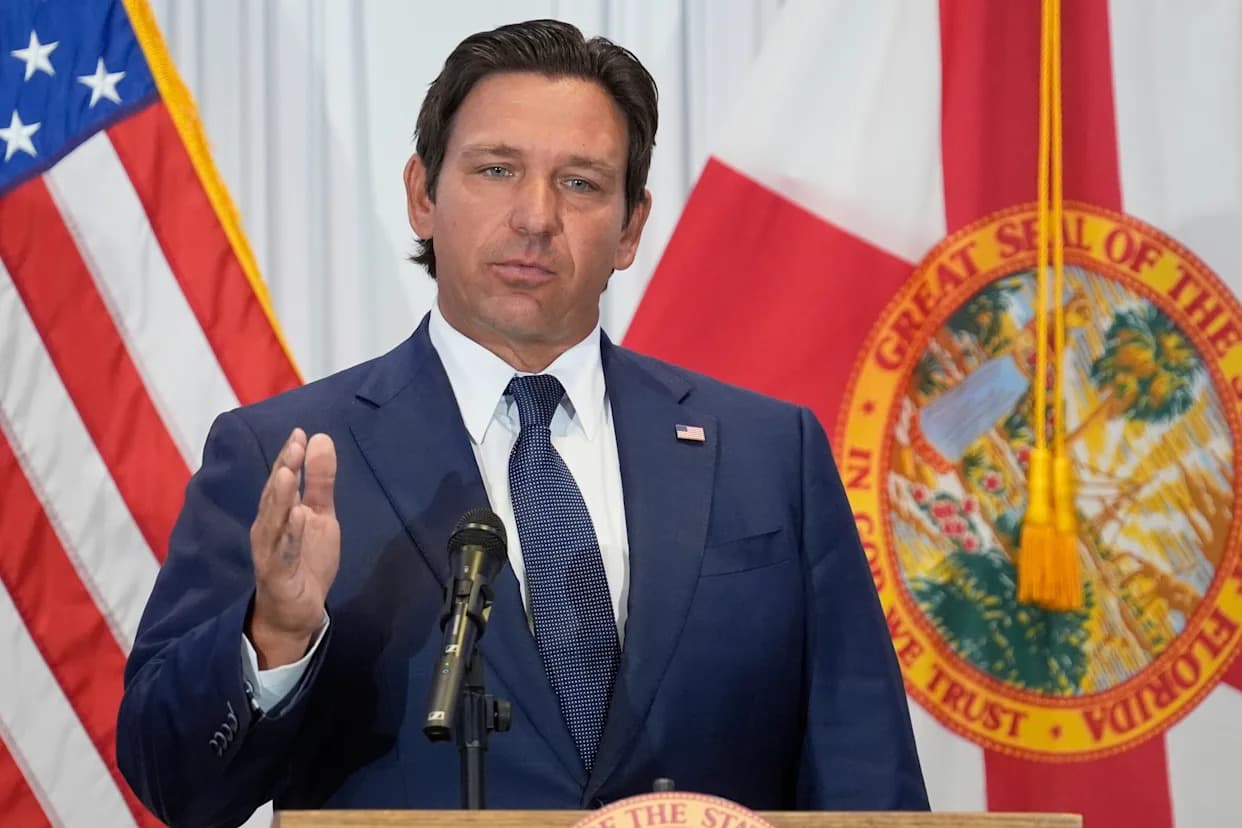
TALLAHASSEE, Fla. — A high-profile effort by Gov. Ron DeSantis to make Florida the first U.S. state to import lower-cost prescription drugs from Canada has largely stalled more than two years after the Food and Drug Administration granted final authorization.
Program Promised Savings, Delivered Few Results
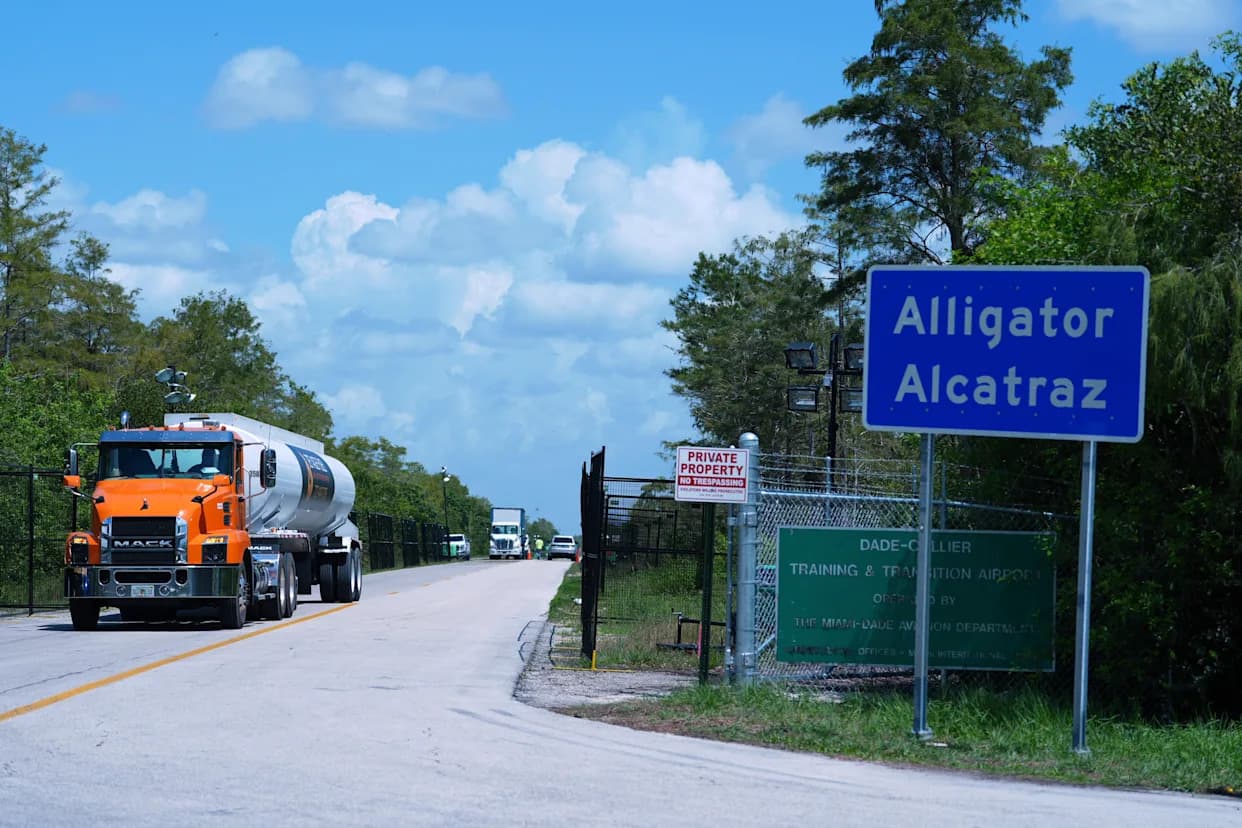
Florida officials initially projected the import plan would save the state roughly $180 million by leveraging lower Canadian drug prices. The Agency for Health Care Administration (AHCA) contracted Texas-based LifeScience Logistics to operate the core program and purchased a warehouse in Lakeland intended to store imported medicines. The contracts for program operations and the facility total roughly $82.3 million in state funds to date.
Authorization Without Shipments
Although the FDA approved Florida’s program more than two years ago, state records and federal correspondence indicate the state has not yet imported prescription drugs. In June the FDA sent a letter giving Florida until November to show concrete progress; the agency has continued the state’s authorization into May while awaiting developments.
Logistics, Market and Regulatory Headwinds
Officials say negotiations with Canadian manufacturers and distributors have been difficult. Canada’s pharmaceutical sector and regulators consistently warned that exports to the U.S. could risk domestic shortages, and new Canadian measures limited exports that could contribute to supply gaps. U.S. health experts also cautioned that differing quality and supply-chain standards between countries complicate import efforts.
'Florida’s vendor has been working diligently to negotiate with Canadian manufacturers and distribution partners to purchase and import eligible prescription drugs into the U.S.,' DeSantis spokesperson Molly Best said in an email.
Warehouse Repurposed, New Contract Issued
State financial records show the Lakeland warehouse has been repurposed to store emergency equipment for the Florida Division of Emergency Management during hurricane season. LifeScience Logistics will operate the site under a separate, new contract valued at roughly $116 million, and the company noted it supported the state's response to Hurricane Idalia at that facility.
Funding, Oversight and Lawmakers' Response
The Legislature has provided funding for the program at about $15 million per year for six years. House Health Care Budget Chair Alex Andrade (R-Pensacola) said he has repeatedly sought clarity about the expenditures and outcomes but received limited answers from AHCA and the governor’s office. AHCA has requested an additional $4 million for the program in the next state budget.
Alternatives and Broader Implications
With imports stalled, Florida’s House is advancing HB 697, a bill to adopt prescription price schedules modeled on those used in other countries. House Speaker Daniel Perez said the proposal would complement the import plan rather than replace it, and that lawmakers’ primary goal is reducing steep drug prices in Florida.
Advocates and analysts outside state government say Florida’s experience highlights the practical and diplomatic barriers to state-led drug importation. 'They spent more than $80 million, and what do they have to show for it?' Shabbir J. Safdar of the Partnership for Safe Medicines asked, calling the episode a cautionary example for other states considering similar programs.
What’s Next
Federal and state officials say negotiations continue with potential Canadian partners. The FDA has provided extensions while monitoring compliance with requirements; lawmakers will decide whether to approve additional funding as debate continues over whether importation, alternative pricing schedules, or other reforms are the best path to lower prescription costs.
Help us improve.