Summary: TikTok’s first week as an American-owned app was disrupted by a privacy-policy update, a weather-related outage at Oracle datacenters and widespread accusations that the platform suppressed posts about the killing of Alex Pretti. High-profile creators and politicians raised censorship concerns, prompting probes and a user shift to rivals like Upscrolled. Although TikTok still commands over a billion users, these events have eroded trust and created political and commercial headwinds.
Why TikTok’s First Week Under U.S. Ownership Imploded
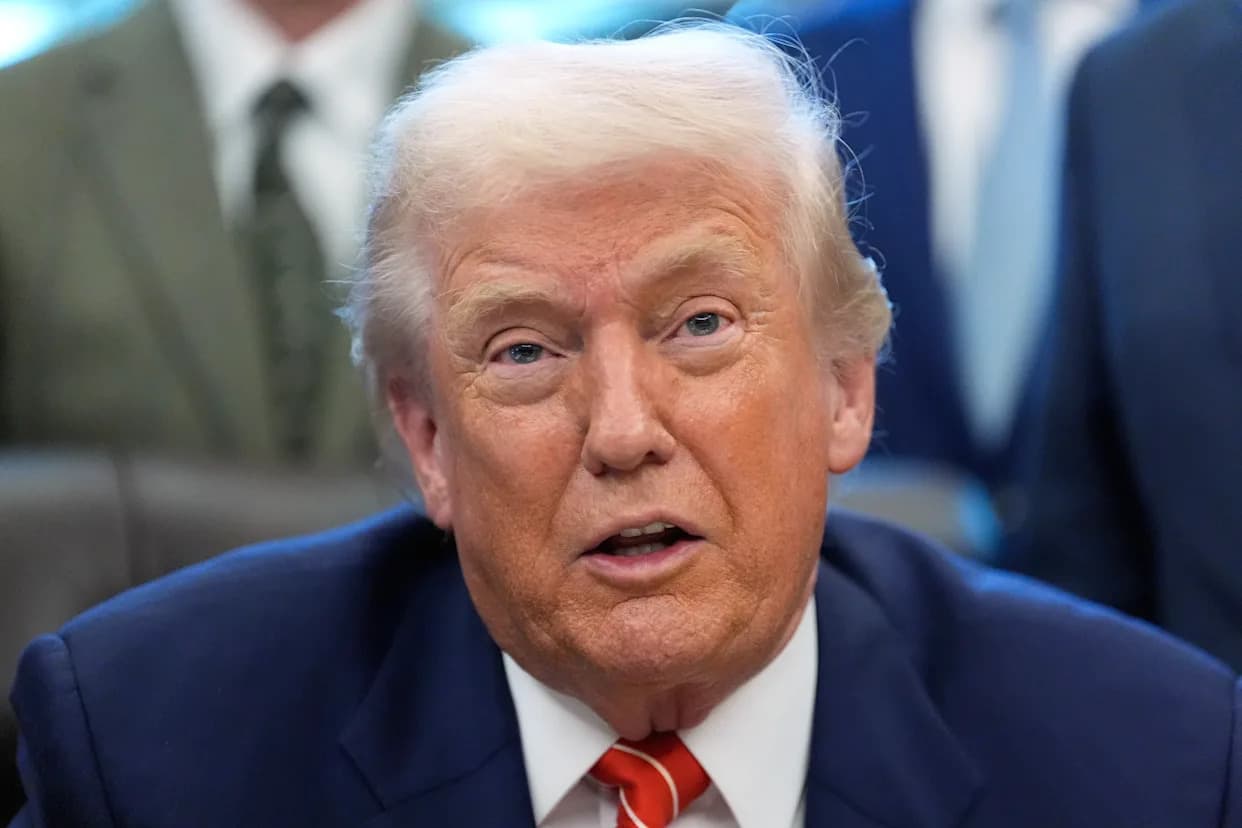
The newly Americanized TikTok faced a rocky first week.Photograph: Damian Dovarganes/AP(Photograph: Damian Dovarganes/AP)
Just over a week after TikTok formally became American-owned, the app’s debut in U.S. hands was chaotic and damaging to user trust. A rapid sequence of policy changes, a weather-driven technical outage and accusations of targeted suppression combined to make the platform’s first days under new ownership a public-relations disaster.
What Happened
On 22 January, ByteDance closed a deal to sell TikTok to a consortium of U.S. investors that included enterprise software giant Oracle. Within a day the company updated its privacy policy to permit broader data collection — including explicit language about precise location tracking — a change that, while similar to many social platforms’ terms, raised fresh concerns because of who now controlled that data (notably Oracle co-founder Larry Ellison, a prominent MAGA donor).
Technical Failures Meet a Political Flashpoint
That same weekend the United States faced two major, unrelated shocks. Winter Storm Fern caused extreme cold and power issues across large swaths of the country and — according to Oracle — produced a temporary, weather-related power outage at multiple Oracle datacenters that TikTok depends on. The outages led to widespread upload failures and reports of videos registering zero views for creators.
At the same time, outrage over the death of Alex Pretti, a 37-year-old U.S. citizen who died during a protest in Minneapolis after an encounter with federal immigration officers, prompted many creators to post critical content. Several high-profile users, including California state senator Scott Wiener, musician Billie Eilish and comedian Meg Stalter, said their posts failed to upload or received no views. These complaints quickly drew national coverage and prompted questions about whether critical content — especially posts about federal immigration enforcement — was being suppressed.
Oracle: “Over the weekend, an Oracle datacenter experienced a temporary weather-related power outage which impacted TikTok. The challenges US TikTok users may be experiencing are the result of technical issues that followed the power outage.”
After several days of public outcry and media scrutiny, TikTok issued a statement on 26 January attributing the disruptions to the storm and related technical problems.
Political Fallout and Market Reaction
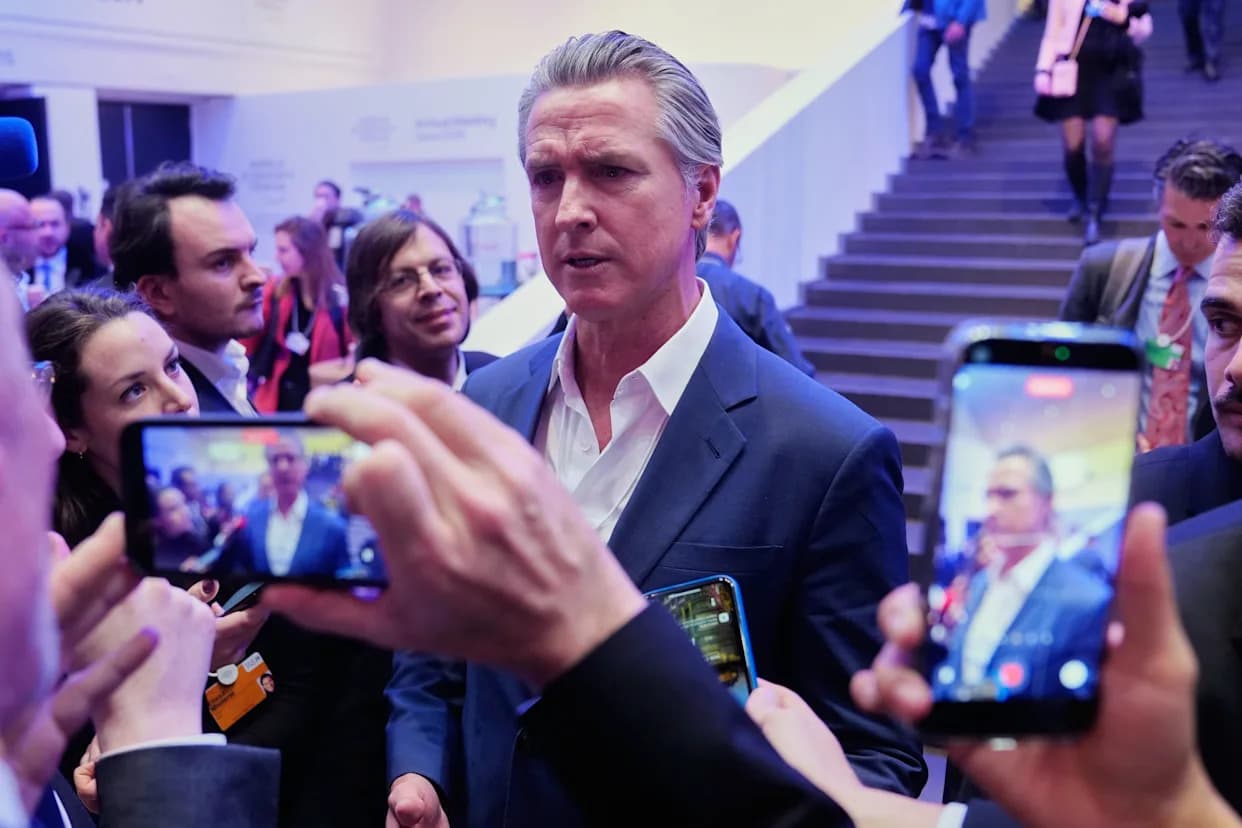
Political scrutiny intensified when California’s governor announced an investigation on 27 January into whether TikTok had suppressed videos critical of Donald Trump, broadening the narrative of partisan bias tied to the app’s new American owners. Connecticut senator Chris Murphy and numerous creators framed the alleged suppression as a threat to democracy.
Public distrust prompted some users to abandon the newly Americanized TikTok. A rival app, Upscrolled, surged to the top of app-store rankings and claimed rapid user growth; meanwhile, downloads of virtual private network (VPN) apps also rose as users sought ways to mask their activity. At the time of writing, TikTok still ranks highly in global usage — it has more than a billion users worldwide — but its early-week missteps have damaged confidence and created momentum for competitors.
Context And Outlook
The sale that precipitated this troubled week traces back to former President Donald Trump’s “ban-or-sell” policy from nearly six years earlier. Since then, the politics around TikTok’s ownership shifted: President Joe Biden supported the sale, Congress passed legislation forcing a sale, and the U.S. Supreme Court upheld the law after legal challenges. While the weather-related outage was an unpredictable technical event, the timing combined with policy changes and political unrest turned a manageable incident into a reputational crisis.
Bottom line: TikTok is unlikely to disappear given its massive user base, but its new owners have an early trust deficit to repair. Clearer communication about data use and infrastructure resilience, plus independent technical audits and transparent moderation explanations, would be essential next steps to rebuild confidence.
Help us improve.