President Trump said Vladimir Putin agreed to a weeklong pause in strikes on major Ukrainian cities, a claim Moscow has not confirmed. Volodymyr Zelensky thanked Trump and said a temporary halt could protect critical energy infrastructure amid freezing temperatures. Officials said the proposal was discussed during trilateral talks in Abu Dhabi, but past temporary truces have often collapsed. Kremlin spokespeople offered no clear confirmation, and negotiators remain divided over territorial issues such as Donetsk.
Trump Says Putin Agreed To Weeklong Pause In Strikes On Ukrainian Cities — Kremlin Silent
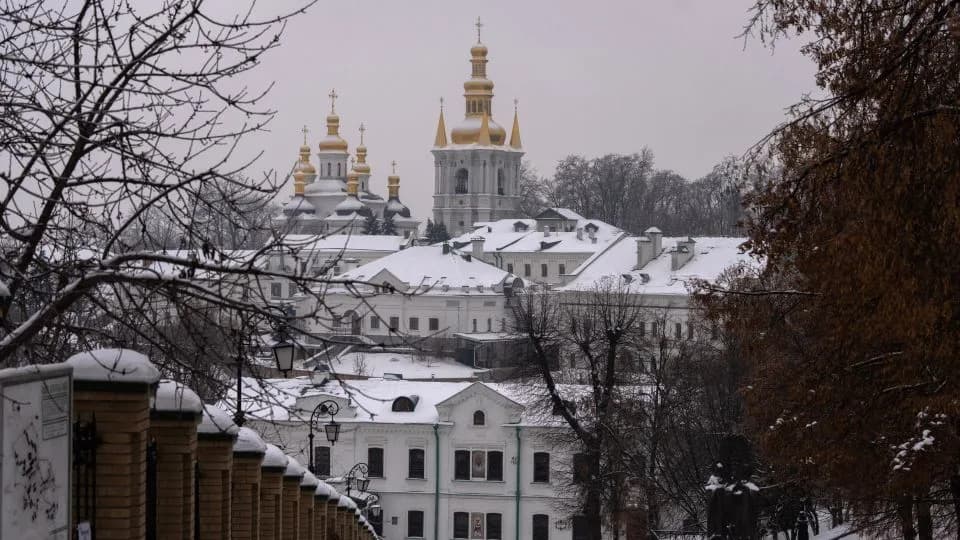
Snow covers the Orthodox Monastery of Caves in Kyiv, Ukraine, on Monday, January 26, amid regular Russian air attacks against the country's energy sector that leave people without power, heating and water. - Efrem Lukatsky/AP
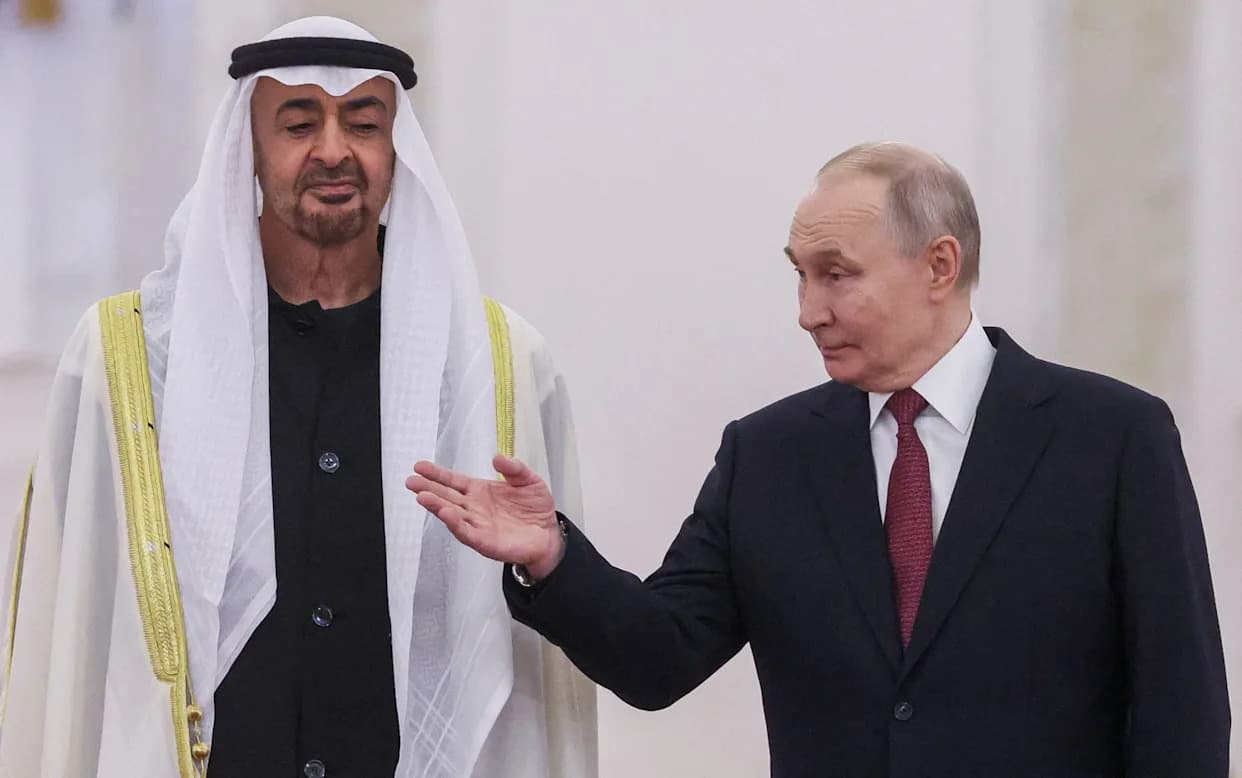
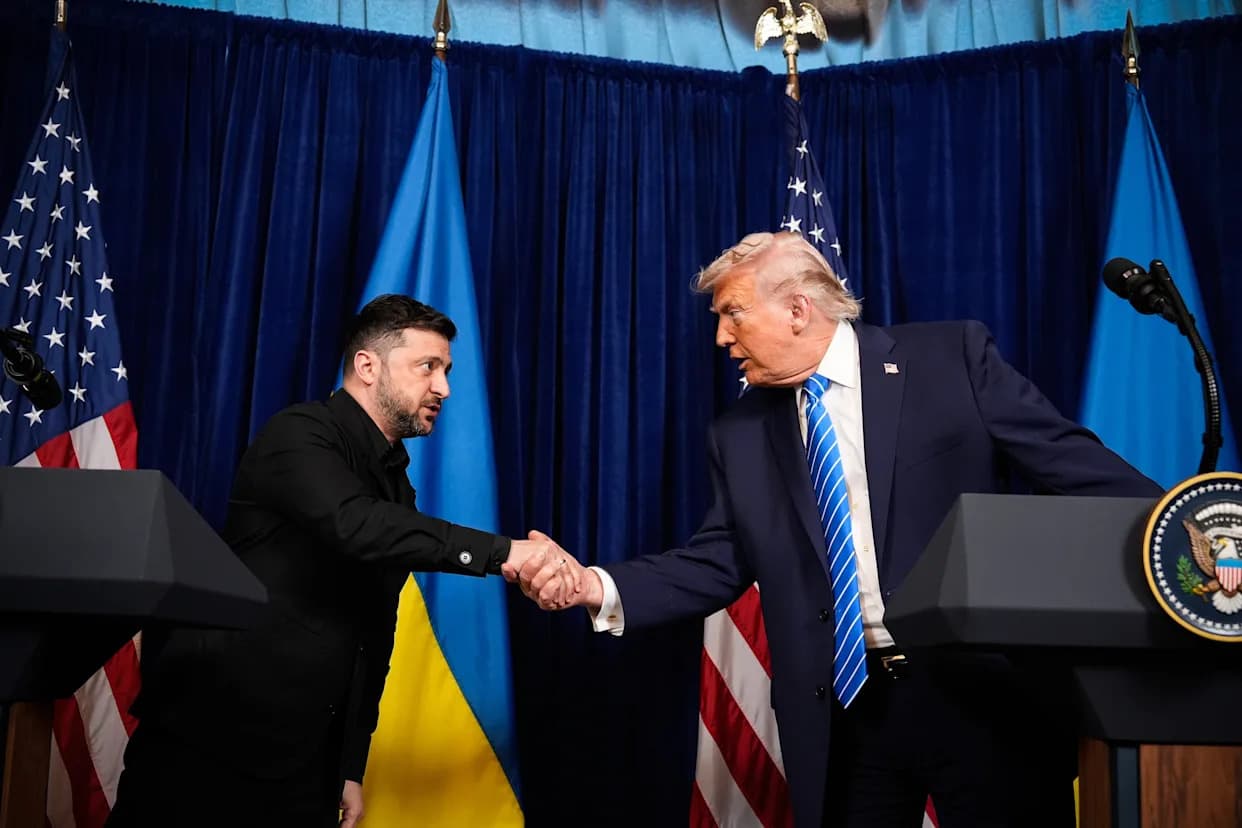
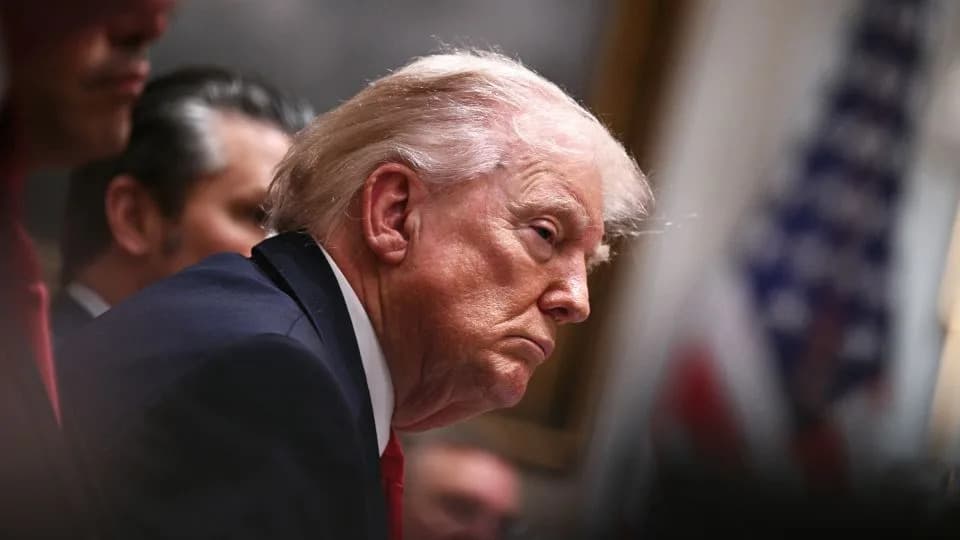
US President Donald Trump said on Thursday that Russian President Vladimir Putin agreed to a one-week pause in strikes on major Ukrainian cities, including the capital Kyiv, citing Ukraine’s plunging winter temperatures. The claim was made during a White House Cabinet meeting and has not been independently confirmed by Russian officials.
Claim, Response, And Uncertainty
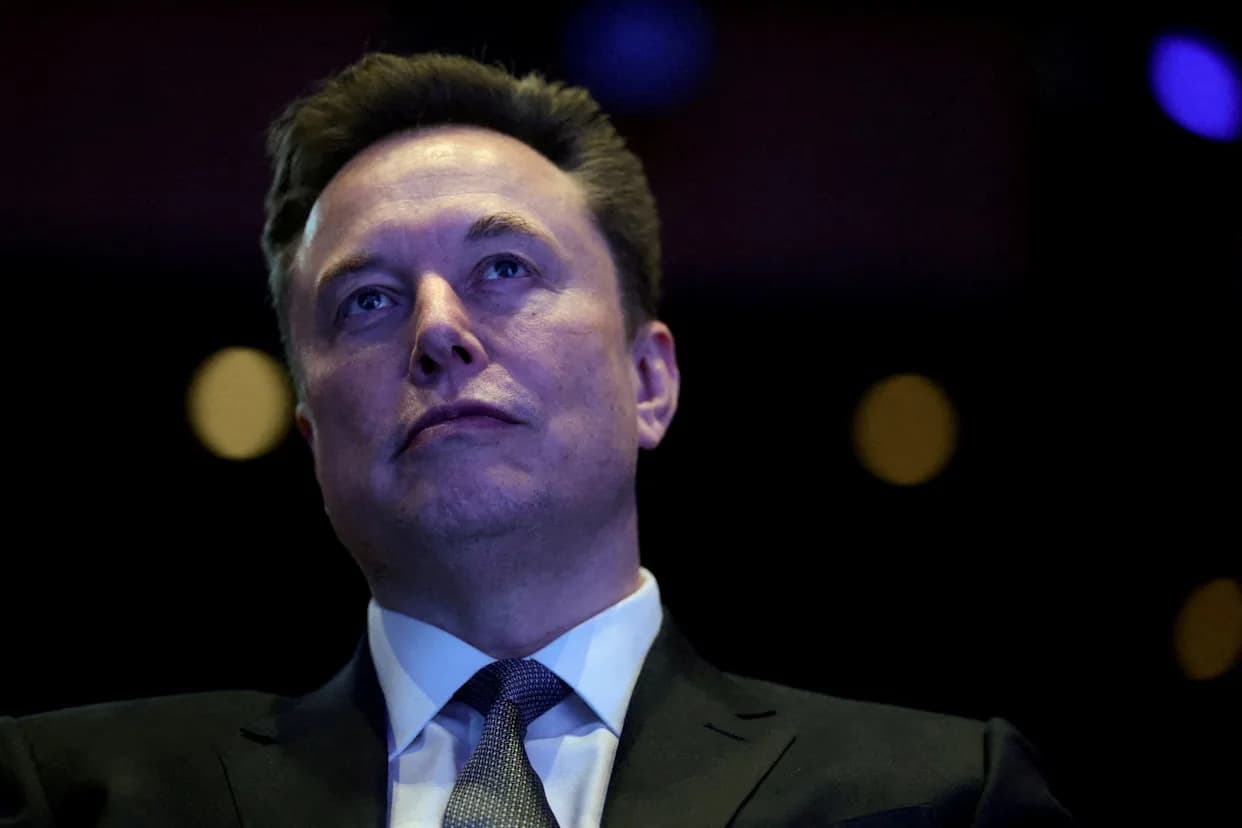
“I personally asked President (Vladimir) Putin not to fire into Kyiv and the various towns for a week, and he agreed to do that,” Trump said at the meeting, noting the “extreme cold” facing civilians. He did not specify when the conversation with Putin took place, and Russia has not publicly acknowledged agreeing to any pause.
Kremlin spokesman Dmitry Peskov declined to confirm the claim when asked, saying, “No, I can’t comment on that yet.” CNN has reached out to the Kremlin for further comment.
Ukraine’s Reaction And The Abu Dhabi Talks
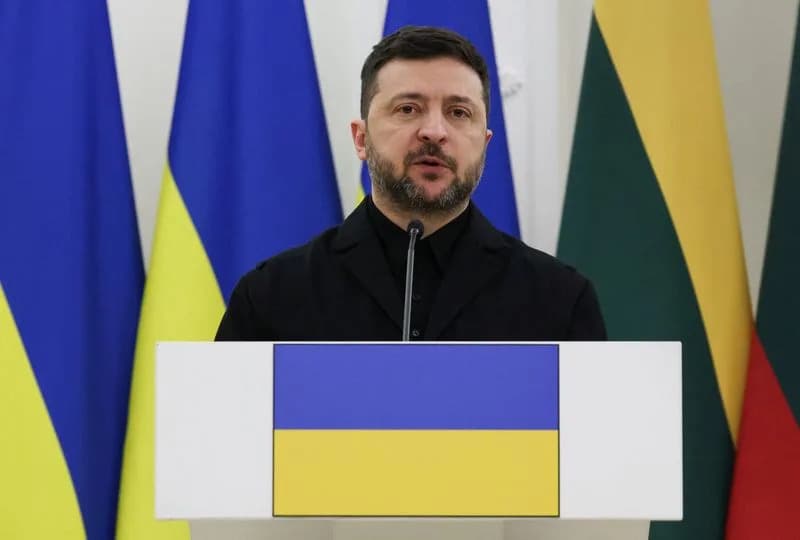
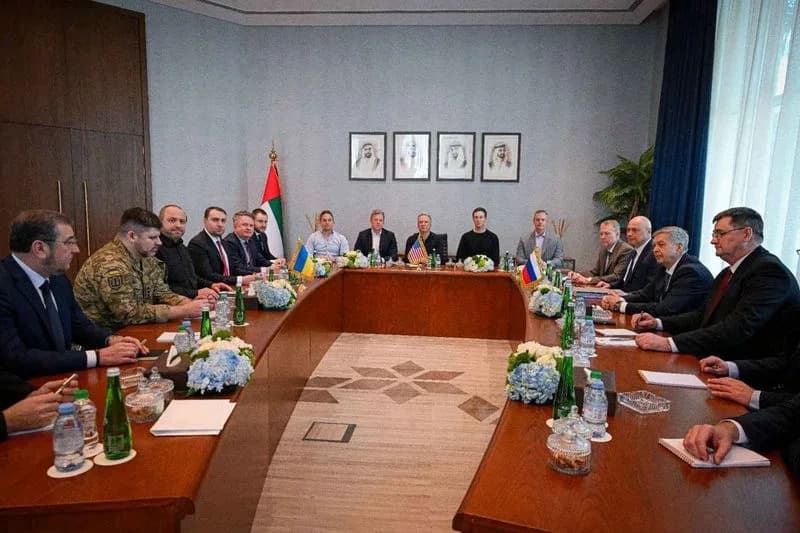
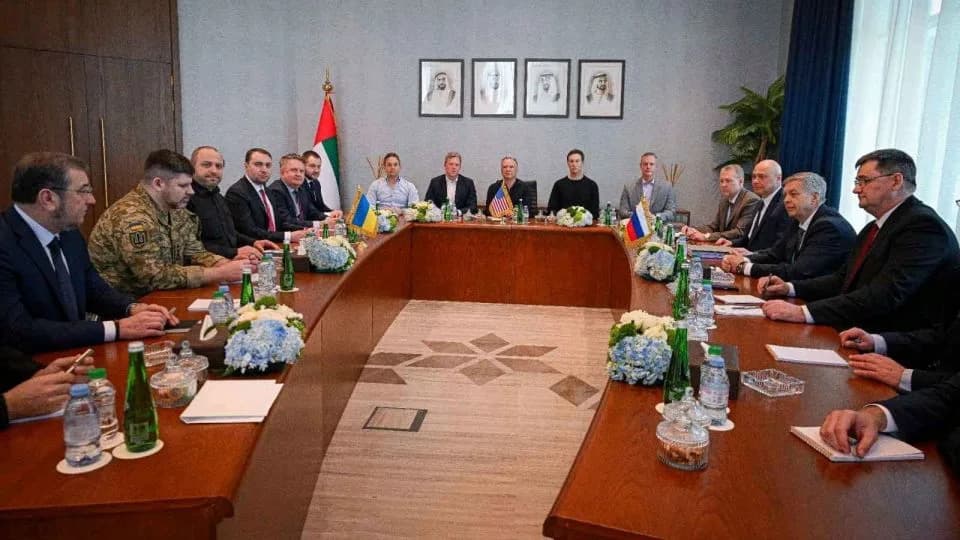
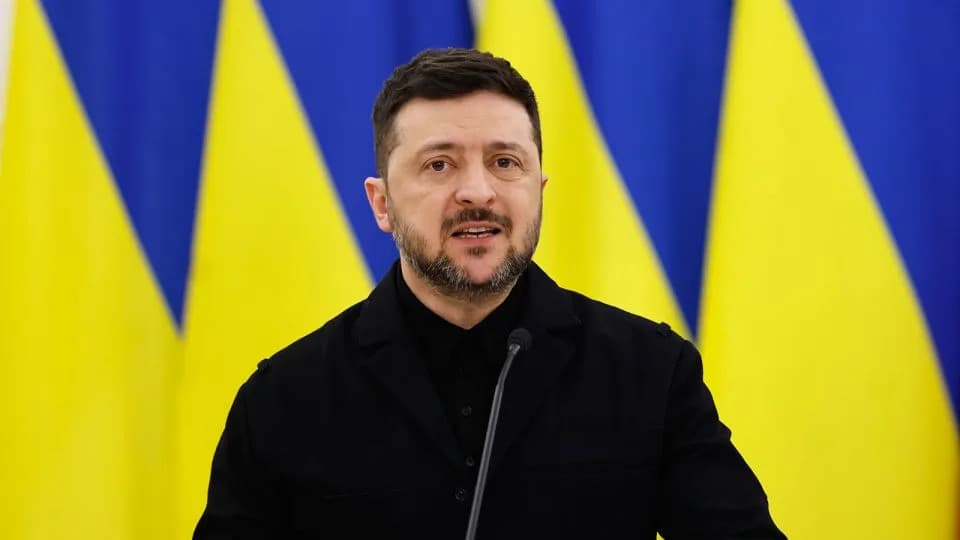
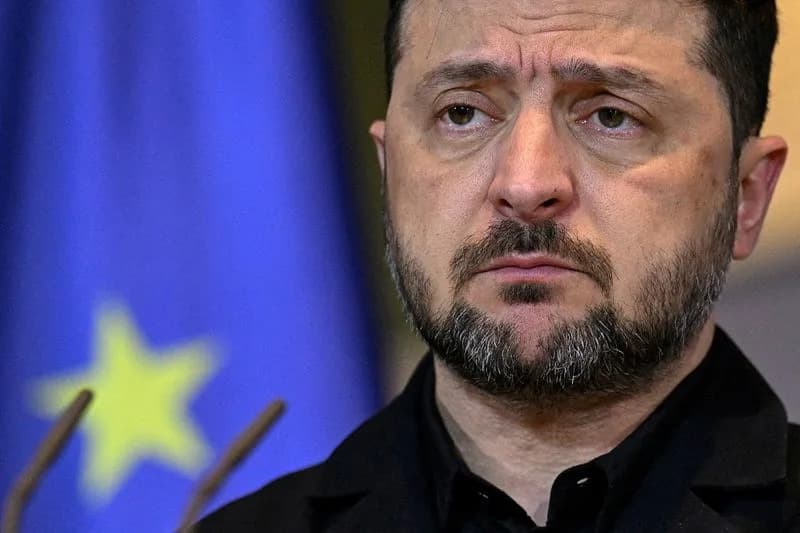
Ukrainian President Volodymyr Zelensky publicly thanked Trump and said a temporary halt in attacks during the harsh winter could help protect critical energy infrastructure and save lives. Zelensky confirmed that discussions about a temporary halt to strikes on energy infrastructure were raised during trilateral talks between US, Ukrainian and Russian officials in Abu Dhabi last week.
A person familiar with the Abu Dhabi discussions said American officials proposed the idea of a temporary pause, but at the time it was unclear whether Moscow would accept it.
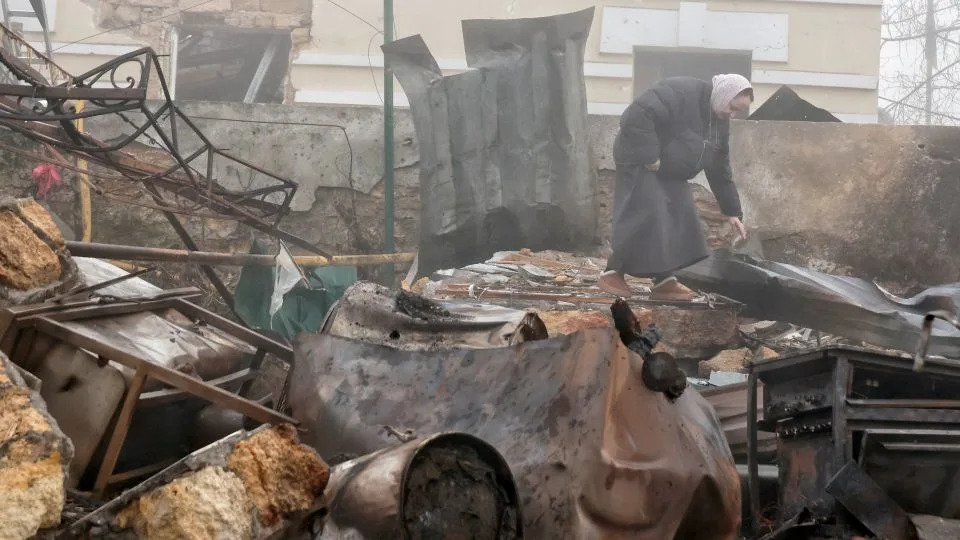
A woman stands among the debris at the Holy Dormition Male Monastery damaged by a Russian drone attack in Odesa, Ukraine, on Wednesday, January 28. - Nina Liashonok/NURPHO/AP
“We value the efforts of our partners to help us protect lives. Thank you, President Trump,” Zelensky wrote on X, adding that Ukraine expects any such agreement to be implemented.
Past Temporary Truces Have Broken Down
Past attempts at temporary truces in the war have repeatedly failed to hold. Ukraine accused Russia of violating a planned three-day ceasefire announced by Moscow in May of last year, while Russian officials said their forces had suspended hostilities. Earlier, Ukrainian authorities were forced to pause evacuation plans from Mariupol after what they described as Russian violations of an agreed pause in March 2022.
Negotiations And Political Signals
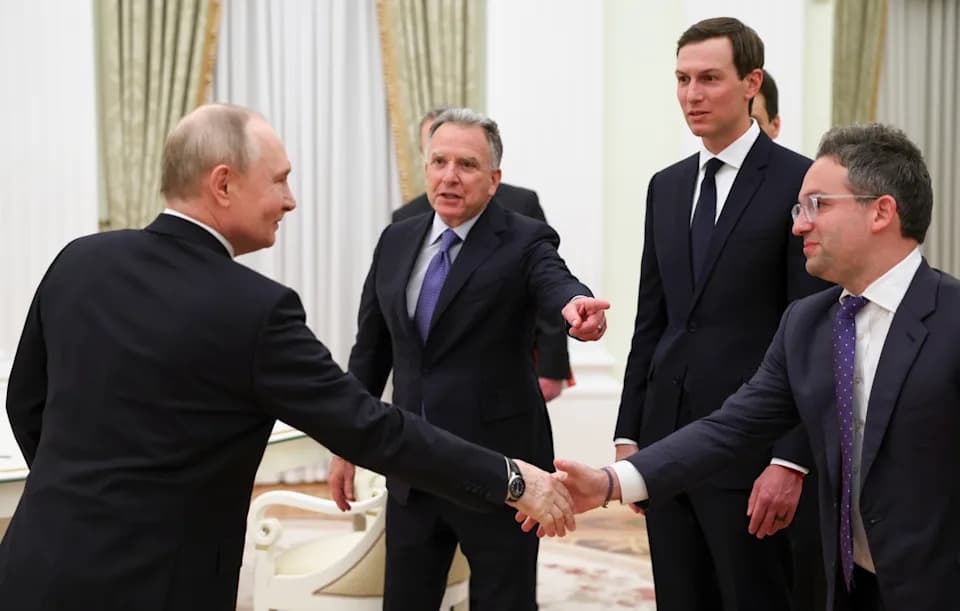
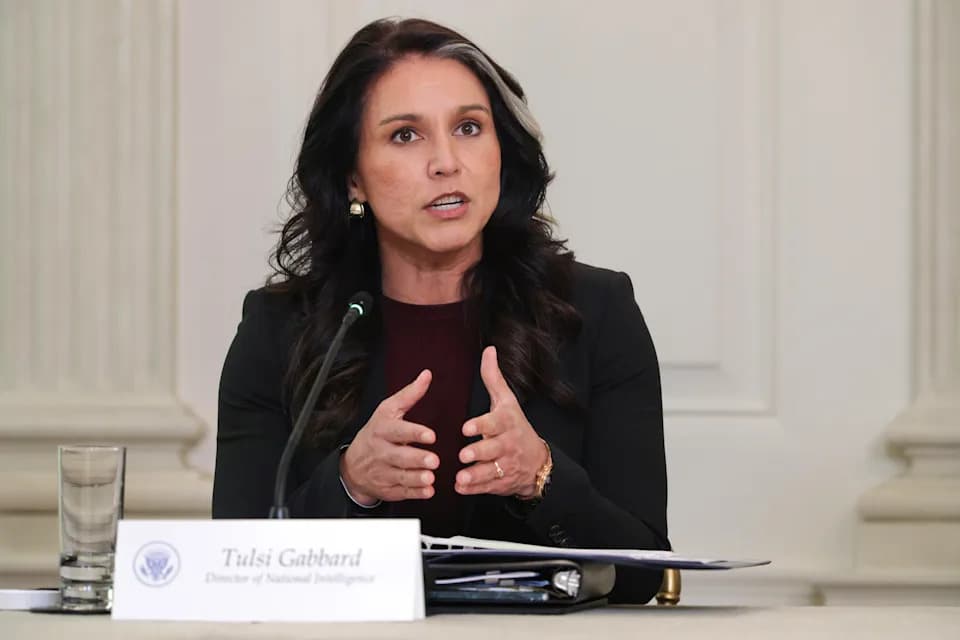
Trump’s Special Envoy, Steve Witkoff, expressed optimism after the Abu Dhabi talks, saying the administration was “making a lot of progress” toward a peace deal and that Ukrainians were “hopeful and expectant.”
Senator Marco Rubio described the territorial dispute over Donetsk as a central remaining issue in talks to end the war. But Kremlin aide Yury Ushakov pushed back on the idea that negotiators had narrowed the talks to a single outstanding item, telling Russian media that territory is “the biggest of many issues still on the agenda.”
Humanitarian Context: Power Outages And Winter Hardship
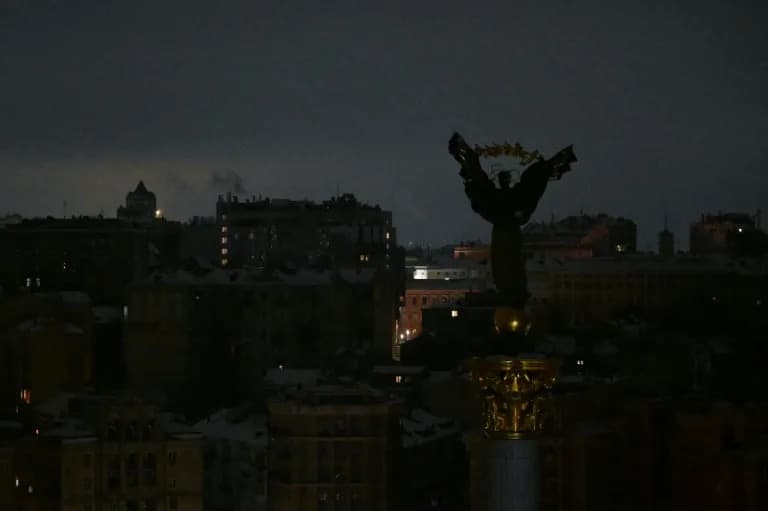
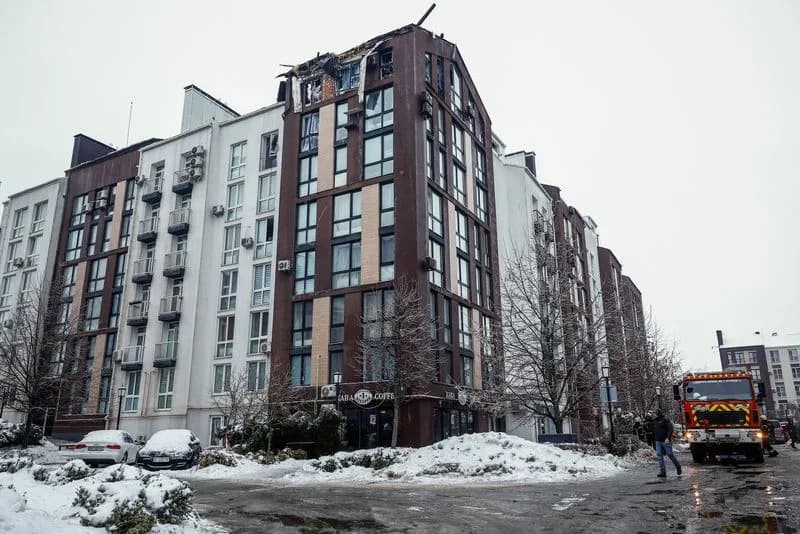
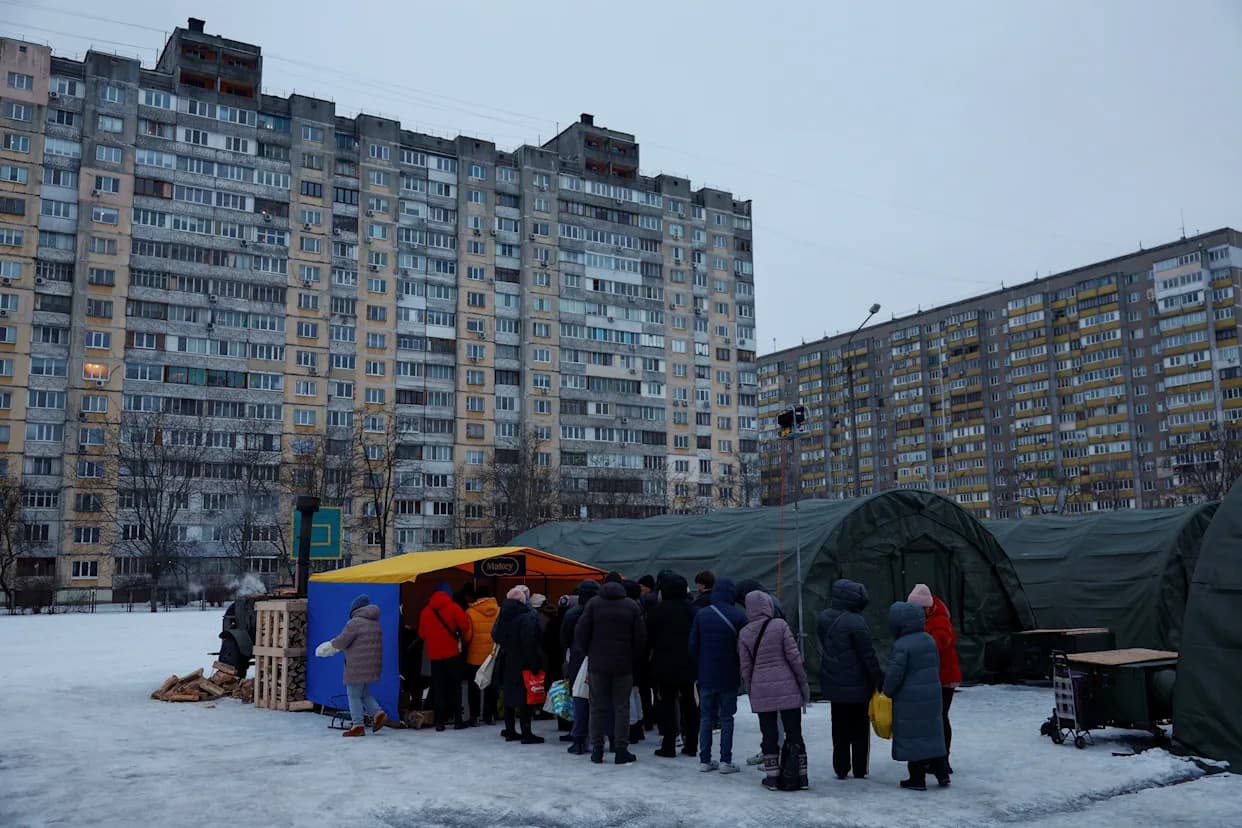
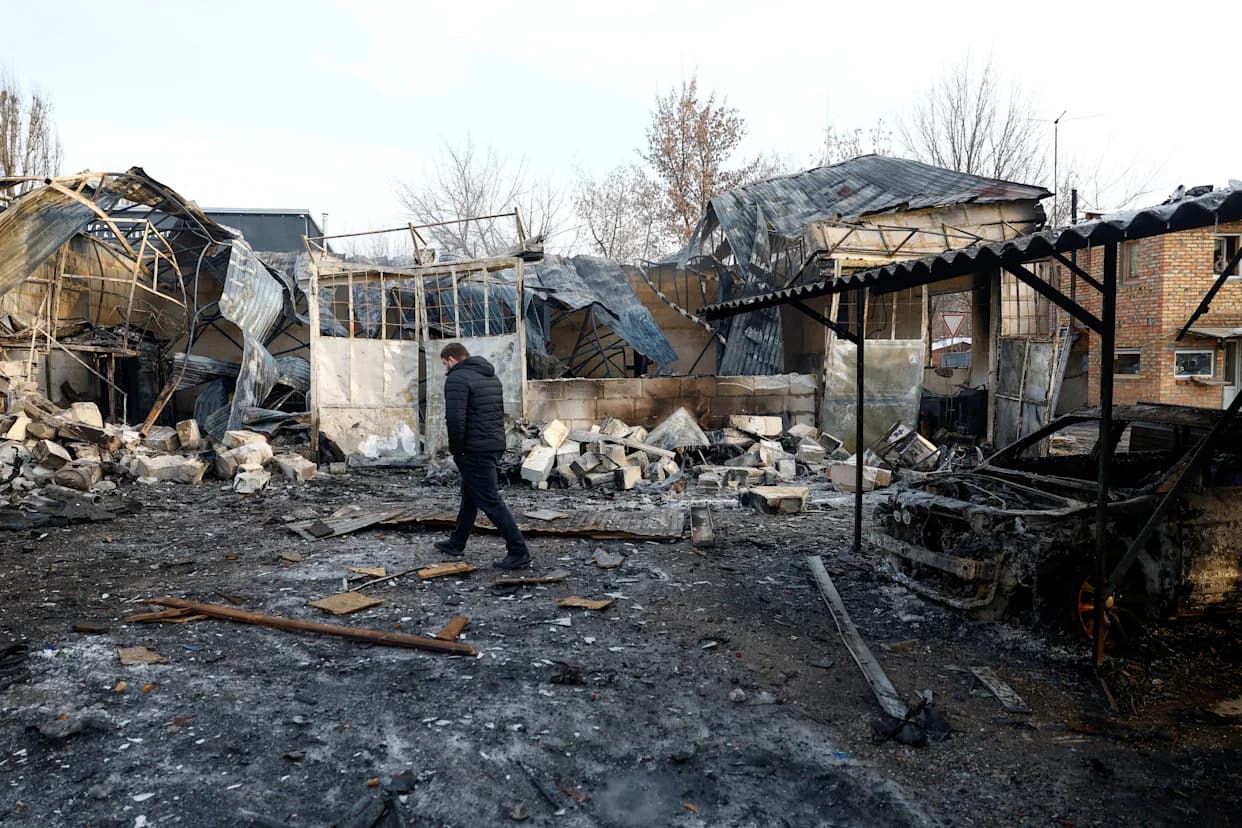
Russian strikes on Ukraine’s energy infrastructure have repeatedly caused significant electricity shortages and outages in Kyiv and in regions including Odesa, Kharkiv and Donetsk. The reported pause — if genuine and implemented — would come at a critical moment as temperatures fall below freezing and millions risk losing heat and power.
For now, the claim of a weeklong pause remains unverified by Moscow, previous ceasefires offer a cautionary precedent, and it is unclear how any such agreement would be monitored or enforced.
Reporters: Sebastian Shukla, Daria Tarasova-Markina, Jennifer Hansler and Moriah Thomas contributed to this report.
Help us improve.