Russian forces launched a large strike on Kyiv that included a Zircon hypersonic missile, 18 ballistic missiles, 15 cruise missiles and 339 drones. Ukraine spent roughly €80m defending the attack, President Zelensky says. Moscow appears to be repurposing decommissioned RM-48U target missiles—so-called “zombie” weapons—to flood the skies and force Kyiv to expend costly interceptors. Analysts warn this tactic increases salvo volume rather than precision and pressures Western partners for more air-defence systems.
Russia’s 'Zombie' Missiles Drain Ukraine’s Defences — €80m Cost From One Strike
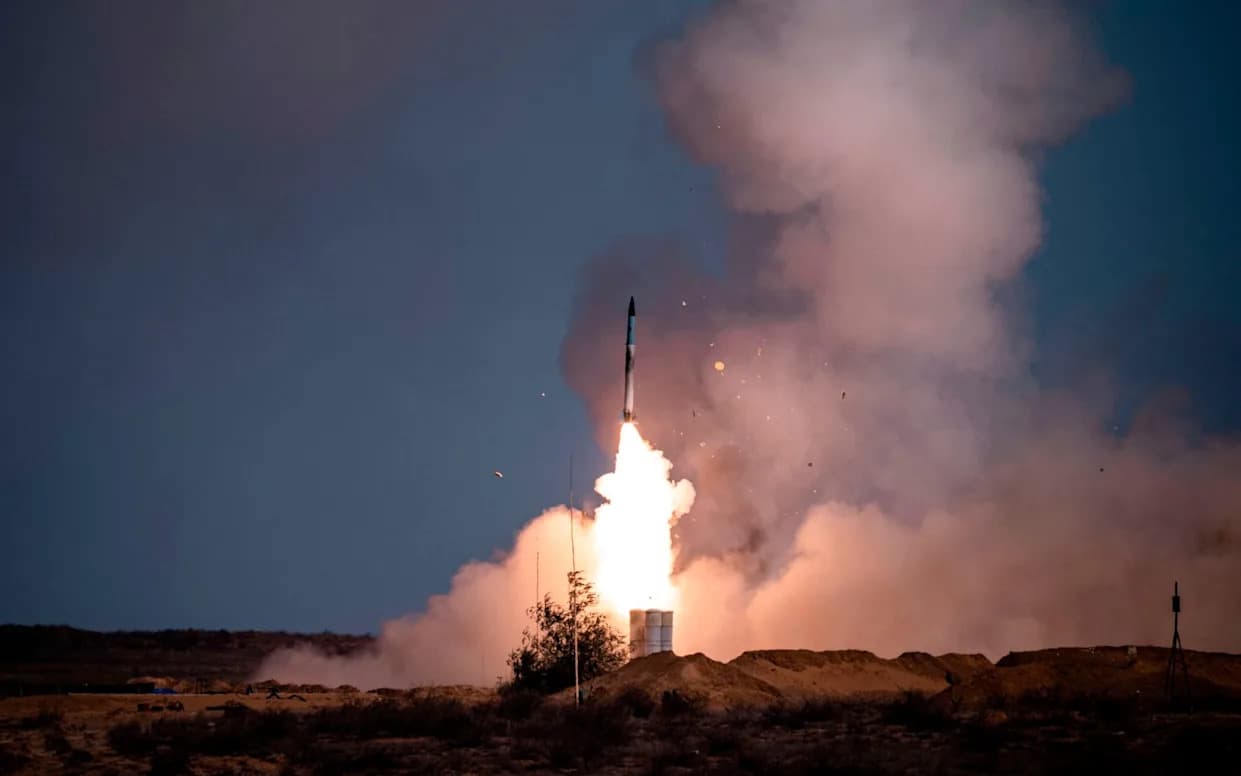
The RM-48U missile was used as target practice for the S-300 and S-400 air defence systems - Dimitar Dilkoff/AFP
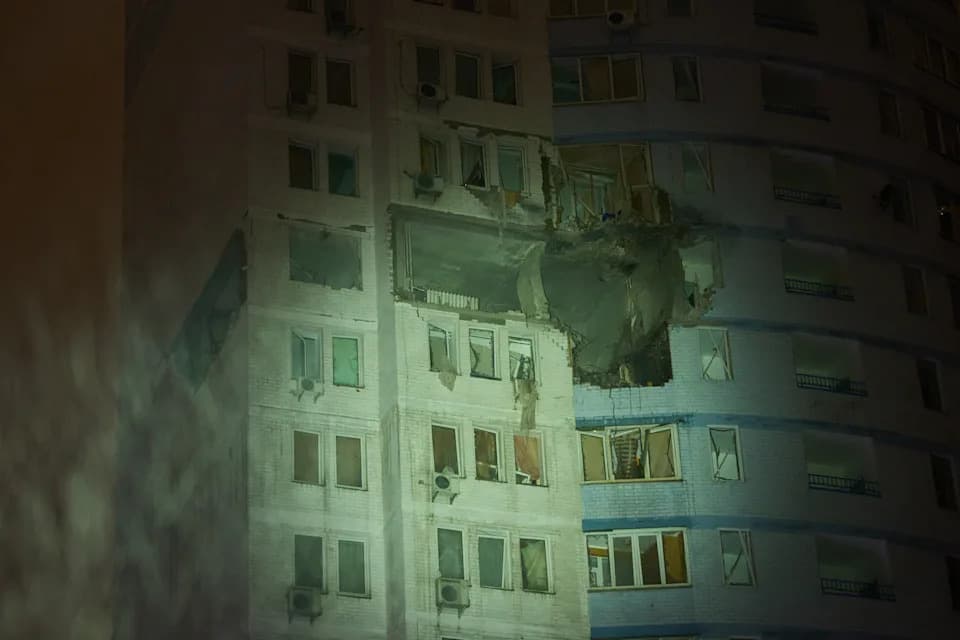
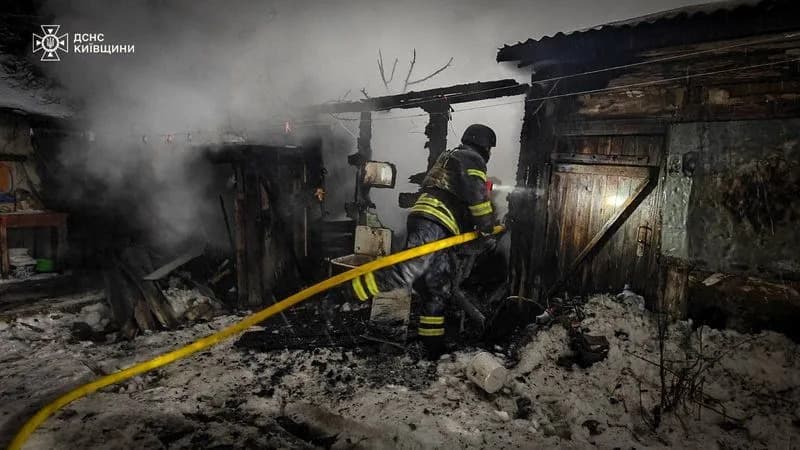
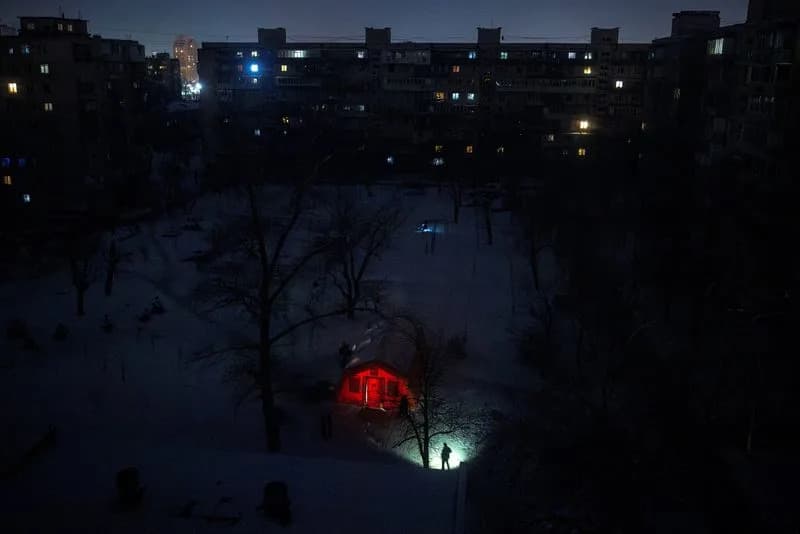
The wailing air-raid sirens over Kyiv on Tuesday evening signalled a major incoming strike. Russian forces launched a mixed assault that included a Zircon hypersonic missile, 18 ballistic missiles, 15 cruise missiles and 339 drones aimed at Ukrainian targets.
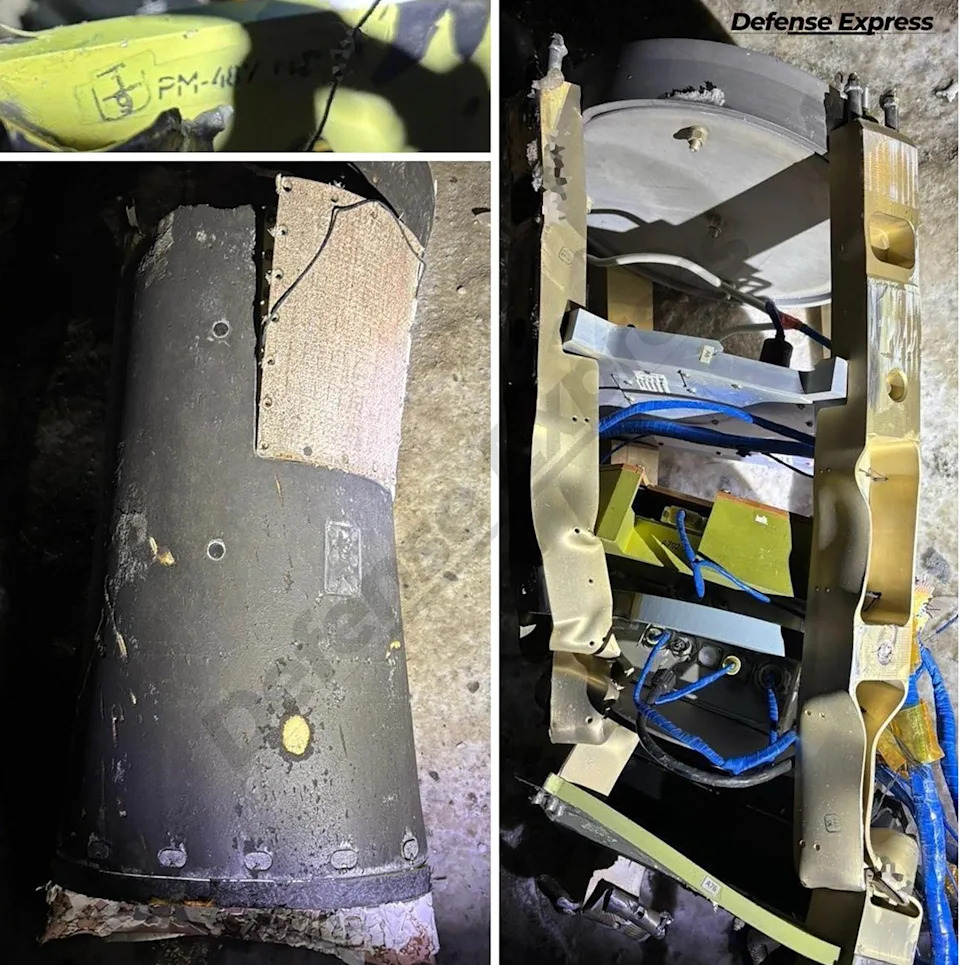
Fragments of an RM-48U missile which penetrated Ukraine’s air defences - Defense Express
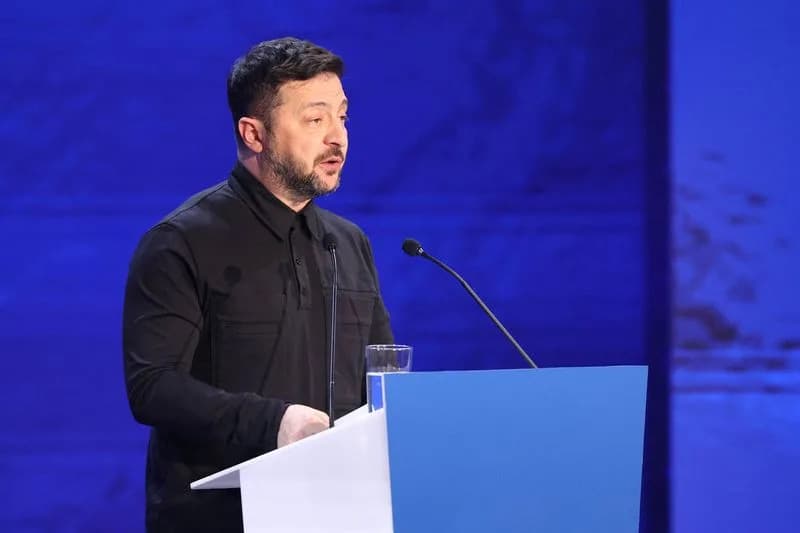
President Volodymyr Zelensky said repelling the bombardment cost Ukraine roughly €80m in interceptors and other defensive munitions. Among the weapons Moscow reportedly used were RM-48U missiles — formerly target-practice interceptors that appear to have been converted for offensive use.
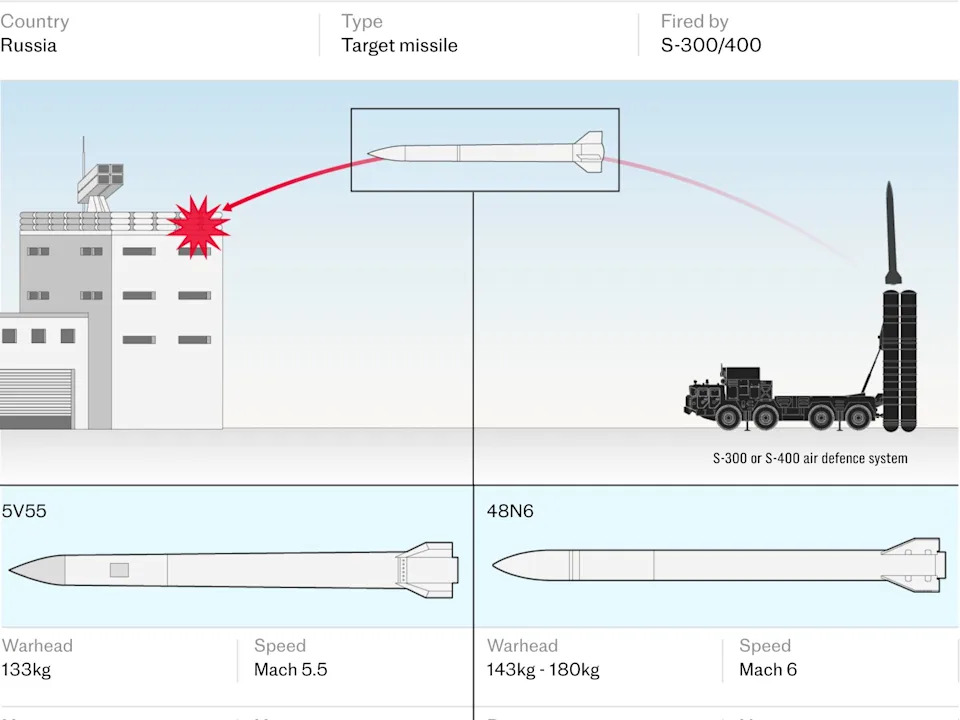
2201 RM-48U fired diagram
What Are 'Zombie' Missiles?
The RM-48U is a supersonic target missile converted from decommissioned surface-to-air interceptors such as the 5V55 and the 48N6 family, originally used to train crews on S-300 and S-400 systems. These conversions are relatively cheap to carry out and allow Russia to add volume to its strikes without substantial expense.
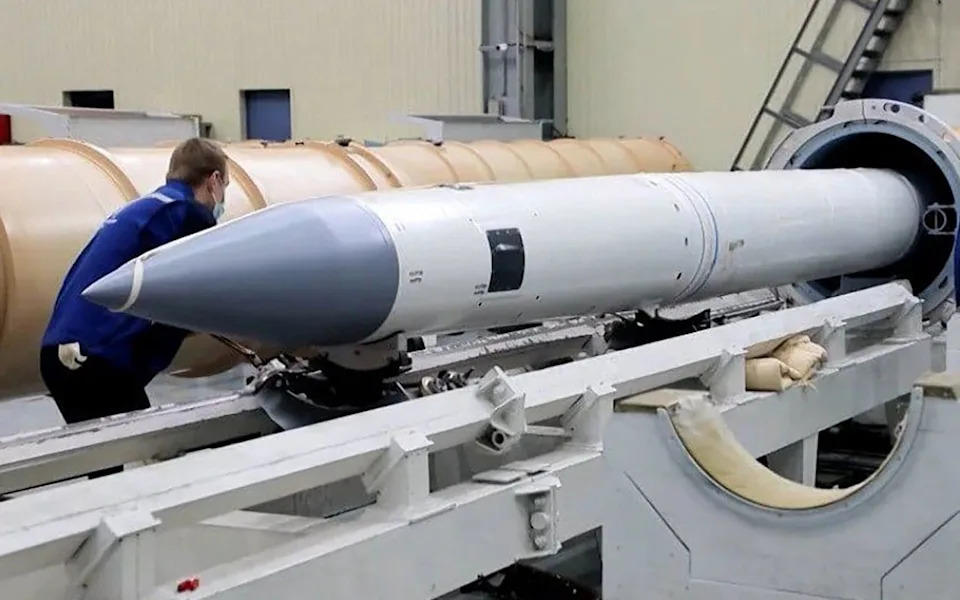
Expired Russian 48N6 surface-to-air missiles are modified to form the RM-48U, which is used for target practice
Because the RM-48Us were not designed as precision strike weapons, experts say they are unlikely to offer pinpoint accuracy. Still, they increase the salvo size and the probability that at least some weapons will penetrate Ukrainian defences — forcing Kyiv to expend costly interceptors.
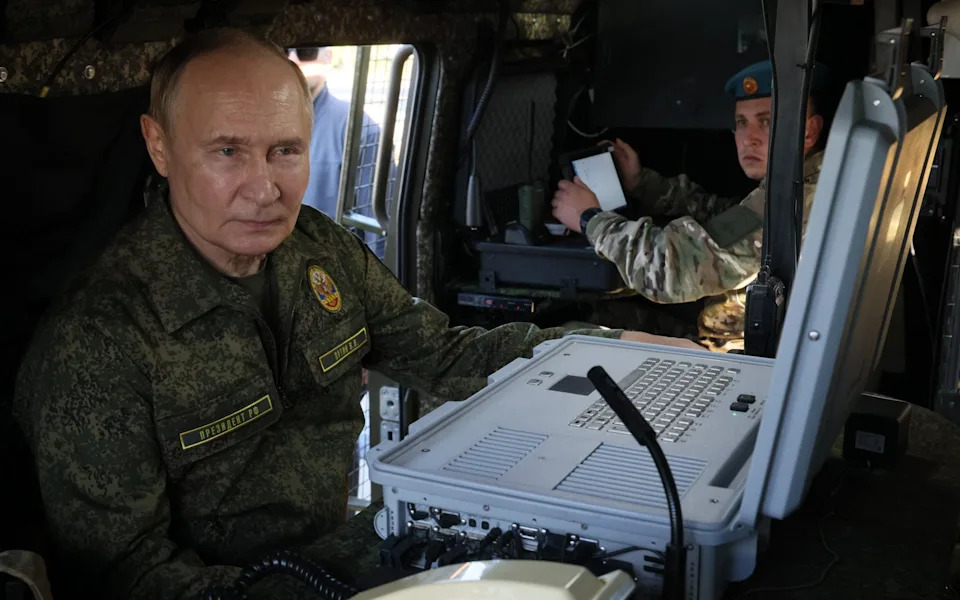
Vladimir Putin’s main objective of using the zombie missiles is to add mass to overwhelm air defences - Mikhail Metzel/EPA
“RM-48U supersonic target missiles are created on the basis of surface-to-air guided missiles that have been decommissioned or whose service life has expired,” a Russian military expert told Novaya Gazeta Europe. “They use all the old stuff that’s sitting around in warehouses.”
Why This Matters
Analysts and Ukrainian officials warn this tactic amounts to attrition: saturating skies with cheap or repurposed munitions to exhaust Ukraine’s finite stocks of high-value interceptors. Zelensky has appealed for additional air-defence systems, noting that PAC-3 interceptors — launched from Patriot batteries — cost about $3.7m each.
It is not yet clear whether the RM-48U missile that penetrated Ukrainian airspace carried a live warhead or was intended as a decoy. The original 5V55 and 48N6 warheads weigh roughly 133–180 kg, but conversions may use leftover warheads or simplified high-explosive fragmentation charges.
Experts stress that the use of such converted missiles does not necessarily prove Russia lacks more capable munitions; rather, it demonstrates a willingness to use all available inventory to sustain and increase the scale of strikes.
Outlook
By increasing salvo sizes, Russian forces can raise the likelihood that some projectiles reach their targets, amplifying damage while imposing steep defensive costs on Ukraine and its supporters. Kyiv’s continued requests for Western air-defence systems reflect the strategic pressures created by these evolving tactics.
Help us improve.