UK Prime Minister Keir Starmer visited China — the first such trip by a British leader in eight years — seeking "a more sophisticated" and long-term strategic partnership with Beijing. He and Xi Jinping pledged moves toward a "stable and comprehensive strategic partnership," with progress reported on whisky tariffs, visa arrangements and security cooperation on irregular migration. Starmer said human rights were raised in a "respectful" discussion and stressed the need to balance commercial opportunity with national security. The visit comes amid broader Western engagement with China and concerns about trade imbalances and geopolitical tensions.
Starmer in Beijing: UK Seeks a 'More Sophisticated' Strategic Partnership With China
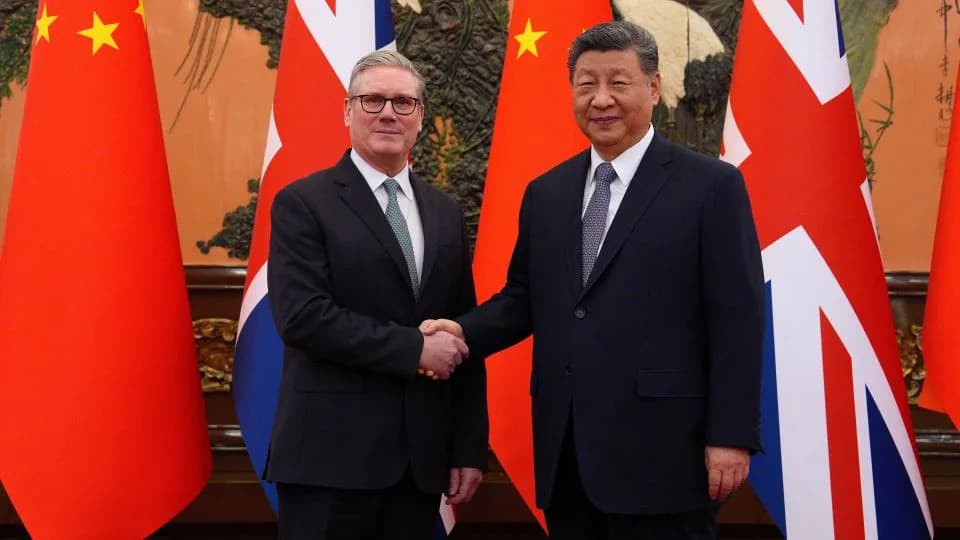
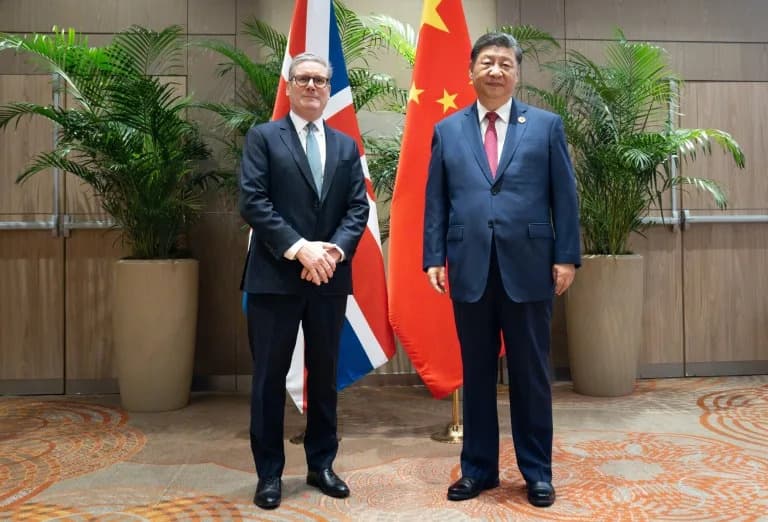
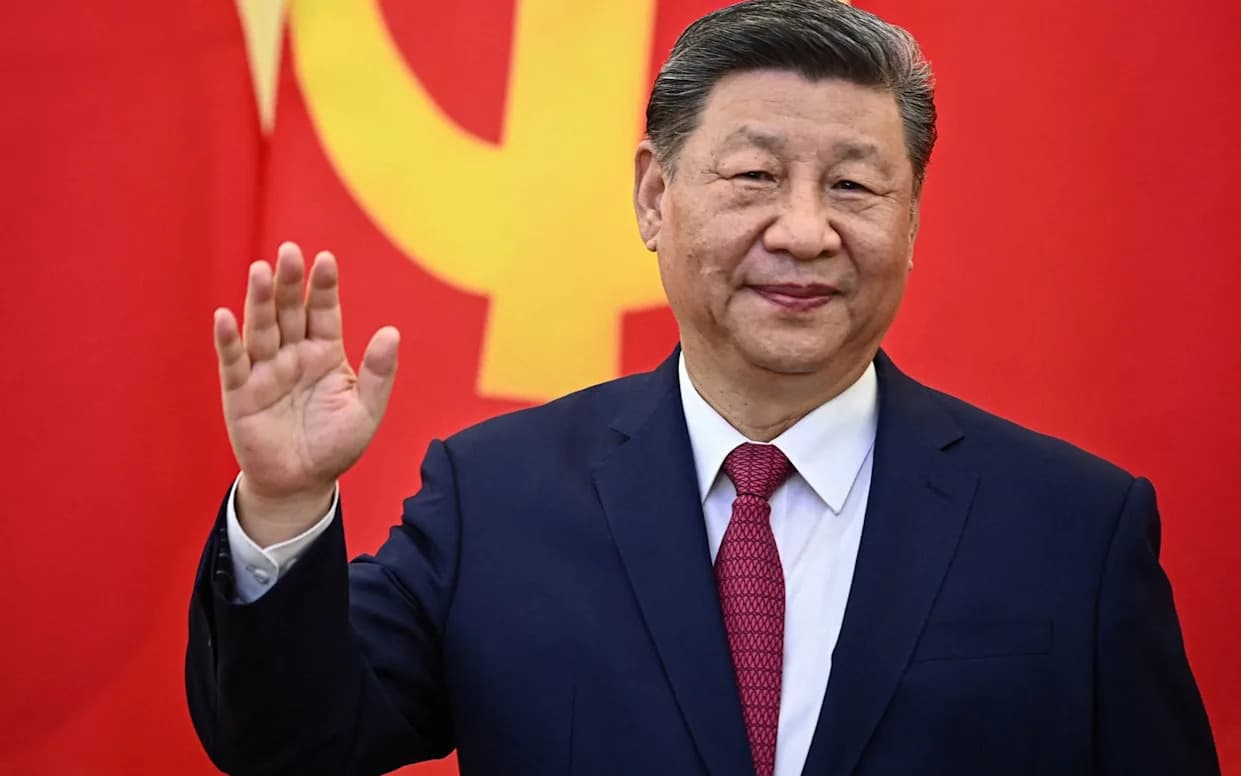
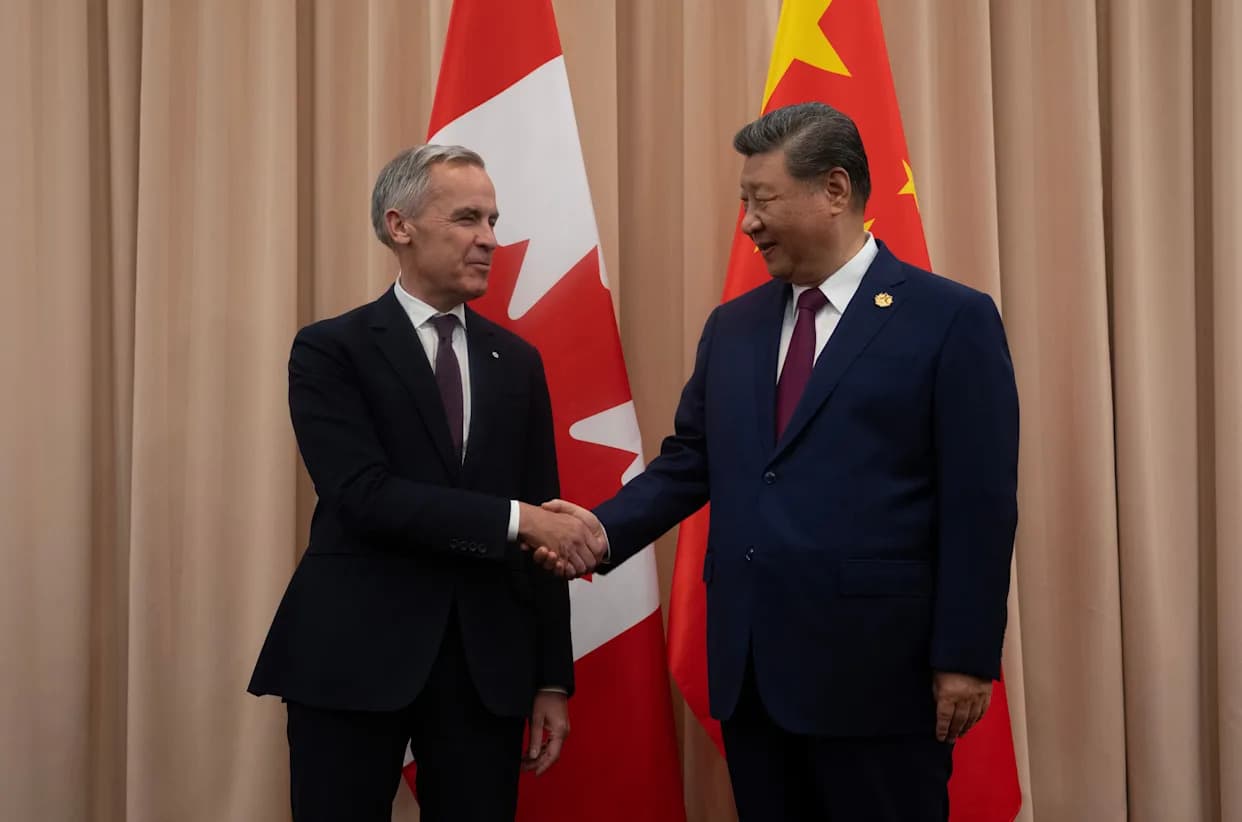
Britain's Prime Minister Keir Starmer shakes hands with Chinese President Xi Jinping ahead of a bilateral meeting during his visit to China, in Beijing, China, on January 29, 2026. - Carl Court/Reuters
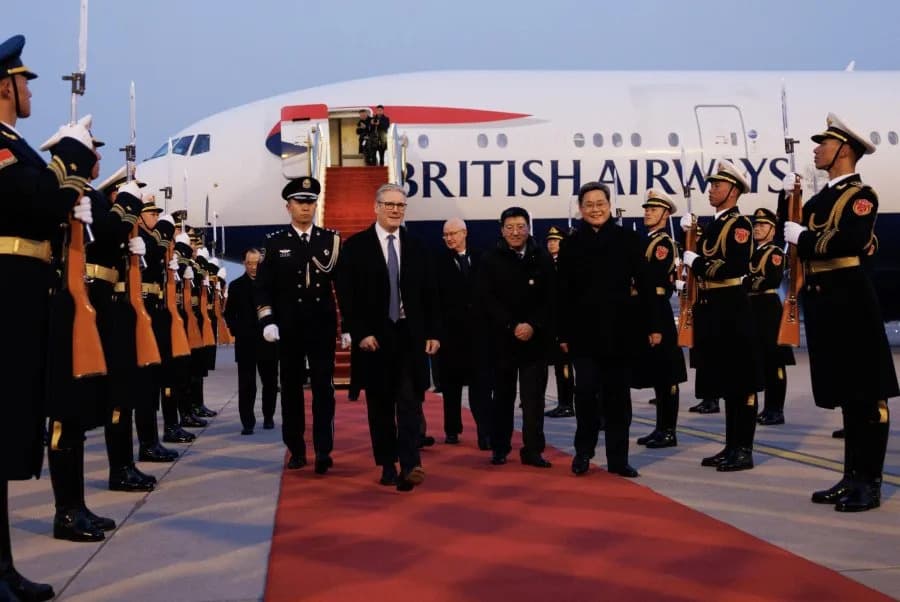
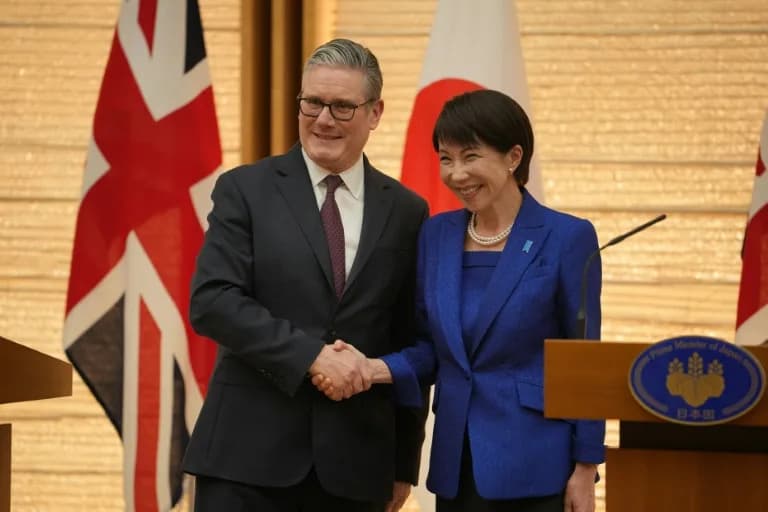
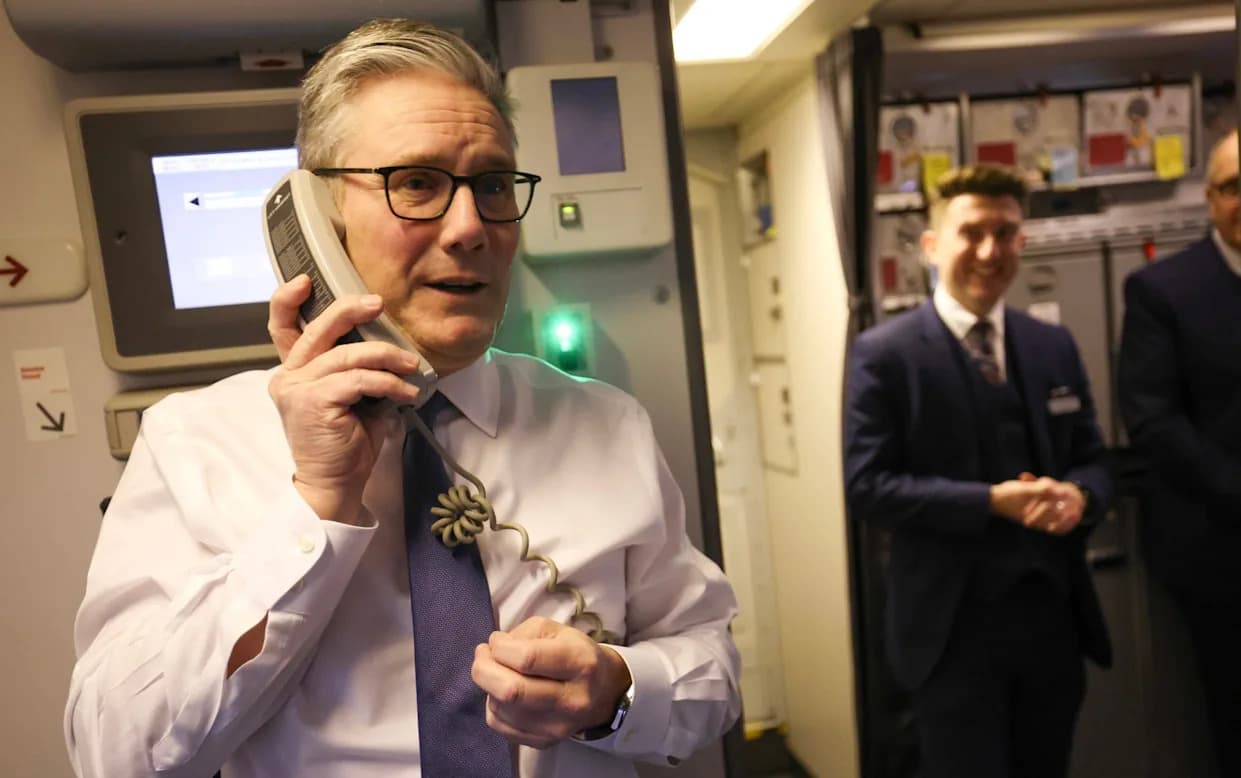
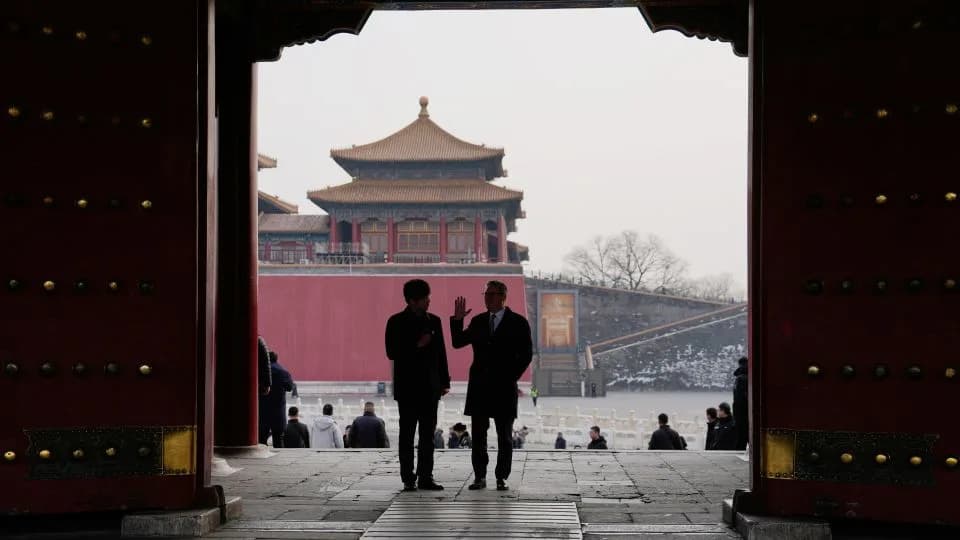
UK Prime Minister Keir Starmer made the first visit by a British leader to China in eight years, underlining his goal of building "a more sophisticated relationship" with Beijing. The four-day trip is part of a wider effort to reset strained ties, expand economic opportunities for British business, and manage strategic differences amid global uncertainty.
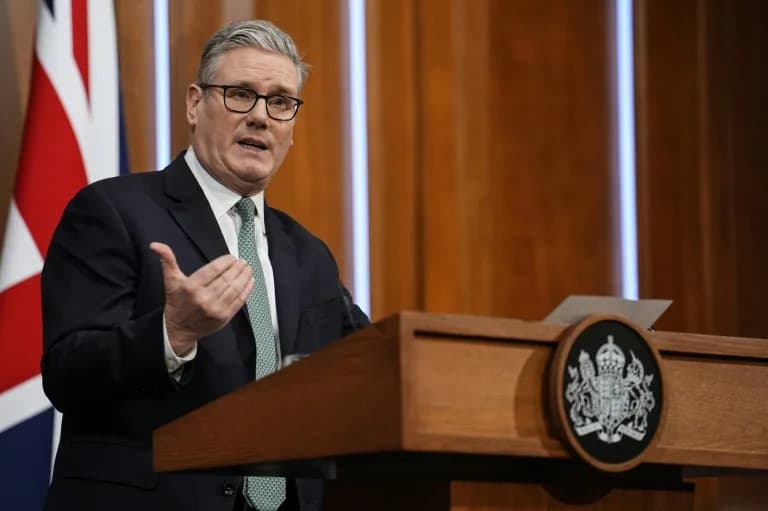
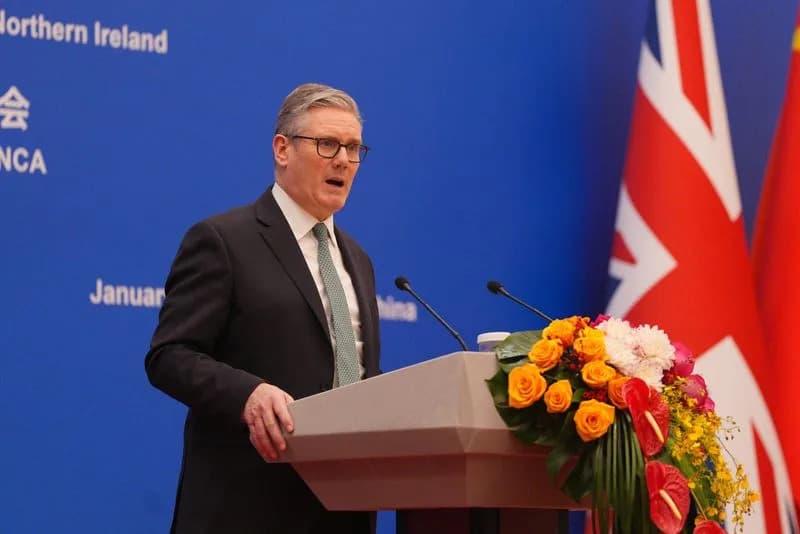
Speaking at the Great Hall of the People, Starmer told Chinese leader Xi Jinping that "China is a vital player on the global stage, and it's vital that we build a more sophisticated relationship." He said a stable UK–China relationship is important for delivering security and prosperity at home and described his aim as a "long-term, consistent and comprehensive strategic partnership."
Xi responded that China was willing to develop a "stable, and comprehensive strategic partnership" and urged both sides to "create new momentum" in bilateral ties. State media quoted Xi warning against rising "unilateralism, protectionism and power politics," and casting China and the UK as potential partners for multilateralism and free trade.
Key Outcomes and Areas of Focus
After the meeting, Starmer described the talks as "a very good, constructive meeting with real outcomes." He highlighted progress on trade and mobility, saying negotiators had made "some really good progress" on cutting Chinese tariffs on Scotch whisky and on steps toward visa-free travel for some British visitors, although details remain under discussion. Both sides also discussed security cooperation on irregular migration to the UK.
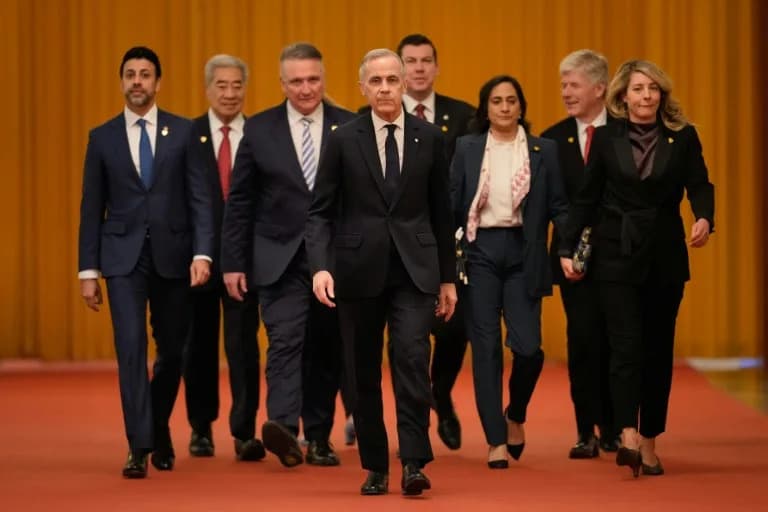
A delegation of nearly 60 businesses and cultural groups accompanied Starmer, including major firms such as HSBC, GSK and Jaguar Land Rover. The delegation is expected to visit Shanghai, China’s financial hub, to explore trade and investment opportunities.
Human Rights, Security And International Context
When asked about human rights concerns—including the jailing of Hong Kong publisher Jimmy Lai and allegations of abuses against Uyghur communities—Starmer said he had raised those issues and described the exchange as "respectful." He stressed the need for candid dialogue on areas of disagreement alongside practical cooperation.
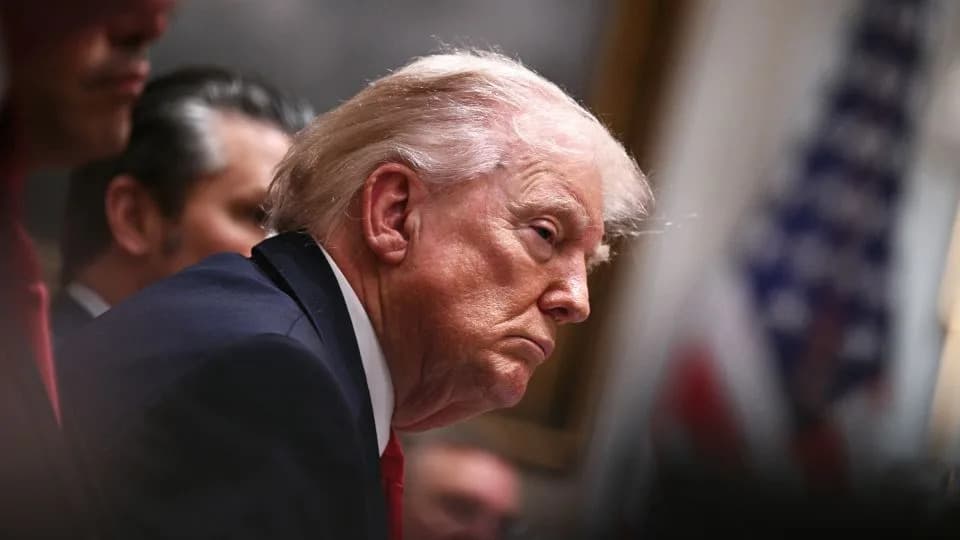
The visit comes amid growing unease in Western capitals about China's economic practices, including its record $1.2 trillion global trade surplus. It also takes place against the backdrop of disruptive US policy under President Donald Trump, whose tariff threats and unpredictable diplomacy have prompted several US allies to engage directly with Beijing. Analysts say Beijing seeks to portray itself as a reliable defender of free trade while driving a wedge between the US and its partners.
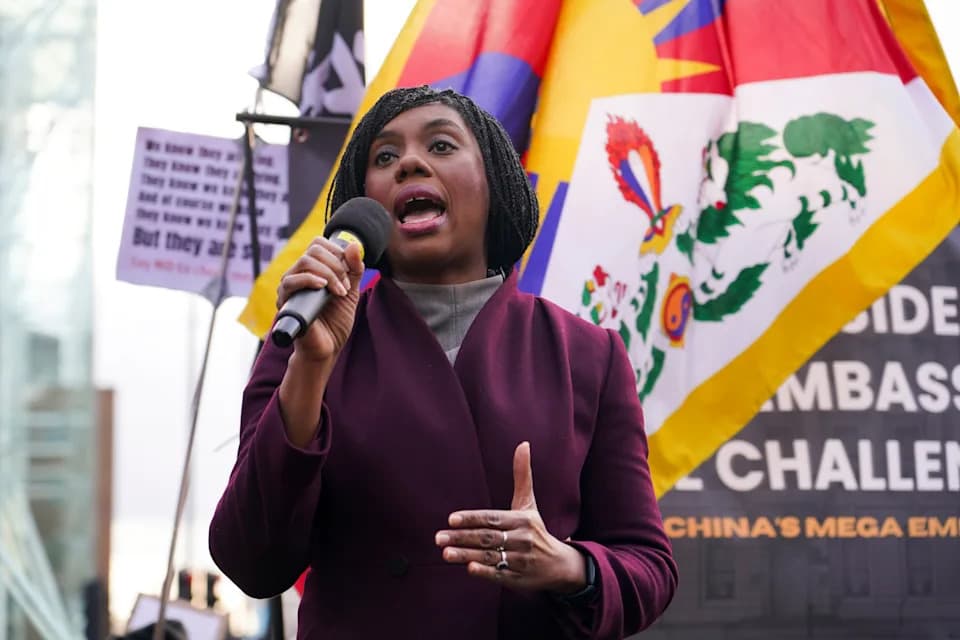
Domestically, Starmer faces scrutiny over a recent UK decision to approve plans for a new, large Chinese embassy near London’s financial district—a site critics say is close to sensitive fibre-optic infrastructure. The prime minister has argued that commercial engagement and national security can be balanced, but his meetings in Beijing will be closely watched in Washington and other allied capitals.
As Starmer and Xi close this high-profile visit, both sides emphasized cooperation on climate change, trade and global stability while acknowledging the difficult issues that will require continued, frank dialogue.
Bottom line: The trip signaled a pragmatic UK approach: pursue commercial ties and cooperation where possible, raise human rights and security concerns directly, and try to strike a balance between growth and national security.
Help us improve.