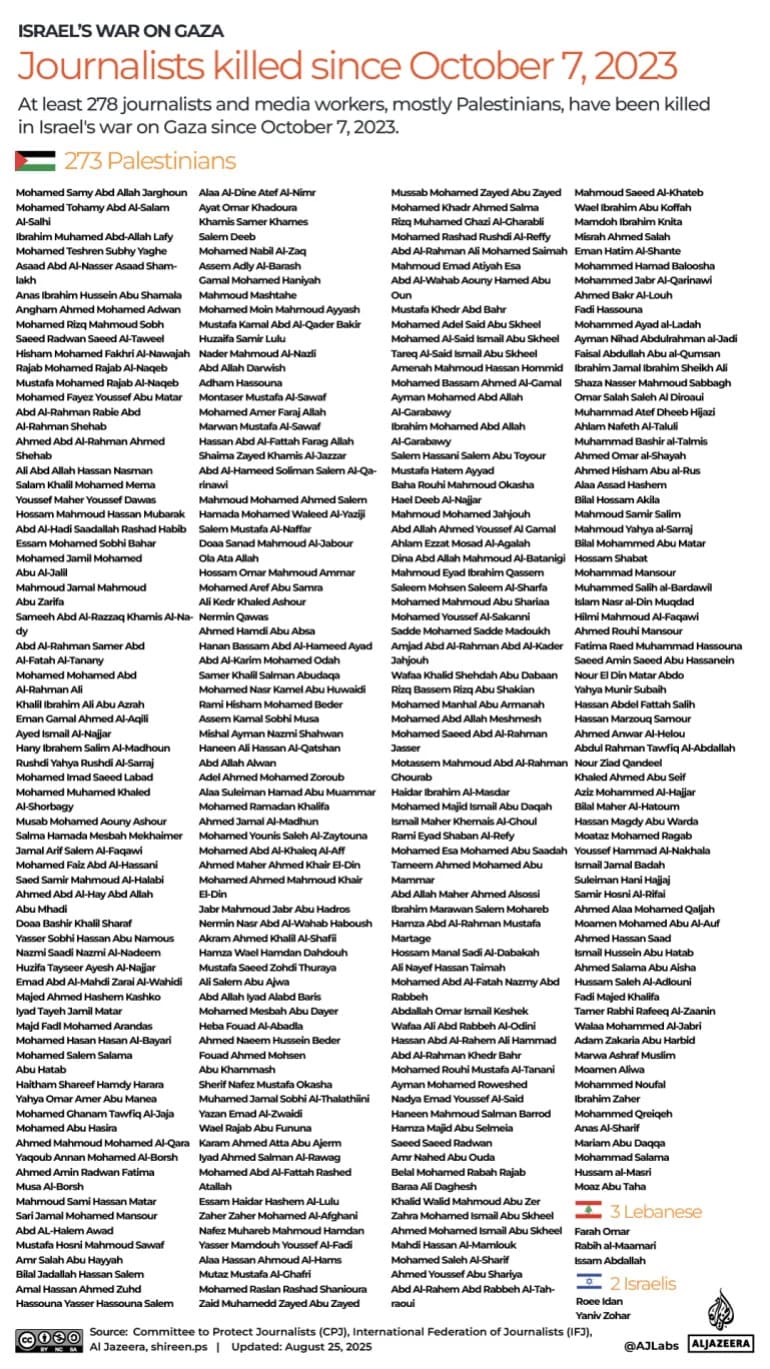
The Israeli Supreme Court has delayed a ruling on a Foreign Press Association petition seeking independent foreign journalist access to Gaza, giving the government until March 31 to respond. Justices criticized the state’s reliance on unspecified classified security claims, and the FPA says it was barred from viewing the material. The extension preserves a ban in place since the October 7, 2023 attacks and is the ninth deadline extension since the petition was filed in September 2024. The delay coincides with diplomatic efforts, including a US-backed disarmament plan involving an internationally funded weapons buyback.
Israeli Supreme Court Delays Ruling On Foreign Press Access To Gaza, Gives Government Until March 31
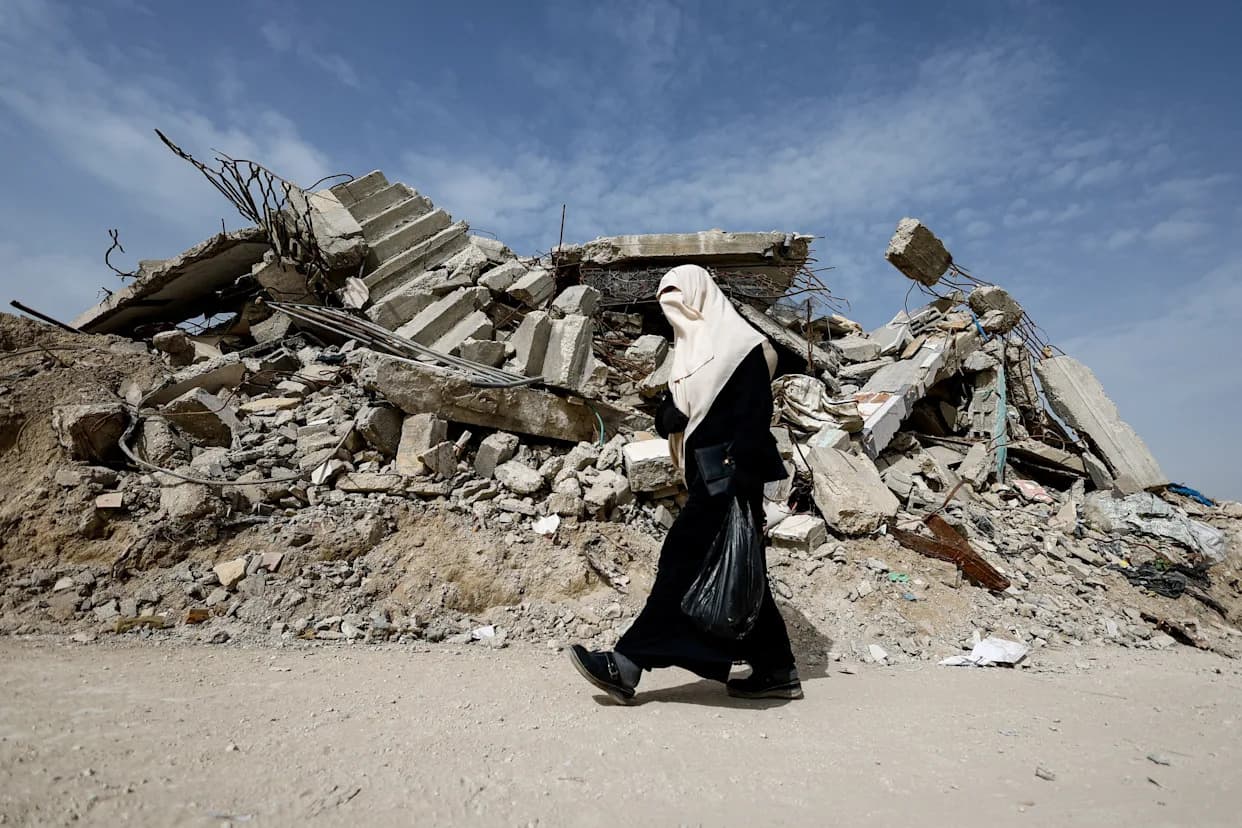
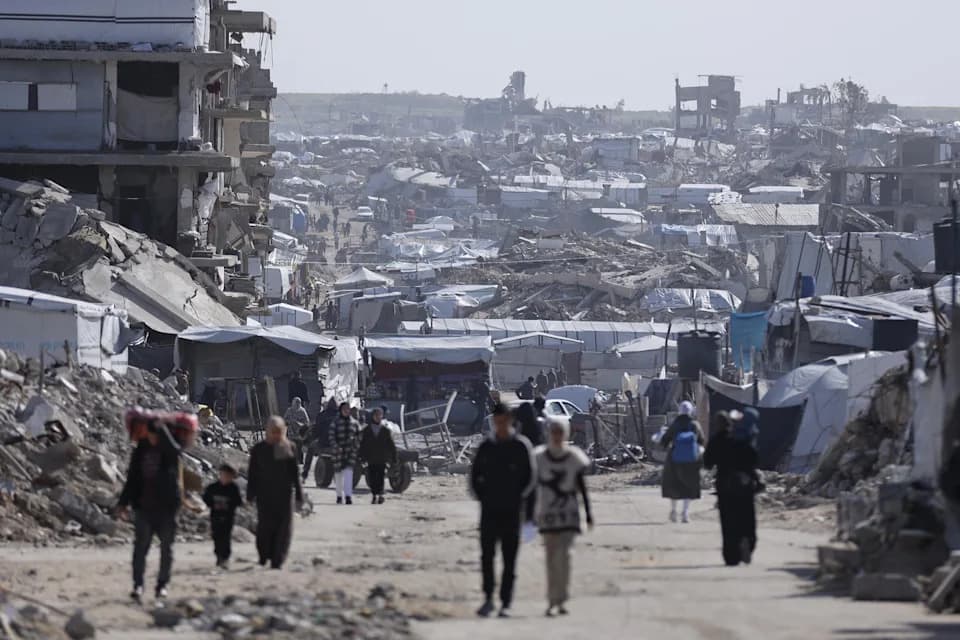
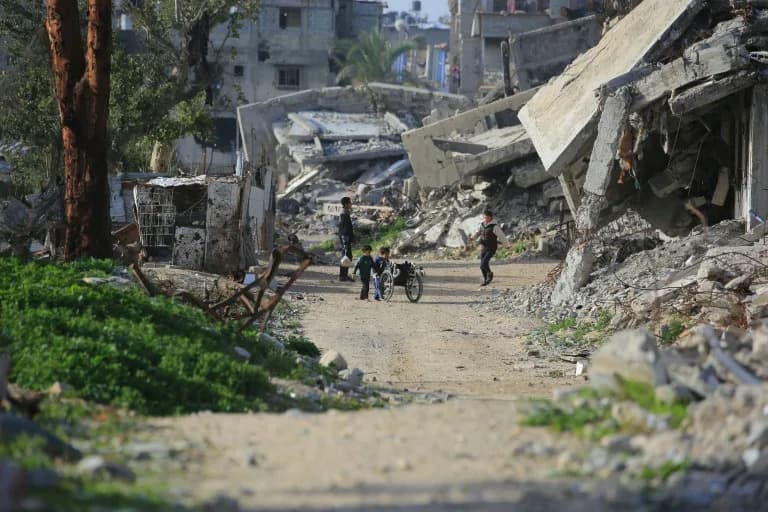
A Palestinian woman walks past the rubble of a residential building destroyed during the war, in Gaza City. [Mahmoud Issa/Reuters]
The Israeli Supreme Court has again postponed a decision on whether foreign journalists should be allowed independent entry into Gaza, extending a legal dispute that has been active for more than a year.
At a hearing on Wednesday the court granted the government until March 31 to file its response to a petition brought by the Foreign Press Association (FPA). State attorneys relied largely on classified security claims, offering limited public detail for the continued restriction.
Court Pushes Back Against Vague Security Claims
Justices expressed frustration with the government’s explanations for maintaining a blanket ban on independent press access. Justice Ruth Ronen rejected the state’s general invocation of security concerns, saying: "It is not enough to cite 'security risks' without providing details," and noting there had been "a very significant change on the ground" since a ceasefire came into effect.
What The Petition Says
The FPA, which represents roughly 370 journalists from 130 media outlets, filed the petition in September 2024 seeking free, independent access for foreign correspondents to report from Gaza rather than requiring them to embed with the Israeli army. The association said its legal team was barred from attending or viewing classified material presented to the judges, and called the closed proceedings a denial of its opportunity to rebut the state's claims.
Context And Related Developments
The restriction has been in place since Israel launched military operations after the Hamas-led attacks on October 7, 2023—a campaign described in the petition as "genocidal." A ceasefire took effect in October 2025, but rights monitors say strikes continued afterward that killed more than 400 people.
This marks the ninth extension granted to the government since the FPA's petition. Separately, on January 25 Israel extended the shutdown of Al Jazeera’s operations for another 90 days, citing national security concerns the broadcaster denies.
Diplomatic Efforts And Security Proposals
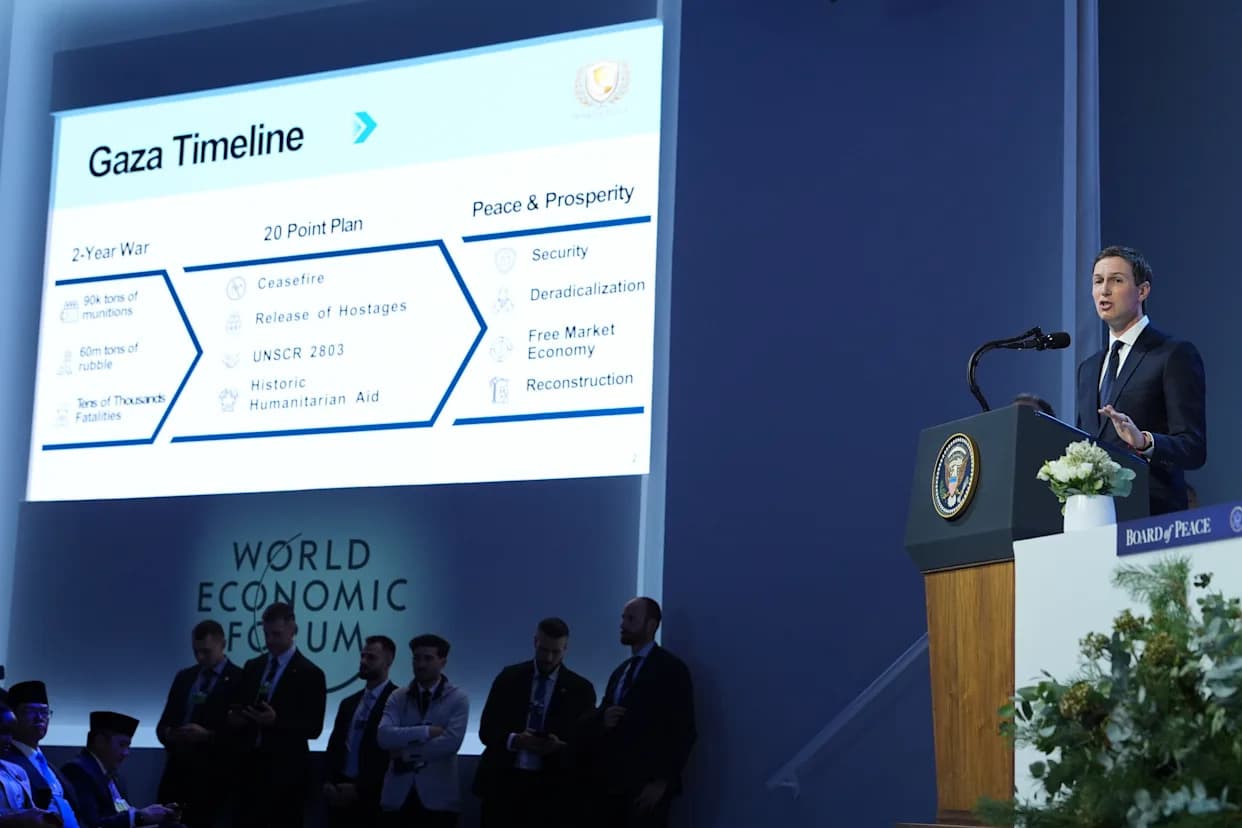
The court's delay comes as mediators push a US-backed plan intended to end the conflict. At the UN Security Council the United States outlined proposals for an "internationally funded buyback" programme to help disarm Hamas as part of Gaza’s demilitarisation. US Ambassador to the UN Mike Waltz said "international, independent monitors will supervise a process of demilitarisation of Gaza to include placing weapons permanently beyond use through an agreed process of decommissioning," supported by the buyback scheme.
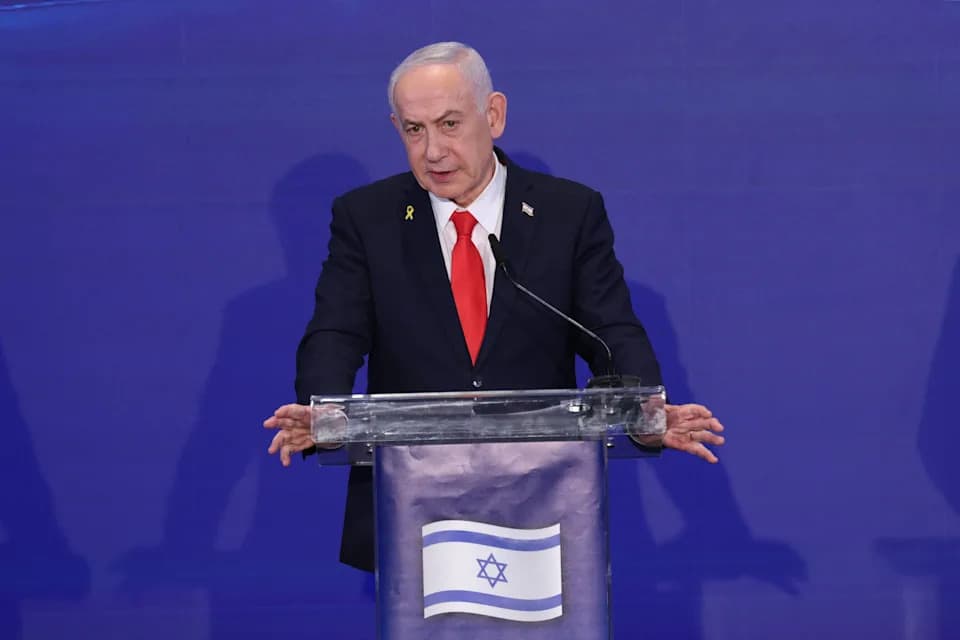
Hamas retains control of just under half of Gaza’s territory beyond the so-called Yellow Line, where Israeli forces remain present. Two Hamas officials told Reuters this week that neither the United States nor mediators have presented a detailed or concrete disarmament proposal to the group. Israeli Prime Minister Benjamin Netanyahu has said demilitarisation must come before further progress on the ceasefire.
What Comes Next: The court’s March 31 deadline will determine whether the state provides fuller justification for the continued restrictions or whether the FPA receives an earlier opportunity to challenge the classified security evidence underpinning the ban.
Help us improve.