Key takeaway: Director of National Intelligence Tulsi Gabbard was reportedly absent from final planning for the U.S. operation to capture Nicolás Maduro, prompting questions about trust and coordination within the Trump White House. Reports say fewer than 100 people died in the operation, with a plurality of fatalities among Cuban security personnel. Gabbard’s past objections to hardline policy on Venezuela, limits she placed on Five Eyes access, and controversial comments about Russia, China and Iran have aggravated allied concerns about intelligence sharing.
If the Trump White House Couldn’t Trust Tulsi Gabbard, Who Could?
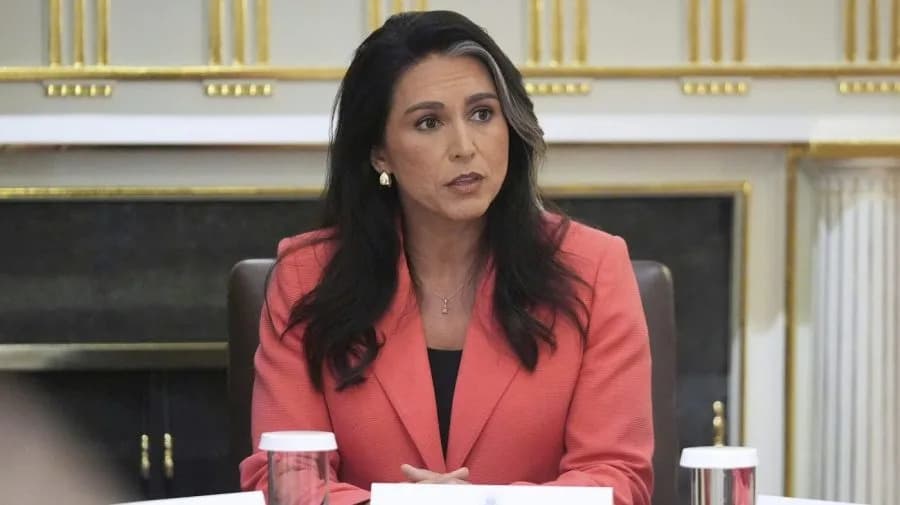
In the final hours before the U.S. operation to capture Venezuelan leader Nicolás Maduro, President Trump was pictured in the Situation Room surrounded by a close circle of advisers — and one conspicuous absence: Director of National Intelligence Tulsi Gabbard.
According to multiple accounts, Gabbard was not in the room as planners finalized the operation; aides have long joked that the initials “DNI” stood for “Do Not Invite.” Reports say she was in Hawaii practicing sun salutations while the mission reached its decisive moments.
Why Her Absence Matters
Gabbard’s exclusion has roots in a well-documented record of opposing hardline measures against the Maduro government. She has argued that intervention could “wreak death and destruction on the Venezuelan people.” While final casualty figures remain under review, initial assessments indicate fewer than 100 people died in the operation and that a plurality of those fatalities were Cuban security personnel.
That sequence raises an important question: if the White House sidelines its own DNI for a highly sensitive operation, how should the American public — or allied intelligence partners — trust that U.S. intelligence oversight is fully integrated and transparent?
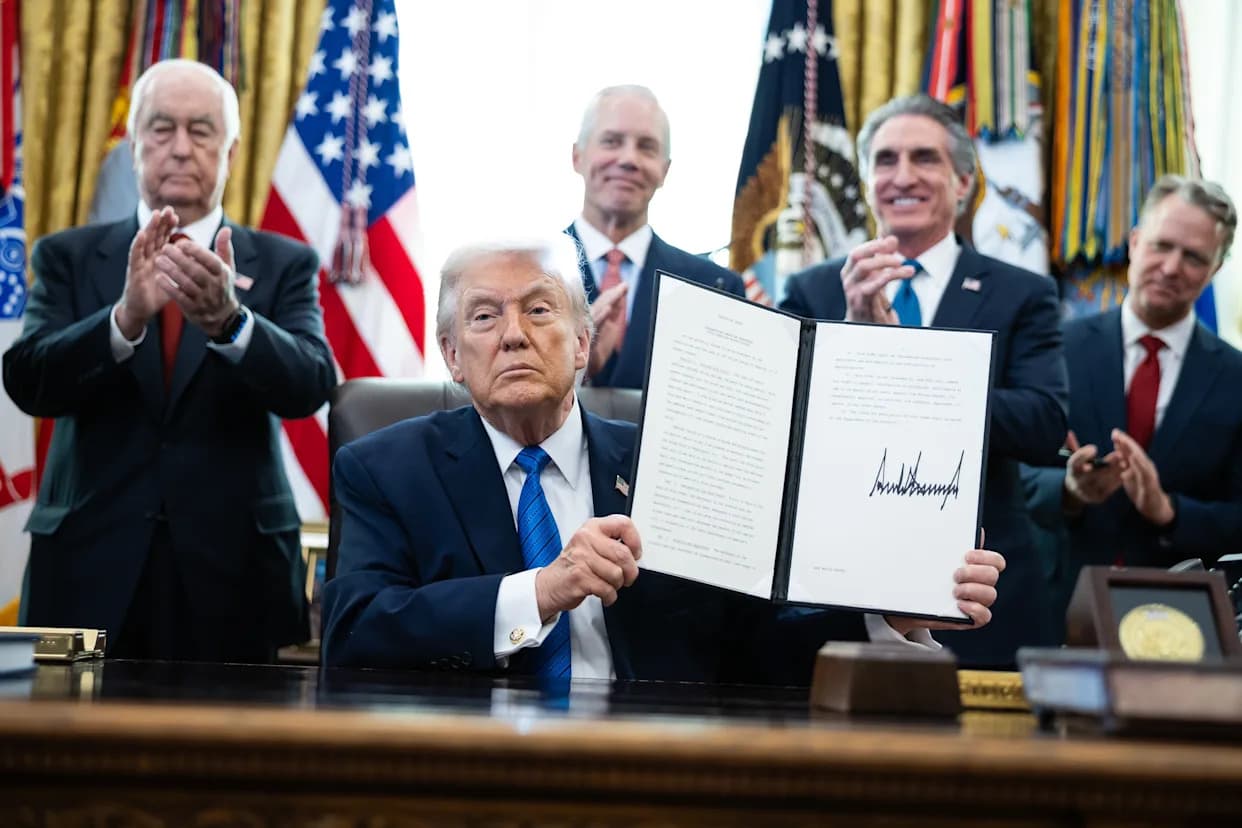
Administration spokespeople, including Vice President JD Vance, have denied that Gabbard was deliberately excluded. Still, Situation Room photos released by the White House prominently show Secretary of State Marco Rubio, Homeland Security Adviser Stephen Miller and CIA Director John Ratcliffe flanking the president. Gabbard did not comment publicly about the operation until more than 48 hours later; when she did, she praised the mission but conspicuously avoided naming Maduro or Venezuela.
Tensions between Gabbard and other senior officials predate her tenure as DNI. During her confirmation, she repudiated claims that she was a “puppet” of foreign adversaries such as Assad or Vladimir Putin, but concerns lingered among some U.S. and allied officials. British security contacts reportedly voiced reservations about expanded intelligence sharing because of Gabbard’s past statements regarding Putin. Months into her tenure, Gabbard issued guidance limiting Five Eyes partners’ access to U.S. intelligence on Russia-Ukraine negotiations — a move that heightens allied unease.
Record Of Controversy
Beyond Venezuela and Russia-related disputes, Gabbard’s tenure has attracted scrutiny in other theaters. She was reportedly marginalized during discussions about potential responses to Iran earlier in the year after posting unusual social-media videos warning of an imminent nuclear confrontation; critics pointed to past dovish comments she made as a congresswoman. Her earlier memos and public remarks that criticized U.S. policy toward Putin — and commentary on China and Japan that aligned with Beijing talking points — have further complicated relations with allies.
The U.S. intelligence community comprises 18 agencies and requires a DNI who can credibly coordinate with domestic and international partners. Whether Gabbard’s exclusion reflects prudent operational security, interpersonal friction, policy disagreement, or something deeper, the public and allied governments deserve clear explanations when their chief intelligence officer is left out of major decisions.
Kareem Rifai is a graduate student in the Georgetown Security Studies program.
Copyright 2026 Nexstar Media, Inc. All rights reserved.
Help us improve.