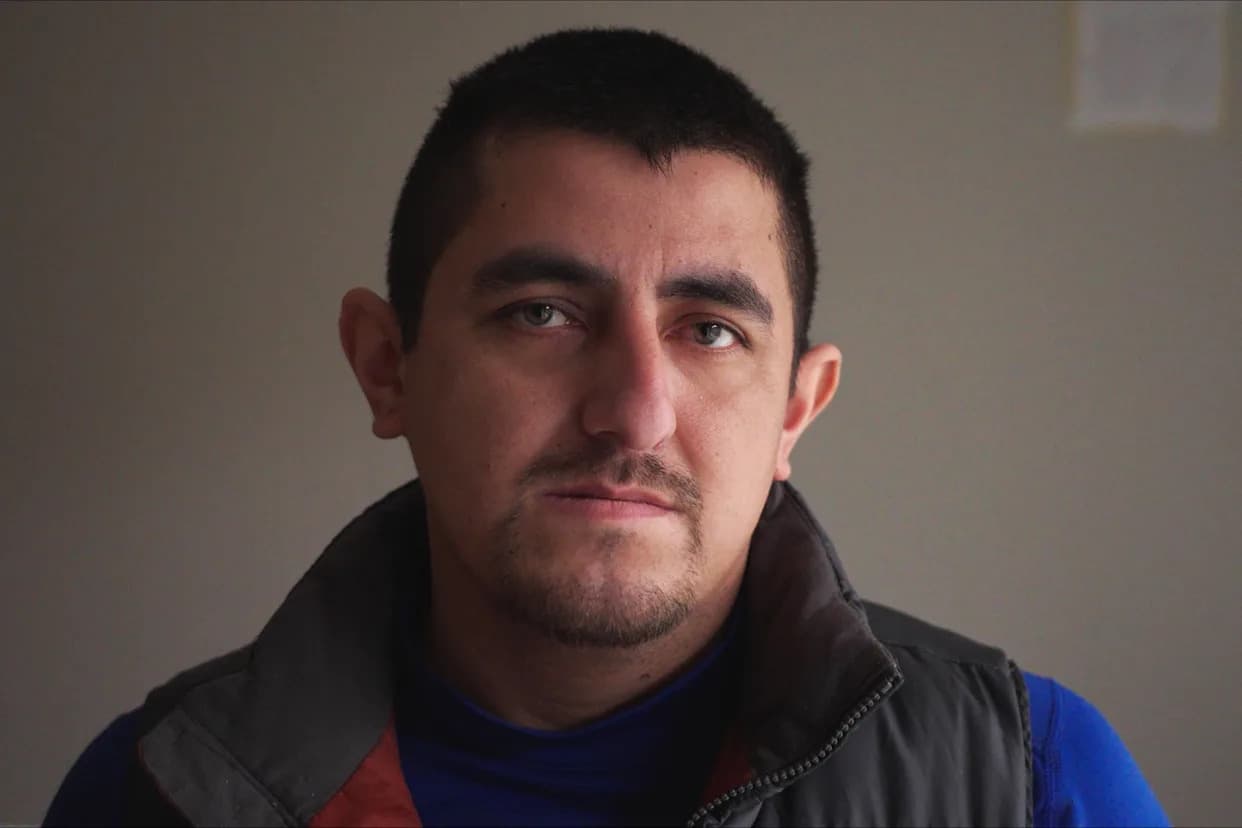
Cambridge engineers have created Revoice, a wearable AI collar that reconstructs natural speech by decoding throat vibrations and pulse-based emotional cues. In a small trial of five dysarthria patients, Revoice produced a 2.9% sentence error rate. The device combines non-invasive sensors with an onboard large language model to predict full sentences. Researchers plan multilingual support and broader emotion decoding but stress that larger clinical trials are required.
Revoice: AI Collar Restores Natural Speech for Stroke Survivors
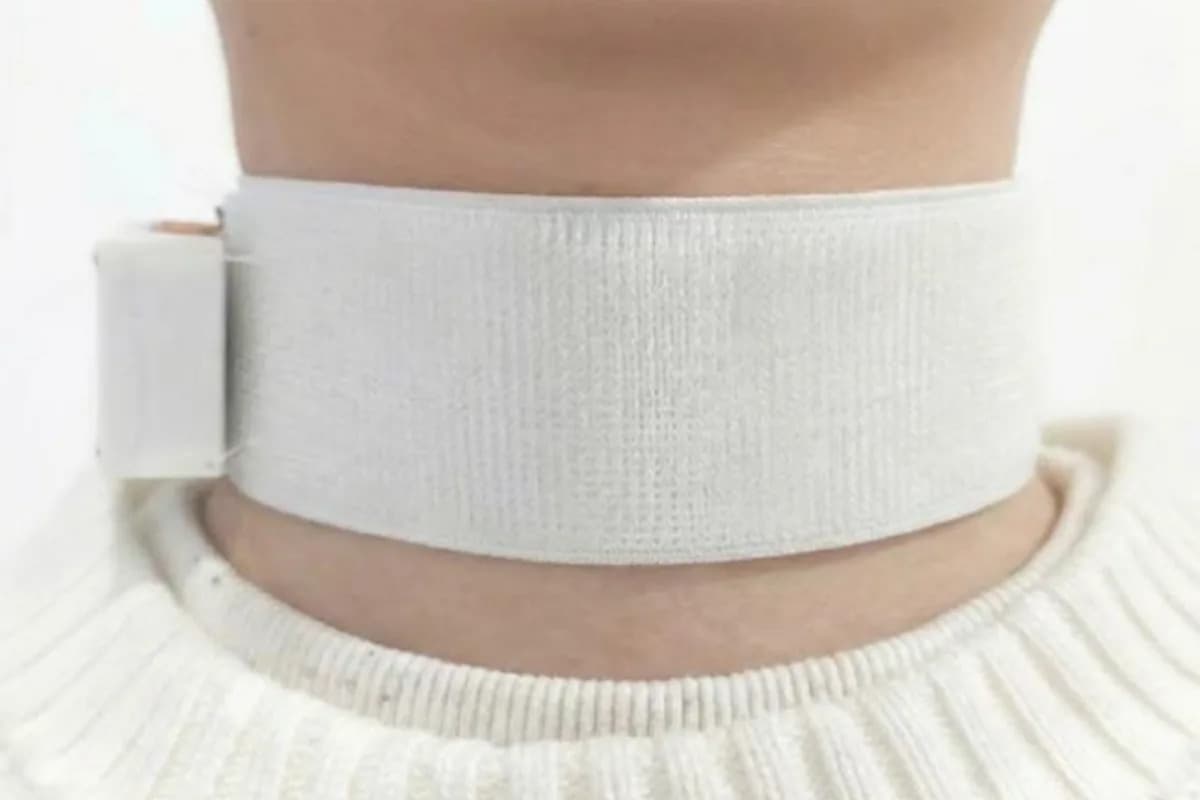
The Revoice collar uses AI to return fluent speech to stroke patients (University of Cambridge)
Researchers at the University of Cambridge have developed Revoice, a wearable AI-powered collar that can help stroke survivors speak again using their natural voice. The device decodes subtle throat vibrations and physiological cues to reconstruct words from silently mouthed or partially formed speech, offering a promising non‑invasive alternative to existing assistive technologies.
How Revoice Works
Revoice uses an array of sensors placed against the wearer’s throat to capture tiny mechanical vibrations produced when a person attempts to speak. It also collects pulse-based signals that offer clues about emotional state. An onboard large language model (LLM) then interprets these fragmented inputs and predicts full sentences, producing fluent, contextually appropriate output.
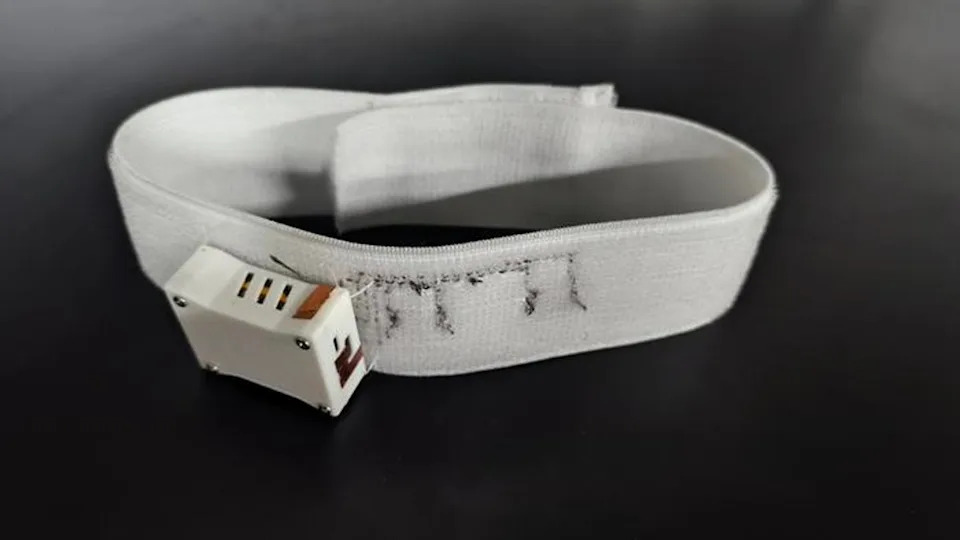
The Revoice wearable gives stroke victims the ability to communicate naturally and fluently without invasive brain implants (University of Cambridge)
Clinical Trial and Results
In an initial trial involving five patients with dysarthria — a common post-stroke speech impairment — the device achieved a sentence error rate of just 2.9 percent. While encouraging, the researchers emphasize that this was a small trial and larger clinical studies are required to confirm safety, reliability and real-world performance.
“When dysarthria follows a stroke, it can be profoundly frustrating: patients know what they want to say but the neural signals to the throat have been scrambled,” said Professor Luigi Occhipinti of Cambridge’s Department of Engineering, who led the project. “There is a strong need for portable, intuitive speech aids that avoid invasive brain implants.”
Potential And Next Steps
The team hopes Revoice can be adapted for other neurological conditions such as Parkinson’s disease and motor neuron disease. Future development aims include multilingual support and more advanced emotion decoding to improve naturalness and user comfort. Extensive clinical trials and regulatory review will be needed before the device can be offered widely.
The research was published in Nature Communications in a paper titled ‘Wearable intelligent throat enables natural speech in stroke patients with dysarthria’.
Help us improve.