The video of a Syrian militiaman displaying what he says is a severed braid from a Kurdish fighter has provoked protests and an online solidarity campaign as Damascus reasserts control in parts of northeastern Syria. Analysts say the clip—whose claims remain unverified—underscores Kurdish fears about what government rule could mean for their communities and women fighters. The episode coincides with a U.S.-brokered ceasefire that began on Jan. 18 and was extended for 15 days after diplomatic talks; detainee transfers to Iraq began on Jan. 21 amid security concerns. Observers warn that unresolved disputes over SDF integration could allow renewed fighting once the truce ends.
Video of Militiaman Displaying Alleged Severed Kurdish Braid Sparks Outrage as Damascus Reasserts Control
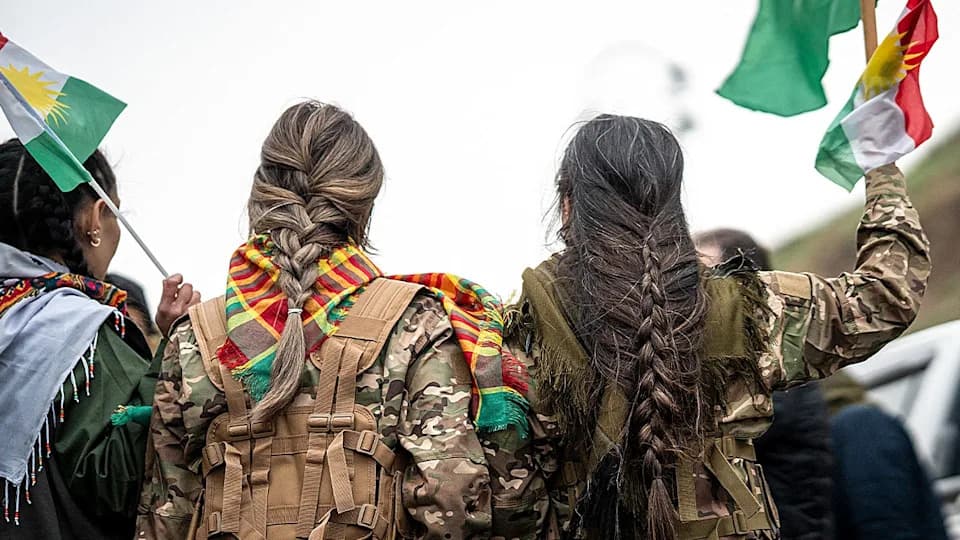
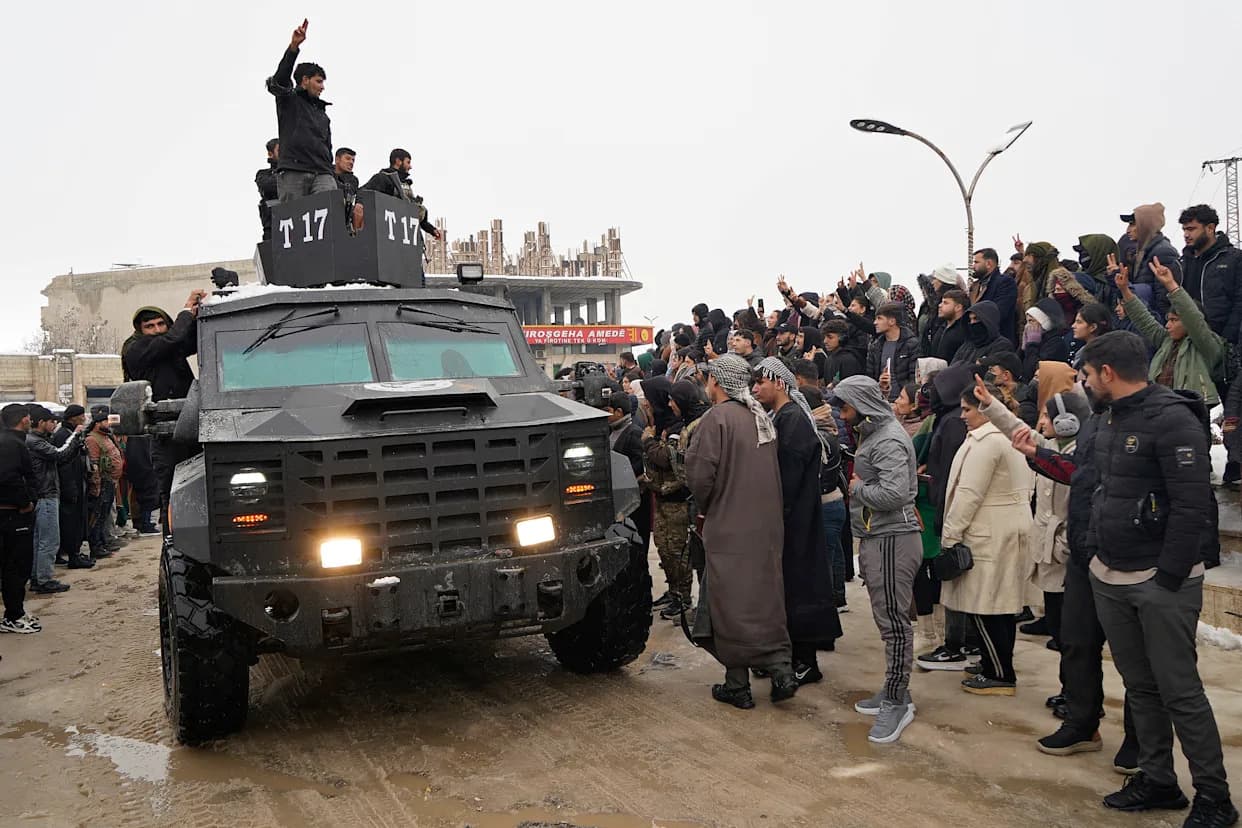
Women began braiding their hair in protest after a video went viral appearing to show a Syrian soldier bragging about cutting a Kurdish female fighter's braid.(Getty Images)
A circulating video showing a Syrian militiaman holding what he says is a severed braid taken from a Kurdish fighter killed in Raqqa has provoked widespread outrage as Damascus moves to reassert authority in northeastern Syria amid a fragile ceasefire.
In the footage, the man holds up what appears to be a cut braid and tells the person filming that he removed it from a woman he claims was affiliated with the Kurdish-led Syrian Democratic Forces (SDF). When asked why, he replies,
"She’s already gone, what will she do?"according to the London-based outlet New Arab. The clip prompted online backlash and solidarity protests in which Kurdish women publicly braided their hair.
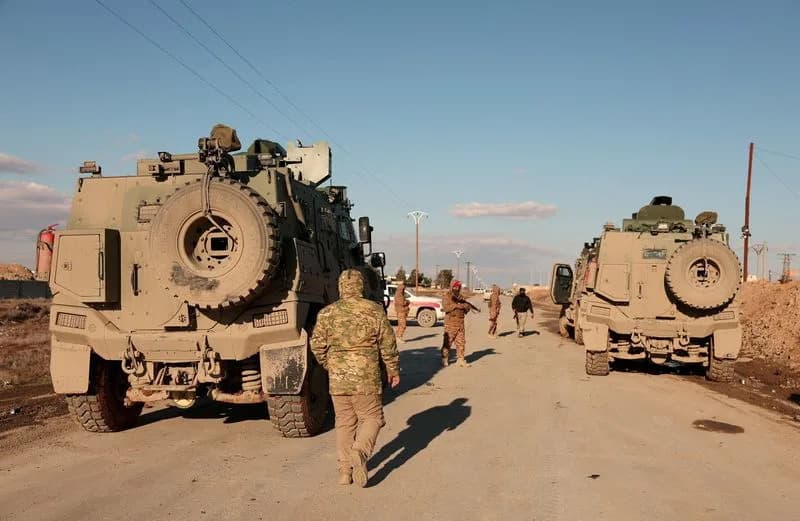
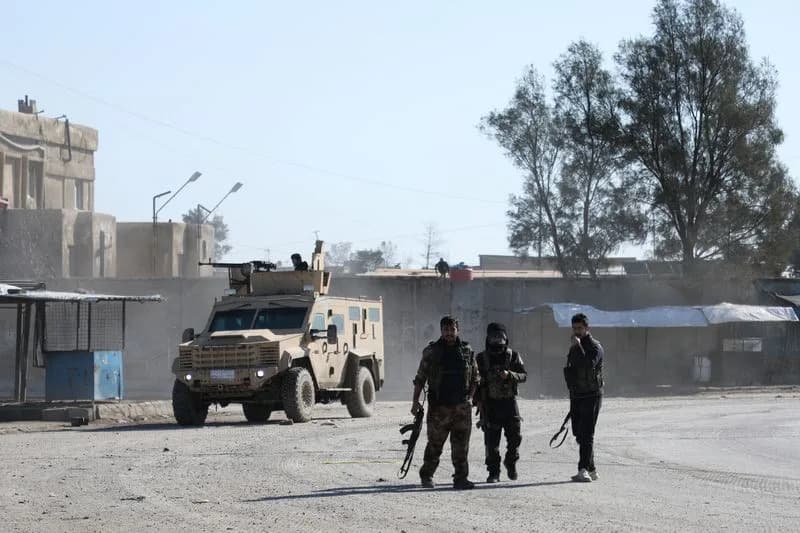
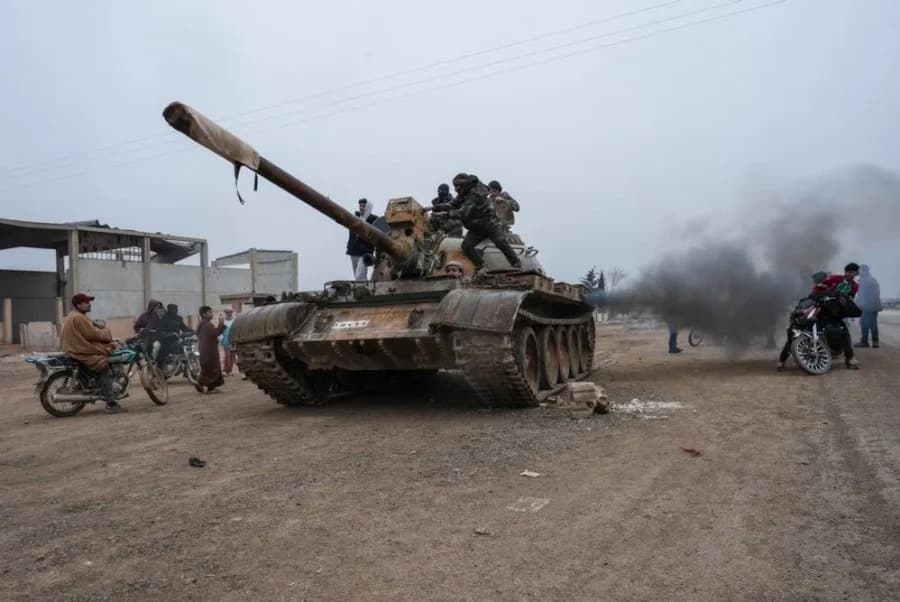
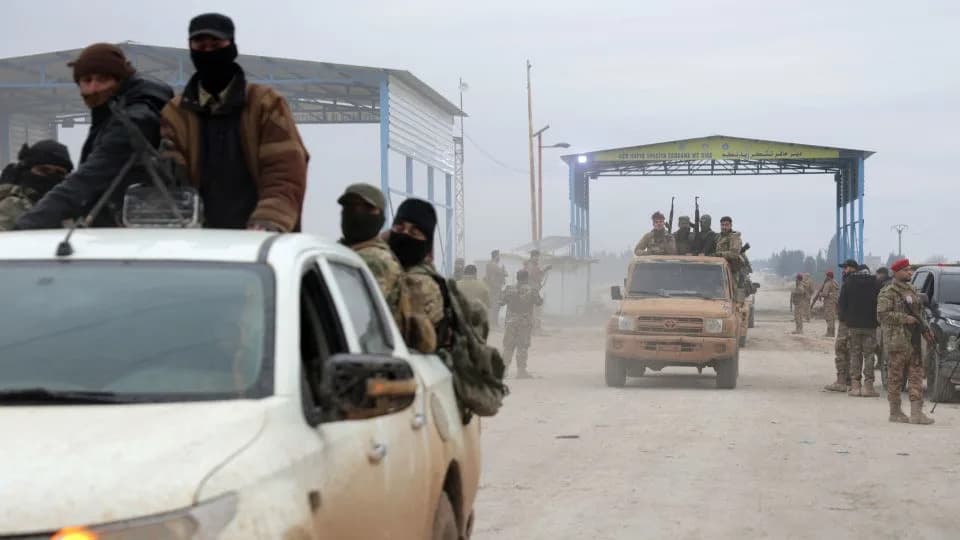
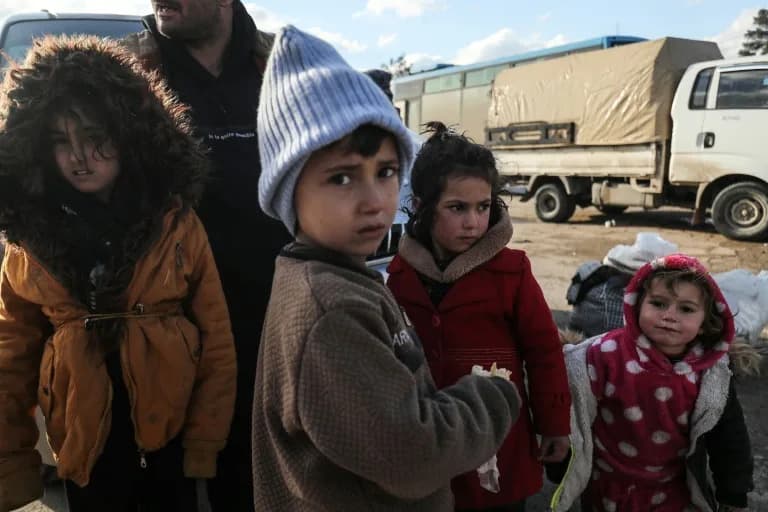
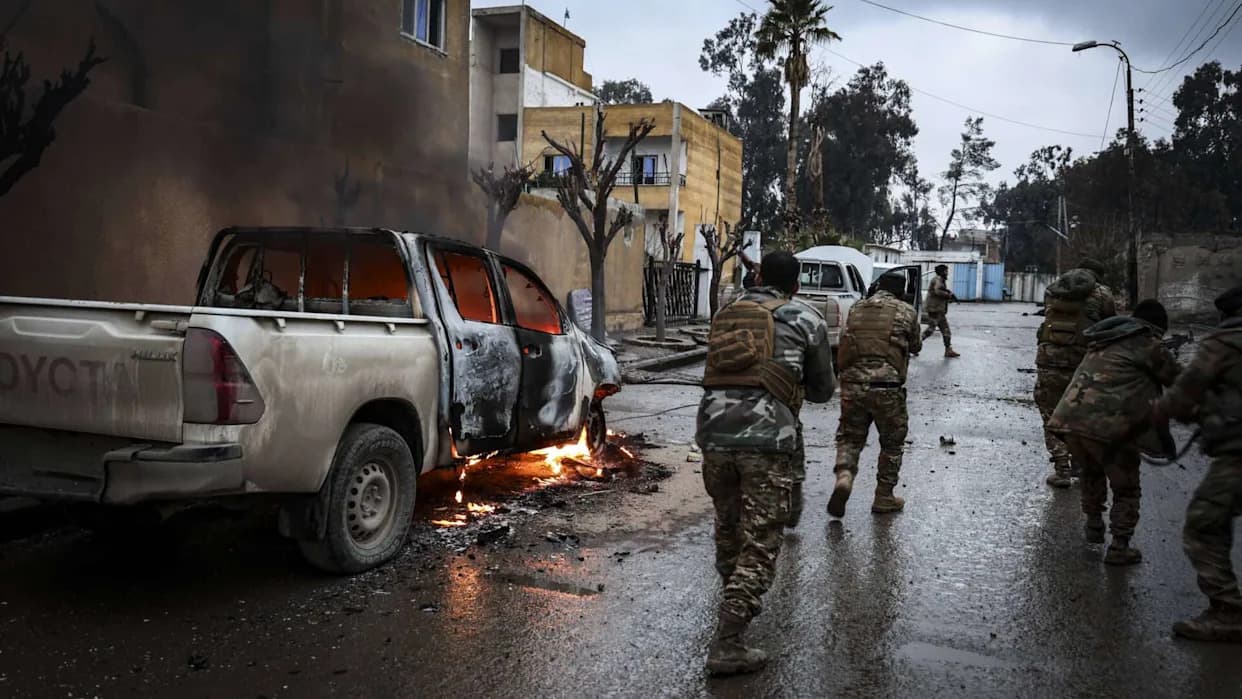
Outrage intensified as control shifted in parts of northeastern Syria, with AFP and other outlets reporting alarm among local communities about what renewed Damascus presence might mean for Kurds who long administered those areas under SDF authority.
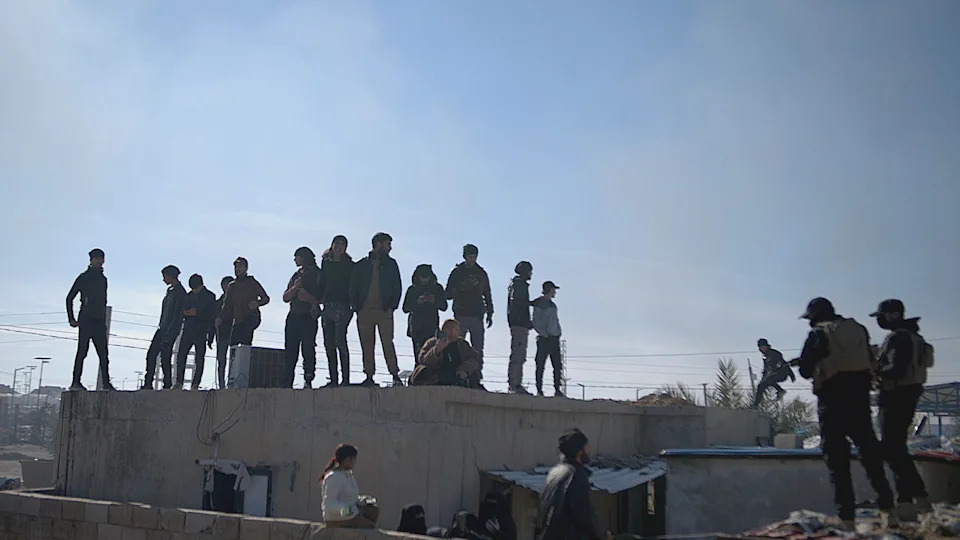
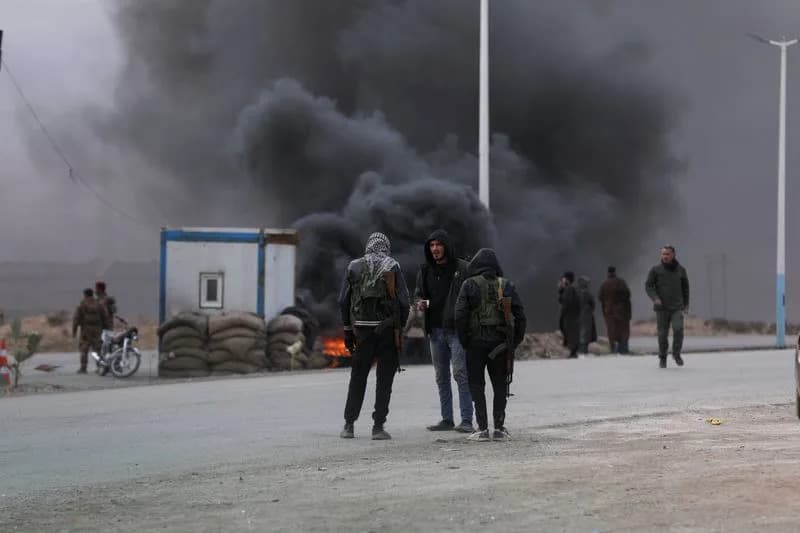
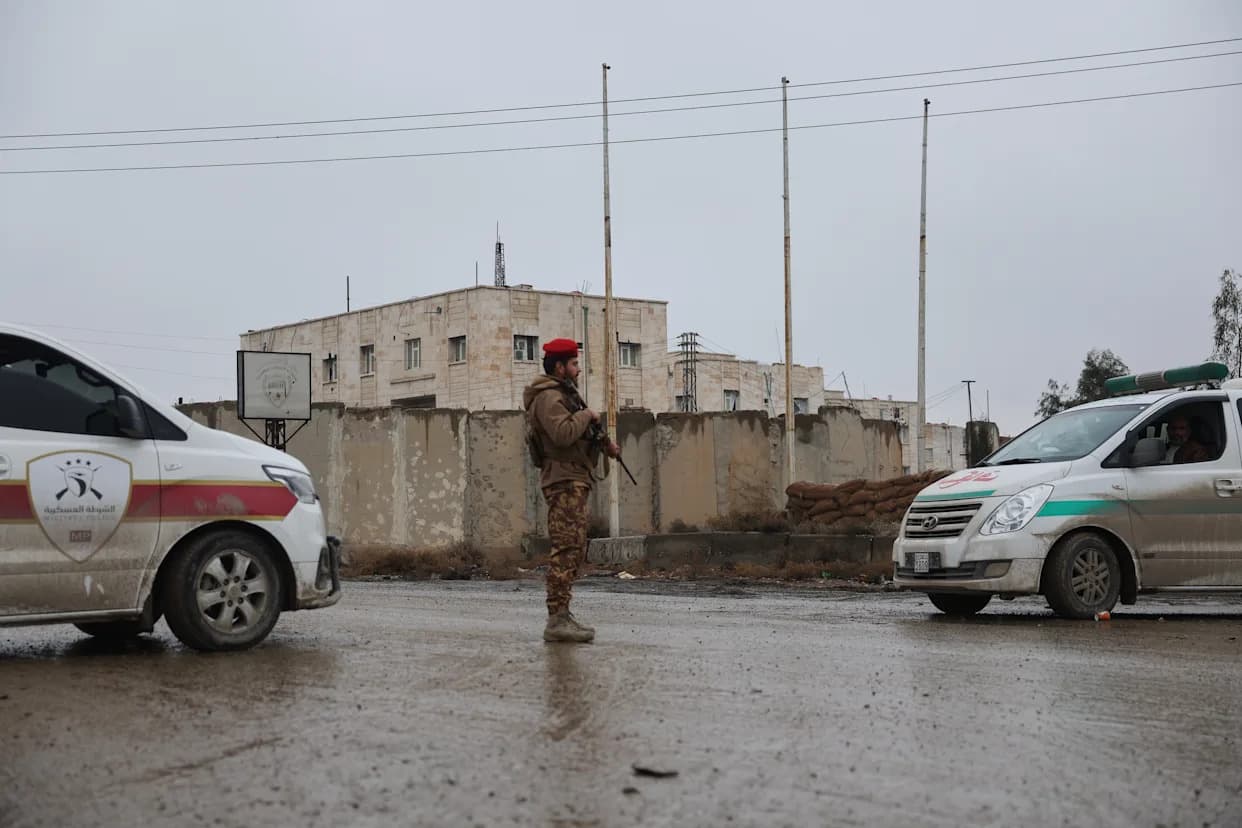
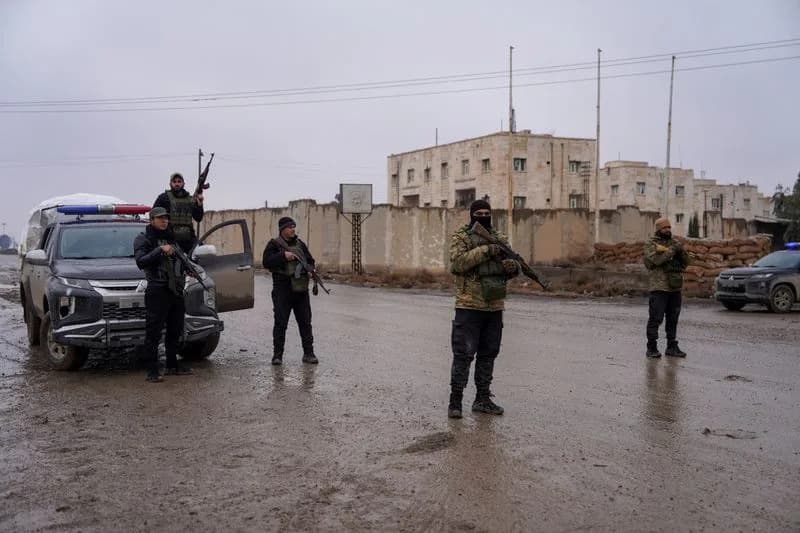
Syrian security forces increased security measures at Al-Hawl refugee camp.
Claims, Denials and Cultural Significance
Syria analyst Nanar Hawach of the International Crisis Group told Fox News Digital that the fighter later described the braid as "artificial" and a "joke," and that the woman’s identity and fate remain unverified. Hawach emphasized that the public response matters more than the clip itself: in Kurdish tradition, hair—especially braided hair—carries cultural significance and has become a visible symbol of women’s resistance.
Wider Political and Security Context
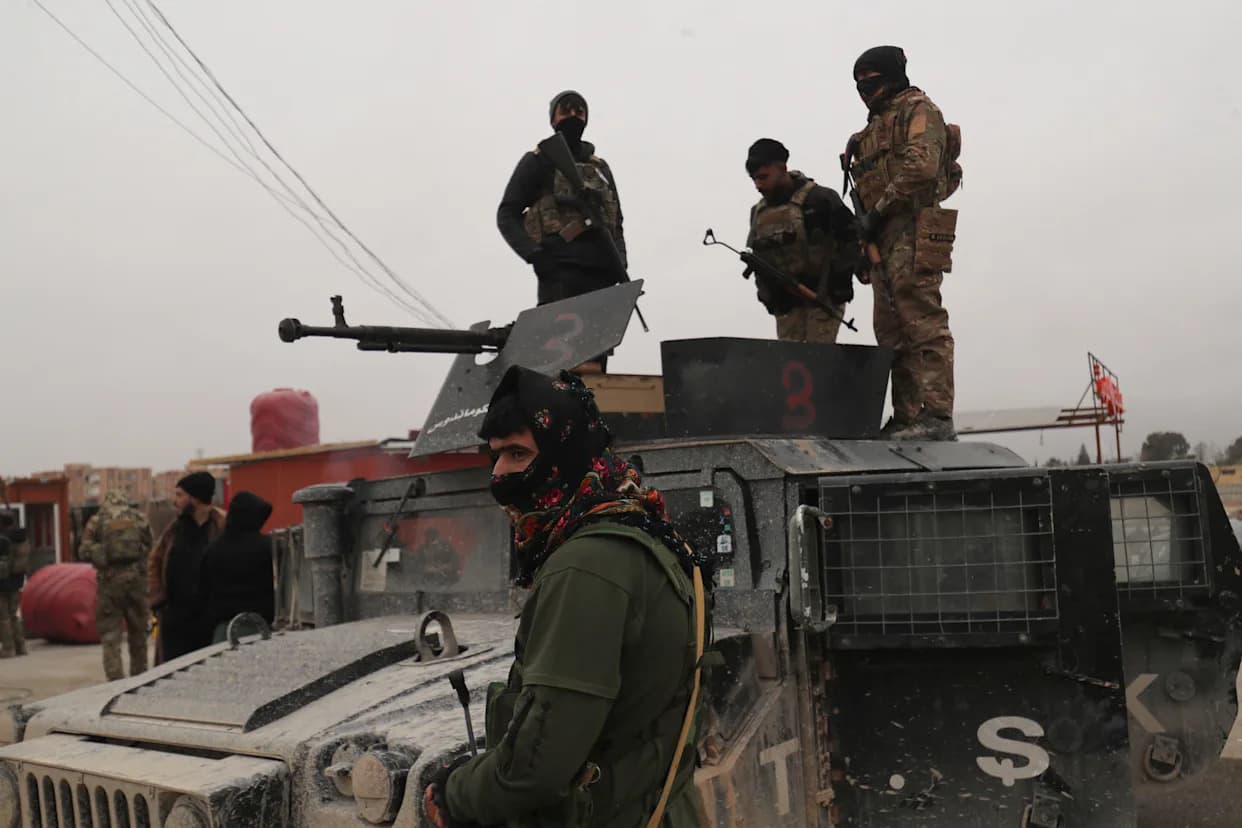
The incident comes as Damascus, under President Bashar al-Assad, pushes to extend its reach into territories long governed by the SDF, Washington’s principal partner in the campaign against ISIS in Syria. Raqqa, once the Islamic State group’s de facto capital, has seen renewed clashes between government forces and Kurdish units.
A U.S.-brokered ceasefire took effect on Jan. 18 after diplomatic meetings in Erbil and subsequent talks in Damascus on Jan. 17. The truce was later extended for 15 days, creating a temporary window for diplomacy but, analysts warn, postponing rather than resolving deep political disagreements.
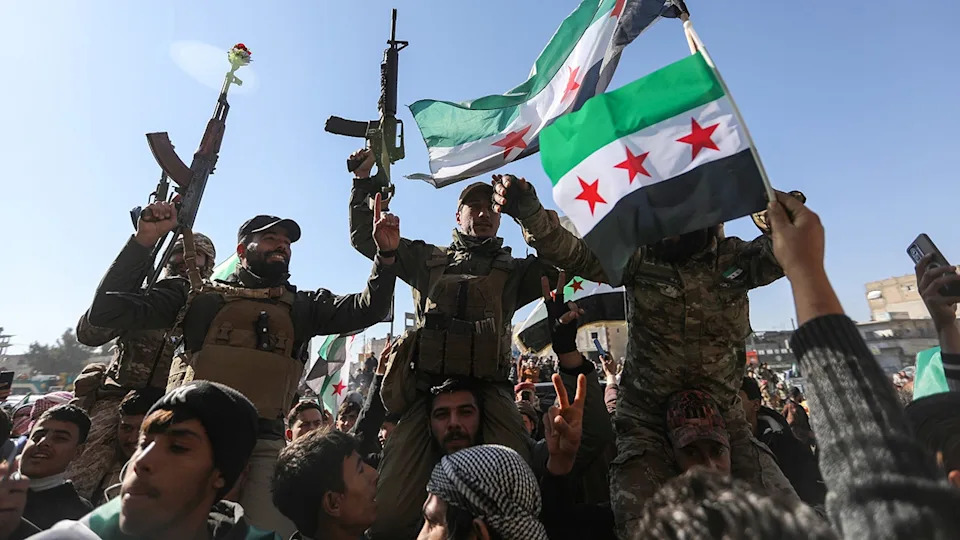
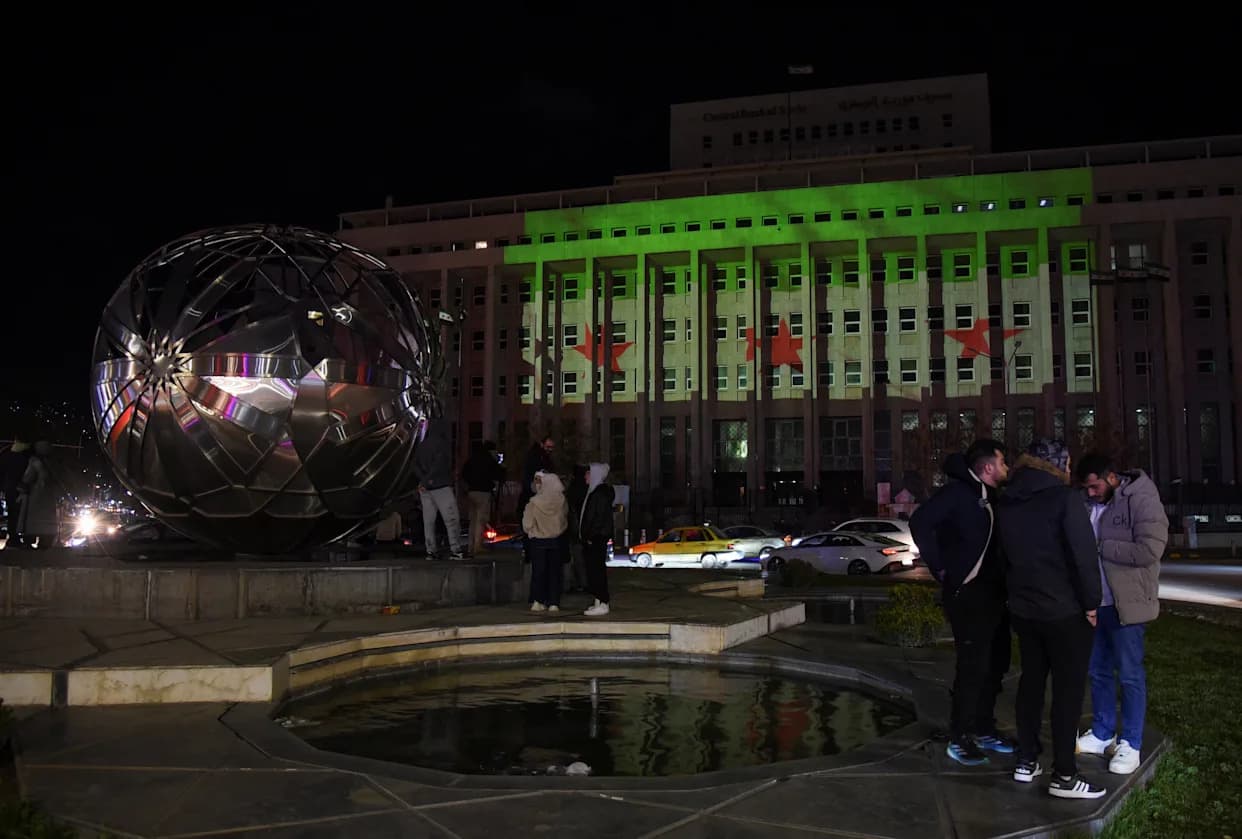
Syrian citizens celebrate and raise Syrian flags on Jan. 20, 2026 in Raqqa, Syria.
One core dispute is over the future of SDF fighters: Damascus insists on the individual integration of fighters into state forces, while the SDF opposes dismantling its organization—seeing that as political erasure. Experts say that unless both sides bridge this gap, renewed fighting remains a realistic risk once the ceasefire expires.
Prisoner Transfers and Security Concerns
The ceasefire extension was also tied to security concerns over ISIS prisoners held in northeastern Syria. Damascus has taken control of several detention sites, and, as previously reported, some prisoners escaped amid transfers. U.S. Central Command began moving detainees to Iraq on Jan. 21 in an effort to reduce the risk of a mass breakout and potential ISIS resurgence.
Analysts and U.S. officials say the urgent priority is to prevent the situation from producing two worst-case outcomes: violence targeting Kurdish communities, or a reconstitution of ISIS from escaped detainees. The braid video, while itself unverified, has become a flashpoint that highlights Kurdish fears about their future under renewed government control.
Help us improve.