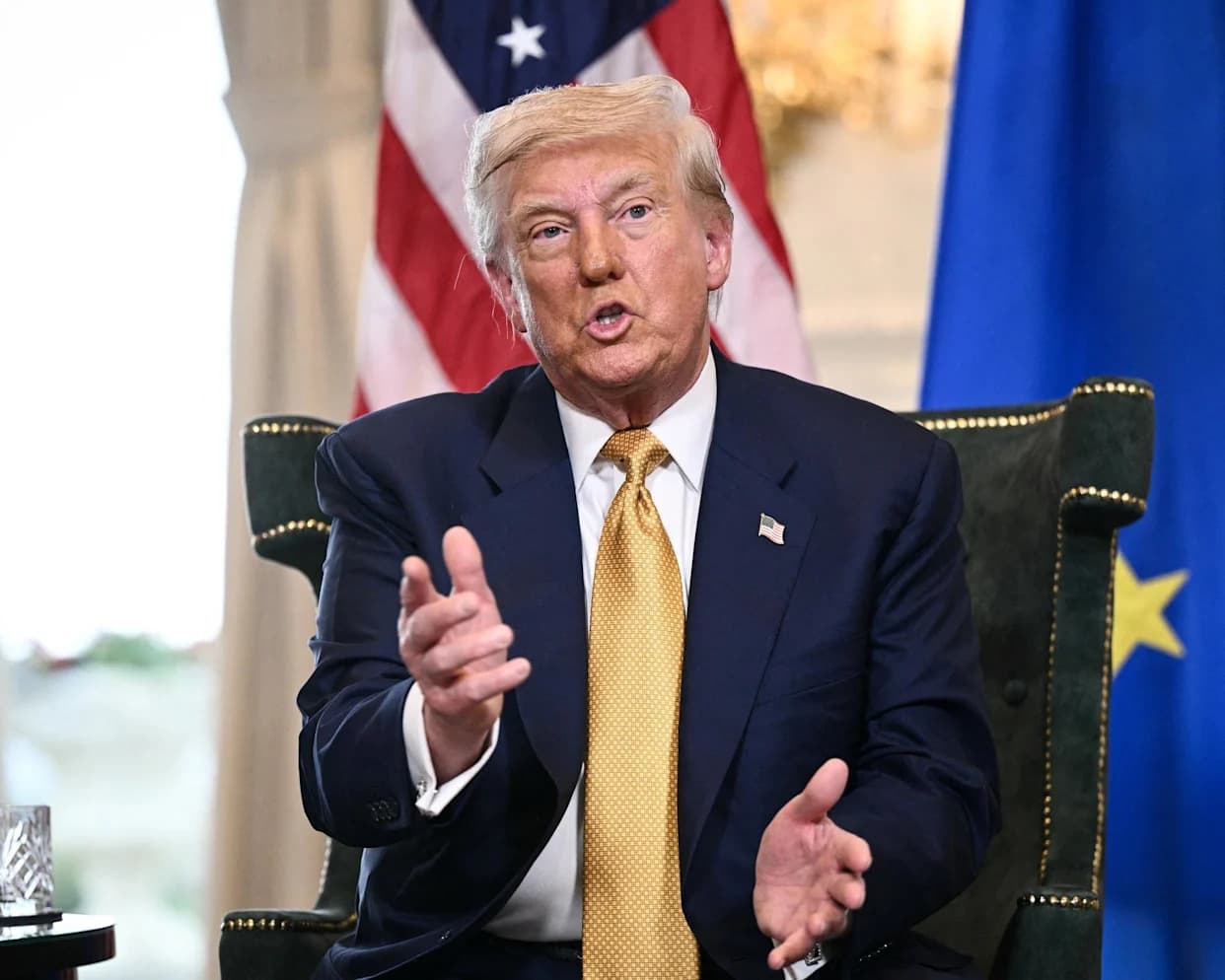
Jack Smith will testify publicly before the House Judiciary Committee on Jan. 22, about a month after an eight-hour closed deposition. Smith led two prosecutions of Donald Trump—related to the 2020 election and to classified documents—that were later dropped after the 2024 election under DOJ policy regarding sitting presidents. The public hearing will use five-minute rounds for questioning, and Smith has defended his decisions, including narrow subpoenas for phone toll records that Republicans challenge as improper.
Jack Smith To Testify Publicly Before House Judiciary Committee On Jan. 22
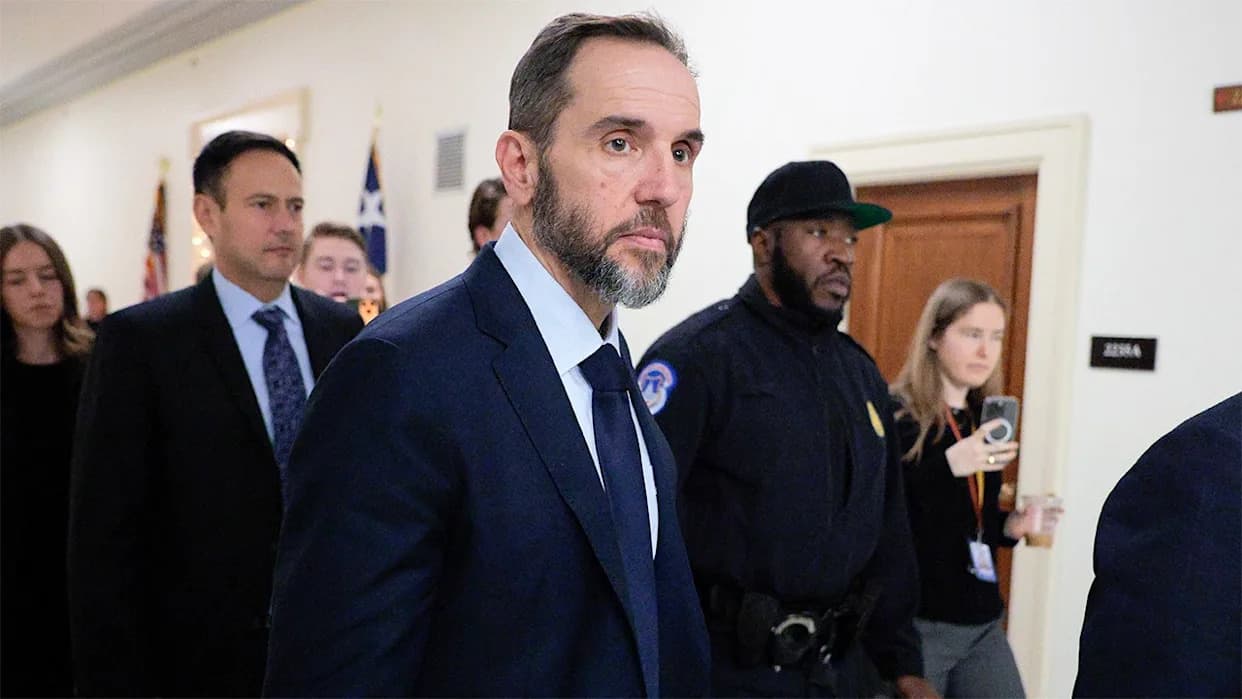
Jack Smith to testify next week at a public House Judiciary Committee hearing
Former special counsel Jack Smith will appear before the House Judiciary Committee in a public hearing on Jan. 22, giving committee members from both parties an opportunity to question him about his prosecutions of former President Donald Trump.
The scheduled hearing follows an eight-hour closed-door deposition last month in which Smith answered detailed questions about his work as special counsel. Committee Chairman Rep. Jim Jordan (R-Ohio) initially insisted on the private deposition but indicated a public session remained possible; Smith has said he wanted to address the committee openly.
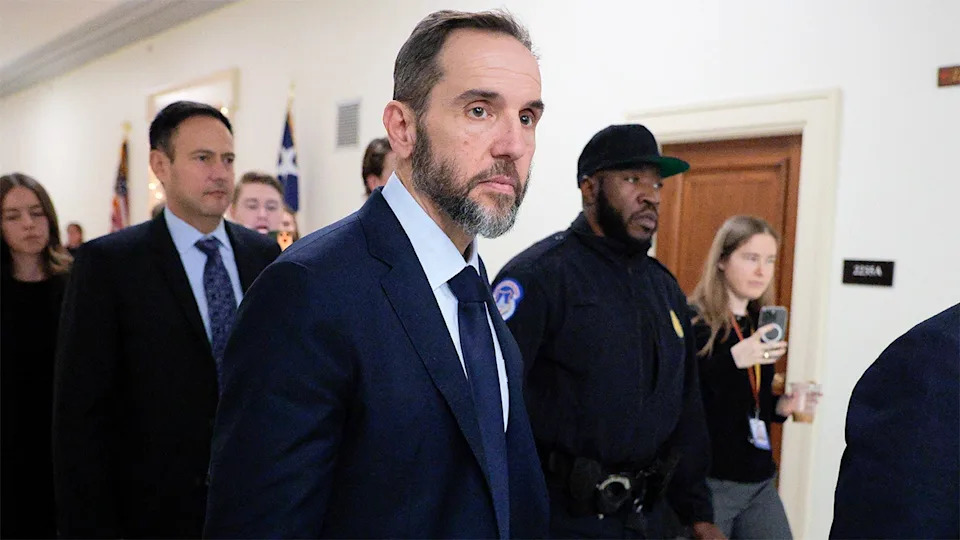
Jack Smith, former special counsel, appears for a closed-door deposition before the House Judiciary Committee in Washington, D.C., on Wednesday, Dec. 17, 2025.
Background Of The Investigations
Smith led investigations that produced two separate indictments against Trump: one related to efforts to affect the outcome of the 2020 election and another alleging improper retention of classified documents. Trump pleaded not guilty to those charges and contested them vigorously. After Trump won the 2024 election, Smith dropped both prosecutions, citing a Department of Justice policy that generally disfavors charging a sitting president.
Procedural Differences: Deposition Vs. Public Hearing
The public hearing will differ from the closed deposition in format and timing. In the open session, members of the committee will question Smith in five-minute rounds, whereas the closed deposition allowed each party roughly one-hour blocks for questioning. The public setting may produce more concise exchanges and broader media coverage.
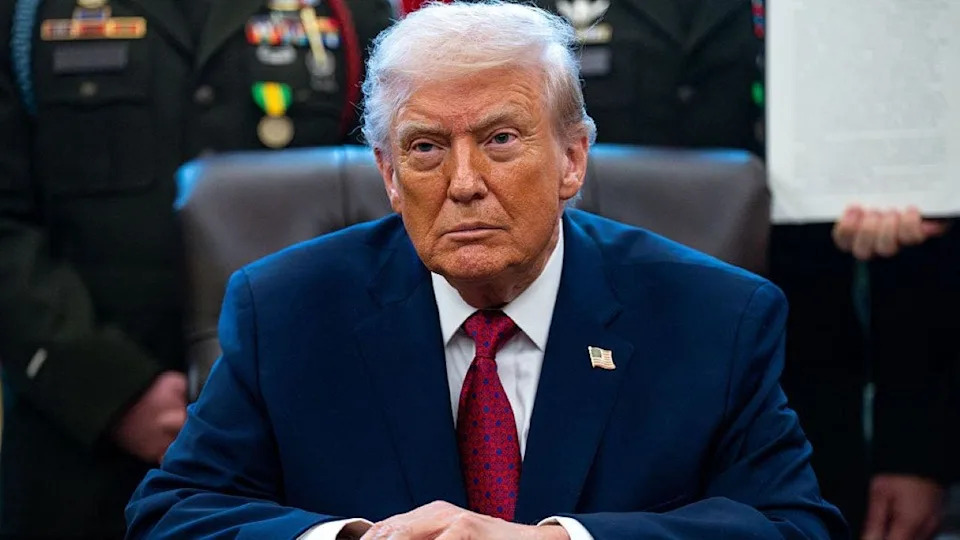
President Donald Trump during a presentation in the Oval Office of the White House in Washington, DC, on Monday, Dec. 15, 2025.
Contested Subpoenas And Legal Objections
Smith also addressed controversy over subpoenas his team issued for phone toll records of several Republican senators and House members as part of the 2020 election inquiry. He said the records sought were narrow and tied to the facts under investigation.
"If Donald Trump had chosen to call a number of Democratic senators [to delay the election certification proceedings], we would have gotten toll records for Democratic senators. So responsibility for why these records, why we collected them, that's — that lies with Donald Trump," Smith said, according to the deposition transcript.
Republican lawmakers have argued the subpoenas violated the Constitution's Speech or Debate Clause and have broadly accused the Justice Department under the Biden administration of abusing prosecutorial authority in what they characterize as politicized charges. Supporters of Smith say his actions were fact-driven and consistent with prosecutorial standards.
President Trump, who has frequently criticized Smith, said he welcomes the public hearing. Smith's legal team reiterated his willingness to testify publicly. A statement from one of Smith's lawyers, Lanny Breuer, said: "Jack has been clear for months he is ready and willing to answer questions in a public hearing about his investigations into President Trump’s alleged unlawful efforts to overturn the 2020 election and his mishandling of classified documents."
The Jan. 22 hearing is likely to be a high-profile, closely watched event that could shape public perceptions of the investigations and the Justice Department's handling of cases involving a former president.
Help us improve.