The House Oversight Committee advanced contempt resolutions against Bill and Hillary Clinton after both declined subpoenas to testify in the bipartisan Jeffrey Epstein investigation. The GOP-led panel voted to send the measures to the full House, where Speaker Mike Johnson plans a floor vote that could trigger a referral to the Department of Justice. The Clintons offered limited interviews on Jan. 16 and Jan. 19 that Republicans rejected; Ghislaine Maxwell is expected to appear for a closed deposition on Feb. 9 and likely will invoke the Fifth Amendment.
House Panel Moves to Hold Bill and Hillary Clinton in Contempt Over Jeffrey Epstein Probe

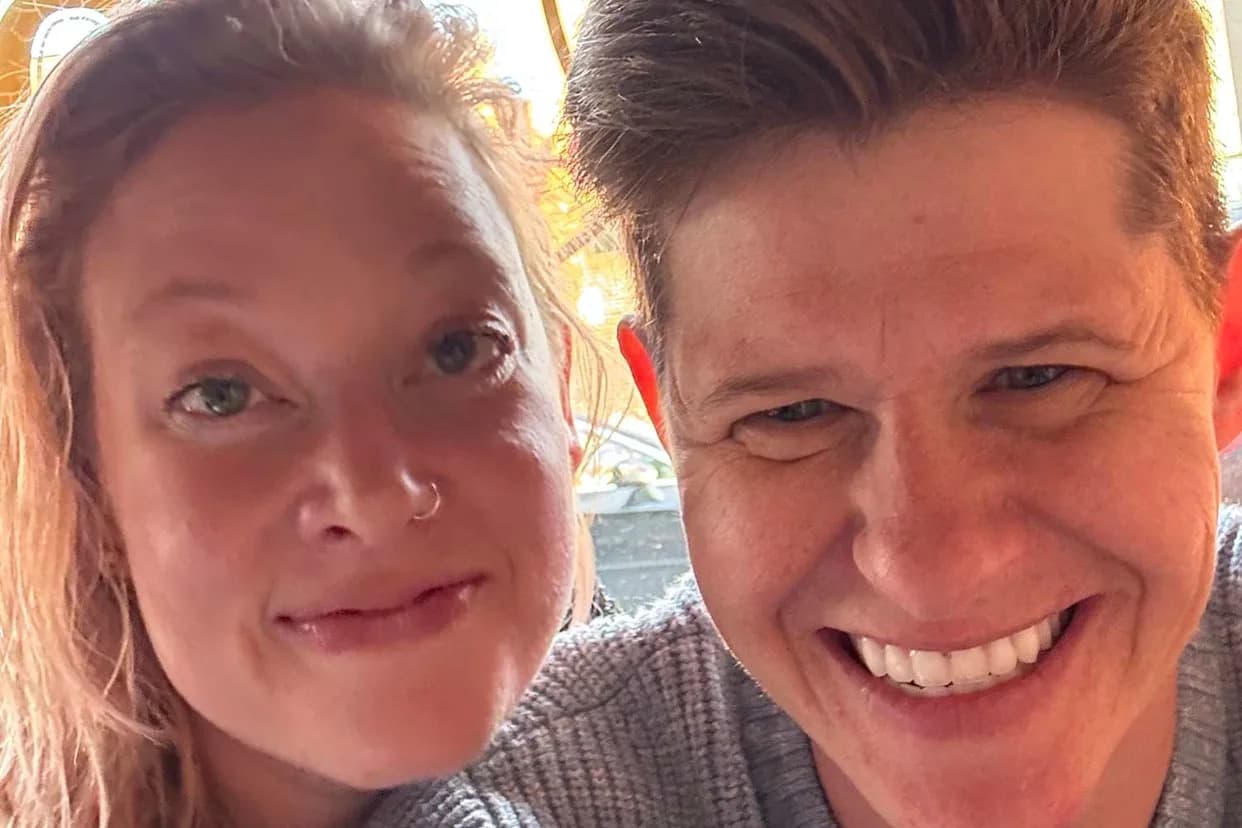
Former President Bill Clinton and former Secretary of State Hillary Clinton on January 20, 2025, at the US Capitol in Washington, DC. - Melina Mara/The Washington Post/Getty Images
Lawmakers on the Republican-led House Oversight Committee advanced contempt resolutions Wednesday against former President Bill Clinton and former Secretary of State Hillary Clinton after both declined to comply with subpoenas to testify in the panel's bipartisan investigation into Jeffrey Epstein.
The committee voted to refer the contempt measures to the full House, where Speaker Mike Johnson has pledged to bring them to the floor. If the full House approves contempt findings, the matter would be referred to the Department of Justice, which would decide whether to pursue prosecution — a step with both symbolic and potential legal consequences.
Committee Dynamics and Offers
Some Democrats joined Republicans in voting to hold Bill Clinton in contempt; fewer Democrats supported contempt for Hillary Clinton, with several arguing she should be allowed to submit written testimony or should not have been subpoenaed. The committee’s Republican majority, however, had sufficient votes to advance both referrals.
According to a letter obtained by CNN, the Clintons’ lawyers offered a limited interview with the committee’s two senior members on Jan. 16 and followed up on Jan. 19 to say staff could attend. Republicans, led by Oversight Chair James Comer, called the conditions unreasonable and pressed ahead.
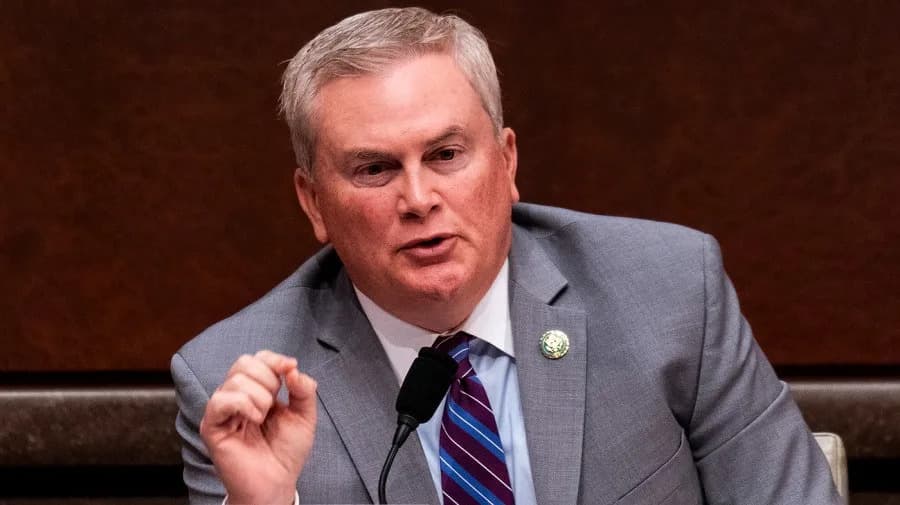
“Former President Clinton and Secretary Clinton were legally required to appear for depositions before this committee. They refused,”
Comer said after the meeting that the subpoenas require sworn, transcribed depositions and characterized the Clintons’ terms as seeking special treatment. Clinton lawyers responded that they had proposed interviews "on areas within the scope" of the probe and that committee leaders rejected those offers without counterproposals.
Questions From Democrats and Other Targets
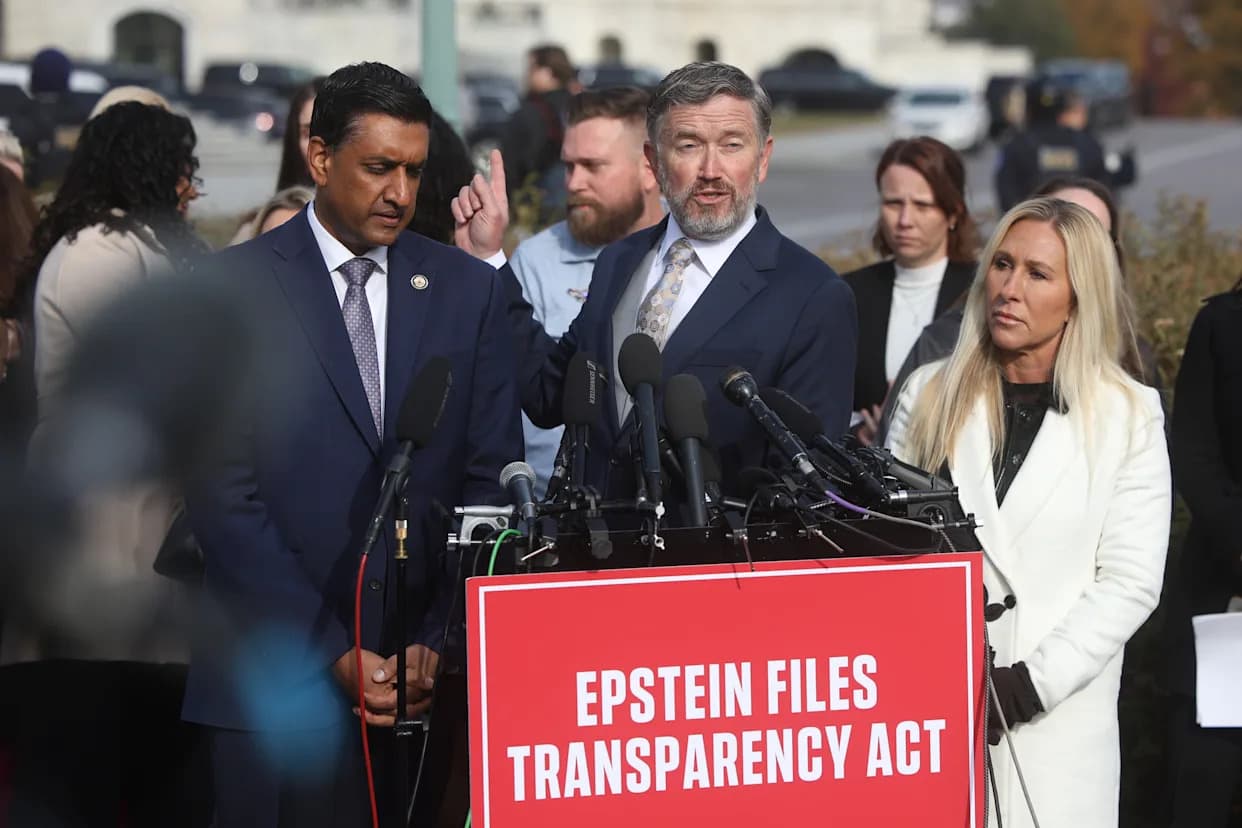
Top Democrat on the panel, Rep. Robert Garcia, said he wants to hear from the Clintons but criticized Comer for not pressing as hard for testimony from Epstein associate Ghislaine Maxwell, who has also been subpoenaed. Garcia also questioned why the committee had not held the Justice Department accountable for failing to release all Epstein-related files by the Dec. 19 statutory deadline.
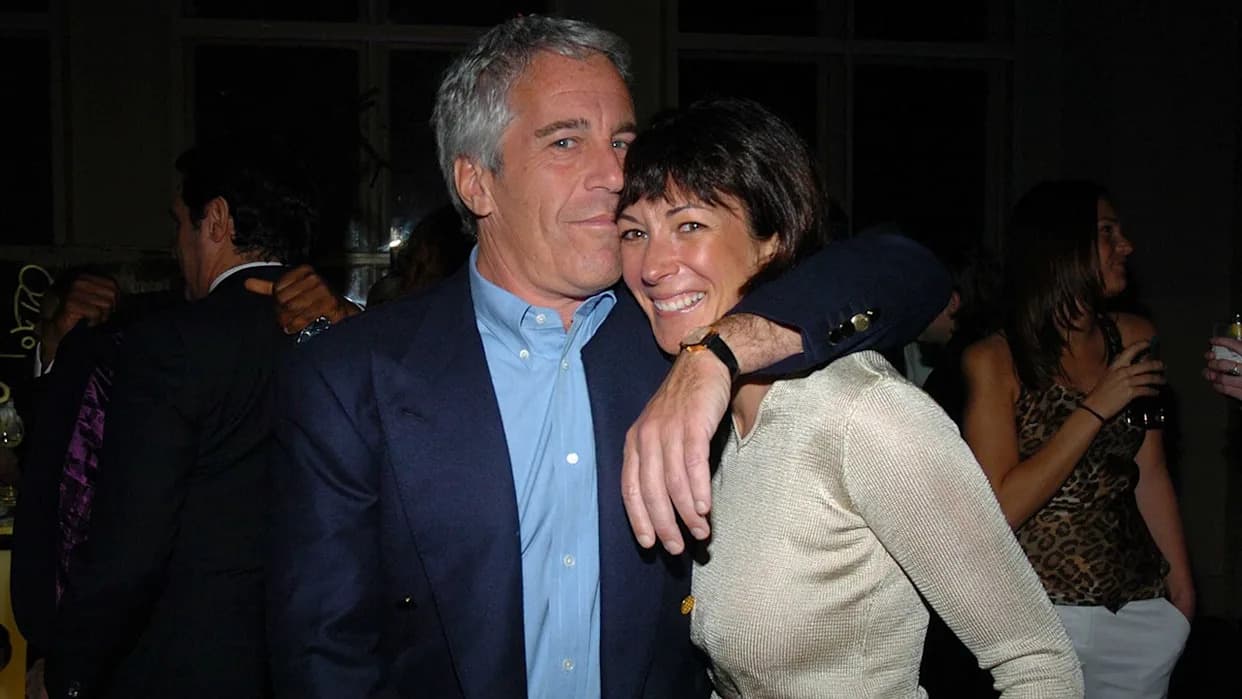
Comer said the committee remains open to a negotiated resolution and noted the Clintons have roughly two weeks before the matter receives a final House vote. He also announced Maxwell is expected to appear for a closed-door deposition on Feb. 9 and is likely to invoke the Fifth Amendment.
Transcript Dispute
Comer said the Clintons’ lawyers proposed limiting staff or forgoing an official transcript, a claim disputed by a Clinton spokesman. Comer called the idea of no formal transcript "insulting to the American people," while Clinton representatives said they never refused a transcript and that interviews offered would be on the record and under oath.
What Comes Next
If the full House votes to hold the Clintons in contempt, the referral would go to the Department of Justice, which would determine whether to pursue prosecution — a process that could lead to court litigation over congressional subpoenas. The committee's action intensifies the confrontation over testimony in a probe that has drawn scrutiny of multiple figures and the handling of Epstein-related records.
This story was updated with additional details.
Help us improve.