Advocates urge constituents to contact their senators and representatives before the Jan. 30 continuing resolution deadline to press for limits on ICE and DHS funding. While a temporary CR keeps the government funded until Jan. 30, the upcoming appropriations negotiations create a short window to influence the DHS funding bill. Callers don’t need technical knowledge—providing your name, ZIP code and a clear message is sufficient—and staffers record constituent contacts that can sway lawmakers. Although DHS’s existing reserves may blunt immediate budget effects, public pressure can still shape future votes and political priorities.
Act Now: How To Pressure Congress To Curb ICE Before The Jan. 30 Deadline

Scott Olson / Getty Images
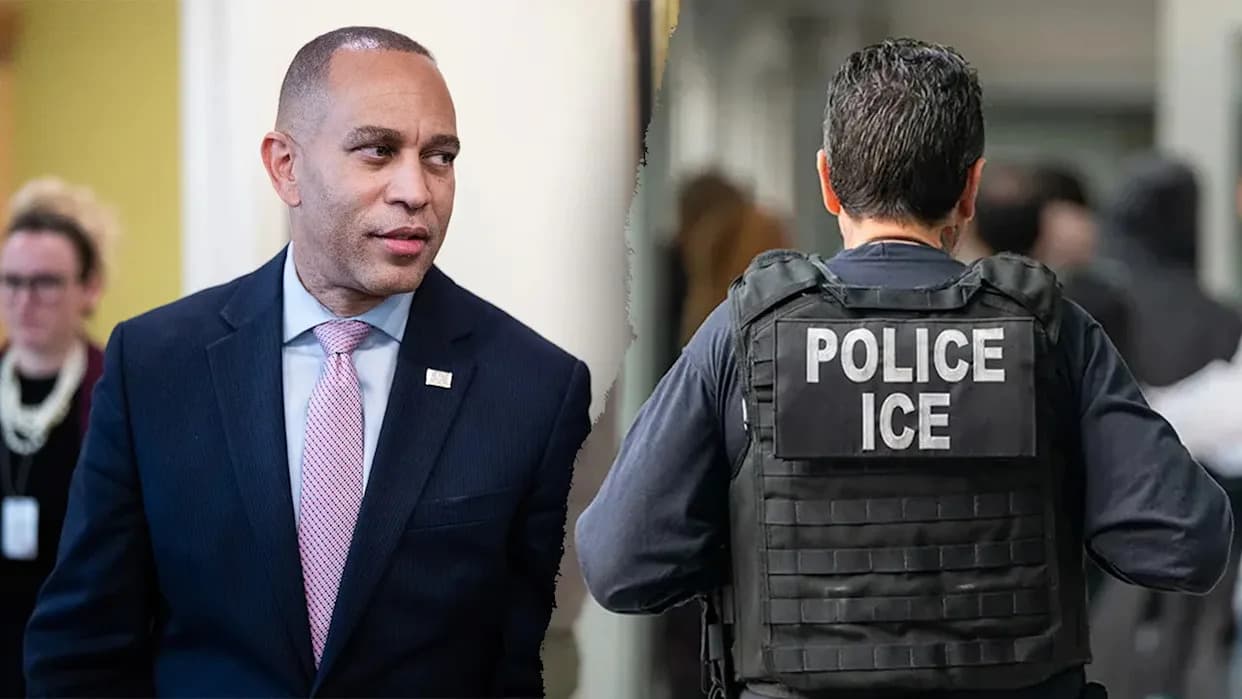
Organizers and immigration advocates are urging constituents to contact their members of Congress—especially their two U.S. senators—before a key funding deadline on Jan. 30 to press for limits on funding for Immigration and Customs Enforcement (ICE) and other Department of Homeland Security (DHS) programs.
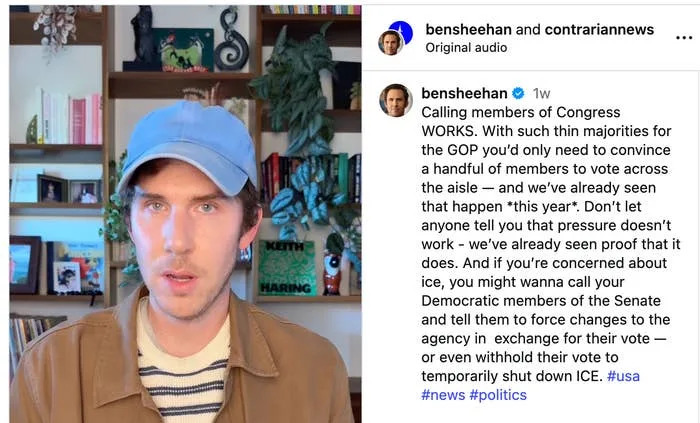
BenSheehan / Viainstagram.com
Why This Window Matters
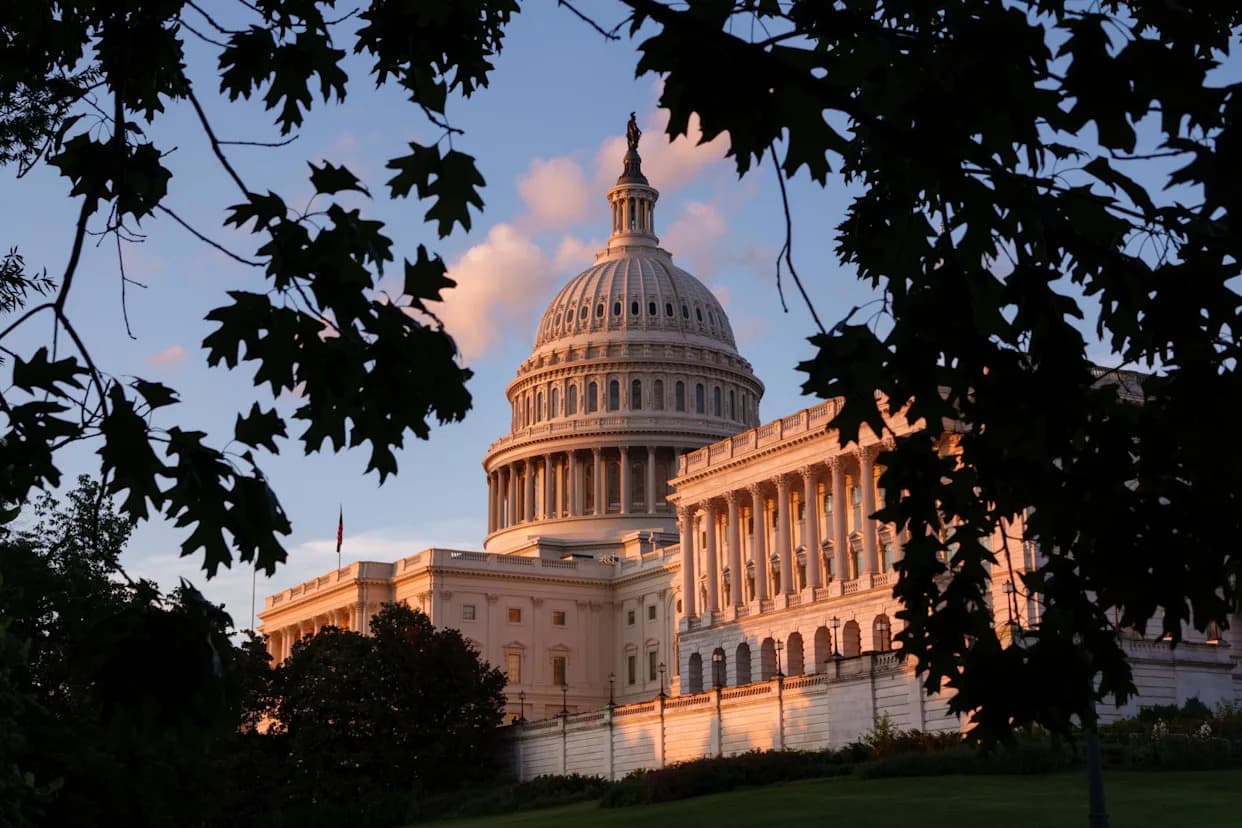
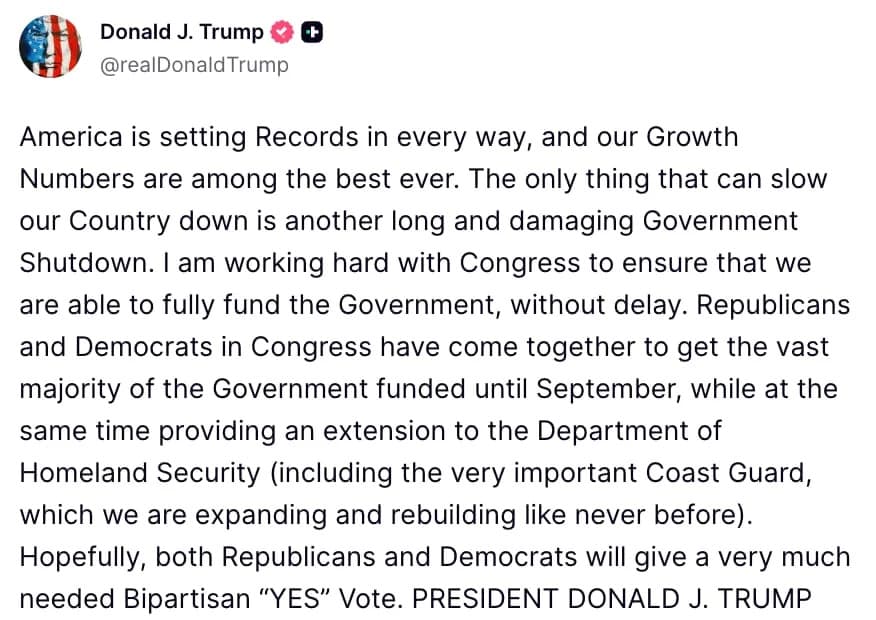
Every year Congress completes its budget through an appropriations process—typically about 12 separate bills that set funding for federal programs, including DHS and ICE. After a failure to finish those bills last fall, lawmakers approved a temporary continuing resolution (CR) to keep the government funded. That stop-gap funding expires on Jan. 30, creating a narrow window for advocates to influence the final DHS appropriations bill before lawmakers either pass a full-year budget or face another shutdown.

Star Tribune via Getty Images
How Your Voice Can Help
Advocates and policy experts say it’s critical to make contact now while negotiations are active. You do not need to be an expert on bills or budgets to make an impact—what matters is making your view known to the legislator’s staff who log constituent input.

ROBERTO SCHMIDT / AFP via Getty Images
Practical Steps
- Find your members of Congress using the Find Your Member tool on Congress.gov.
- Call or email your senators and representative. Give your name, phone number and ZIP code so staff can record you as a constituent.
- Keep your message simple and direct. For example: “I’m angry and scared about what ICE is doing in my community—please withhold funding for ICE and hold DHS accountable.”
- Call repeatedly while negotiations continue—staffers track daily contact volume and pass summaries to lawmakers.
“In terms of making that first call to your member of Congress, it really doesn’t have to be a nuanced statement that you are delivering. You can call your member of Congress and simply share how you are feeling and what you want them to keep in mind,” said Heidi Altman, vice president of policy at the National Immigration Law Center.
Limits And Political Impact
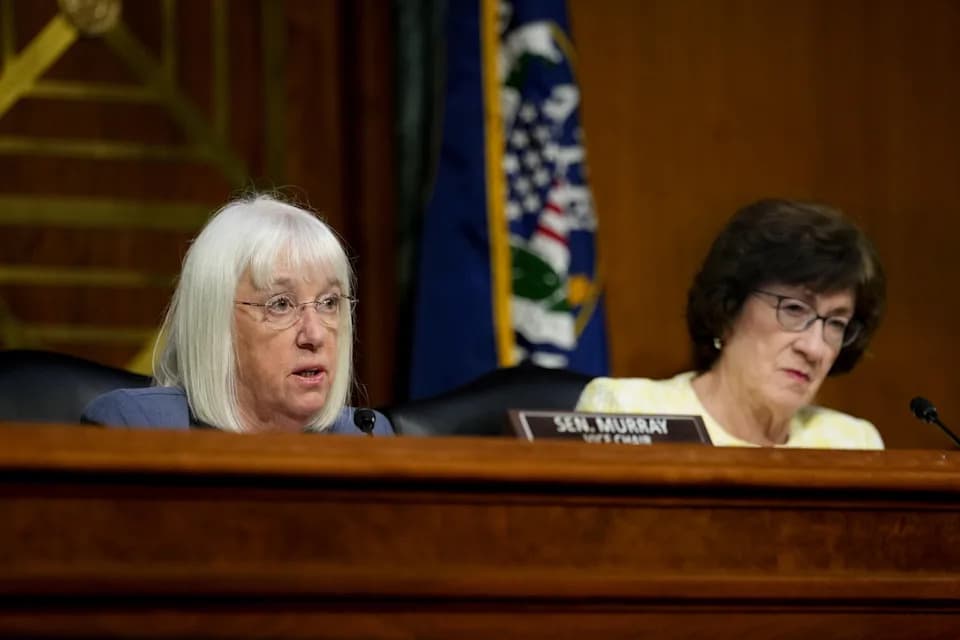
There are practical limits to what an appropriations fight can achieve immediately. Sen. Patty Murray (D-Wash.), the top Democrat on the Senate Appropriations Committee, and other advocates have warned that DHS received billions in 2025 that the agency can still draw on—meaning zeroing out future appropriations would not instantly halt ICE operations. Still, experts say withholding funds or mounting a large constituent campaign can deliver a powerful political message and shape how lawmakers vote going forward.

Stephen Maturen / Getty Images
“It won’t necessarily send ICE officers home,” said Brian Derrick, co-founder and CEO of Oath, “but it will show a clear distinction between the parties and demonstrate that the public opposes expanded enforcement tactics and federal deployments in communities.”

Anadolu / Anadolu via Getty Images
Why Volume Matters
Staffers tally calls and emails and report constituent sentiment to members every day. If tens of thousands of people from a state register opposition to increased ICE funding, that record can influence future votes and bargaining in appropriations negotiations.
With the Jan. 30 deadline approaching and votes imminent, advocates’ message is simple: now is the time to call.
This article is based on reporting and statements from policy experts and advocates.
Help us improve.