Smartphone weather apps are handy for routine forecasts but often struggle during complex winter storms that produce mixed precipitation and rapidly changing conditions. Meteorologists recommend relying on local, human-reviewed forecasts — from NWS offices, local TV/radio meteorologists or detailed websites — because small shifts in storm behavior can change precipitation type and hazard levels. Some apps that combine multiple models, NWS data and human oversight can be useful, but human interpretation remains the safety-critical element. Avoid treating social media as a primary source for nuanced weather guidance.
When Winter Storms Get Complicated, Trust Local Forecasters — Are Weather Apps Up to the Task?
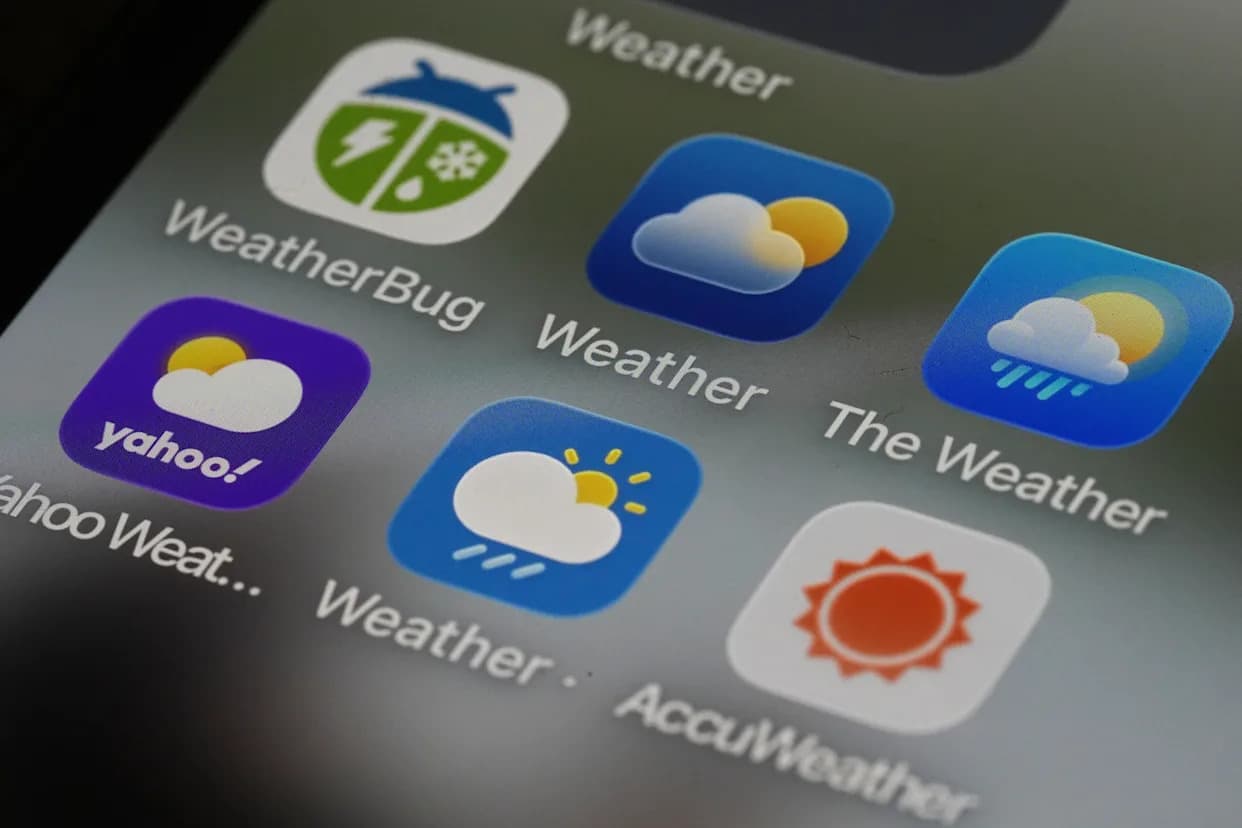
This photo shows various weather apps arranged on a smartphone in Glenside, Pa., Thursday, Jan. 22, 2026. (AP Photo/Matt Rourke)
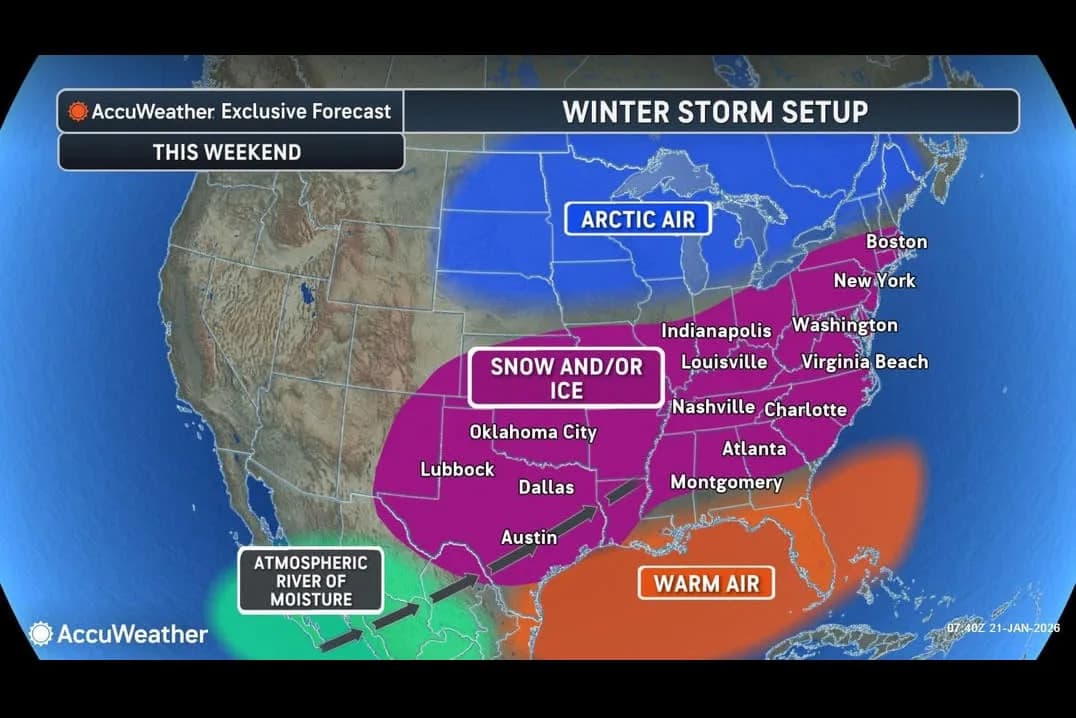
Smartphone weather apps are useful for quick checks, but during complex winter storms that bring mixed precipitation, rapidly changing conditions and localized hazards, meteorologists say human forecasters remain indispensable. The recent multistate system combining heavy snow, dangerous ice and bitter subzero temperatures highlights why local expertise matters.
Why Apps Struggle With Mixed Precipitation
Model guidance and observations can shift quickly during a winter storm. A change of just a few miles in the track or temperature profile can mean the difference between snow, sleet or freezing rain — outcomes that many apps fail to capture reliably.
“Weather apps are really bad at storms that have multiple types of precipitation and it really makes messaging hard,” said Marshall Shepherd, University of Georgia meteorology professor and former president of the American Meteorological Society. “Apps don’t understand the details of why snow, sleet or freezing rain happens.”
How Forecasts Are Produced
Many apps source raw data from the National Weather Service (NWS) and layer on proprietary datasets and European model output. To provide forecasts for ZIP codes or a phone's reported location, apps often downscale broader regional model fields to a local point. That interpolation can introduce errors, especially during extreme or highly localized events.
Victor Gensini, a meteorology professor at Northern Illinois University, cautions that some apps “oversimplify uncertainty and present highly precise-looking numbers that imply more confidence than actually exists.”
Where Human Forecasters Add Value
Human forecasters — particularly those with local knowledge — interpret model ensembles, observational data and on-the-ground reports to produce contextualized, localized guidance. Jason Furtado of the University of Oklahoma emphasized that during extreme events “it is especially important to know there are human forecasters interpreting the data and making the best localized forecasts for your area.”
Cory Mottice, a National Weather Service meteorologist, created the app EverythingWeather as a streamlined way to surface forecasts crafted by NWS offices. He says the advantage of that approach is the involvement of meteorologists in more than 125 Weather Service offices who adjust guidance based on local conditions rather than simply publishing raw model output.
Not All Apps Are Created Equal
Some apps combine NWS data, many model runs and human expertise. James Belanger, vice president of The Weather Company's parent firm, says The Weather Channel app ingests scores of models, volunteer observations and other sources, then uses machine learning to weigh inputs. Still, Belanger notes, a team of more than 100 meteorologists provides final editorial control.
As Steven DiMartino of NY NJ PA Weather puts it: “The problem with the weather app is that it just provides data, but not explanation. Anyone can look at data, but you need a meteorologist to say, 'That looks like an error; we’re going to tweak this.'”
Beware Social Media
Forecasters warn that social platforms can spread dramatic or oversimplified forecasts quickly. Gensini notes that “weather is complex, and social media tends to reward confidence and drama, not nuance.” Kim Klockow McClain, an extreme-weather social scientist, adds that repeated exposure to worst-case messaging can erode public trust over time.
Practical Guidance: Where To Get Reliable Forecasts
- Prioritize forecasts from local NWS offices, trusted local TV or radio meteorologists and detailed official websites or livestreams.
- Use apps that clearly display NWS warnings and show ensemble or model spread rather than single, overly precise numbers.
- Treat social media posts as amplifiers, not sources; verify claims against official forecasts.
- When in doubt during hazardous conditions, follow local emergency management and NWS advisories for safety actions.
Reporting note: Associated Press reporters contributed to the original coverage. The AP’s climate and environmental reporting receives foundation support; AP retains editorial control of all content.
Help us improve.