The EEOC voted 2-1 to withdraw 2024 guidance that had expanded harassment protections for LGBTQ employees and for women related to abortion and contraception. The guidance—which drew on the Supreme Court's 2020 Bostock ruling—had said refusing to use transgender workers' preferred names or pronouns and discriminating over abortion/contraception could amount to unlawful harassment. Republicans on the commission said the EEOC had overreached; critics warn the repeal could weaken employer incentives to prevent harassment. The vote followed the confirmation of Brittany Panuccio, which restored a Republican majority on the commission.
EEOC Repeals 2024 Guidance That Broadened Harassment Protections For LGBTQ Workers And Abortion-Related Rights

FILE PHOTO: The headquarters of The United States Equal Employment Opportunity Commission (EEOC) is seen in Washington, D.C., U.S., May 15, 2021. REUTERS/Andrew Kelly/File Photo
Jan 22 (Reuters) - The U.S. Equal Employment Opportunity Commission (EEOC) voted 2-1 on Thursday to rescind a 2024 guidance that had broadened protections against unlawful workplace harassment for LGBTQ employees and for women who receive abortions or use contraception.
The guidance, adopted in 2024, incorporated major court rulings and statutory developments from roughly the past 25 years and took an expansive view of conduct that can constitute unlawful harassment. It said harassment could include discrimination tied to abortion or contraception and certain conduct toward transgender workers, such as refusing to use preferred names and pronouns.
What the EEOC does and why guidance matters
The five-member EEOC issues guidance and rules explaining how federal anti-discrimination laws covering traits such as race, sex, religion and disability should be applied. While EEOC guidance is not legally binding, it often shapes enforcement priorities and is frequently cited by judges addressing novel legal issues.
Separately, the agency's general counsel's office reviews discrimination complaints, negotiates settlements, and can bring lawsuits against employers accused of violating federal law.
Political and legal context
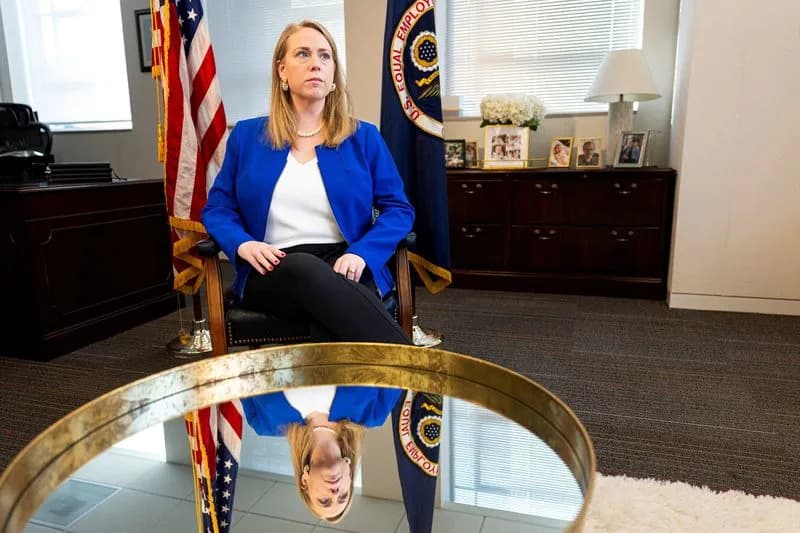
The repeal was expected after the Senate confirmed Brittany Panuccio to the commission less than three months ago, restoring a three-member quorum and giving Republicans a 2-1 majority. EEOC Chair Andrea Lucas, a Trump appointee, said the agency had overstepped by issuing guidance that she viewed as imposing new obligations on employers rather than interpreting existing law.
"This action is likely to increase the amount of harassment that occurs in workplaces across the country," said a joint statement from a dozen former EEOC and U.S. Department of Labor officials — most appointed by Democratic presidents — ahead of the vote.
The 2024 guidance drew on the Supreme Court's 2020 decision in Bostock v. Clayton County, which held that discrimination based on sexual orientation or gender identity is a form of unlawful sex discrimination. The EEOC had said Bostock's reasoning extended beyond termination cases to harassment claims affecting LGBTQ workers.
That portion of the guidance has faced legal challenges: a federal judge in Texas blocked the agency from applying the Bostock-based harassment analysis in that jurisdiction, and two other judges barred enforcement of the guidance against religious organizations that sued.
Implications
Supporters of the guidance argued it provided practical direction to employers and protections to vulnerable workers. Opponents said the agency exceeded its authority and that such policy shifts should come from Congress or the courts. With the guidance rescinded, critics warn employers may have fewer incentives to take proactive steps to prevent harassment and employees may face reduced clarity about their protections.
(Reporting by Daniel Wiessner in Albany, New York; Editing by Alexia Garamfalvi and Andrea Ricci)
Help us improve.