This article examines how proposed changes at the Equal Employment Opportunity Commission could narrow protections under the Pregnant Workers Fairness Act. Republican EEOC Chair Andrea Lucas has argued the 2024 regulations were overly broad, prompting concerns that reproductive‑health and pregnancy accommodation safeguards could be curtailed. The piece cites recent complaints against Sonic and Amazon and notes roughly 2,700 pregnancy‑related EEOC complaints in fiscal 2024, while advocates warn the changes could reduce remedies and enforcement.
Proposed EEOC Rule Changes Could Weaken Protections For Pregnant Workers
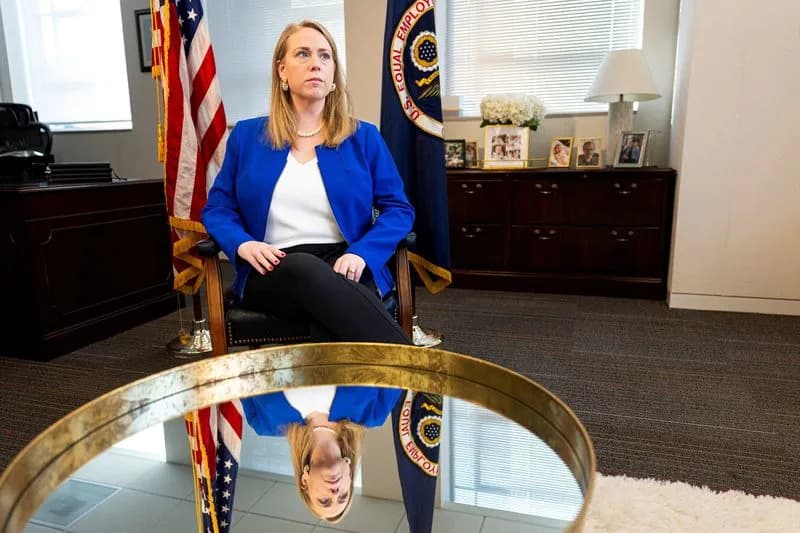
FILE PHOTO: U.S. Equal Employment Opportunity Commission Chair Andrea Lucas poses for a portrait in her office in Washington, D.C.,U.S., December 18, 2025. REUTERS/Kevin Mohatt/File Photo
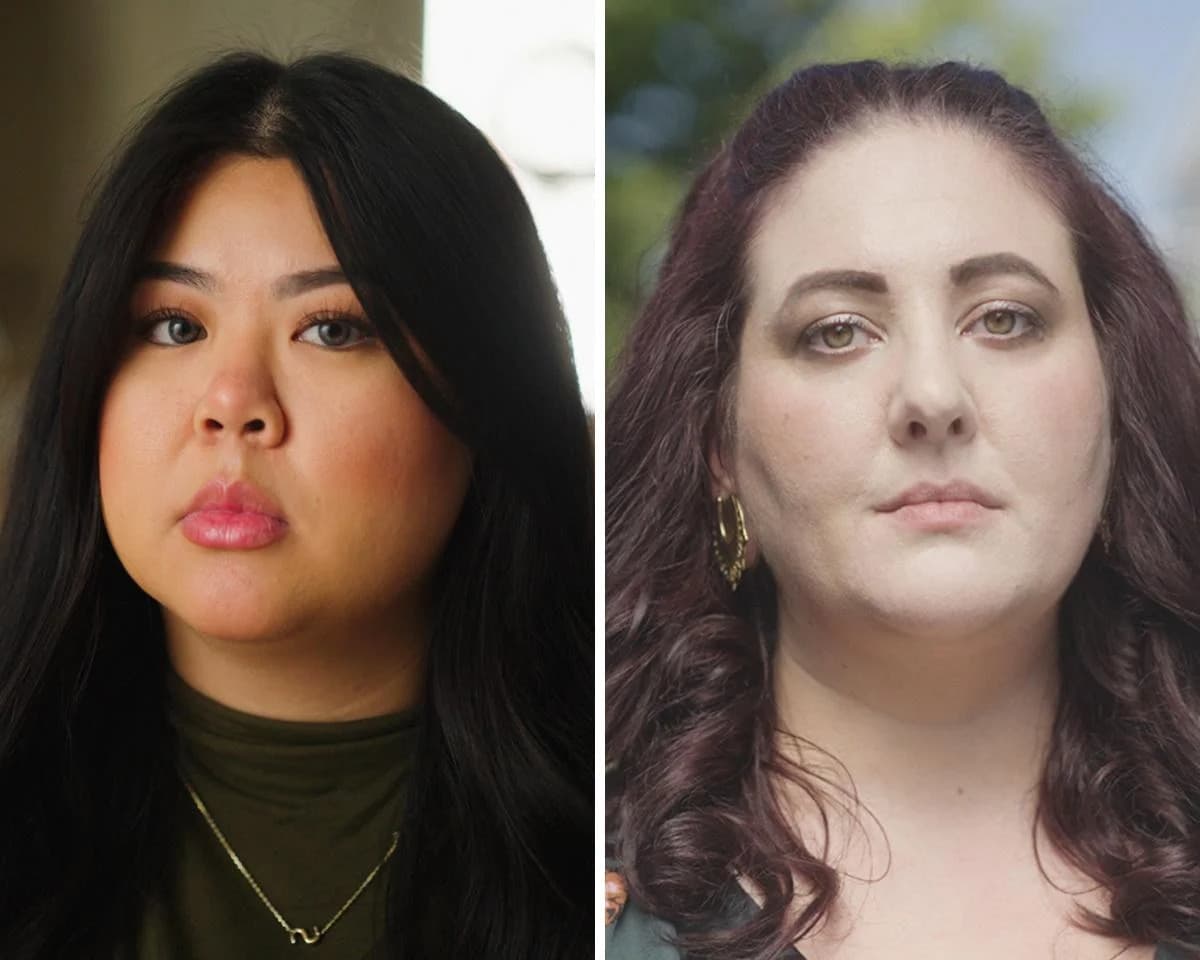
Nearly three months pregnant, assistant manager Kennisha needed only a place to sit to ease persistent nausea. Working at a Sonic drive‑in near Dayton, Ohio, she says she asked around Thanksgiving to occasionally use the single chair employees used on smoke breaks; when Sonic allegedly denied the request she filed a complaint with the Equal Employment Opportunity Commission under the Pregnant Workers Fairness Act and later left the job for another position while still pregnant.
Her complaint is one of several that illustrate how proposed changes at the EEOC could narrow the breadth of workplace protections for pregnant and reproductive‑health needs. The 2022 law requires employers to reasonably accommodate pregnant workers under agency regulations, but Republican EEOC Chair Andrea Lucas—who took the chair in November and leads a Republican majority—has signaled the agency may tighten those rules, saying the 2024 regulations were written too broadly.
What The Proposed Changes Would Mean
Legal experts and advocates warn that narrowing the EEOC's rules could limit the range of accommodations covered, reduce remedies available in court and shift enforcement priorities. Some interpretations of Chair Lucas’s critique suggest the agency may retreat from protections that "relate to any aspect of the female reproductive system," which could affect access to reproductive‑health services beyond pregnancy, including abortion and in vitro fertilization. The fate of core pregnancy accommodation protections remains uncertain.
Andrea Lucas: "Protecting pregnant women and working families is a central pillar of the Trump Administration’s common‑sense civil rights agenda."
Lucas has urged employers to be "creative and proactive" in accommodating pregnant employees and told Reuters that, under her leadership, the agency has nearly doubled its lawsuits addressing pregnancy and postpartum discrimination and accommodation since January 2025 compared with all of 2024. Still, advocates say the agency's revised priorities could mean fewer investigations or slower responses to accommodation complaints.
Cases In Focus
The article highlights two recent complaints. In Kennisha's case, she alleges Sonic denied a simple request to sit while pregnant. Inspire Brands, Sonic's parent company, did not comment on the complaint.
In a second case, Willamina Barclay, 38, says doctors classified her March 2025 pregnancy as high‑risk after a prior miscarriage and that supervisors at an Amazon warehouse in Rochester, New York, denied her requests for lower‑stress duties. Barclay alleges that after lifting heavy items she experienced severe abdominal pain and was taken to a hospital in a wheelchair in front of HR and supervisors. Amazon says it strives to provide a safe and supportive environment and investigates concerns; the company reportedly fired Barclay for excessive use of unpaid time off under internal attendance policies.
The EEOC flagged Barclay's case as a possible candidate for mediation while it weighs whether to investigate or pursue litigation. Advocates worry that rule changes could affect the strength of cases like hers.
Context And Stakes
About 2,700 pregnancy‑related complaints were filed with the EEOC in fiscal year 2024, according to agency data. Democratic Commissioner Kalpana Kotagal criticized efforts to weaken the Pregnant Workers Fairness Act’s protections, citing studies that link meaningful workplace accommodations with nearly a 10% reduction in miscarriage rates and urging the agency to protect working families rather than scale back civil‑rights safeguards.
As the EEOC prepares its 2026 regulatory agenda, workplace lawyers and advocates expect additional revisions that could reshape how pregnancy and reproductive‑health accommodations are interpreted and enforced. For workers like Kennisha and Barclay, the stakes include job stability, health and the ability to secure reasonable accommodations during pregnancy.
(Reporting by David Hood‑Nuño; Editing by Kat Stafford and Rod Nickel)
Help us improve.