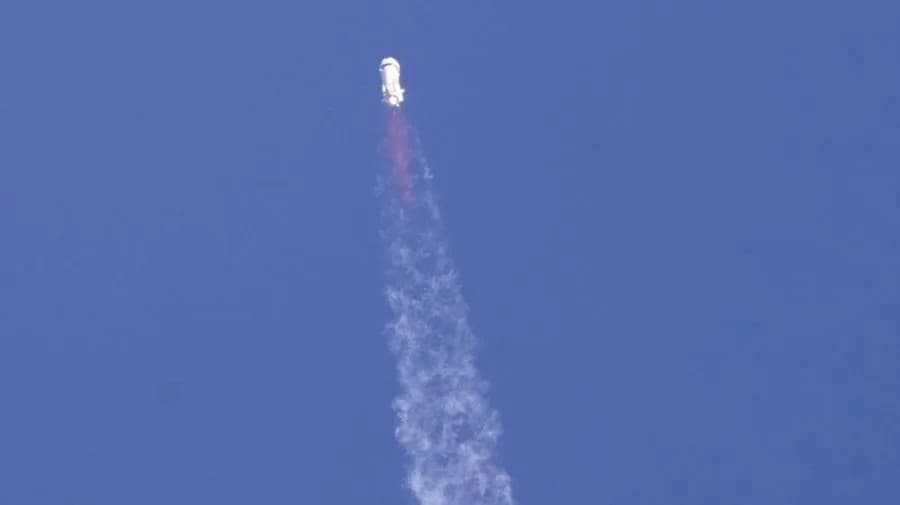
Blue Origin’s Mission NS-38 launched from West Texas at 11:25 a.m. EST and returned about 11 minutes later, carrying six passengers including Laura Stiles, who replaced a passenger who withdrew due to illness. This was Blue Origin’s 17th crewed New Shepard flight; the company emphasizes that New Shepard crosses the 100 km Kármán line. Experts continue to debate where space begins, with alternative proposals near 80 km and agencies noting the atmosphere thins gradually rather than ending at a single point.
Blue Origin Launches NS-38: Six Passengers, Including Laura Stiles, Reach the Edge of Space
Blue Origin launches 17th crewed mission to space: Who was on it?
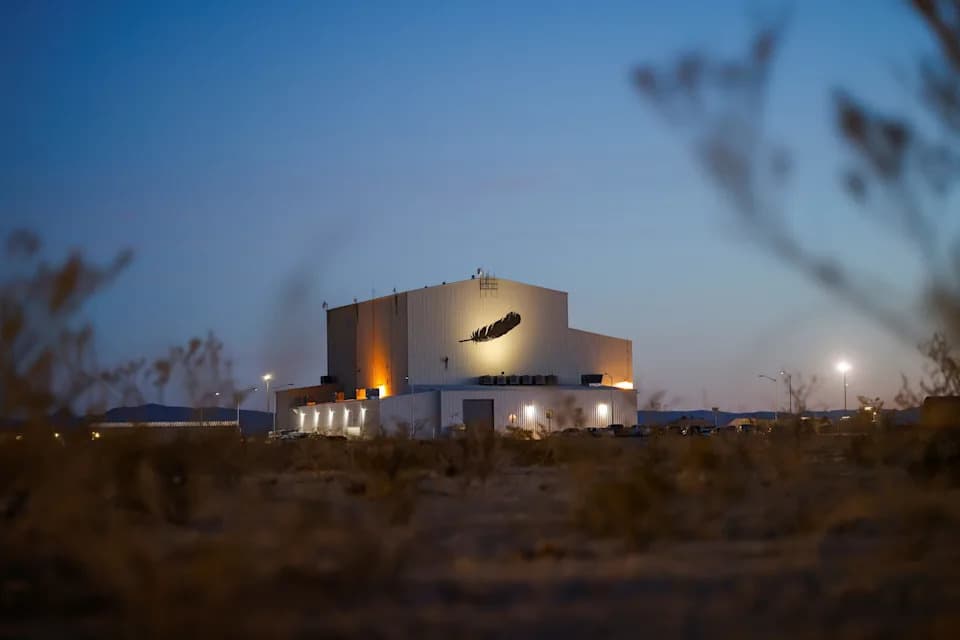
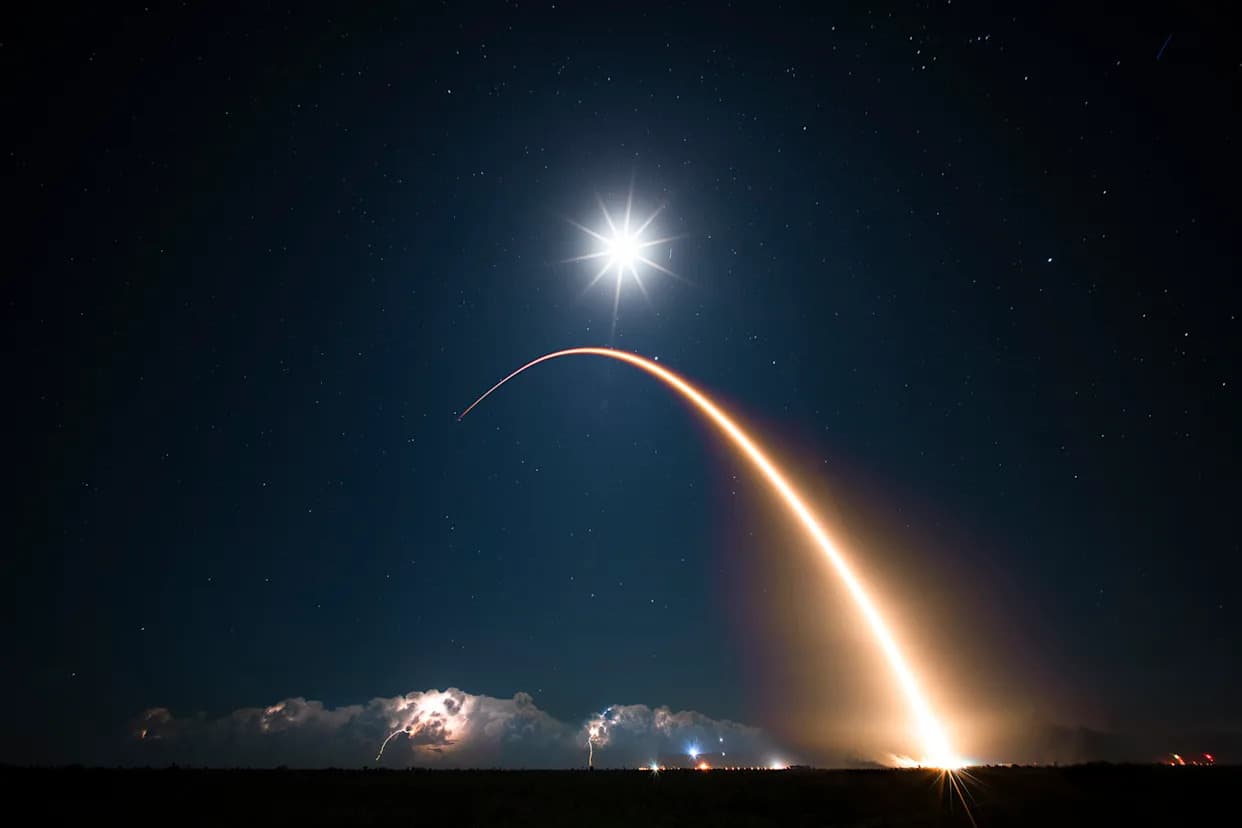
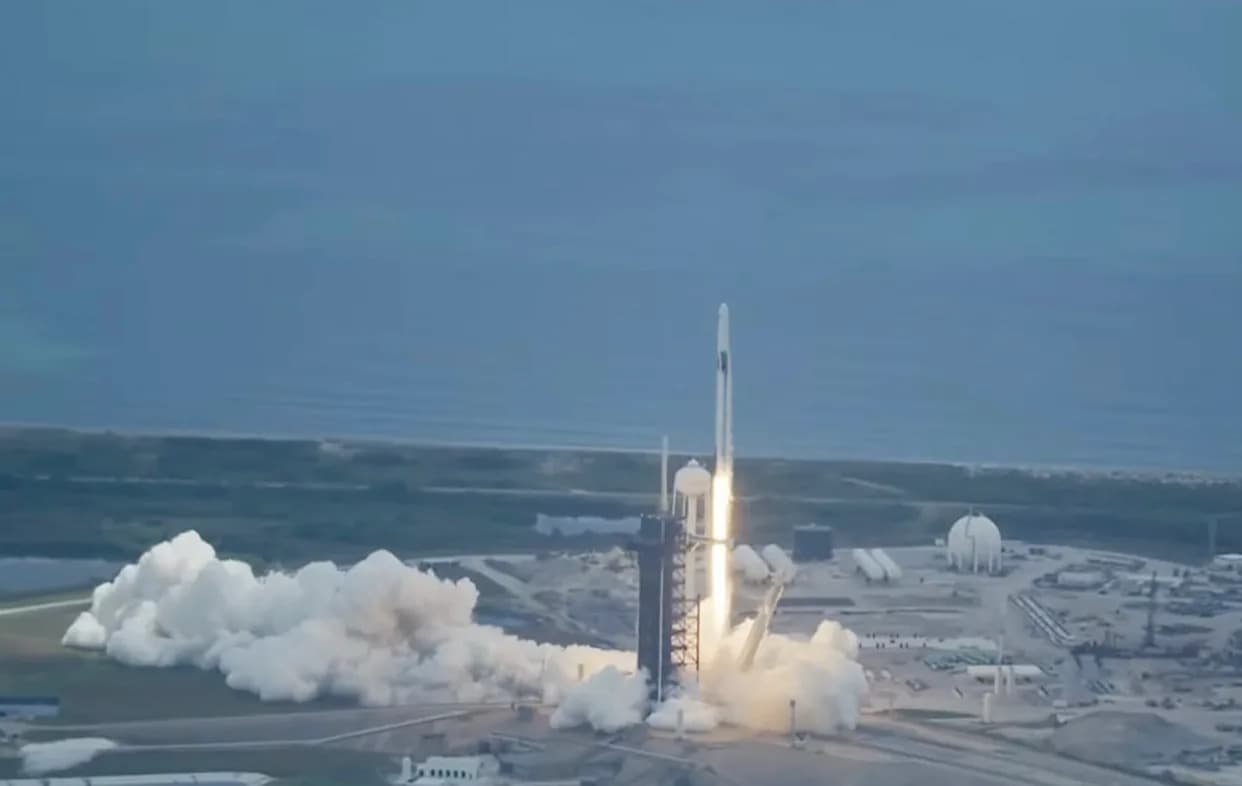
Blue Origin sent six passengers to the edge of space on Thursday morning aboard its New Shepard suborbital vehicle with Mission NS-38. The flight lifted off from the company’s West Texas launch site at 11:25 a.m. EST, reached apogee moments later, and returned to Earth with a landing at about 11:36 a.m.
Mission Details
Mission NS-38 marked Blue Origin’s 17th crewed New Shepard flight. The previous mission, NS-37, flew successfully on Dec. 20. Blue Origin emphasizes that New Shepard was designed to cross the internationally recognized Kármán line at 100 kilometers (about 62 miles), a benchmark it uses to distinguish its suborbital flights.
Crew
The NS-38 manifest included six passengers: Tim Drexler (pilot and CEO of Ace Asphalt), Dr. Linda Edwards (retired obstetrician/gynecologist and avid traveler), Alain Fernandez (real estate developer and former scuba instructor), Alberto Gutiérrez (entrepreneur and founder of travel-experiences company Civitatis), and Jim Hendron (retired U.S. Air Force colonel and founder of Hendren Plastics).
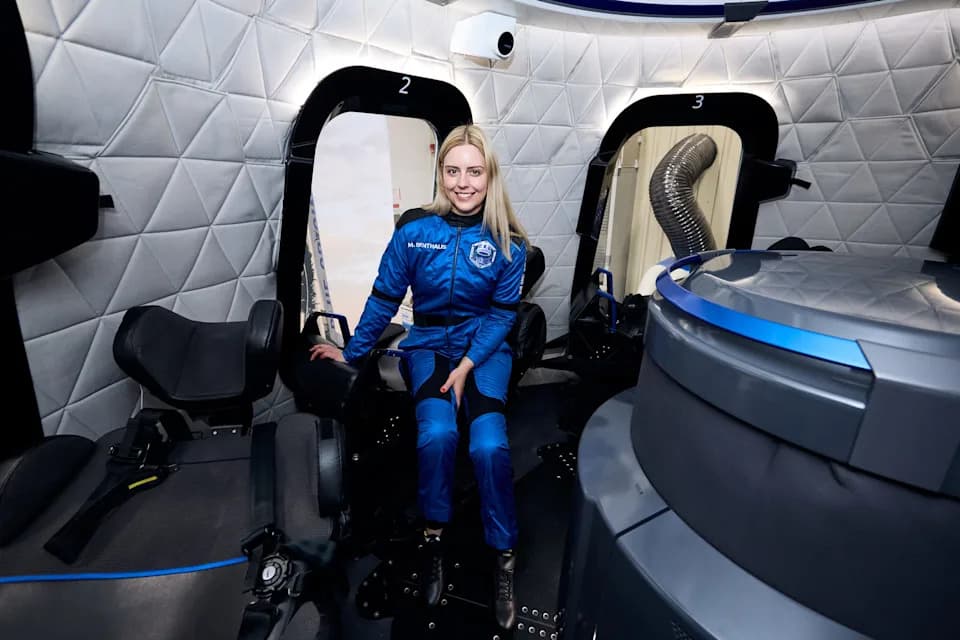
Earlier in the week Blue Origin announced that Laura Stiles, director of New Shepard Launch Operations, would join the NS-38 crew after a previously scheduled passenger withdrew due to illness. Blue Origin noted in a blog post that "Laura is also a skydiving instructor and holds two world records in large-formation skydiving" and that she recently began training to become a fixed-wing pilot.
Why the Kármán Line Matters — And Why It's Debated
Blue Origin often highlights that New Shepard crosses the Kármán line (100 km), which the Fédération Aéronautique Internationale (FAI) long has recognized as the boundary between Earth’s atmosphere and space. The company has contrasted its flights with competitors’ by stressing this crossing; for example, Blue Origin publicly noted the difference after Richard Branson’s 2021 Virgin Galactic flight, which reached roughly 282,000 feet (about 53 miles).
"From the beginning, New Shepard was designed to fly above the Kármán line, so none of our astronauts have an asterisk next to their name," Blue Origin wrote on the social platform X, adding that "for 96% of the world’s population, space begins 100 km up at the internationally recognized Kármán line."
However, scientists and agencies point out that the boundary is not universally agreed upon. Astrophysicist Jonathan McDowell has proposed a lower boundary near 80 kilometers based on the lowest altitudes at which satellites can survive certain elliptical orbits. NASA heliophysicist Doug Rowland cautions that Earth’s atmosphere thins gradually rather than ending at a single point, making any single cutoff somewhat arbitrary.
"When you go to where the Space Station is — only a couple of hundred miles above the Earth — there’s still enough air there to slow the Space Station down. And if you didn’t re-boost it with rockets, it would come back to Earth based on the air drag," Rowland said.
The National Oceanic and Atmospheric Administration (NOAA) has also noted that a vehicle would have to climb roughly 600 miles above Earth to escape the atmosphere completely — a distance far beyond the orbit of the International Space Station (roughly 205–270 miles).
What This Flight Means
NS-38 continued Blue Origin’s steady cadence of short suborbital flights that provide passengers a few minutes of microgravity and a view of Earth’s curvature. The mission underlines ongoing public and industry interest in suborbital tourism while also highlighting the scientific and semantic debate over where space begins.
Copyright 2026 Nexstar Media, Inc. All rights reserved. This material may not be published, broadcast, rewritten, or redistributed.
Help us improve.