Rumen Radev resigned as Bulgaria's president on Jan. 21 and indicated he may form a new party to contest snap parliamentary elections this spring. He is currently Bulgaria's most popular politician, but faces major hurdles: entrenched corruption, low voter turnout and scrutiny over his Kremlin-friendly remarks and decisions tied to caretaker governments. European prosecutors opened 97 investigations last year with alleged damages near €500 million, underscoring the scale of the graft problem. Building coalition partners will be essential if Radev seeks to translate personal popularity into stable governing power.
Rumen Radev Resigns Presidency — Signals Bid To End Bulgaria's Political Crisis
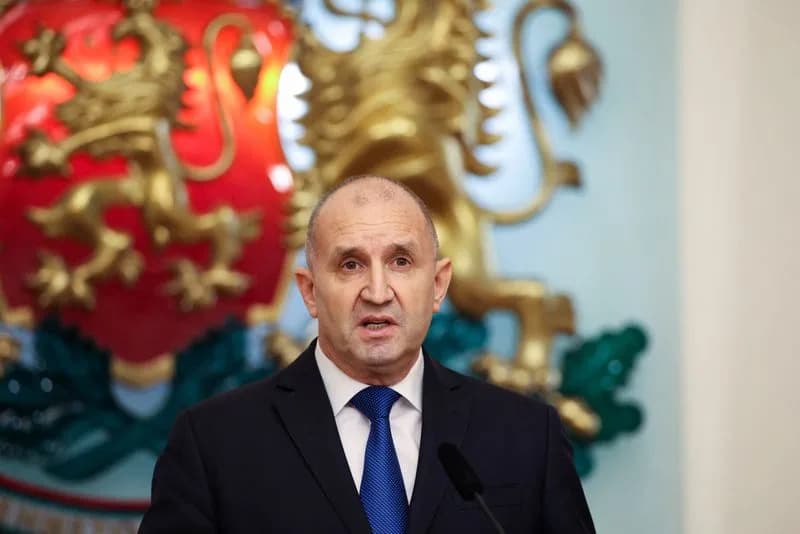
Bulgarian President Rumen Radev delivers an address to the nation at the Presidency, Sofia, Bulgaria, January 19, 2026. REUTERS/Stoyan Nenov
SOFIA, Jan 21 — In an unprecedented move that capped four years of fragile administrations and repeated snap elections, President Rumen Radev resigned on Jan. 21 and positioned himself as a potential remedy to Bulgaria's political deadlock.
"Our democracy will not survive if we leave it to corrupt officials, conspirators and extremists,"Radev said in a televised address. "Your trust obliges me to protect the state, the institutions and our future."
A former air force commander who trained in the United States, Radev has spent much of the last four years acting above a fractious parliament by appointing caretaker governments during crises and steadily increasing his public profile. Polls now regularly show him as Bulgaria's most popular politician, and many expect him to form a new party and contest parliamentary elections due this spring — although he has not yet made a formal announcement.
Why Now?
Mass public protests over corruption and a disputed budget proposal that included higher taxes toppled the previous government in December. Voters are increasingly fed up with a narrow political elite that includes former Prime Minister Boyko Borissov of the GERB party and media owner Delyan Peevski, who is under U.S. and U.K. sanctions for alleged corruption.
But Radev faces significant obstacles: entrenched graft, dwindling public trust, and the practical challenge of converting personal popularity into a parliamentary majority in a fragmented party landscape.
Corruption, Turnout And Investigations
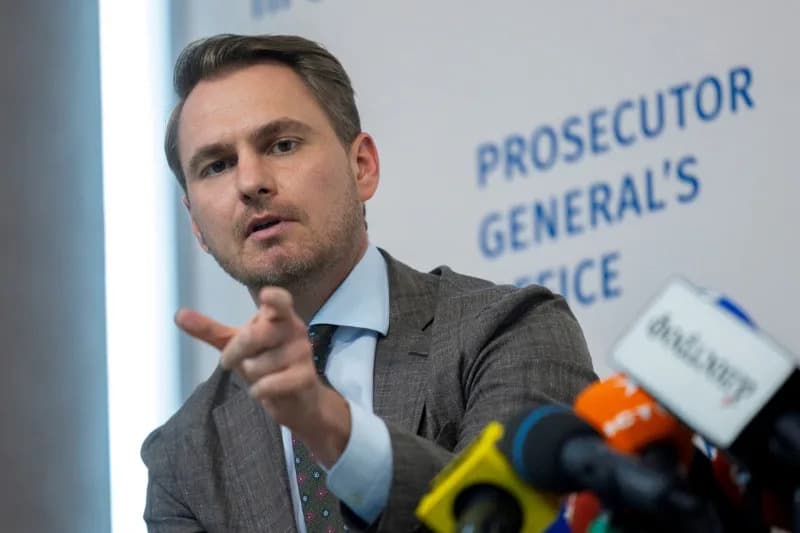
European prosecutors say corruption remains pervasive. Last year the European Public Prosecutor's Office opened 97 investigations in Bulgaria with reported damages approaching €500 million. Voter turnout has also plunged: from nearly 50% in April 2021 to below 35% in the June 2024 snap election.
Questions Over Radev's Record
Critics point to controversies linked to caretaker governments Radev appointed, including a disputed 2023 gas deal between Turkey's state company Botas and Bulgaria's Bulgargaz that prompted losses and an investigation. He must also address scrutiny over a series of Kremlin-friendly remarks on the war in Ukraine, past scepticism about adopting the euro (which Bulgaria joined on Jan. 1), and other foreign-policy stances.
Radev and Ukraine's President Volodymyr Zelenskiy publicly clashed in 2023 after Radev suggested that military aid to Kyiv could prolong the conflict. Zelenskiy responded on live television: "God forbid such a tragedy happens (here) and you are in my place. Are you going to say 'Putin, take over Bulgarian territories?'"
Coalition Math And The Road Ahead
Analysts say Radev's popularity alone is unlikely to win an outright parliamentary majority. Potential partners include the reformist PP-DB bloc, which shares anti-corruption priorities but differs with Radev on Russia policy and on economic issues tied to eurozone integration. Building a viable coalition will be essential if Radev intends to turn promises of change into durable reform.
As Bulgaria prepares for another election this spring — the eighth national vote in four years — Radev's next moves will shape whether public frustration translates into sustained political change or another cycle of short-lived governments.
Reporting: Edward McAllister and Stoyan Nenov. Editing: Alexandra Hudson.
Help us improve.