Gov. Phil Murphy signed a law on Jan. 19 requiring New Jersey public schools to teach cursive handwriting to students in grades 3–5, effective this coming fall. The bill—co‑sponsored by Sen. Angela McKnight—requires students to both read and write legible cursive and is intended to help with practical tasks and access to historical documents. Supporters cite cognitive and confidence benefits; the change reverses a long-term decline in cursive instruction since the Common Core era. The National Archives has also highlighted demand for cursive-reading volunteers to transcribe centuries of records.
New Jersey Restores Cursive Instruction For Grades 3–5 — Law Takes Effect This Fall
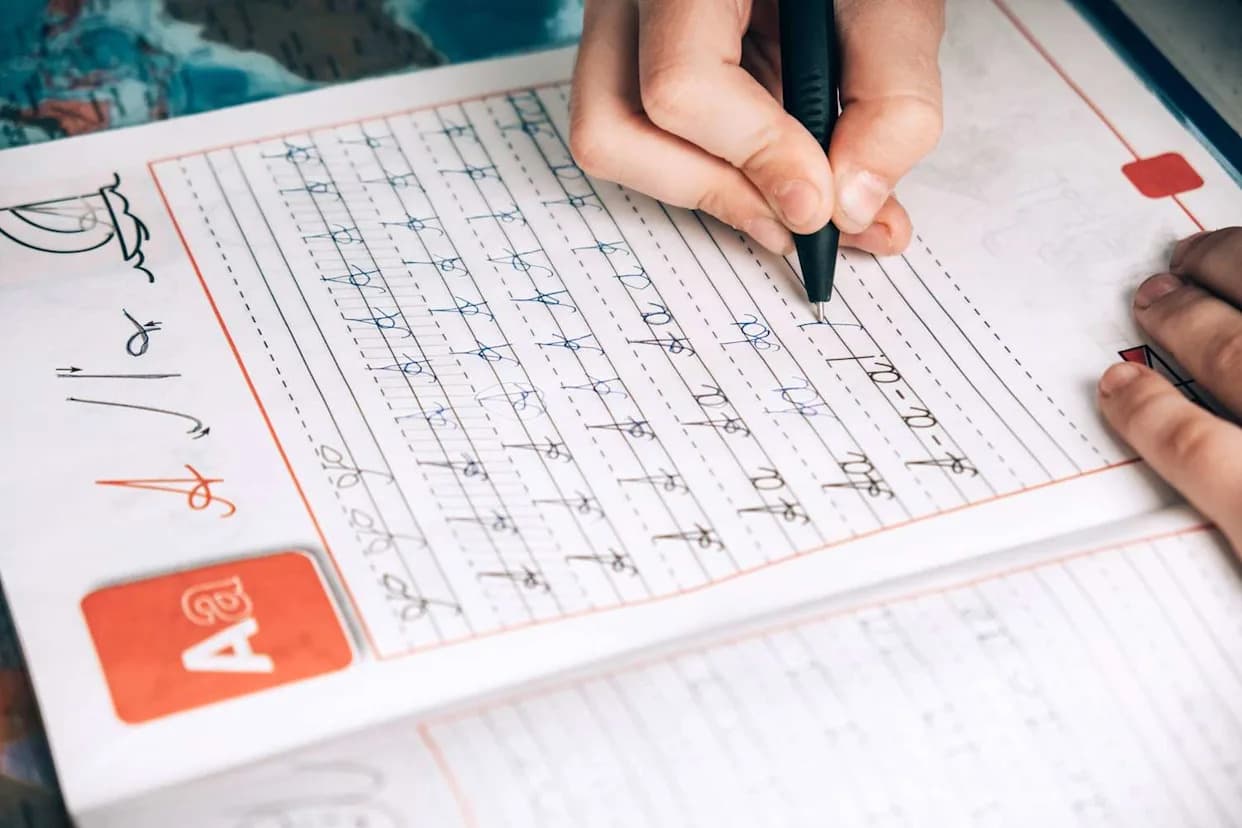
GettyStock image of a child practicing cursive
Gov. Phil Murphy signed a law on Jan. 19 requiring all New Jersey public schools to teach cursive handwriting to students in grades three through five, reinstating a requirement that had become optional in the state after the adoption of Common Core standards around 2010, according to People, CBS News, ABC News and NJ.com.
Why the change? Supporters say the measure helps students access historical documents, performs practical functions like signing checks and opening bank accounts, and may offer cognitive benefits linked to handwriting practice.
“We owe it to our students to give them a well-rounded education that ensures they have the tools to fully understand our rich history and become competent leaders,” Murphy said in a statement reported by news outlets.
The bill, co‑sponsored by State Sen. Angela McKnight, requires students not only to write legible cursive but also to be able to read it. “Not only does handwriting instruction encourage better retention and comprehension of information, but it also allows our students to build self-confidence and maintain a vital connection to written communication in the increasingly digital age,” McKnight said.
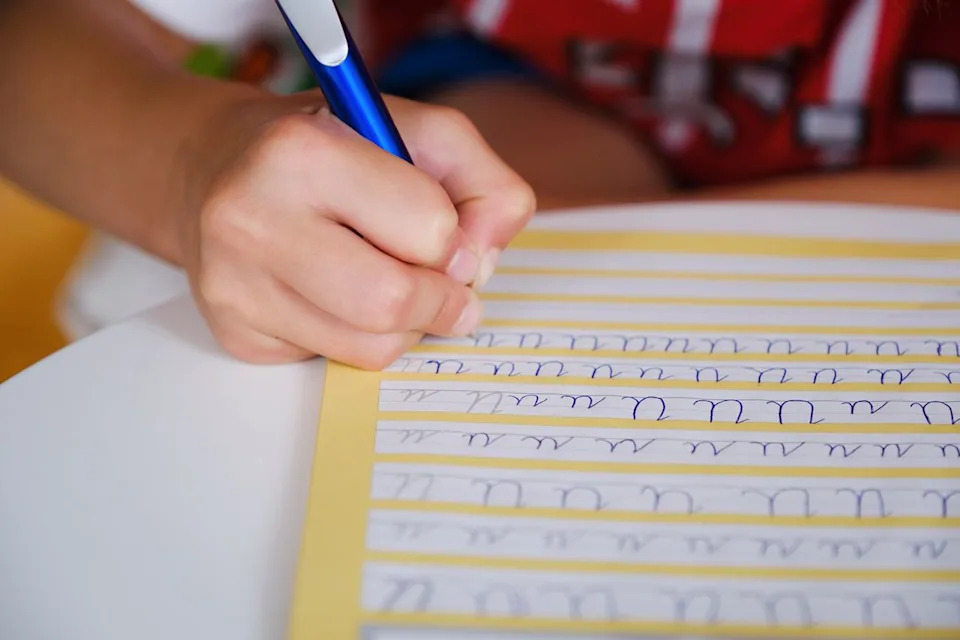
GettyStock image of a child practicing cursive handwriting
State Sen. Shirley Turner also endorsed the change, calling cursive a “timeless and necessary skill” that should be reintroduced into classroom instruction.
When it starts: The new requirement goes into effect at the beginning of the upcoming school year this fall. Districts will be expected to integrate age-appropriate cursive lessons for third through fifth graders as part of their language-arts instruction.
National context: Education Week reported that, before New Jersey’s law, 24 states required cursive instruction — fewer than half the number that did so 25 to 30 years ago. The move in New Jersey is part of a modest national trend toward restoring some handwriting instruction that many districts reduced or dropped after Common Core adoption.
Practical impact: The U.S. National Archives and Records Administration highlighted the continuing value of cursive on Jan. 16 when it asked for volunteers able to read and transcribe more than 200 years of handwritten records. Suzanne Isaacs, community manager for the National Archives Catalog, called the ability to read cursive “a superpower” for volunteers who transcribe or tag archival documents.
The law’s proponents say reinstating cursive instruction aims both to reconnect students with historical texts and to ensure they leave school with basic, practical handwriting skills that complement digital literacy.
Help us improve.