Australia's lower house has approved two bills to fund a national gun buyback and to strengthen background checks, alongside tougher penalties and visa powers for hate crimes, after the December 14 Bondi attack that killed 15 people. The gun package passed 96-45 and is expected to be backed by the Greens; the anti-hate bill passed 116-7 with Liberal support and Nationals largely abstaining. The measures now head to the Senate, while New South Wales advances its own limits on gun ownership and expanded police powers around protests.
Australia Moves to Approve Major National Gun Buyback and Tougher Hate-Crime Laws After Bondi Massacre

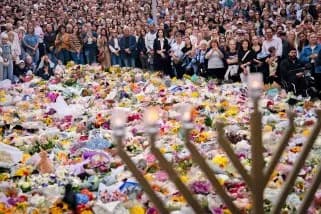
A visitor places a pebble at a memorial site in remembrance to the lives lost during the Bondi Beach mass shooting on December 14, 2025, in Sydney, Australia, January 16, 2026. REUTERS/Jeremy Piper
Australia's House of Representatives has approved two major bills to establish a national gun buyback, tighten background checks for firearm licences and increase penalties for hate crimes, following the December 14 mass shooting at a Jewish festival in Bondi that killed 15 people. The measures passed the lower house during a recalled special session and will now proceed to the Senate for further debate.
Gun Reforms: National Buyback and Stronger Vetting
The proposed gun-control package would fund the largest national buyback since the post-1996 Port Arthur campaign in Tasmania and strengthen background checks for firearms licences issued by states by incorporating information from the Australian Security Intelligence Organisation (ASIO). The government said Australia held a record 4.1 million firearms last year, with more than 1.1 million in New South Wales, the state where the Bondi attack occurred.
"The tragic events at Bondi demand a comprehensive response from government," Home Affairs Minister Tony Burke said, accusing those responsible of having "hate in their hearts and guns in their hands."
The gun bill passed the lower house by 96 votes to 45 without the coalition's support.
Anti-Hate Measures: Harsher Penalties and Visa Powers
A separate bill steps up penalties for hate crimes, including jail terms of up to 12 years in cases involving a religious official or preacher, and creates powers to ban groups judged to be spreading hate. It also provides authorities with new powers to cancel or refuse visas for people who promote hatred or extremism.
"This bill targets those that support violence, in particular violence targeted at a person because of their immutable attributes," Attorney-General Michelle Rowland said, warning such conduct can seed extremism and terrorism.
The anti-hate bill passed the lower house 116 to 7, with Liberal Party support while the National Party largely abstained.
Political Response and Next Steps
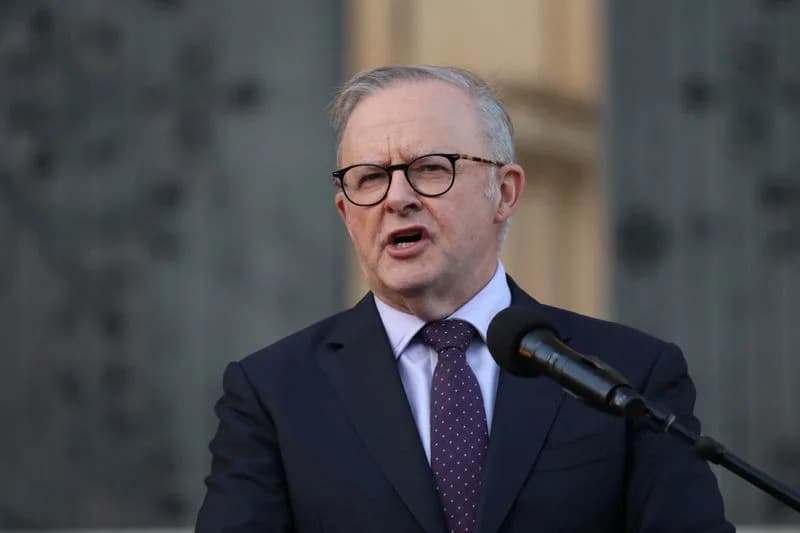
Prime Minister Anthony Albanese recalled parliament early for the two-day special session to respond to public shock and calls for stronger measures after the shooting. The gun reforms are expected to win backing from the Greens despite opposition from the conservative Liberal-National coalition; the anti-hate measures drew crossbench and Liberal support but not full coalition unity.
"This bill reveals the contempt the government has for the million gun owners of Australia," said Shadow Attorney-General Andrew Wallace of the Liberal Party, arguing many Australians use guns as tools of trade.
Both bills now move to the Senate, where they will be debated and face votes that will determine whether the measures become law.
State-Level Changes And Protest Curbs
Separately, New South Wales has introduced state reforms limiting individuals to possession of four guns and expanding police powers to curb protests during declared terrorist incidents. Police in some parts of Sydney have extended protest restrictions imposed in late December; authorities say these curbs are targeted, while critics argue they risk curbing democratic rights.
What Happens Next: The Senate will debate the bills; if passed, the government will implement the national buyback and the strengthened hate-crime framework, while states like NSW will continue to roll out complementary reforms.
Help us improve.