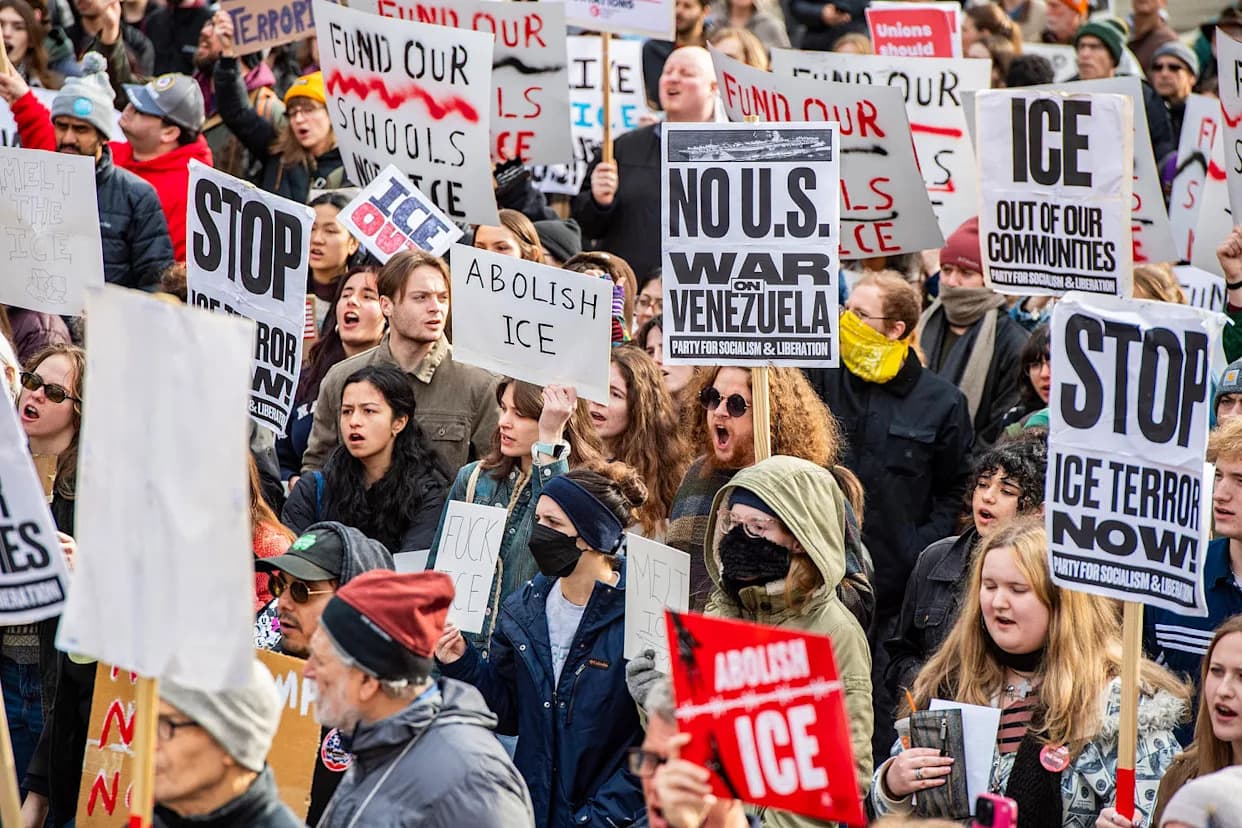
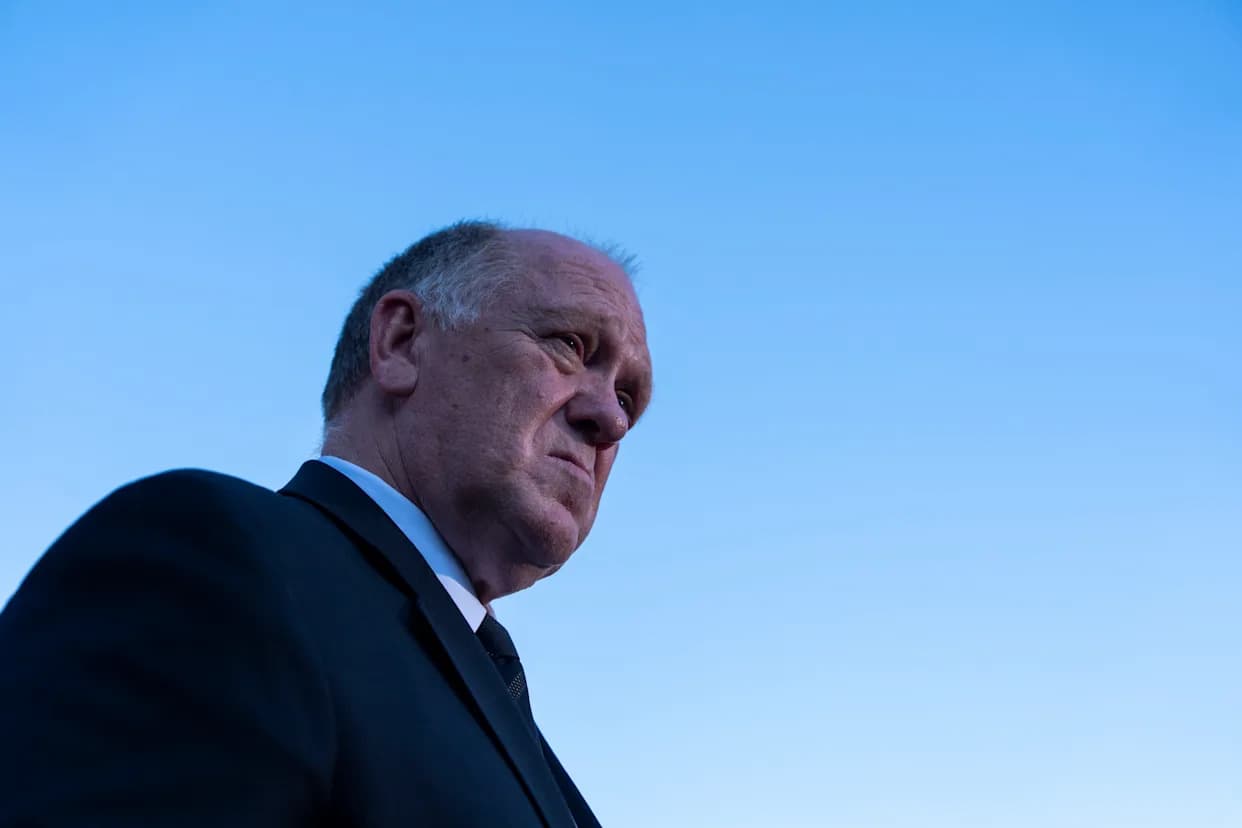
Bishop Rob Hirschfeld of the Episcopal Church in New Hampshire told clergy to finalize wills and organize their affairs, warning they may face a "new era of martyrdom" after the Jan. 7 shooting of Renee Good by an ICE officer. Hirschfeld invoked Jonathan Daniels — a seminary student killed in 1965 while protecting a civil rights activist — and urged moral courage rather than violence. Other Episcopal leaders, including Presiding Bishop Sean W. Rowe and Bishop Craig Loya, echoed calls to shelter immigrants and respond to hatred with love. Officials dispute the administration's self-defense account of the shooting, citing video evidence.
New Hampshire Bishop Urges Clergy To Finalize Wills, Warns Of a 'New Era Of Martyrdom' After ICE Shooting
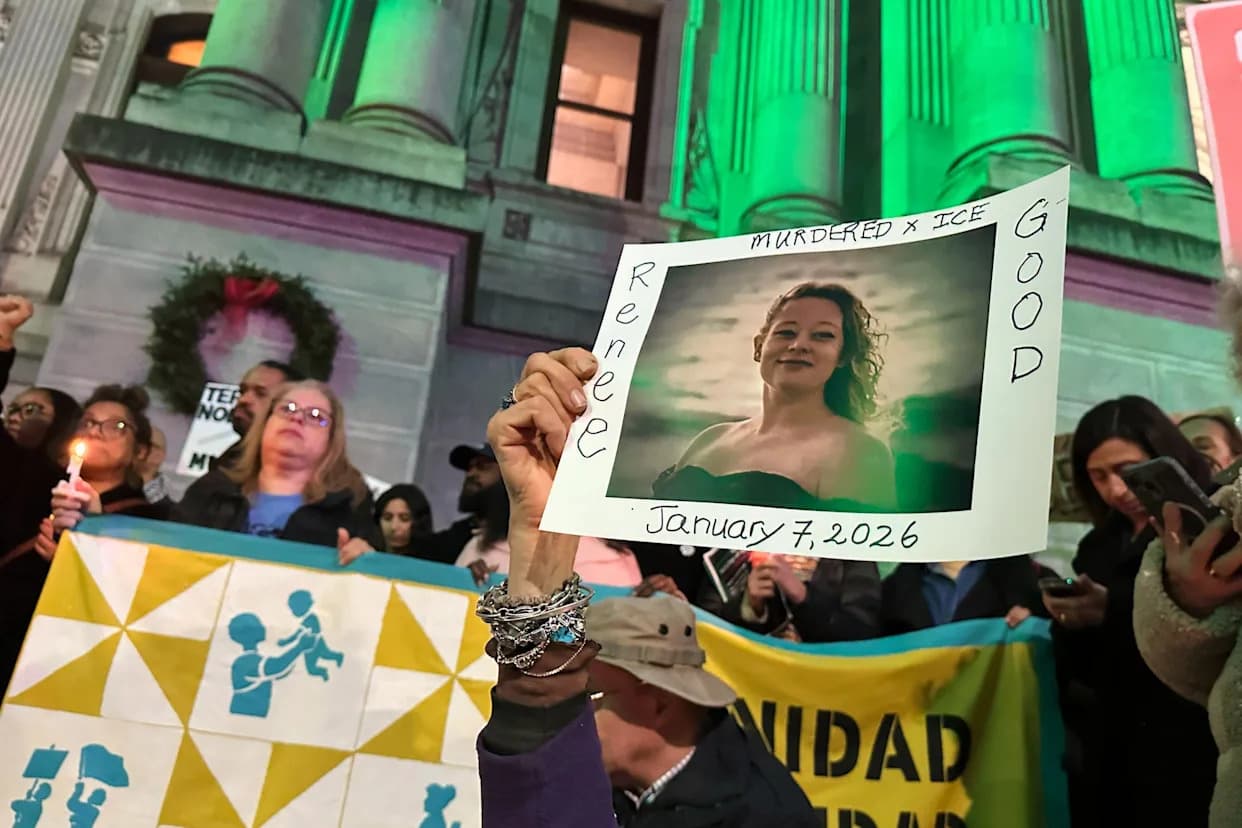
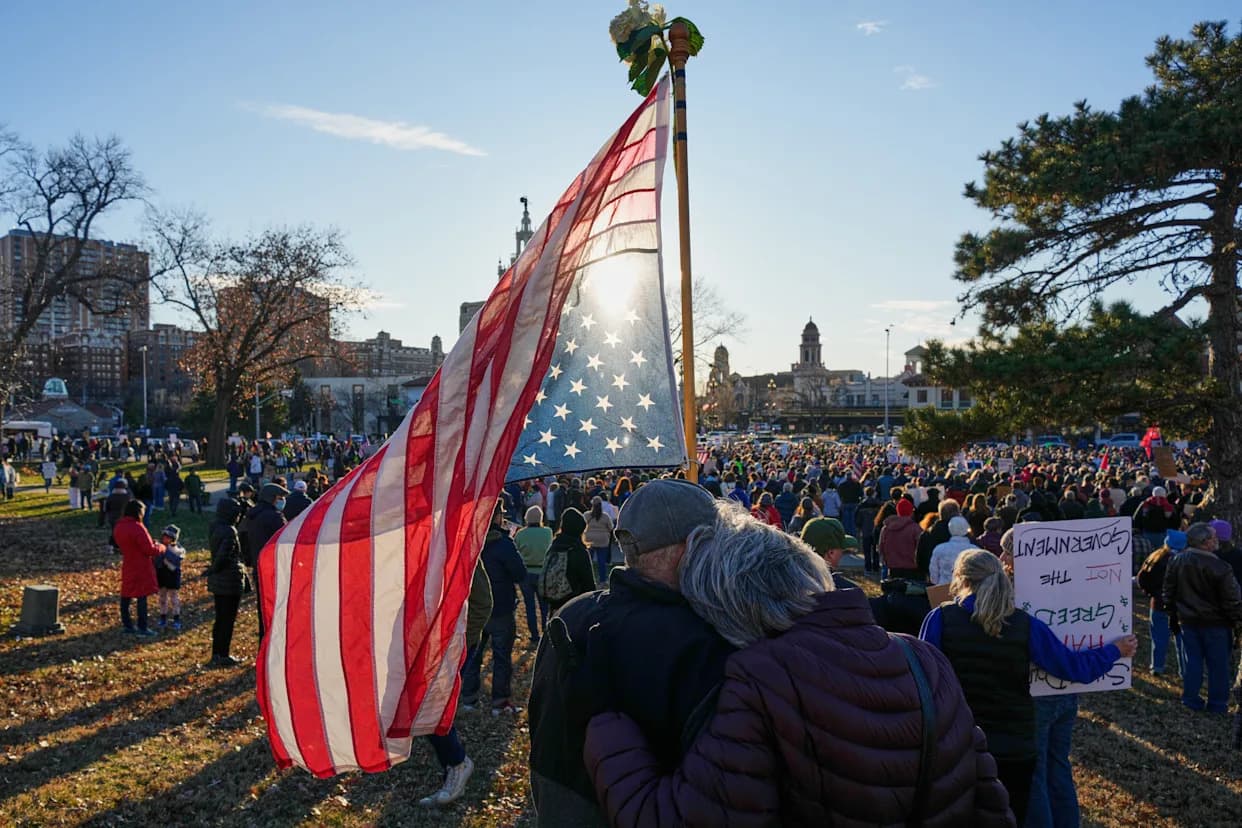
People gather at an anti-immigration enforcement rally and vigil for Renee Good, a Minneapolis woman who was shot and killed by an Immigration and Customs Enforcement officer in Minnesota, Thursday, Jan. 8, 2026, in Philadelphia. (AP Photo/Tassanee Vejpongsa)(ASSOCIATED PRESS)
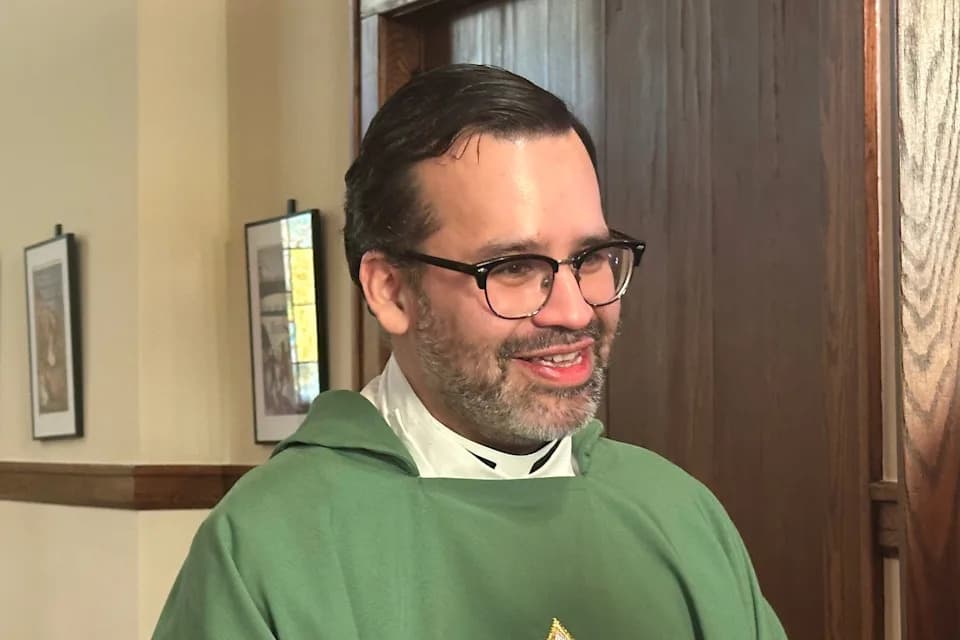
CONCORD, N.H. (AP) — Bishop Rob Hirschfeld of the Episcopal Church in New Hampshire has drawn national attention after urging his clergy to finalize their wills and put their affairs in order as they prepare for what he called a possible "new era of martyrdom." His remarks came during a vigil for Renee Good, who was fatally shot on Jan. 7 while behind the wheel of her car by a U.S. Immigration and Customs Enforcement officer.
The Trump administration has defended the ICE officer's actions, saying the officer fired in self-defense while standing in front of Good's vehicle as it began to move. Local officials, including Minneapolis Mayor Jacob Frey and Minnesota Gov. Tim Walz, have criticized that account and pointed to video footage of the encounter that they say raises questions about the official explanation.
In his address, Hirschfeld invoked historical examples of clergy and activists who risked — and in some cases gave — their lives protecting others. He specifically named Jonathan Daniels, a New Hampshire seminary student who was shot and killed by a deputy in Alabama in 1965 while shielding a young Black civil rights activist.
"I have told the clergy of the Episcopal diocese of New Hampshire that we may be entering into that same witness," Hirschfeld said.
"And I've asked them to get their affairs in order, to make sure they have their wills written, because it may be that now is no longer the time for statements, but for us with our bodies, to stand between the powers of this world and the most vulnerable," he added.
Hirschfeld emphasized he was not calling for violence. Instead, he framed his remarks as a call to moral courage and readiness to protect vulnerable people even at personal risk.
"Those of us who are ready to build a new world, we also have to be prepared," he said. "If we truly want to live without fear, we cannot fear even death itself, my friends."
Other Episcopal leaders have voiced similar calls to shelter and defend immigrants amid heightened immigration enforcement. Presiding Bishop Sean W. Rowe urged congregations to keep "resisting, advocating, bearing witness and repairing the breach," while Minnesota Bishop Craig Loya called on Christians not to meet "hatred with hatred" but to respond with love.
"We are going to make like our ancient ancestors, and turn the world upside down by mobilizing for love. We are going to disrupt with Jesus' hope. We are going agitate with Jesus' love," Loya said.
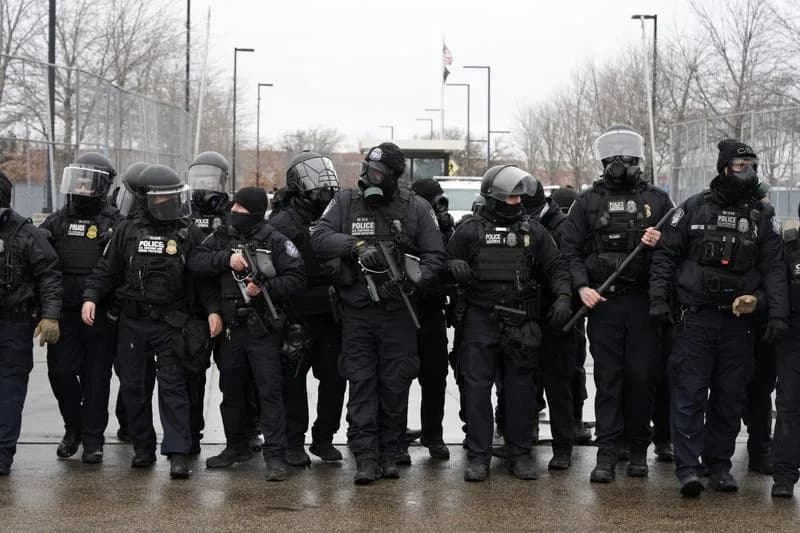
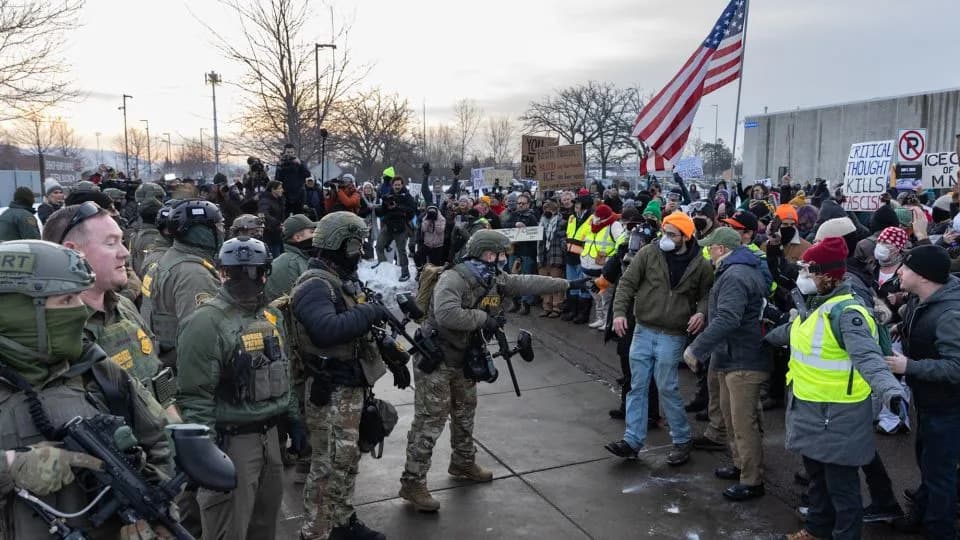
The comments spotlight tensions between law-enforcement actions at the border and within the nation, and the role religious leaders see for their communities in protecting the vulnerable. Hirschfeld's blunt counsel to clergy underscores the seriousness with which some faith leaders view recent enforcement actions and the difficult moral choices they believe may lie ahead.
Help us improve.