On Jan. 12 a sudden meteotsunami struck beaches near Mar del Plata, Argentina, killing 29‑year‑old Yair Manno and injuring at least 35 people. Waves as high as 16 feet swept across Mar Chiquita, Santa Clara del Mar, Camet and Mar del Plata, pulling belongings and trapping thousands. Lifeguards rescued many; authorities called the event "unforeseeable" and said it was triggered by abrupt atmospheric changes.
Meteotsunami Strikes Argentine Beaches — 1 Dead, Dozens Injured as 16‑Foot Waves Sweep Shore
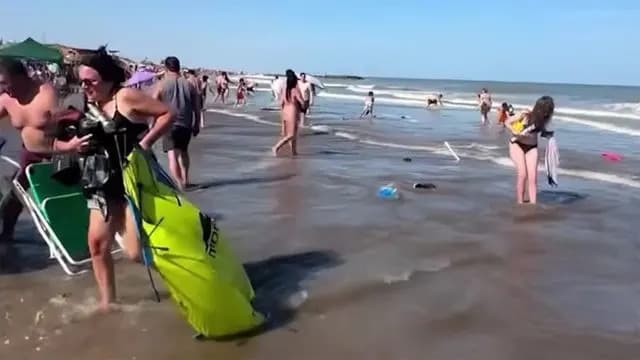
APBeach goers after the giant waves struck Santa Clara del Mar in Argentina on Monday, Jan. 12
One person has died and at least 35 others were injured after a sudden meteotsunami sent giant waves rushing across beaches near Mar del Plata, Argentina, on Monday, Jan. 12.
What Happened
The Provincial Civil Defense confirmed that 29‑year‑old Yair Manno, who had been living in France and was visiting family in Mar del Plata, died after being swept toward rocks when powerful currents struck the shores of Mar Chiquita, Santa Clara del Mar, Camet and Mar del Plata, according to local outlets and the Associated Press. Lifeguards performed cardiopulmonary resuscitation (CPR) but Manno was later pronounced dead.
Injuries and Rescue Efforts
At least 35 people received treatment at the scene or in hospitals for lacerations, bruises and scrapes, while one man was hospitalized after suffering a heart attack. Video distributed by the AP shows panicked crowds pushing to escape as the water rushed back onto the sand and pulled belongings—bags, chairs and umbrellas—out to sea.
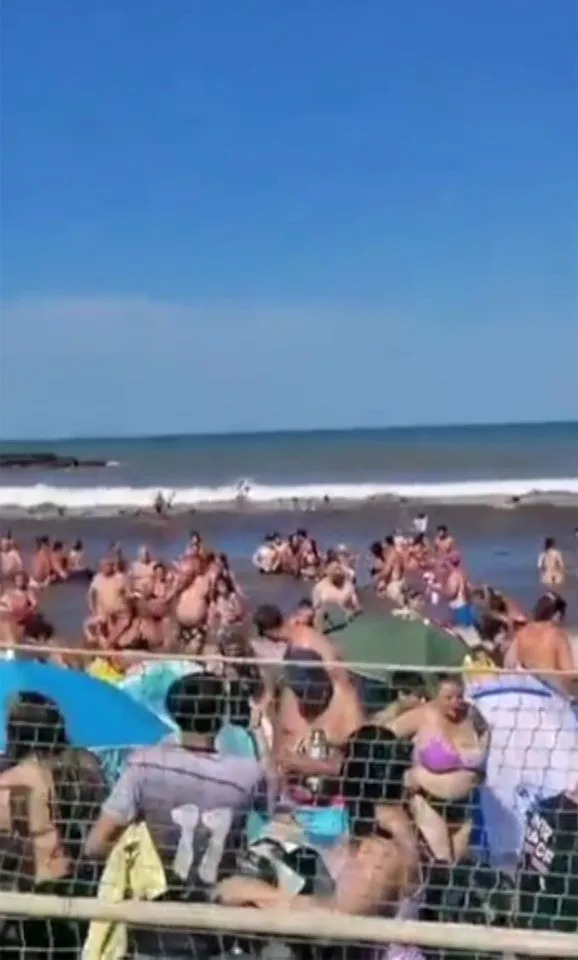
APBeachgoers after giant waves wipe through Santa Clara del Mar in Argentina
“The truth is, seeing how the sea suddenly recedes and then returns with that magnitude was tremendous. We started pulling people out of the water,” said Atlantic Coast lifeguard Maximiliano Prensky, reporting that nearly 5,000 people were in the water at the time.
Why It Happened
Officials described the event as a meteotsunami — a sudden surge caused by rapid changes in atmospheric pressure, wind or other weather conditions. Authorities reported waves reached heights of up to 16 feet. Fabián García, head of Civil Defense for Buenos Aires province, called the incident "an unforeseeable event" and said there were no meteorological or scientific studies that had predicted it.
Aftermath
Local authorities and lifeguards continue to assess the situation and treat the injured. Coastal communities were left shaken by the suddenness and force of the surge. Witnesses described a turbulent, swirling current: “A black whirlpool formed; I’ve never seen anything like it,” one lifeguard told Diario de Cuyo.
People in the affected areas have been warned to remain cautious. Civil Defense and emergency services are reviewing the incident to improve warnings and safety measures for future unusual sea events.
Help us improve.