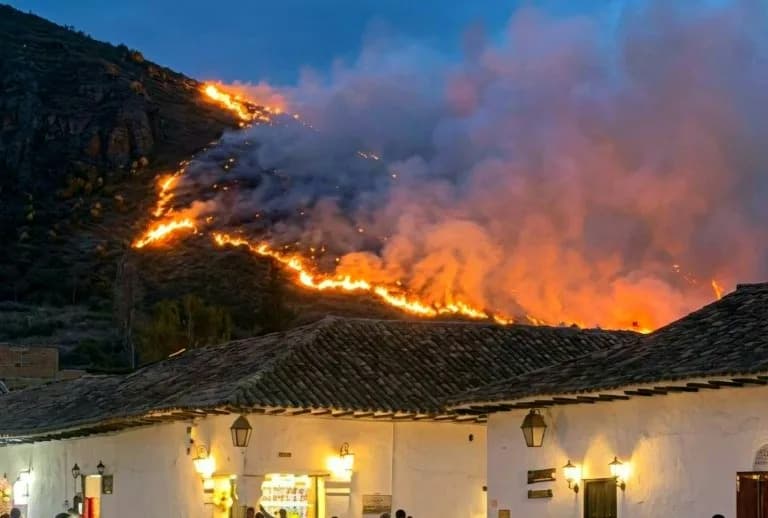
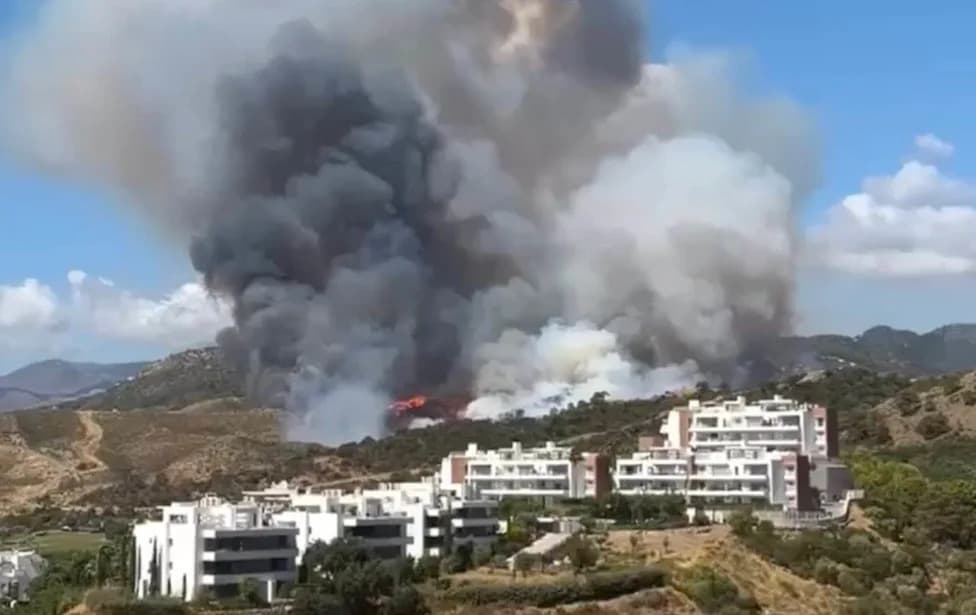
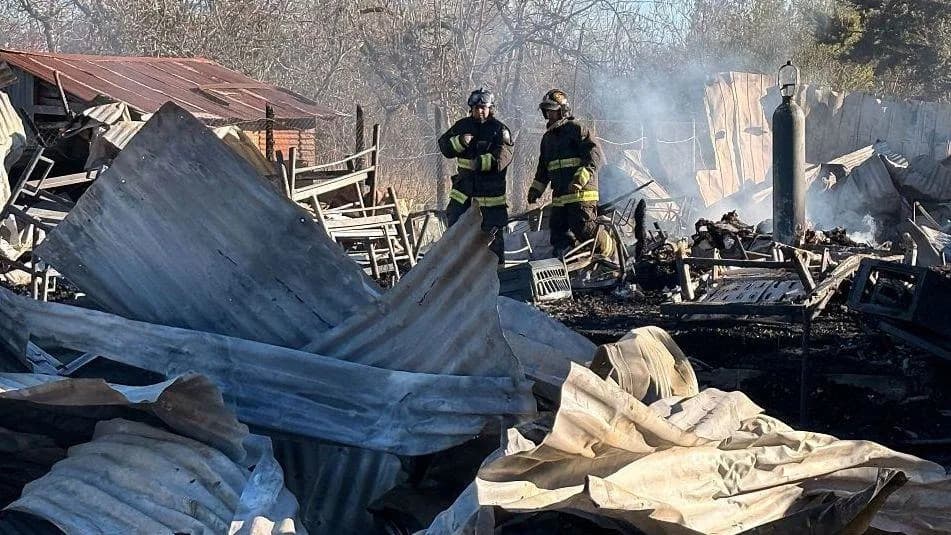
Argentine authorities evacuated about 3,000 tourists and several dozen residents from Puerto Patriada as wildfires tore through parts of Patagonia for several days. Hundreds of firefighters, helicopters and six water-bombing planes are battling flames fueled by high temperatures, strong winds and severe drought. Officials say at least one fire is suspected arson and have offered a 50 million peso (≈US$33,000) reward for information. Fires also burn across Neuquén, Santa Cruz, Río Negro and southern Buenos Aires province.
About 3,000 Tourists Evacuated From Puerto Patriada As Wildfires Devastate Argentine Patagonia

Wildfires rage in the Patagonian provinces of Chubut, Neuquen, Santa Cruz and Rio Negro as well as southern Buenos Aires province (Martin LEVICOY)(Martin LEVICOY/AFP/AFP)
Puerto Patriada, Chubut — Argentine authorities said Wednesday they evacuated roughly 3,000 tourists and several dozen permanent residents from the sparsely populated Puerto Patriada lakeside resort after wildfires swept through the area for several days.
Since Monday, hundreds of firefighters supported by helicopters and six water-bombing planes have been working to contain flames driven by high temperatures, strong winds and severe drought conditions. The Federal Emergency Agency reported that blazes are also active across the region, including in the provinces of Neuquén, Santa Cruz, Río Negro and parts of southern Buenos Aires province.
"We evacuated more than 3,000 tourists," said Chubut Governor Ignacio Torres. He added that a few dozen permanent residents were also moved to safety and that authorities have not disclosed the visitors' nationalities.
Torres said investigators believe at least one of the fires was set deliberately and announced a reward of 50 million pesos (about US$33,000) for information leading to those responsible. Authorities continue to probe the cause of other blazes.
Scale and Context
Last year — during the peak of the Southern Hemisphere summer in January and February — nearly 32,000 hectares of Patagonian forest were scorched, an area roughly twice the size of Brussels. The region remains vulnerable as climate-driven heat and drought increase fire risk.
Response Efforts
Response teams are prioritizing evacuations and protecting populated areas while deploying aerial and ground resources to slow the fires' advance. Local and federal agencies are coordinating to support evacuees, investigate suspected arson, and monitor shifting weather conditions that could influence containment efforts.
What To Watch: Officials may expand investigations into possible arson, adjust evacuation orders if winds change, and announce further details on the origins and nationalities of evacuated tourists as more information becomes available.
Help us improve.