Senate Republicans held a Judiciary Committee hearing urging the House to advance impeachment articles against judges accused of ruling against President Trump's agenda. Democrats warned the move risks intimidating the judiciary and eroding the separation of powers. The hearing centered on Judges James Boasberg and Deborah Boardman, though none of the impeachment measures have progressed. Witnesses offered sharply divided legal views on whether judicial rulings alone can justify impeachment.
Senate Republicans Hold Hearing Urging House To Move Forward On Impeaching 'Rogue' Judges

U.S. Senator Sheldon Whitehouse (D-RI) attends the Senate Judiciary Committee confirmation hearing in Dirksen Senate Office Building in Washington, U.S., April 28, 2021. Tom Williams/Pool via REUTERS
U.S. Senate Republicans convened a Judiciary Committee hearing on Wednesday urging the Republican-led U.S. House of Representatives to advance impeachment articles against judges they described as 'rogue' for ruling against parts of President Donald Trump's agenda.
The session, which had been postponed twice, drew sharp criticism from Democrats who said it risked intimidating the judiciary and undermining the separation of powers. Senator Sheldon Whitehouse of Rhode Island called the hearing 'an effort to try to intimidate the judiciary into not ruling against the Trump administration,' adding that 'impeachment isn't a remedy for judges getting decisions wrong; appeal is the remedy.'
Republican Arguments
Senator Ted Cruz of Texas, who chairs the subcommittee on courts, argued that impeachment is not limited to criminal conduct and can address 'the subtle subversions that may violate no criminal statute and yet strike at the very architecture of our republic.' Cruz highlighted two judges targeted by House impeachment resolutions: Chief U.S. District Judge James Boasberg of Washington, D.C., and U.S. District Judge Deborah Boardman of Greenbelt, Maryland.
Targets and Allegations
Boasberg has been the subject of multiple impeachment efforts by House Republicans. One effort followed his ruling that blocked the administration from using wartime authorities to deport Venezuelan migrants; another alleges he improperly ordered phone carriers not to disclose that phone records for 10 senators and one House member were sought during former Special Counsel Jack Smith's investigation into Trump's 2020 election challenges. Twenty House Republicans signed the latter resolution.
Boardman faces a resolution from 17 House Republicans alleging she abused her authority by imposing what they called an 'indefensibly light' eight-year sentence on a California man who admitted attempting to assassinate U.S. Supreme Court Justice Brett Kavanaugh in 2022.
None of the impeachment measures against these judges — nor other articles filed against judges who ruled against Trump-era initiatives — have advanced in the House.
Witnesses and Divergent Views
The subcommittee heard from three witnesses with sharply divided perspectives. Will Chamberlain of the conservative Article III Project and Robert Luther, an associate law professor at George Mason University who served in the White House Counsel's Office during Trump's first term, argued that judicial misconduct can, in some cases, warrant impeachment. Luther described the notion that judges are immune from impeachment for on-bench conduct as a 'modern misconception.'
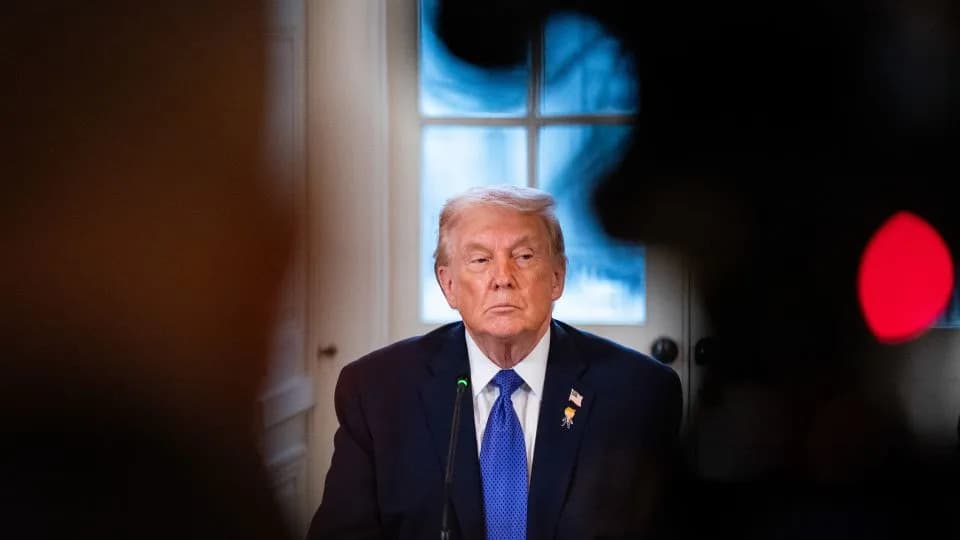
By contrast, Stephen Vladeck, a law professor at Georgetown University Law Center, warned that threatening impeachment over disputed rulings creates an 'especially dangerous' precedent. He said the hearing took place amid 'unprecedented attacks and threats against many of these same judges from senior executive branch officials,' including public calls by President Trump for the impeachment of specific judges.
Context and Constitutional Standard
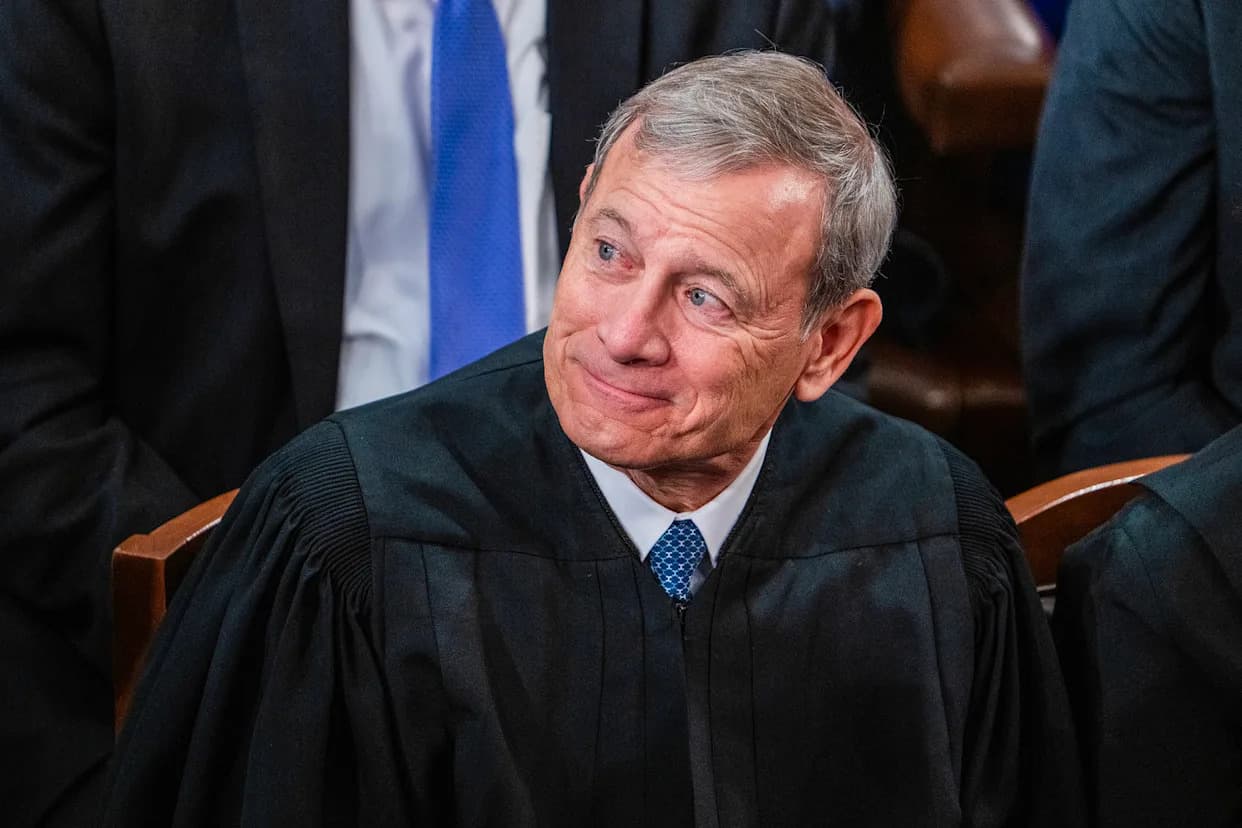
Historically, the House has impeached 15 federal judges, most over ethics or criminal misconduct, and the Senate has convicted eight of them — with a two-thirds vote required for conviction. The U.S. Constitution sets impeachment grounds as treason, bribery, or other high crimes and misdemeanors. Chief Justice John Roberts issued a rare rebuke last year after President Trump publicly called for Boasberg's impeachment, saying impeachment is 'not an appropriate response to disagreement concerning a judicial decision.'
This hearing underscores growing tensions between Congress and the judiciary as partisan battles over the role of federal judges continue to surface.
Reporting by Nate Raymond in Boston.
Help us improve.