Adelaide Writers' Week was cancelled after the festival board disinvited Palestinian-Australian author Randa Abdel-Fattah, prompting about 180 authors to withdraw and director Louise Adler to resign in protest. Abdel-Fattah called the move "anti-Palestinian racism and censorship" and rejected the board's apology. The controversy follows the Bondi Beach Hanukkah shooting that killed 15 people and has sharpened national debates over antisemitism, hate speech and freedom of expression. Remaining board members will step down and a new board has been appointed by the South Australian government.
Adelaide Writers' Week Cancelled After Board Disinvites Palestinian-Australian Author, Sparking Free-Speech Backlash
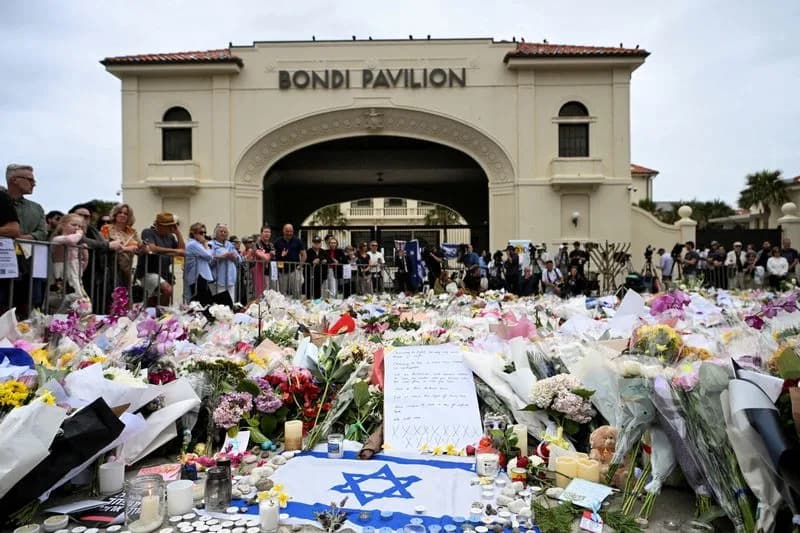
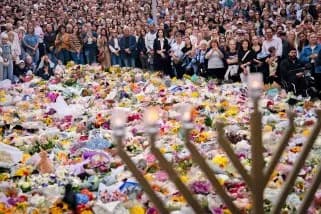
FILE PHOTO: People stand near flowers laid as a tribute at Bondi Beach to honour the victims of a mass shooting that targeted a Hanukkah celebration at Bondi Beach on Sunday, in Sydney, Australia, December 16, 2025. REUTERS/Flavio Brancaleone/File Photo
One of Australia's leading literary events, Adelaide Writers' Week, was cancelled after mass withdrawals by authors and the resignation of its director in protest at the festival board's decision to disinvite a Palestinian-Australian writer.
What Happened
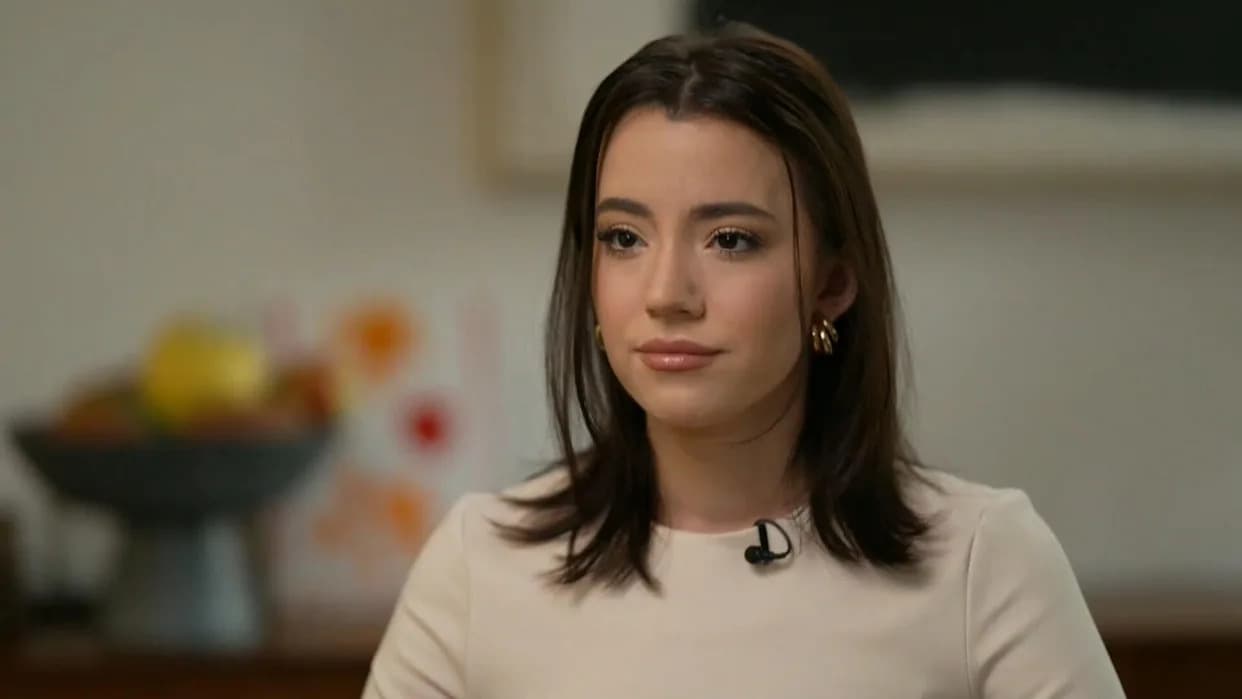
The festival's director, Louise Adler—the Jewish daughter of Holocaust survivors—said she would step down from her role in February after the board decided to disinvite novelist and academic Randa Abdel-Fattah. The board said the move was taken "out of respect for a community experiencing the pain from a devastating event," noting concerns it would not be "culturally sensitive" for Abdel-Fattah to appear "so soon after Bondi." Instead, the decision provoked protests and a wave of withdrawals.
Reaction And Fallout
About 180 authors publicly withdrew from the festival in protest, and remaining board members announced they would step down. Several high-profile participants are reported to have pulled out, including former New Zealand prime minister Jacinda Ardern, British novelist Zadie Smith, Australian writer Kathy Lette, Pulitzer Prize–winning author Percival Everett, and former Greek finance minister Yanis Varoufakis. The South Australian government has since appointed a new festival board.
Randa Abdel-Fattah described the ban as "a blatant and shameless act of anti-Palestinian racism and censorship."
The festival board apologised for "how the decision was represented" and said the controversy "is not about identity or dissent but rather a continuing rapid shift in the national discourse around the breadth of freedom of expression in our nation following Australia’s worst terror attack in history." Abdel-Fattah rejected the apology, saying she had nothing to do with the Bondi attack, "nor did any Palestinian."
Context
The dispute follows the Bondi Beach Hanukkah shooting last month, in which 15 people were killed. Prime Minister Anthony Albanese announced a national day of mourning for January 22 to honour the victims. Police say the alleged gunmen were inspired by the Islamic State militant group. The attack has intensified national debate about antisemitism, hate speech and the limits of free expression; some measures proposed after the attack, including restrictions on protests and slogans, have been criticised as threats to free speech.
The controversy has become a flashpoint for broader discussions about censorship, cultural sensitivity and the role of political pressure in public events. Adler warned that the board's action "weakens freedom of speech and is the harbinger of a less free nation, where lobbying and political pressure determine who gets to speak and who doesn't."
The South Australian government is now overseeing the appointment of a new board and reviewing how to proceed with future programming for the festival.
Help us improve.