
Summary: The Kuroshio current off Japan shifted far north in 2023–24, producing adjacent local sea-level rises (nearly 1 inch/year in one patch) and record-warm waters — up to about 10°C (18°F) above normal down to 400 m. The prolonged marine heatwave disrupted fisheries (mackerel, salmon, kombu seaweed), amplified storm impacts and is linked by scientists to wind-pattern changes tied to Hadley Cell expansion under climate change. Researchers say the episode is a warning and a chance to study how oceans will respond to warming.
How a Dramatic Shift in the Kuroshio Current Is Raising Sea Levels and Devastating Japan’s Fisheries

Fishing boats sail toward a kelp harvest area in the Northern Territories, 3.7 kilometers off Nemuro, Hokkaido, Japan on June 2, 2018. Fish and kombu seaweed harvested in this region are crucial to Japan's food culture, but recent changes in a warm ocean current called the Kuroshio have damaged these fisheries. - The Asahi Shimbun/Getty Images
Overview: Off Japan’s coast, one of the planet’s largest ocean currents — the Kuroshio, or “Black Current” — has shifted its path dramatically in recent years, producing striking local sea-level changes, record-warm ocean temperatures and severe disruptions to fisheries and coastal communities.
What Happened
The sea surface is not flat: winds, gravity and fast western-boundary currents create ridges and valleys in ocean height. Recently, satellite and in-situ data show one particularly extreme pattern off Japan: a patch of ocean rising by nearly an inch (about 2.5 cm) per year sitting directly next to a zone falling even faster. This sharp contrast is the fingerprint of the Kuroshio shifting its course.
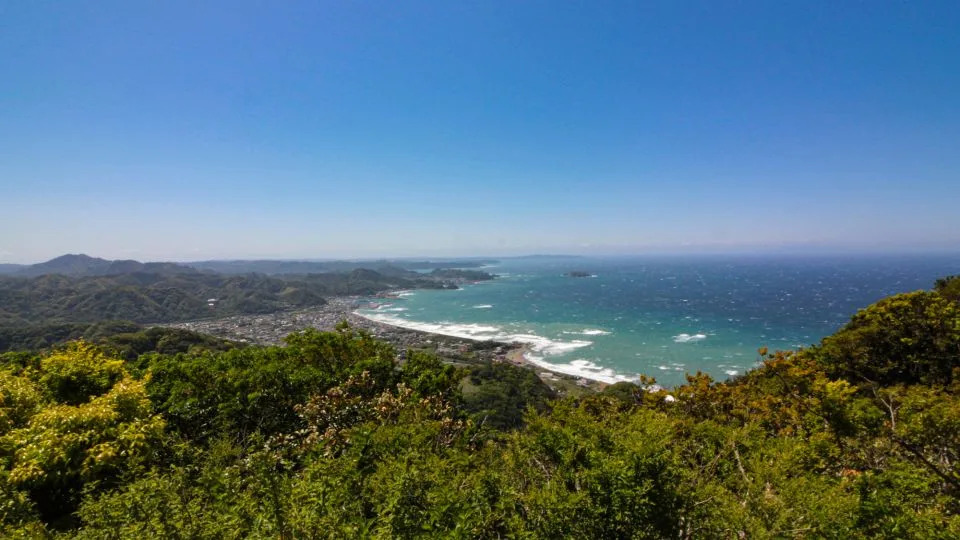
The Boso Peninsula forms the eastern edge of Tokyo Bay. Normally, the Kuroshio Extension banks away from Japan and heads into the Pacific near this spot. But in recent years, it's continued northward, bringing unprecedented warm water with it. - John S Lander/LightRocket/Getty Images
The Kuroshio carries more than 200 times the volume of the Amazon River northward. Its northern edge moved as much as 300 miles (roughly 480 km) poleward during the biggest events in 2023–24. In some places — for example off the Sanriku coast — temperatures rose by roughly 6°C (about 11°F). Measurements in the Kuroshio Extension’s new position showed water up to 18°F (about 10°C) warmer than normal down to ~400 meters (1,300 ft). From April 2023 through August 2024 the area experienced nearly continuous marine heatwave conditions.
Why It Matters
Sea Level: Warm, fast currents raise local sea level; the Kuroshio can produce several feet of difference between its two sides. When the current shifted, some coastal locations saw sea-level increases of up to half a foot that amplified storm surges — notably during Typhoon Lan in October 2017.
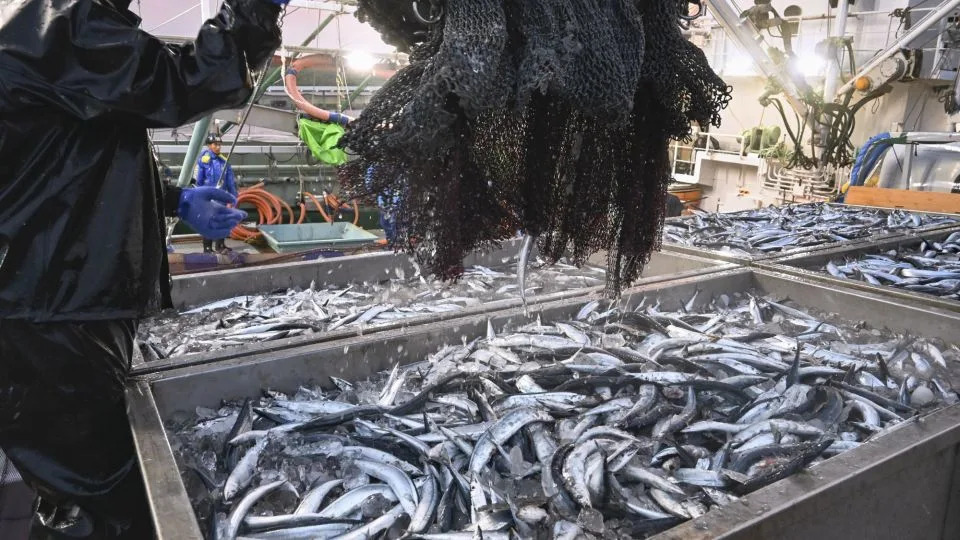
The first saury catch of the season is landed at a port in Nemuro on Japan's northernmost main island of Hokkaido on Aug. 15, 2025. This species has been particularly affected by changes in the Kuroshio. - Kyodo News/Getty Images
Climate Connections: Scientists link the current shifts in part to changing wind patterns associated with a poleward migration of circulation features tied to Hadley Cell expansion under climate change. Long-term observations show the Kuroshio Extension’s northern edge moved north by about 130 miles between 1993 and 2021 before the extreme leap in 2023–24.
Impacts On People And Ecosystems
Fisheries: The Kuroshio’s movement has displaced cooler currents (like the Oyashio), shifted fish distributions and crashed some local fisheries. In central Japan, mackerel catches dropped dramatically — fishers report current catches as low as 20–30% of levels a decade ago. Northeastern fisheries reliant on cool-water species (Pacific salmon, saury) and kelp/seaweed harvests have also suffered.

Kombu kelp is laid in the sun to dry Wakkanai, Hokkaido, on July 15, 2012. This seaweed is a vital part of Japan's food culture and economy. But it's becoming harder to harvest. - Hiroaki Murata/The Yomiuri Shimbun/AP
Food Culture: Kombu seaweed, essential to Japanese dashi and cuisine and primarily harvested around Hokkaido, has declined in abundance in affected areas — threatening culinary traditions and local livelihoods.
Scientific Perspective And Outlook
Researchers debate how much of the Kuroshio’s recent behavior is natural variability versus a climate-change signal. Many western-boundary currents worldwide are warming and shifting poleward, and experts warn these events may become more frequent or intense as the planet warms. The Kuroshio Extension has shown some retreat (recently to roughly 37°N), but scientists caution that volatility could continue.
“This episode offers a window into how oceans may behave in a warming world,” says Shusaku Sugimoto of Tohoku University, summarizing why researchers view the event as both a warning and a learning opportunity.
What To Watch: Ongoing monitoring of the Kuroshio via satellites, oceanographic cruises and fisheries data will be critical to anticipate future shifts and to help fishing communities adapt to changing ocean conditions.
Reporting contributions: Elisabeth Doty. Research and expert comment summarized from recent studies, the Japan Meteorological Agency and interviews with oceanographers.


