
The Kuroshio current and its Extension recently shifted poleward, producing waters up to 18°F warmer to depths of ~400 meters and triggering sustained marine heatwave conditions from April 2023 to August 2024. This reorganization caused sharp local sea-level changes, amplified storm impacts, intensified heat and extreme rainfall on land, and severely disrupted fisheries and seaweed harvests central to Japan's food culture. Researchers link the event partly to wind changes from a widening Hadley Cell and warn it may presage more frequent, larger ocean disruptions.
Kuroshio Shock: How a Shifting Giant Current Reshaped Seas, Climate and Fisheries Off Japan

Fishing boats sail toward a kelp harvest area in the Northern Territories, 3.7 kilometers off Nemuro, Hokkaido, Japan on June 2, 2018. Fish and kombu seaweed harvested in this region are crucial to Japan's food culture, but recent changes in a warm ocean current called the Kuroshio have damaged these fisheries. - The Asahi Shimbun/Getty Images
The ocean's surface is far from flat. Winds, gravity and powerful narrow streams of warm water create hills and troughs in sea level — and those patterns are changing. Off Japan, one of the most striking examples is unfolding: adjacent patches of ocean have been rising and falling at dramatically different rates as the mighty Kuroshio current and its Extension reorganized.
What Happened
The Kuroshio — often called the Black Current — carries a volume of water more than 200 times the Amazon River as it flows north along Japan's western basin edge. In recent years the Kuroshio and its eastward continuation, the Kuroshio Extension, shifted far poleward: the Extension's northern edge moved by as much as ~300 miles in extreme events, with a documented northward migration of about 130 miles between 1993 and 2021 before even larger leaps in 2023–2024.
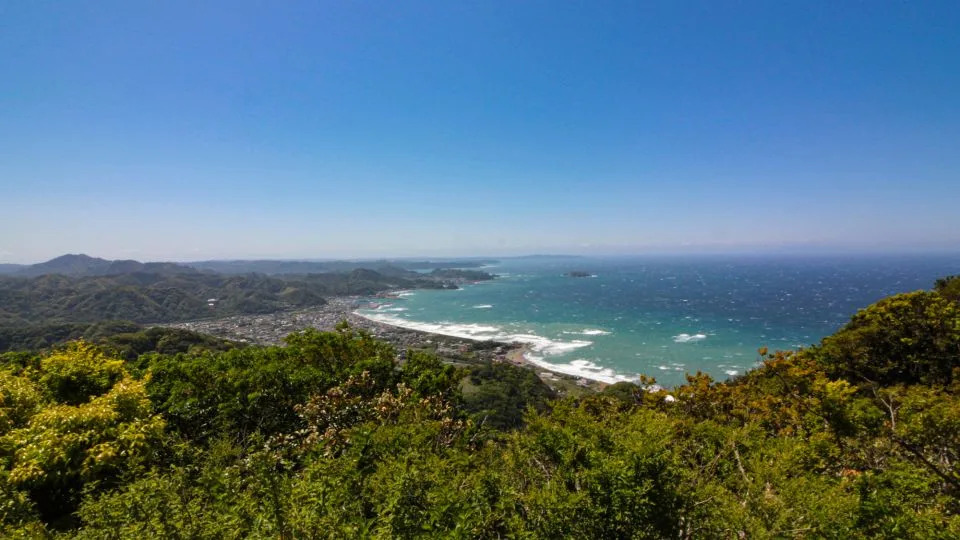
The Boso Peninsula forms the eastern edge of Tokyo Bay. Normally, the Kuroshio Extension banks away from Japan and heads into the Pacific near this spot. But in recent years, it's continued northward, bringing unprecedented warm water with it. - John S Lander/LightRocket/Getty Images
Ocean Heat, Sea Level and Weather
Scientists recorded water up to 18°F (≈10°C) warmer than normal extending down to ~400 meters in the Extension's new position. Off the Sanriku coast temperatures rose by about 6°C and those elevated temperatures persisted for two years. From April 2023 through August 2024 the area experienced intense marine-heatwave conditions nearly every day.
The Kuroshio's warmth and strong flow also alter local sea level: there can be several-foot differences across the current, and relocations caused local rises (about a half-foot in places) and falls elsewhere. When Typhoon Lan hit in October 2017, higher local sea levels amplified coastal damage in Shizuoka Prefecture.
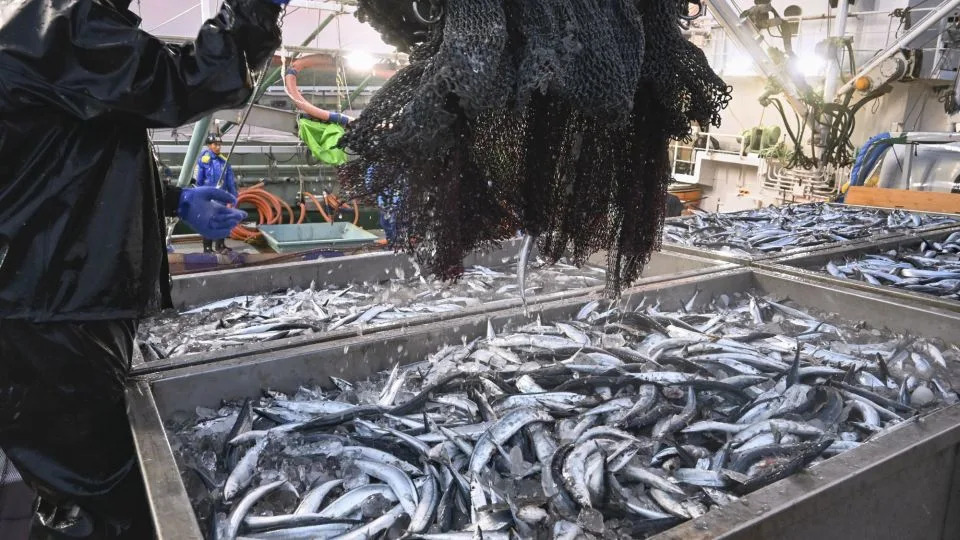
The first saury catch of the season is landed at a port in Nemuro on Japan's northernmost main island of Hokkaido on Aug. 15, 2025. This species has been particularly affected by changes in the Kuroshio. - Kyodo News/Getty Images
Warm offshore waters affected the atmosphere too — contributing to record summer heat in northern Japan in 2023 and linked to extreme rainfall events such as the September 2023 floods in Chiba Prefecture.
Ecological and Economic Impacts
The reorganization displaced cooler, nutrient-rich currents like the southward-flowing Oyashio, shifting fish distributions and collapsing regional catches. In central Japan, mackerel catches have fallen to about 20–30% of levels from a decade ago. Kombu seaweed harvests, essential to Japan's culinary culture and dashi stocks, have also declined sharply in traditional harvesting areas.
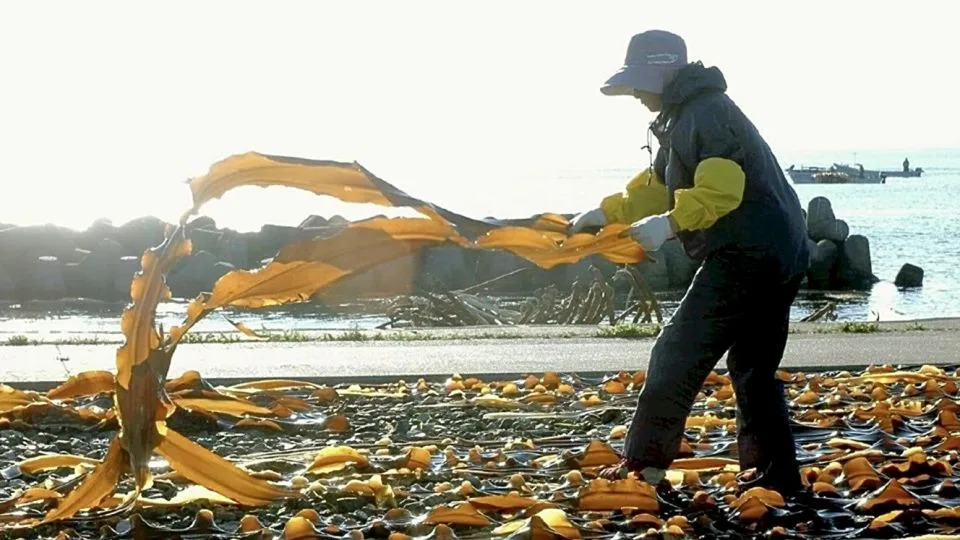
Kombu kelp is laid in the sun to dry Wakkanai, Hokkaido, on July 15, 2012. This seaweed is a vital part of Japan's food culture and economy. But it's becoming harder to harvest. - Hiroaki Murata/The Yomiuri Shimbun/AP
Causes and Broader Context
Researchers attribute part of the poleward migration of western boundary currents like the Kuroshio to atmospheric changes linked to a widening Hadley Cell and expanding subtropical high-pressure zones. These wind and pressure shifts steer major currents; models and observations show many western boundary currents are warming and moving poleward under climate change. Yet natural variability — including recurring large meanders in the Kuroshio with a history stretching back to the 1960s — also plays a role.
Outlook and Stakes
Some indicators suggest the Kuroshio's northern edge has retreated from its 2023–24 extreme and returned to around 37°N, but researchers warn the system may remain volatile. Scientists describe the recent configuration as a "new dynamic regime," and say the episode offers a window into how oceans could behave later this century.
“It’s hard to predict the future, but given the data we have so far, I can only see the intensity becoming larger and larger.” — Bo Qiu, University of Hawaiʻi at Mānoa
Why it matters: Large current shifts rework regional sea level, weather extremes and fisheries on which millions depend — and they can be an early signal of broader climate-driven ocean change.


