Khartoum State has launched a staged campaign to exhume bodies buried in makeshift sites across Khartoum, Khartoum North and Omdurman and transfer them to official cemeteries. Forensic teams, Civil Defence, the Sudanese Red Crescent and neighbourhood committees are coordinating the work and offering families the right to nominate representatives at every stage. Authorities aim to clear makeshift graves by the first quarter of 2026, but shortages of supplies and sabotage of DNA units are complicating identification and reburial efforts. The operation is intended to ease families’ trauma and address public-health risks from decomposing remains.
Khartoum Begins Exhuming Makeshift Graves, Reawakening Families’ Grief

Forensic experts and the Sudanese Red Crescent exhume remains from makeshift graves in Khartoum’s al-Azhari on August 2, 2025 [Ebrahim Hamid/AFP]
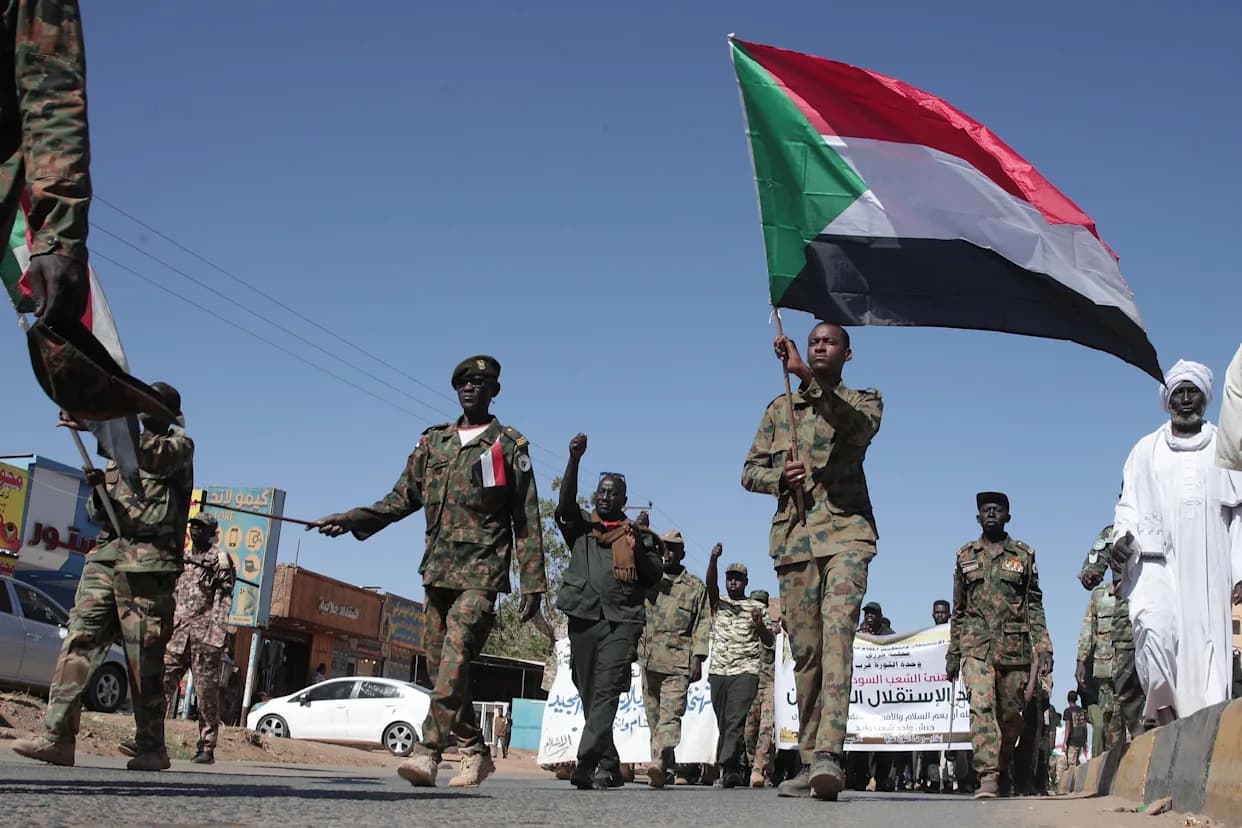
Iman Abdel-Azim buried her brother in the courtyard of her Khartoum North home after he died of cholera in September when fierce fighting between the Sudanese army and the paramilitary Rapid Support Forces (RSF) made cemeteries inaccessible. Now, months later, a government-led campaign to exhume bodies buried in homes, mosques, public squares and yards has reopened wounds for families who performed makeshift burials amid the conflict.
Launched in early December, the staged operation is overseen by the High Committee for Collecting the Remains of Those Who Died During the Battle of Dignity and implemented by state and local committees. Those committees include representatives from the Forensic Medicine Authority, Civil Defence, the Sudanese Red Crescent and neighbourhood management and services groups, with coordination from local authorities such as Ahmed Abdel Rahman, executive director of Khartoum North.
Operation and Procedures
The campaign begins with a survey to identify makeshift burial sites across Khartoum, Khartoum North and Omdurman. Families are notified and may nominate a representative to be present at each stage — from exhumation to reburial — and forensic specialists will supervise all excavation and documentation. Each set of remains will be recorded and reinterred in official cemeteries; unidentified remains will be numbered, documented and placed in specially designated graves.
Timeline and Goals
Hisham Zain al-Abidin, director of the Forensic Medicine Authority in Khartoum State, told Al Jazeera that the transfer of remains began shortly after Sudanese army forces regained control of Khartoum State. Authorities aim to clear makeshift graves from Khartoum and its seven districts by the first quarter of 2026.
Community Role
Local committees have surveyed burials found in homes, mosques and public squares and are urging citizens to report additional sites so field teams can reach them. Committees provide logistics and family liaison services during exhumations; the High Committee has instructed teams to halt any exhumation if no relative or authorised representative is present.
Challenges and Public-Health Concerns
Field teams face practical obstacles, including shortages of body bags and other supplies. Zain al-Abidin also reported that the RSF sabotaged DNA storage units used to preserve samples from buried bodies, hindering identification efforts. Meanwhile, decomposing corpses left in streets and other locations pose both identification difficulties and public-health risks, increasing the urgency of the operation.
Appeal: Authorities and committee leaders have called on citizens, organisations and humanitarian partners to assist with grave preparation, logistics and resources needed to complete this large-scale and sensitive task.
While the exhumation campaign is only one part of rebuilding after the conflict, officials say it is intended to ease families’ psychological burden, restore dignity to the deceased and reduce health dangers posed by unattended remains.
Help us improve.