
Technical divers from the California Academy of Sciences recovered 13 long-term monitoring units from deep reefs off Guam and cataloged roughly 2,000 specimens. About 100 species were recorded in the region for the first time and roughly 20 may be new to science. Divers found plastic debris on every dive, and preliminary temperature records suggest deeper waters are warming, raising conservation concerns for these understudied ecosystems.
Deep-Twilight Discoveries: Scientists Recover Rare Creatures — and Trash — From 300+ Feet Off Guam

A hermit crab found in the water off the coast of Guam in November 2025. - California Academy of Sciences
Only a thin veil of light reaches the water more than 300 feet below the surface off Guam, creating a perpetual twilight even at midday. This zone, called the upper twilight zone, remains one of Earth's least explored marine environments because reaching it is costly, technically demanding and hazardous.
In November, a team of technical divers from the California Academy of Sciences descended into this dim realm to recover long-term monitoring devices anchored on Guam’s deep reefs. Over eight dives they retrieved 13 monitoring units that had been recording marine life and temperature data for more than eight years.
Weird, Beautiful—and Vulnerable—Life
When the devices were brought to the surface and processed at the University of Guam Marine Laboratory, researchers carefully removed encrustations, photographed and cataloged specimens, and preserved samples for DNA analysis. In two weeks of lab work the team documented roughly 2,000 specimens. About 100 of those species were recorded in the region for the first time and roughly 20 may be species new to science.
Notable discoveries include a possible new species of cardinalfish, an orange-clawed crab not previously reported from Guam, a yellow-and-pink speckled sea slug, and an unusual hermit crab that uses clam-like shells instead of the more typical snail shells. The monitoring plates—1-foot-square PVC ridged structures—act as artificial reef “hotels,” providing substrate for animals to settle and grow over years.
How the Divers Work
Reaching the upper twilight zone requires specialized gear and breathing mixtures that include helium (so-called trimix) to reduce nitrogen narcosis and other risks. At depth, more gas dissolves into body tissues; to avoid decompression sickness (the "bends") divers must surface extremely slowly with staged stops. As ichthyology curator Luiz Rocha explained, "If we stay just 10 minutes at 500 feet, it would take us six hours to go up," which limits bottom time to roughly 30 minutes per dive.
Human Impacts: Plastic and Warming
Alongside exciting biological finds, the team encountered a consistent sign of human influence: trash. Studies show that plastic debris—much of it originating from the fishing industry—tends to increase with depth and peaks in the upper twilight zone. "We are almost always the first humans to set eyes on these deeper reefs, and yet we see human-produced trash on every dive," Rocha said.
Preliminary temperature data from the recovered monitors also indicate that deeper waters may be warming in step with shallower zones. These early results challenge the assumption that mid-depth reefs serve as safe thermal refuges from climate change and underscore the reefs' vulnerability to multiple stressors, including fishing, pollution and warming.
What's Next
The Guam dives are the opening phase of a two-year effort to retrieve a total of 76 monitors from deep reefs across the Pacific, including sites in Palau, French Polynesia and the Marshall Islands. Scientists hope the expanded dataset will give a clearer picture of biodiversity in the twilight zone and inform conservation strategies for these little-known but fragile ecosystems.
Quick fact: The monitoring plates function as artificial reef substrate—small, modular structures that marine organisms colonize over years, creating a time-stamped window into deep-reef communities.

Divers ascend after installing monitoring devices in Guam in 2018. Only specially trained divers can reach the ocean's upper twilight zone. - Luiz Rocha/California Academy of Science
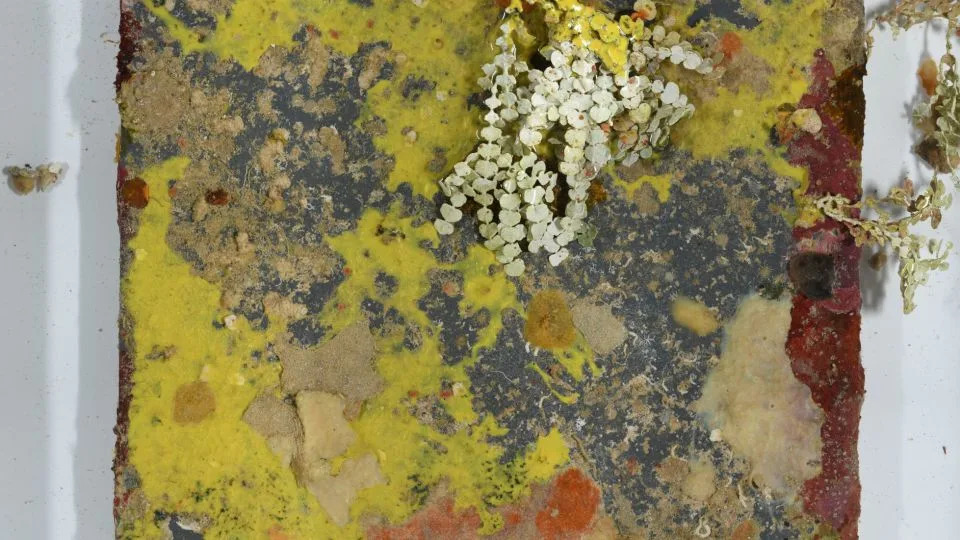
The surface of one of the reef monitors collected by divers from Guam's deep reefs. - California Academy of Sciences
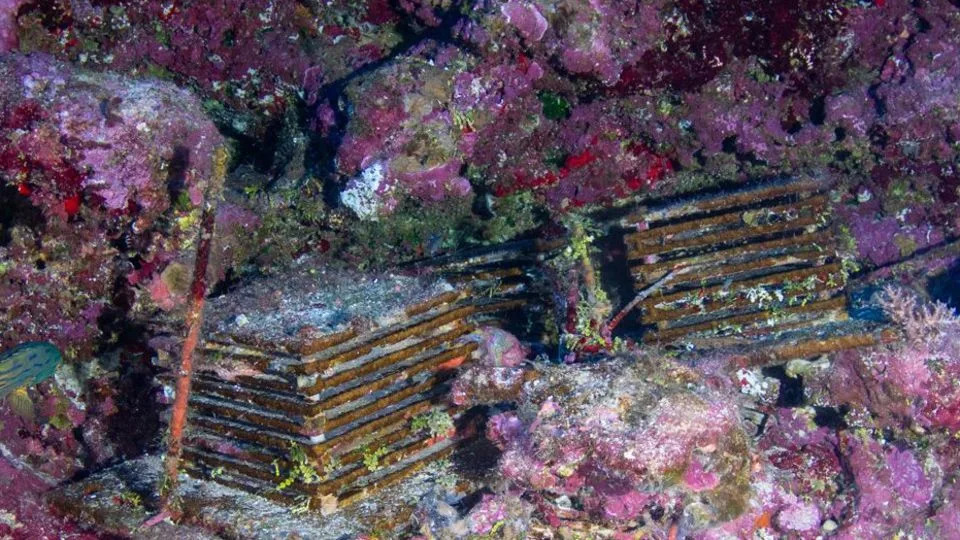
Monitoring devices pictured in November 2025 after spending eight years in Guam's deep reefs. - California Academy of Sciences
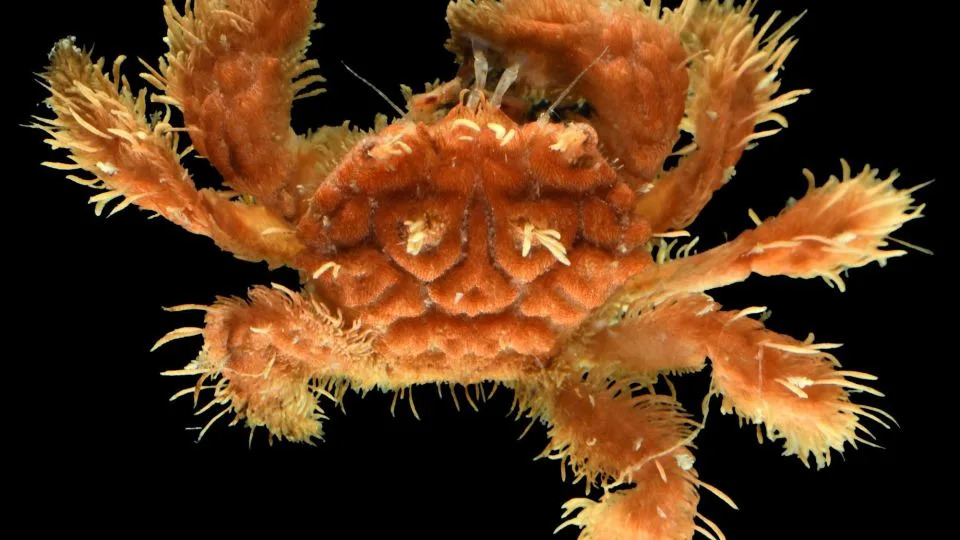
A pilumnid crab. - California Academy of Sciences
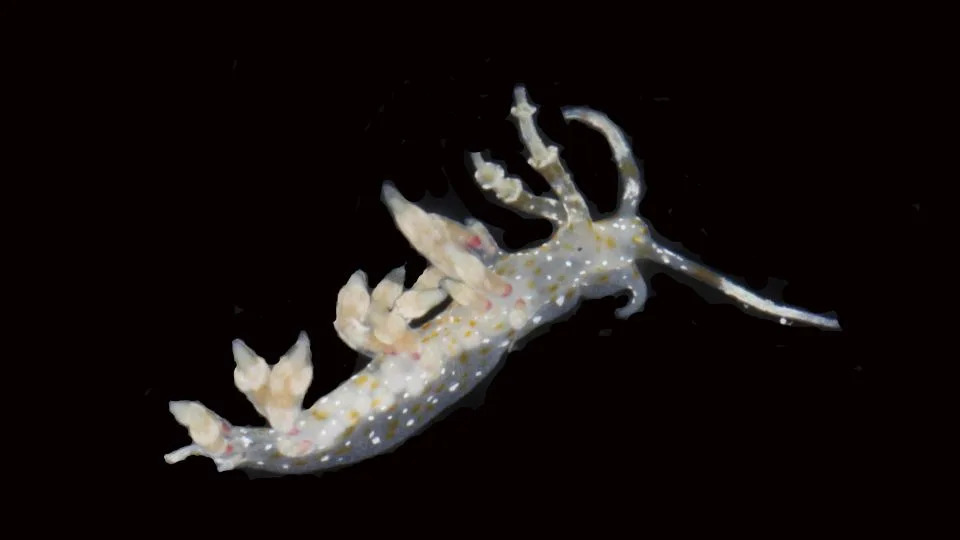
A possible new species of sea slug in the genusCratena. - California Academy of Sciences
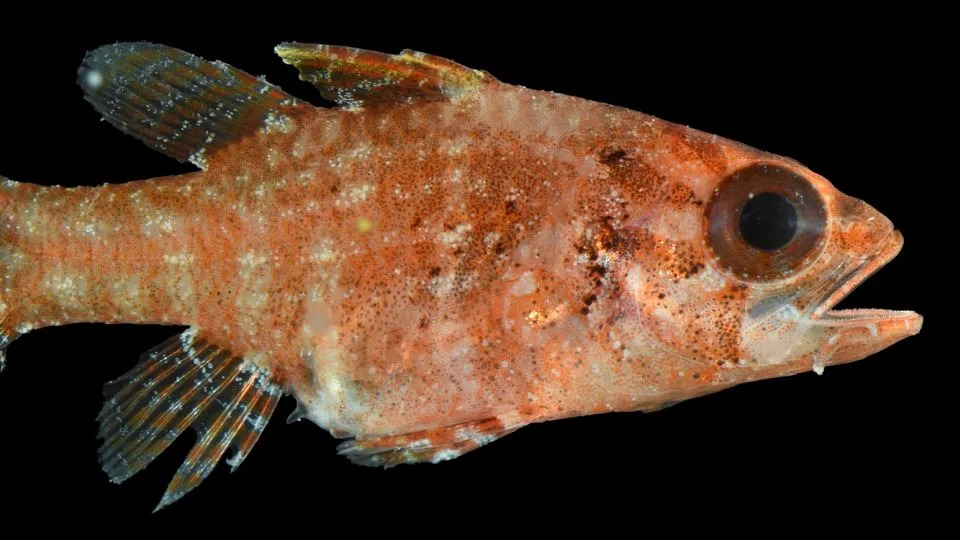
A possible new species of cardinalfish. - California Academy of Sciences
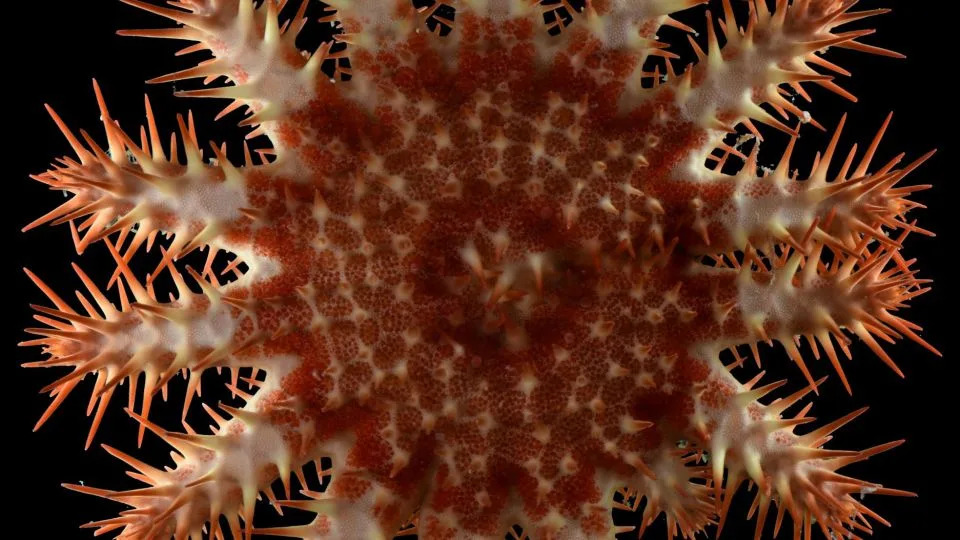
A juvenile Pacific crown-of-thorns starfish collected on the reef during a dive in shallower waters at around 80 feet deep. - California Academy of Sciences
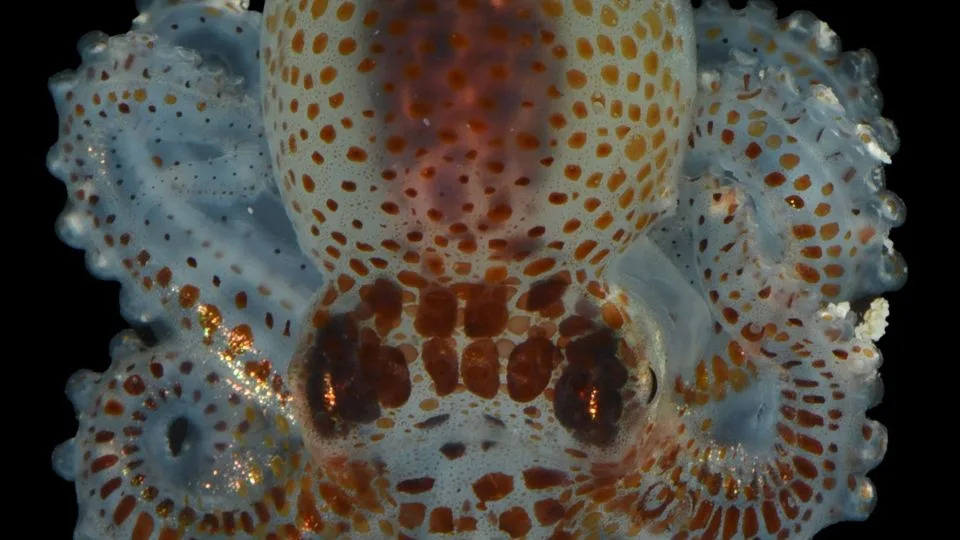
A small species of octopus found among the fauna collected from the monitoring device. - California Academy of Sciences


