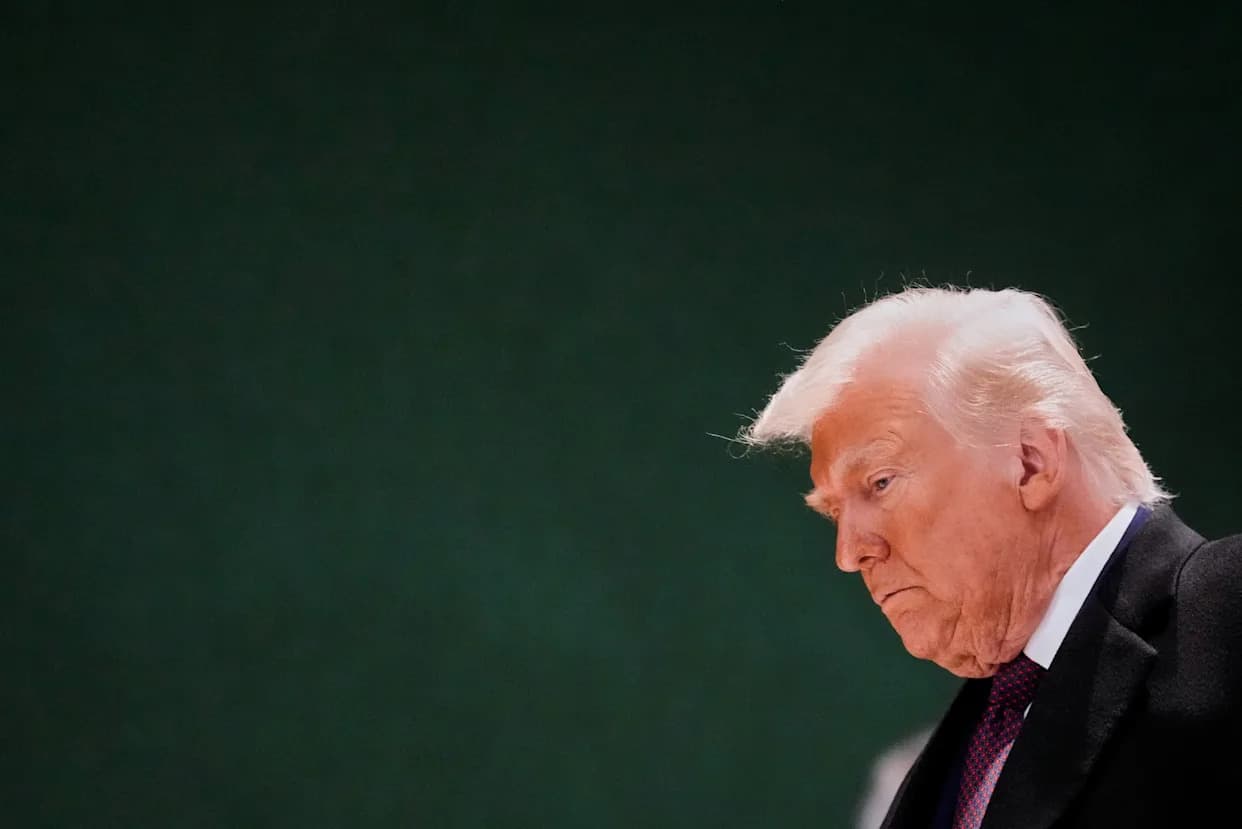
Democrats plan to center the midterms on the cost of living as President Trump’s economic approval slips. Polling shows voters who rank affordability highly disapprove of Trump at higher rates than they back congressional Democrats, revealing a persuasive gap. Party leaders urge clearer, bolder messaging and a targeted agenda focused on health care, energy, housing, groceries and tariffs to convert dissatisfaction into votes.
How Democrats Can Turn Trump’s Falling Economic Approval Into Midterm Momentum

Democrats are preparing to make the rising cost of living the centerpiece of their midterm strategy as President Donald Trump’s economic approval softens. The challenge isn’t simply attacking the president’s record — it’s convincing voters who distrust Trump that Democrats have credible, concrete plans to make life more affordable.
Where Democrats Stand Now
Recent polling from The Argument finds a notable gap: among voters who rank the cost of living as a top-two issue, 57% disapprove of Trump’s handling of the economy, but only 50% say they favor congressional Democrats. Marist Institute director Lee Miringoff and other pollsters have similarly described Democratic support on economic issues as not yet fully locked in.
A Need For Clearer, Bolder Messaging
Party leaders and strategists say Democrats should move beyond vague rhetoric and present a sharper, more specific affordability agenda. As Hawaii Sen. Brian Schatz, the party’s chief deputy whip, put it: resist internal policy quarrels that distract from a unified message, but don’t become a blank slate.
“When it comes to the brand of the Democratic Party, what we would do with power — a midterm message that has historically been viable is, ‘Have you had enough of this sh*t yet?’” — Sen. Brian Schatz
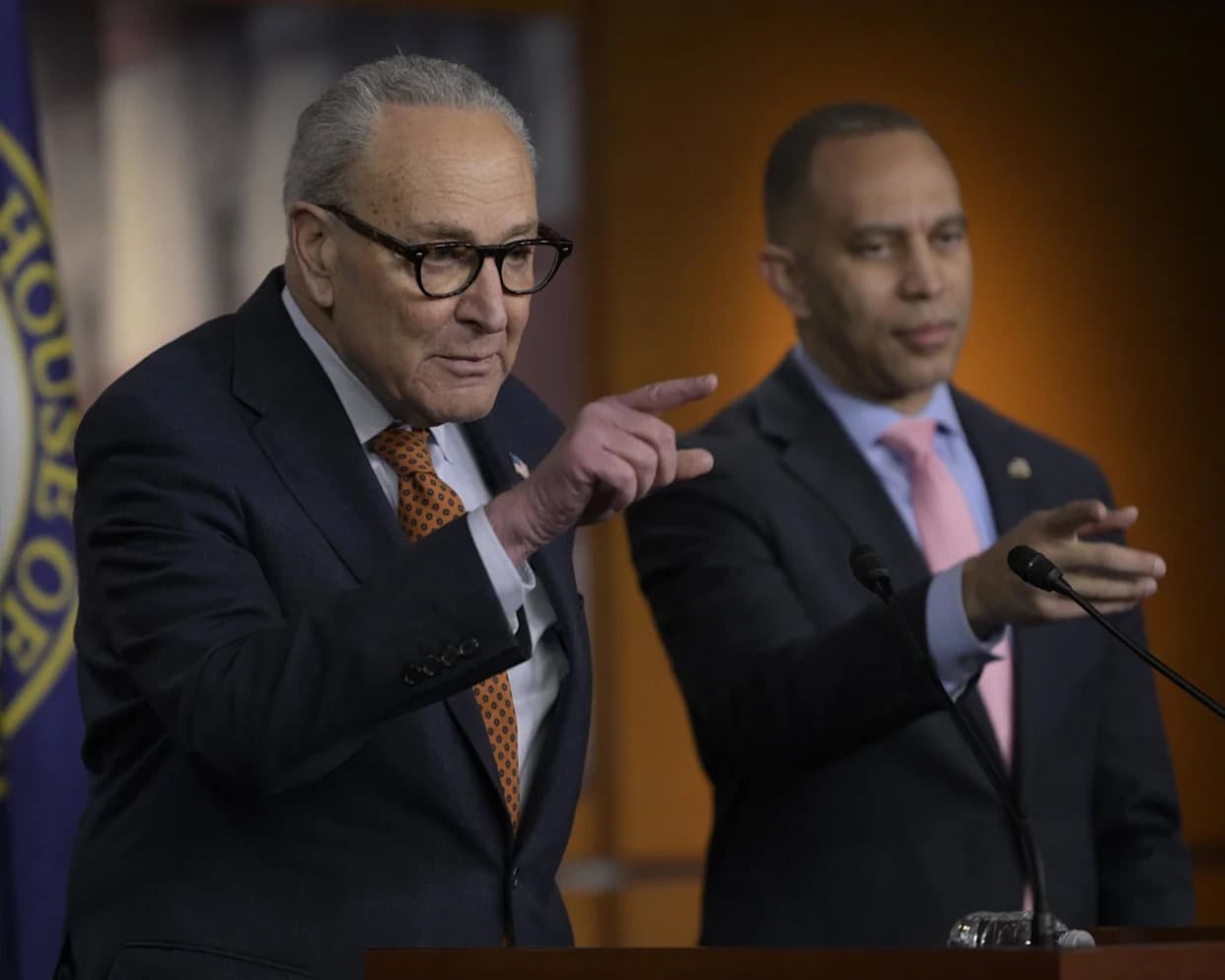
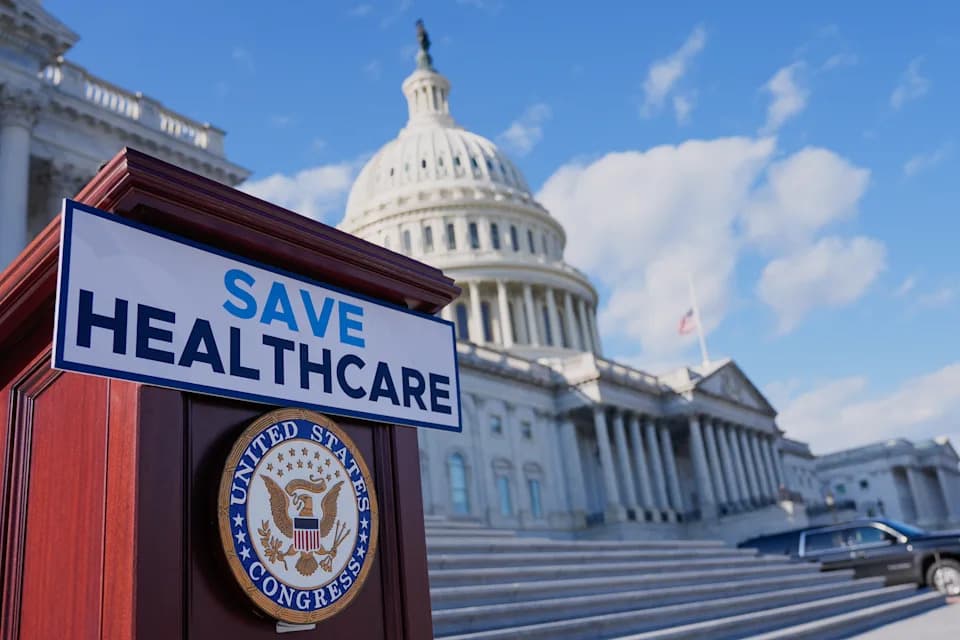
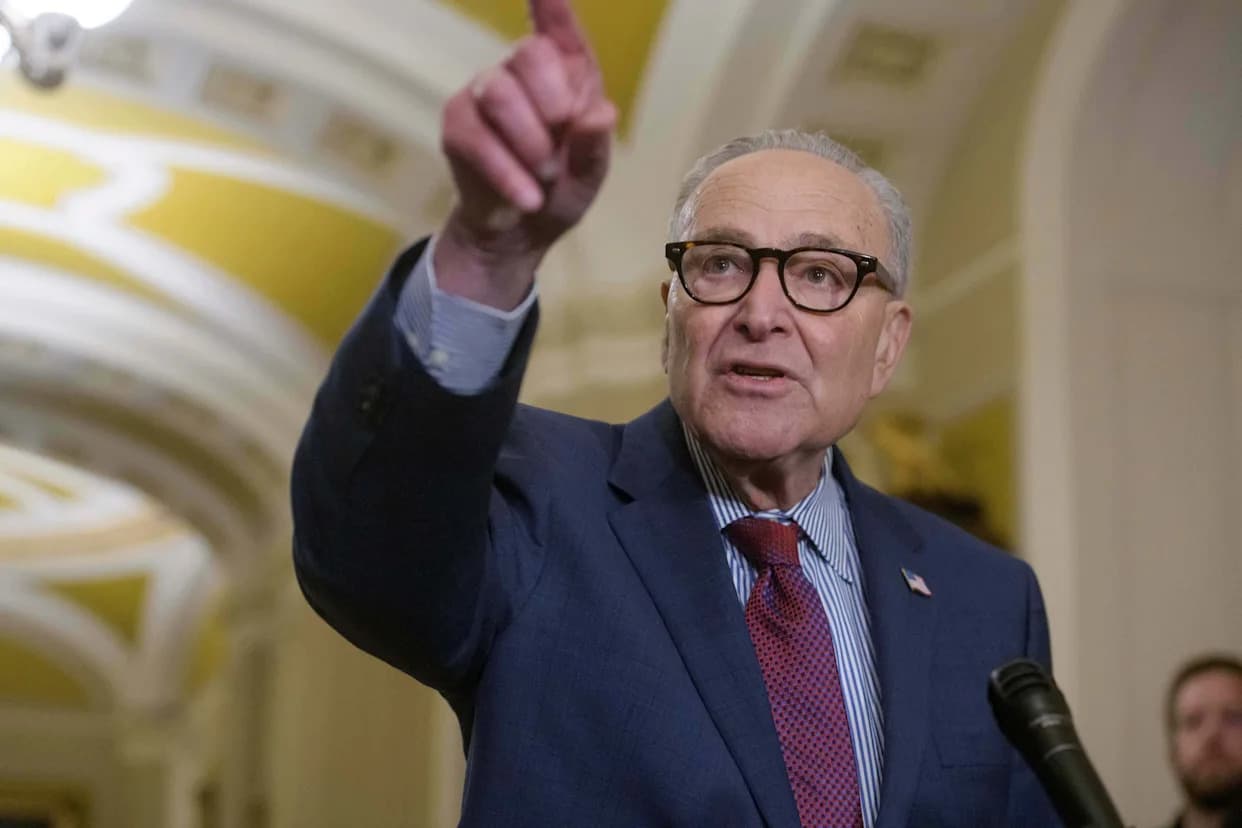
Senate Minority Leader Chuck Schumer and House Minority Leader Hakeem Jeffries have been coordinating an affordability message focused on five priorities: health care, energy, housing, groceries and tariffs. Sen. Elizabeth Warren emphasized that Democrats will both highlight where Republican policies raised costs and lay out concrete steps to lower them.
Policy Versus Tone
Analysts say the most effective campaign messages combine clear policy proposals with confident tone. Lakshya Jain, head of political data at The Argument, argues Democrats should be willing to say when past approaches underperformed and to propose bolder options — from targeted anti-tariff measures to rent-relief experiments — tailored to different districts.
Jain pointed to several Democrats who have used assertive affordability messaging, naming Representatives Abigail Spanberger and Mikie Sherrill and Senator Ruben Gallego as examples, while cautioning that few Democrats today consistently deliver that kind of bold, focused pitch.
Political Context
Republicans have struggled to coalesce around new proposals addressing cost pressures, and GOP leaders have sometimes favored vagueness over specificity when asked about a governing agenda. That dynamic gives Democrats an opening — if they can translate voter dissatisfaction into confidence that Democrats would deliver lower costs.
Whether through targeted policy packages or a sharper, more unified narrative, Democrats’ task is to convert economic discontent into dependable electoral support by both criticizing the current record and offering tangible, district-tailored solutions.
Help us improve.